Quick Answer
Choose matcha if you want a concentrated, creamy cup with a gentle caffeine lift and more versatility in lattes. Choose green tea if you prefer a lighter, more delicate brew that's quicker to prepare and easier to sip throughout the day.
Taste and Texture: Creamy vs Delicate
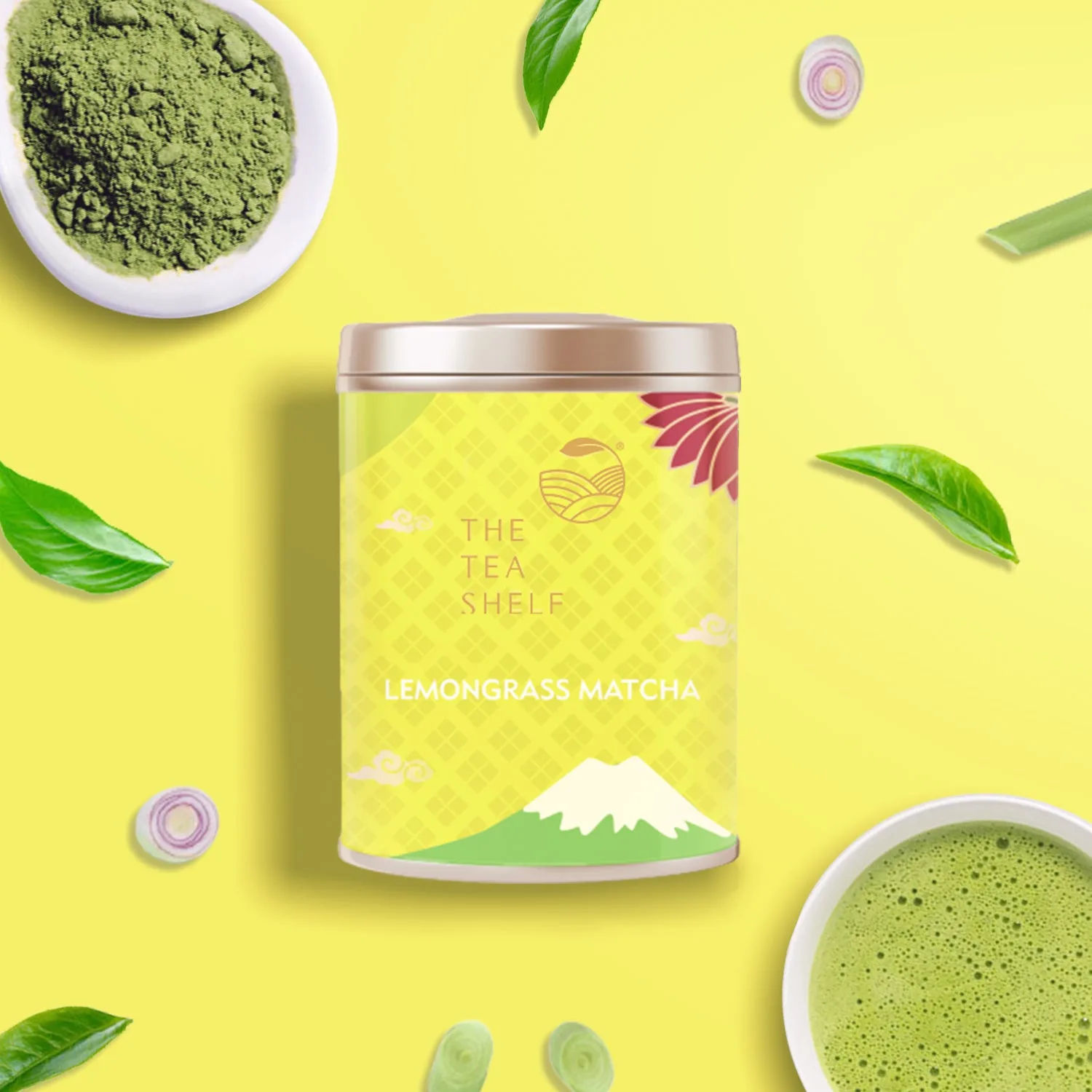
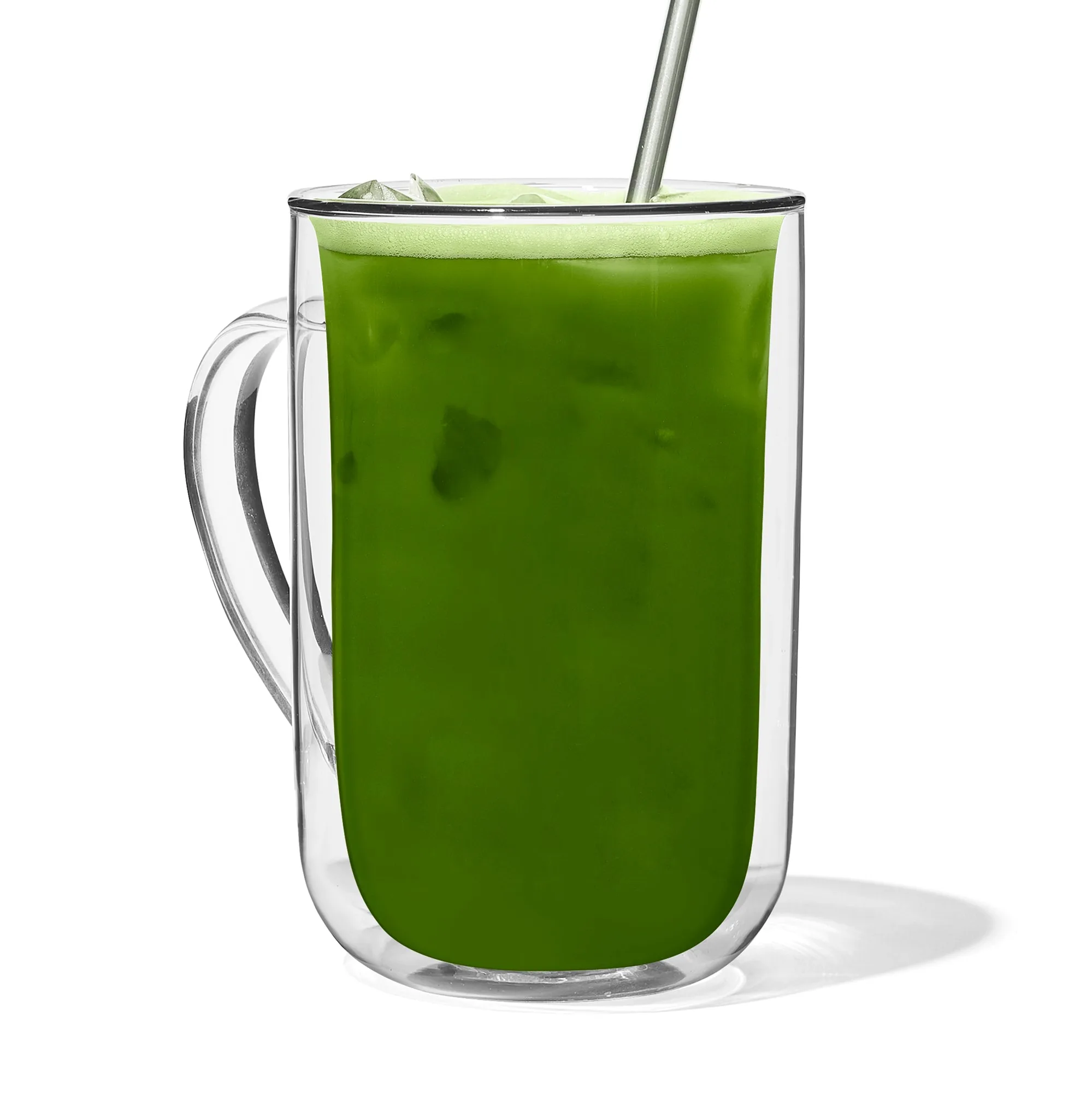
Matcha is made from finely ground green tea leaves, so you consume the whole leaf. This gives it a rich, creamy texture with fresh grassy sweetness and a gentle umami depth. Green tea, on the other hand, is brewed from whole or rolled leaves, resulting in a lighter, more delicate infusion that's often described as smooth and subtly sweet.
If you enjoy a full-bodied, slightly savory cup, matcha's umami character will appeal. If you prefer a cleaner, more refreshing brew, traditional green tea might be your go-to.
Caffeine and Energy: What to Expect
Because matcha is the whole leaf ground into powder, it typically contains more caffeine per serving than steeped green tea. However, matcha also contains L-theanine, an amino acid that promotes calm alertness, which can offset the jittery effects of caffeine.
Green tea provides a milder caffeine boost, making it a good choice for those sensitive to stimulants or who want a steady sip throughout the day without a spike.
Preparation: Effort and Ritual
Brewing green tea is straightforward: steep leaves in hot water for a few minutes. Matcha requires whisking the powder into water until frothy, which takes a bit more effort but can become a mindful ritual.
For matcha, use about 1-2 grams (half a teaspoon) per 70ml of water at 70-80°C. Whisk vigorously in a zigzag motion until frothy. For green tea, use 2-3 grams of leaves per 200ml of water at 75-80°C, steeping for 2-3 minutes.
The Trade-Offs: Matcha vs Green Tea
- Flavor intensity: Matcha delivers a bold, grassy, umami-rich flavor; green tea is lighter and more delicate. Choose matcha if you want a pronounced taste, green tea if you prefer subtlety.
- Caffeine level: Matcha generally has more caffeine per cup than green tea, but the L-theanine provides a calmer energy. If you're caffeine-sensitive, green tea is the safer pick. If you're new to matcha, start with a smaller serving to gauge your tolerance.
- Preparation time: Green tea is quicker—just steep and go. Matcha requires whisking, which adds a minute or two but can become a soothing ritual. If you're always in a hurry, green tea wins.
Products to Consider
-
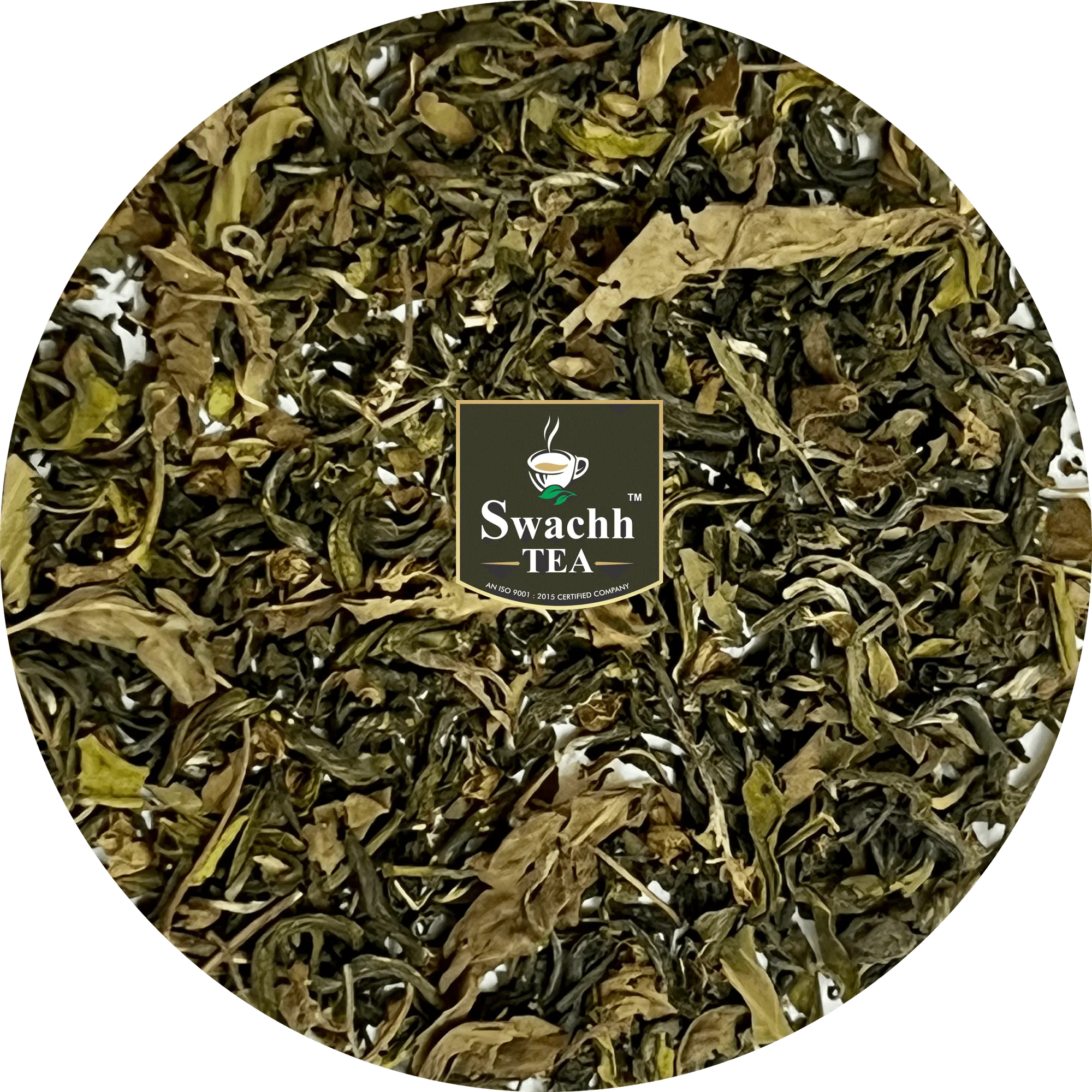
Vanilla Green Tea: Vanilla Green Tea is made from Chinese gunpowder tea scented with vanilla, offering a sweet, creamy character with subtle caramel notes. If you enjoy flavored green teas, this adds a dessert-like twist without extra sugar, making it a great afternoon treat.
Vanilla Green Tea
-
Izu Matcha: Izu Matcha is a premium Japanese matcha with vibrant color, smooth flavor, and a rich, creamy texture ideal for lattes. Its balanced, clean finish makes it a versatile choice for both traditional preparation and blended drinks.
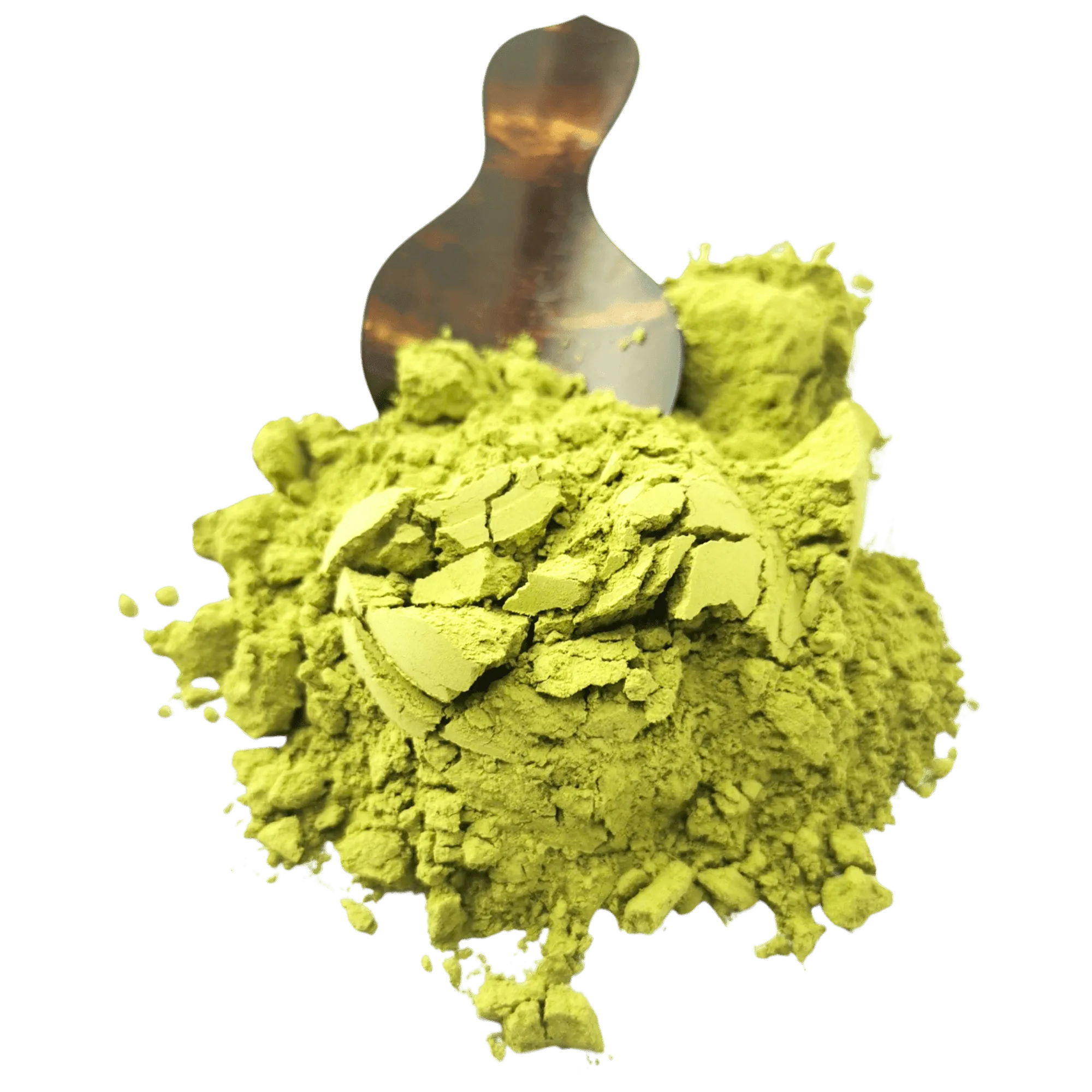
Izu Matcha
Who Should Choose Which?
Best for
- Matcha: those who want a creamy, concentrated cup with a gentle energy lift and enjoy making lattes or smoothies.
- Green tea: those who prefer a light, refreshing brew that's quick to prepare and easy to drink throughout the day.
Not for
- Matcha: those who dislike strong grassy flavors or are sensitive to higher caffeine levels.
- Green tea: those seeking a bold, umami-rich tea experience or a base for creamy beverages.