Quick answer
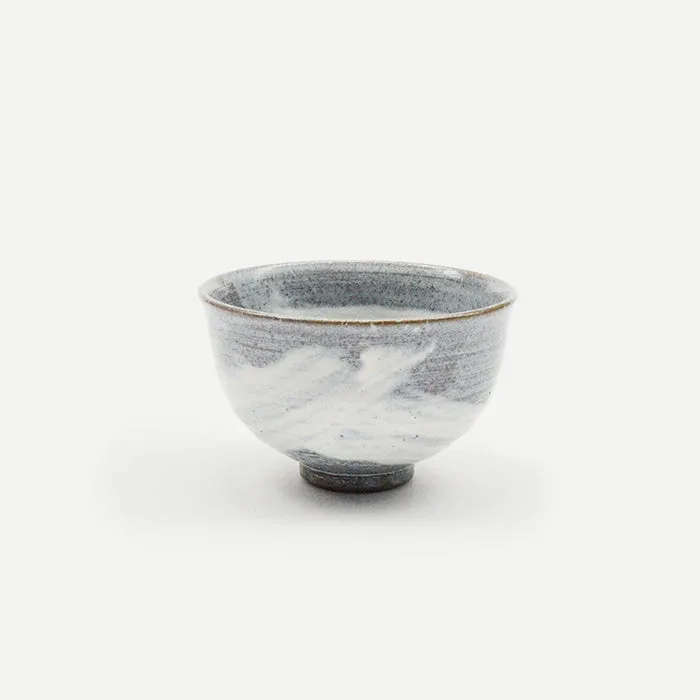
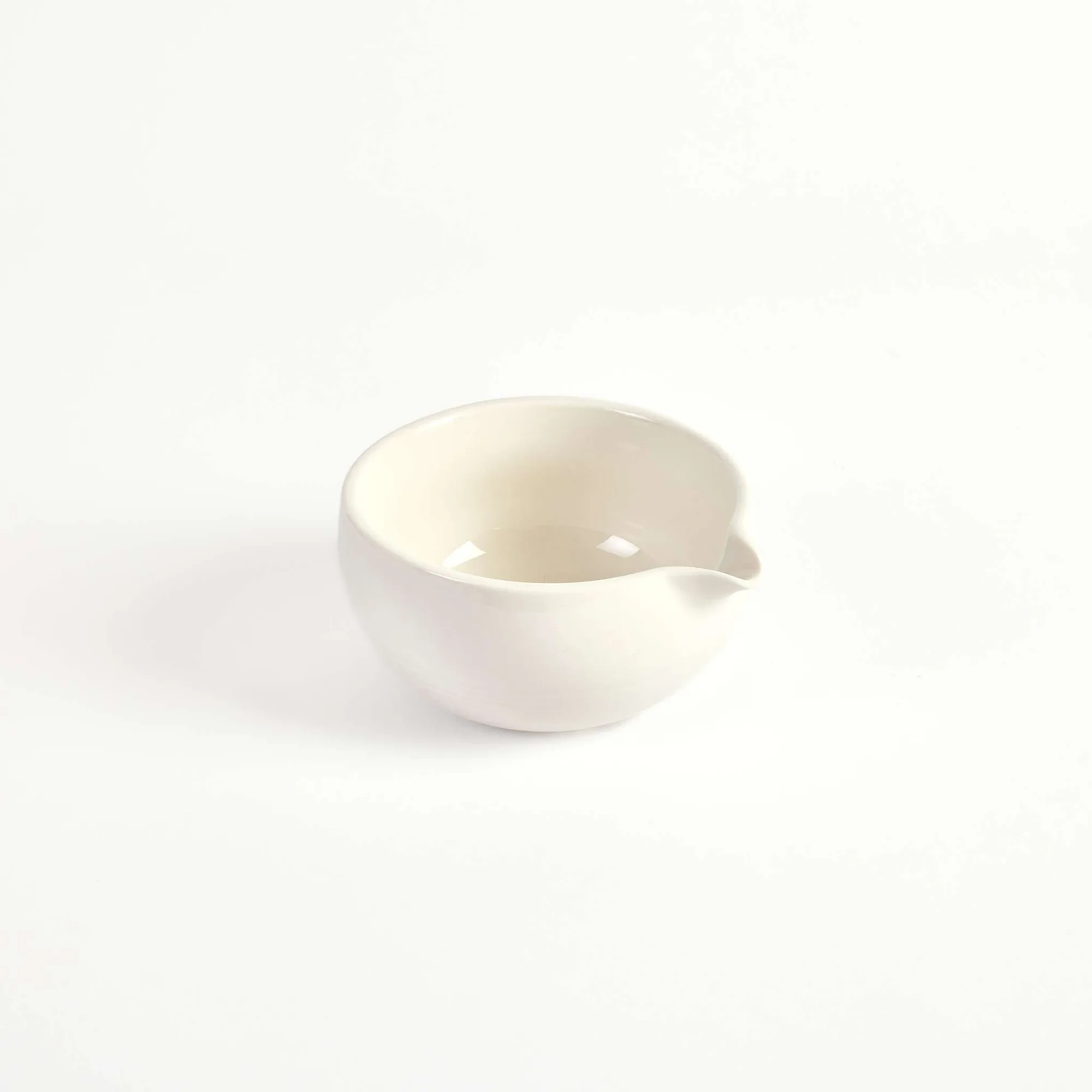
For most people, a matcha whisk (chasen) and a wide, stable bowl are the only true essentials. A ceramic matcha bowl like the Matcha Bowl Grey and White gives you the depth and stability you need for a proper whisk. If you drink matcha daily, add a small sieve to break up clumps and a scoop for consistent measuring. Skip the electric frothers and oversized kits unless you specifically want them.
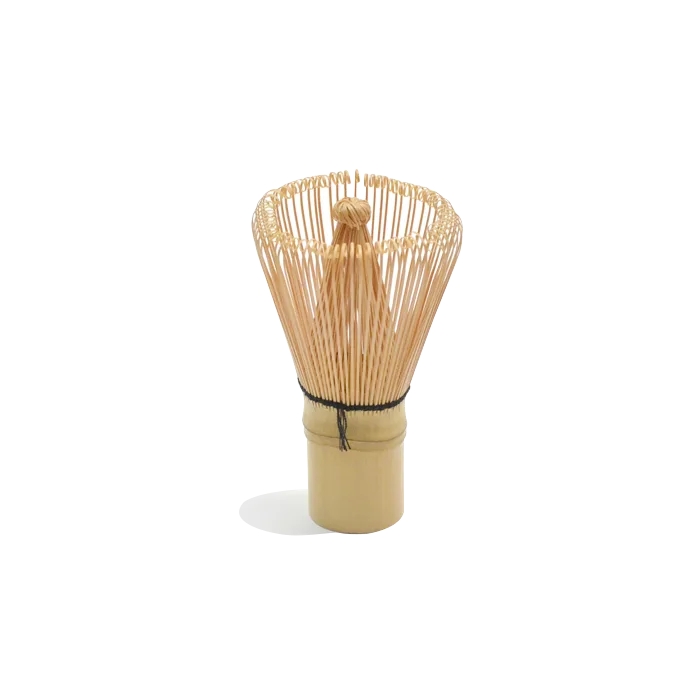
matcha whisk
The three tools that actually change your matcha
A traditional bamboo whisk, called a chasen, is designed to break up matcha clumps and create a smooth, frothy drink. Its many fine tines do this far better than a spoon or a milk frother. A wide bowl—ideally a ceramic matcha bowl—gives you enough room to whisk in brisk, zigzag motions without splashing. A small fine-mesh sieve is the third tool worth owning: sifting the powder before whisking prevents the dry pockets that ruin texture. Everything else is optional.
How to choose a matcha bowl that works with your whisk
Look for a bowl that is wider than it is tall, with a flat base and a capacity around 300–500 ml. This gives your whisk room to move and keeps the bowl stable on the counter. A ceramic matcha bowl is ideal because it holds heat well and has enough weight to stay put. The Matcha Bowl Grey and White is a hand-made Japanese ceramic that fits this description: medium-sized, delicate, and designed for preparing and consuming matcha. Because it is hand made, slight colour variations are normal and part of its character.
What to skip (or buy later)
Electric frothers and milk whisks can create foam, but they don't break up clumps the way a chasen does, and they can leave you with a coarser texture. Matcha whisks come in different prong counts—typically 80, 100, or 120 prongs. More prongs generally mean a finer, more delicate foam, but they also require a gentler hand. If you are just starting, a 100-prong whisk is a versatile middle ground. A whisk rest (chasen kusenaoshi) helps the whisk keep its shape as it dries, but a clean, upright glass works fine in the meantime.
How to whisk matcha without a mess
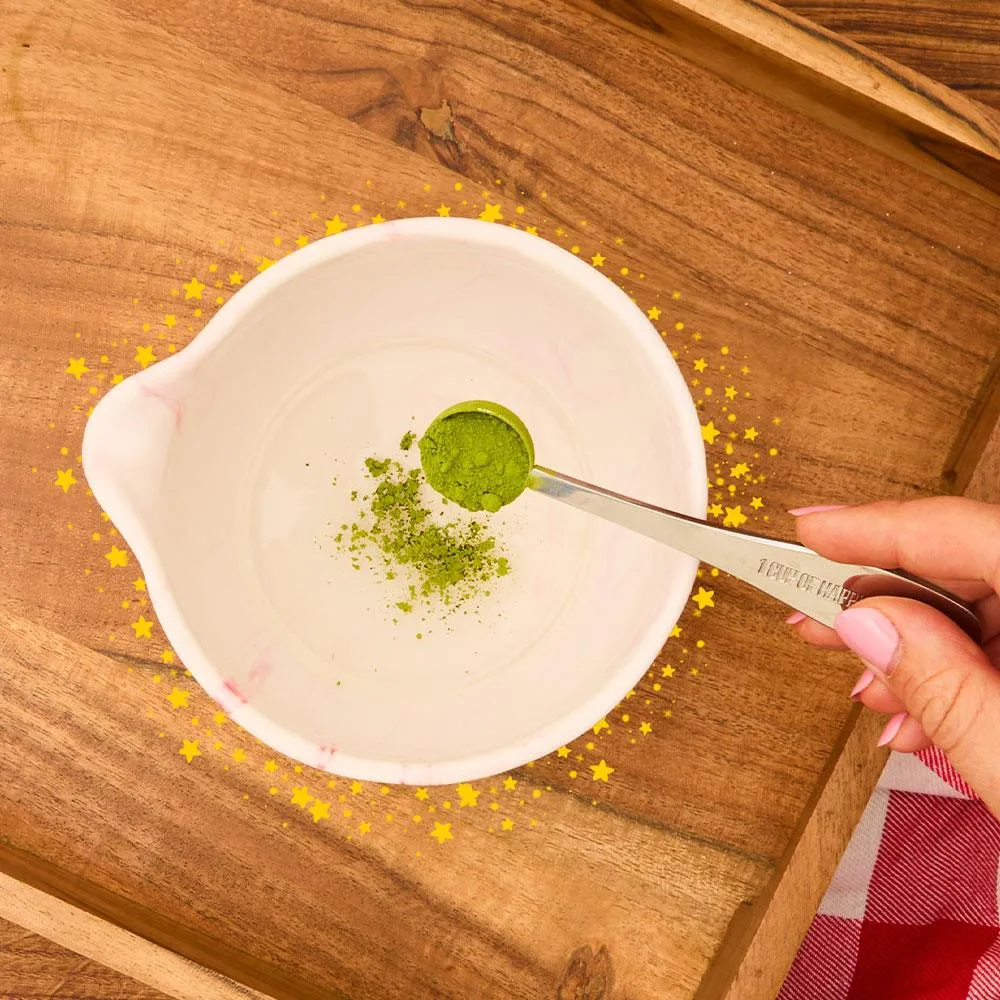
Sift 1–2 grams (about half a teaspoon) of matcha into your bowl. Add 60–70 ml of hot water—just off the boil, around 80°C—and whisk in a quick zigzag or 'W' motion for 15–20 seconds, keeping the whisk near the bottom of the bowl. Stop when you have a fine foam and no dry clumps. If you are using a ceramic matcha bowl, pre-warm it with hot water and dry it before adding the matcha; this keeps your drink hotter for longer.
Decision rules for buying matcha tools
- If you drink matcha occasionally (once a week or less): Buy a basic bamboo whisk and a wide ceramic bowl. Skip the sieve and scoop—you can sift with a fine strainer you already own and measure with a teaspoon. Keep it simple: whisk + bowl.
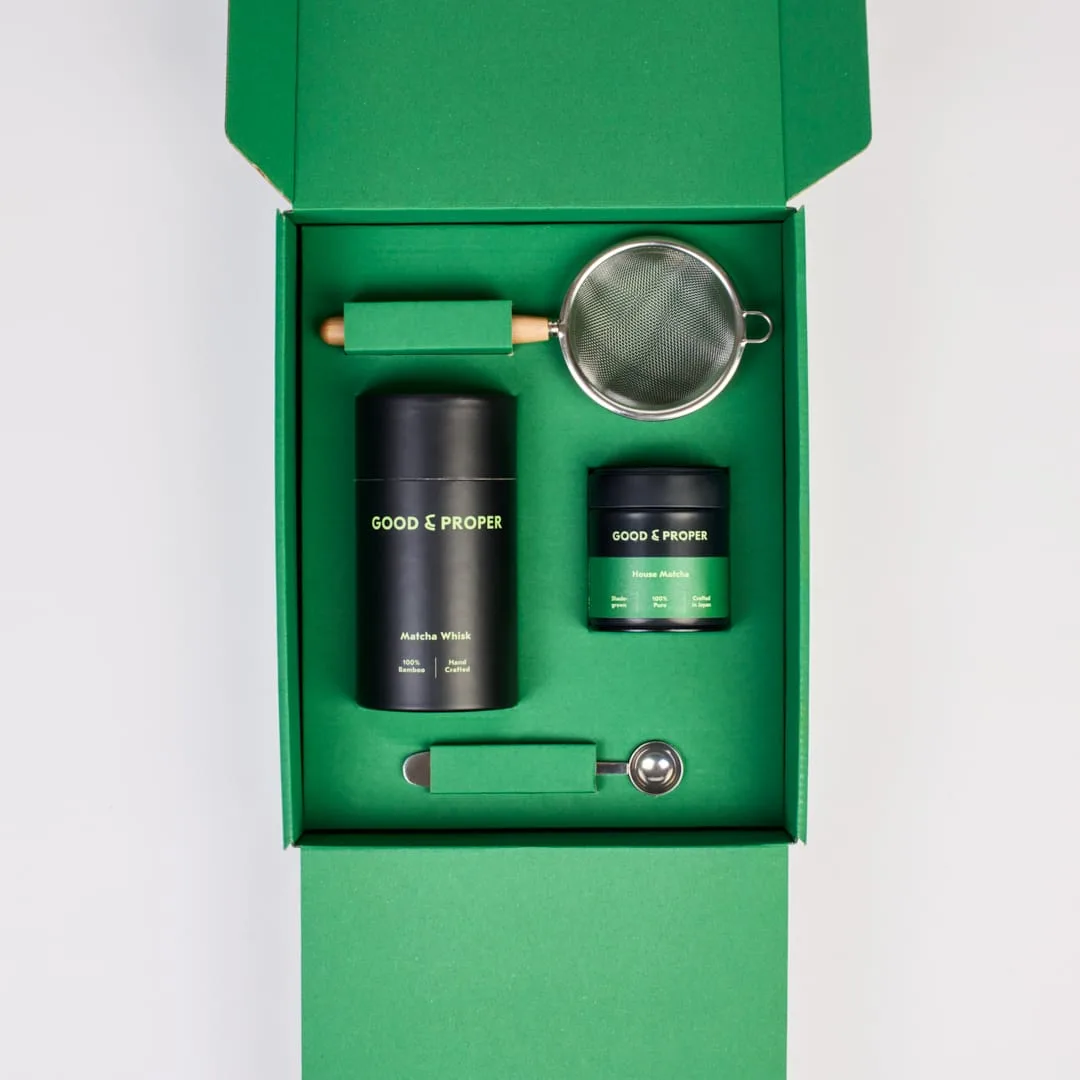
- If you drink matcha daily: Invest in a 100-prong bamboo whisk, a dedicated fine-mesh sieve, and a ceramic matcha bowl. A whisk rest is worth adding to protect the tines between uses. Daily drinkers benefit from the full starter kit.
- If you entertain or share matcha: Choose a slightly larger bowl (400–500 ml) so you can whisk a larger batch. Consider a second bowl if you regularly make matcha for two. Size up for sharing.
- If you are on a tight budget: A mid-range whisk and an inexpensive wide bowl will get you 90% of the way. Upgrade the bowl later if you find you want better heat retention. Function first, aesthetics later.
Product facts
- Matcha Bowl Grey and White: Hand made in Japan, this grey and white glazed matcha bowl is medium-sized and designed for preparing and consuming matcha. Slight colour variations may occur. A properly sized, stable bowl makes whisking easier and doubles as a serving vessel. The hand-made nature means each piece is slightly unique.
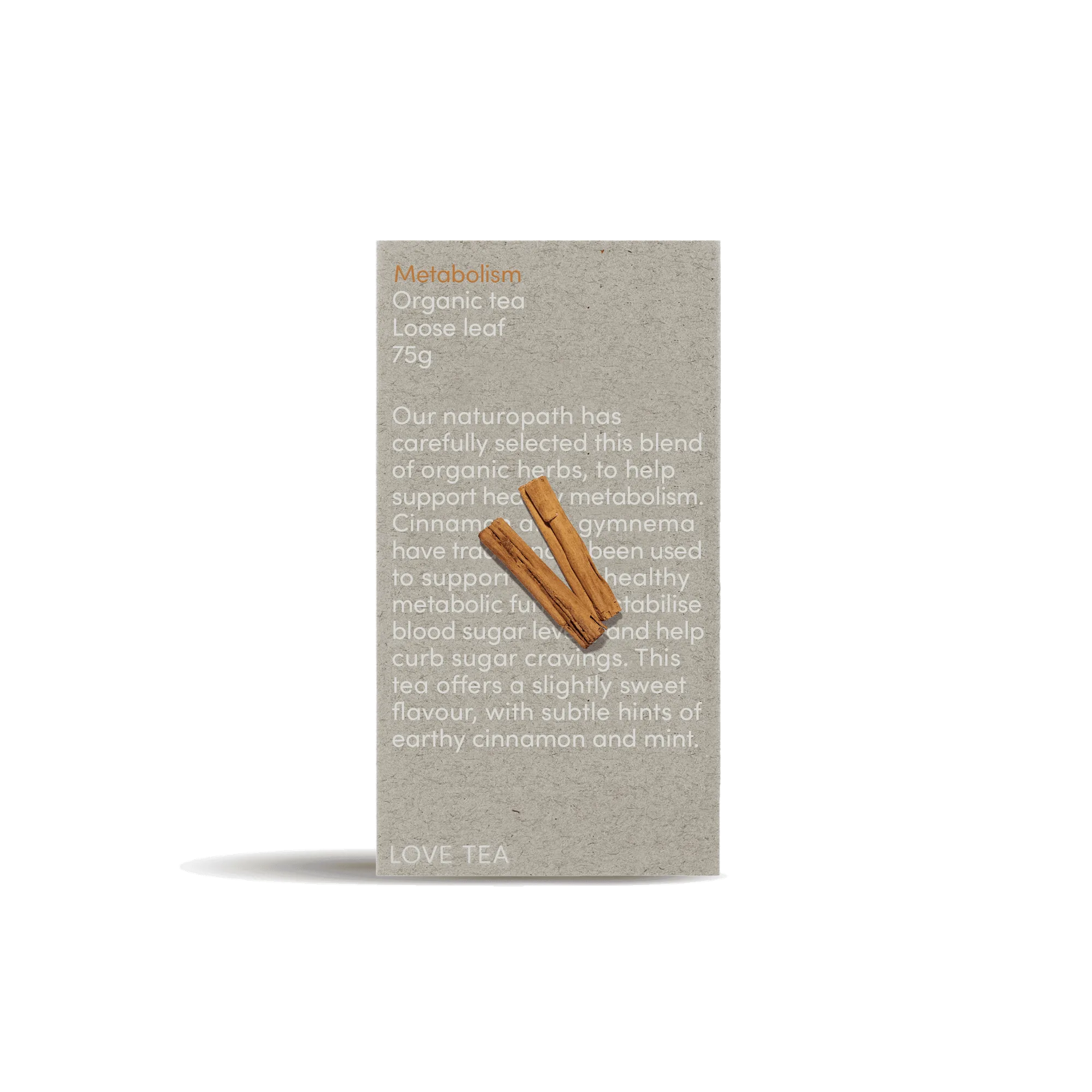
- Metabolism Loose Leaf Tea: Metabolism Loose Leaf Tea is a naturopath-selected blend of organic herbs, including cinnamon and gymnema, traditionally used to support healthy metabolic function and curb sugar cravings. It has a slightly sweet flavour with earthy cinnamon and mint. If you enjoy matcha as part of a daily routine, this tea offers a caffeine-free alternative for later in the day, with a flavour profile that pairs well with the earthy notes of matcha.
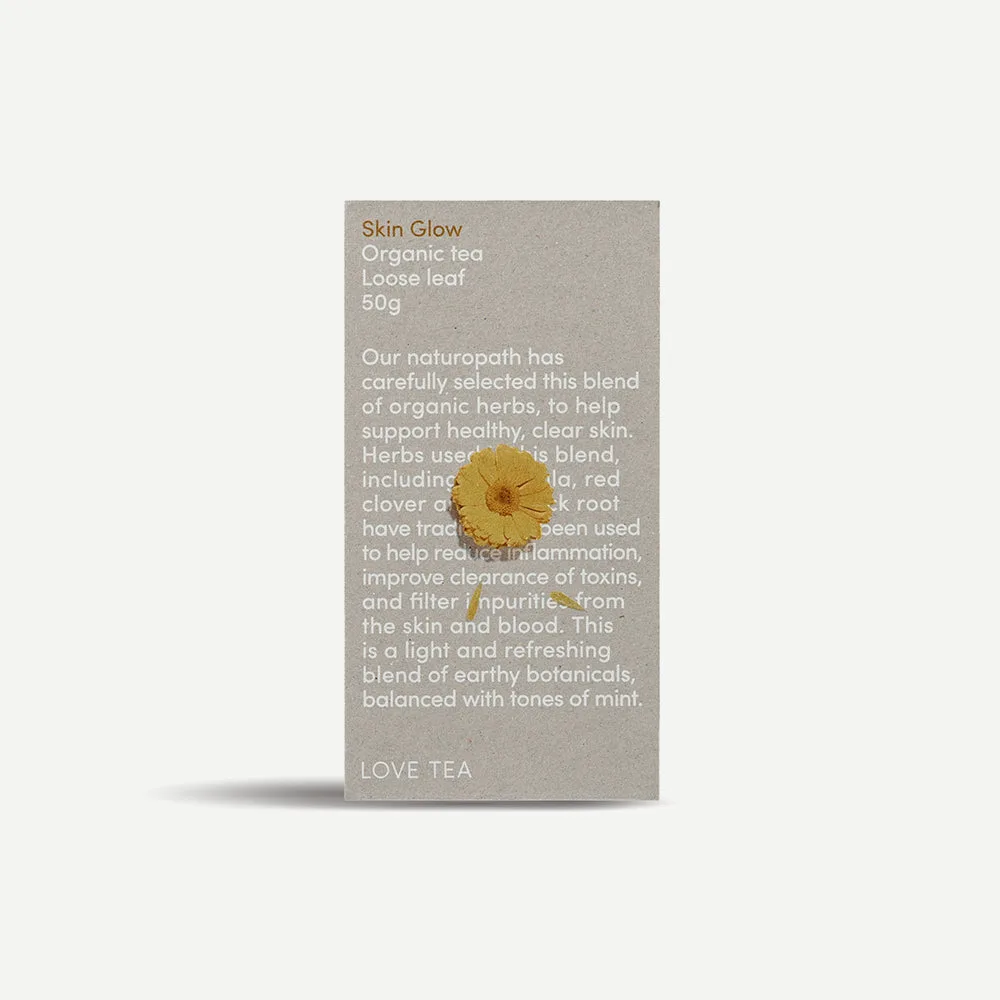
- Skin Glow Loose Leaf Tea: Skin Glow Loose Leaf Tea is a naturopath-selected blend of organic herbs including calendula, red clover, and burdock root, traditionally used to help reduce inflammation and support clear skin. It is light and refreshing with earthy botanicals and mint. A gentle, skin-focused herbal tea can complement a matcha habit, especially if you prefer to limit caffeine in the afternoon.
Who this guide is for
Best for
- Beginners building a matcha starter kit
- Daily matcha drinkers who want to improve texture and consistency
- Anyone unsure which matcha accessories are worth buying
Not for
- People looking for a ceremonial-grade matcha powder recommendation (this guide focuses on tools)
- Those who prefer pre-sweetened matcha latte mixes
- Shoppers who want an all-in-one electric matcha maker