Quick answer
Maternity compression socks with graduated 20-30 mmHg pressure are your best choice if you need to reduce swelling and leg soreness during pregnancy. Regular socks, especially ones with non-slip grips, work well for light activity or lounging when you don't need medical-grade support.
Why compression level matters during pregnancy
Swelling in the legs and ankles is common during pregnancy because your body retains more fluid and your growing uterus puts pressure on blood vessels. Maternity compression socks apply graduated pressure—strongest at the ankle and decreasing toward the top—to help push blood back toward your heart. This reduces fluid buildup and can ease that heavy, achy feeling by the end of the day.
Regular socks, even thick or cushioned ones, do not provide this graduated pressure. They simply cover and warm your feet. If you don't have significant swelling or spend most of your day seated or lying down, a comfortable regular sock may be enough. But if you're on your feet or already noticing puffiness, the compression sock's targeted design offers a real advantage.
When a non-slip grip is more useful than compression
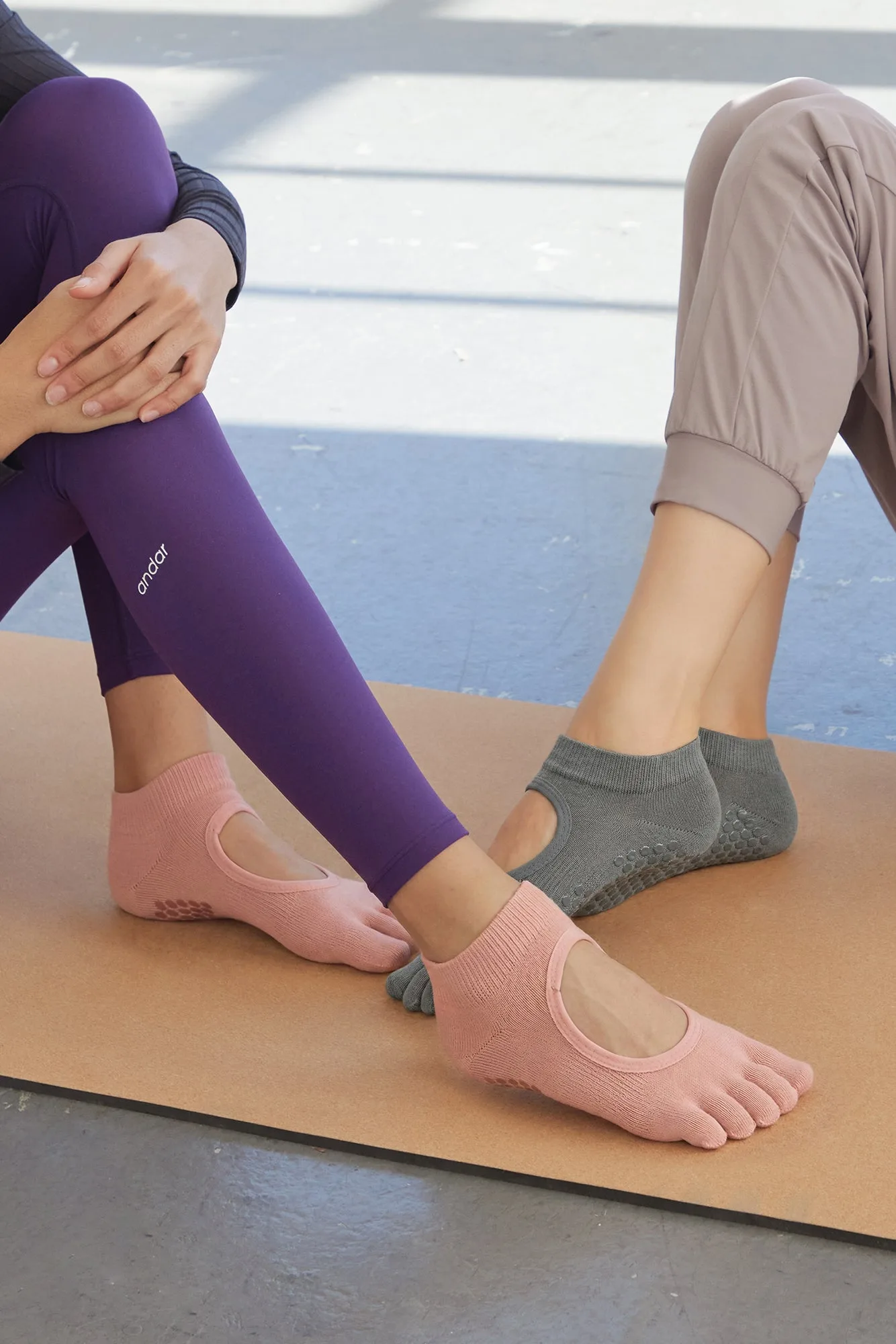
Not every pregnancy sock needs compression. If your main concern is staying steady on slippery floors—especially in a hospital, birthing center, or your own bathroom—a sock with textured grips on the sole can be more practical. These socks give you traction without the extra squeeze of compression.
The trade-off is that you lose the circulation support. For a short walk or a quick trip to the kitchen, that trade-off is fine. But if you plan to stand for longer periods or are already dealing with swelling, you will miss the graduated pressure.
Maternity compression socks vs regular socks: trade-offs at a glance
- Swelling & leg fatigue: Compression socks (20-30 mmHg) actively push fluid upward and reduce soreness. Regular socks offer no circulation support. If swelling is your main concern, choose compression.
- Slip resistance: Regular socks with textured grips provide traction on smooth floors. Compression socks typically have a smooth sole and may not include grips. For hospital or slippery surfaces, a grip sock is safer.
- Comfort for lounging: Regular cotton-blend socks are softer and less restrictive, ideal for resting or sleeping. Compression socks can feel tight and may be uncomfortable if you don't need the pressure. Use regular socks when you are off your feet and swelling is not a problem.
How the products compare
-
Premium Maternity Compression Socks (2-Pack) | Ivory & Taupe: High-compression (20-30 mmHg) with graduated pressure targeted at the ankle, decreasing toward the opening, and a cushioned sole. This level of compression actively reduces swelling and leg soreness, making it a medical-grade choice for daily wear during pregnancy.
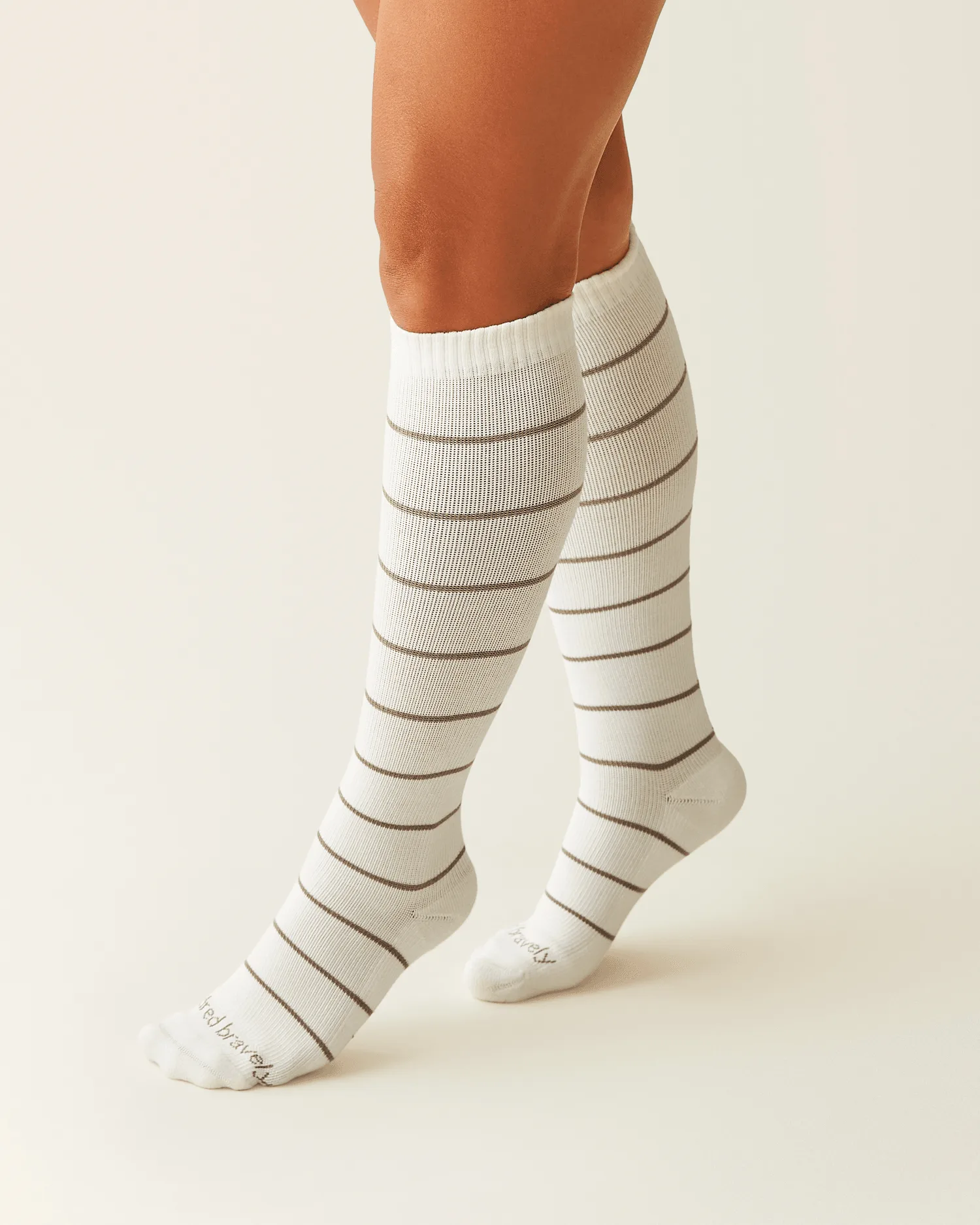
Premium Maternity Compression Socks (2-Pack) | Ivory & Taupe
-
Non-Slip Quarter Crew Socks | Ivory & Black: Soft cotton-blend quarter-crew sock with textured non-slip grips on the bottom and a comfortable stretch fit. The grips add stability on smooth floors, but without graduated compression, this sock won't help with swelling or circulation issues.
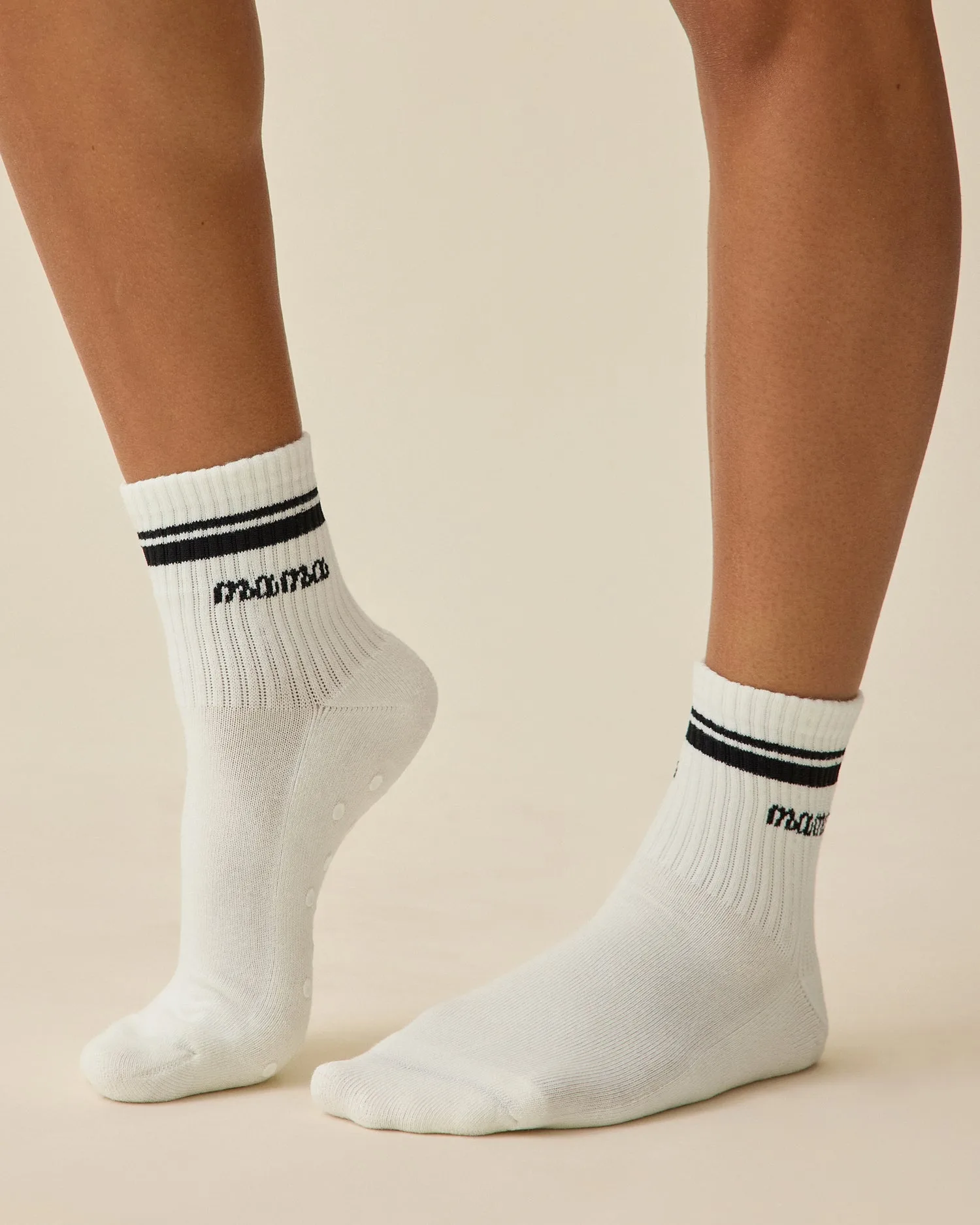
Non-Slip Quarter Crew Socks | Ivory & Black
Which one fits your pregnancy?
Best for
- Pregnant individuals who experience noticeable swelling or leg aches by midday
- Anyone who stands or walks for long periods and wants to prevent fluid buildup
Not ideal for
- People who only need traction on smooth floors and have no swelling concerns
- Those who prefer a loose, unrestricted feel while resting or sleeping