Why This Comparison Matters
When you buy a new tent, the question of whether to also buy a dedicated footprint often comes up. The Maxfield Tent and the Maxfield Tent Footprint are sold separately, and each serves a different role in your camping kit. This comparison looks at what each product offers, how they work together, and whether the footprint is a worthwhile addition for your camping style.
What Each Product Does
-
Maxfield™ Tent: The Maxfield Tent Series offers an ultra lightweight structure without compromises. Designed to deliver comfortable interior space, revolutionary packability, and intelligently designed storage. The tent itself is built to be light and packable, so adding a footprint should not negate those advantages.
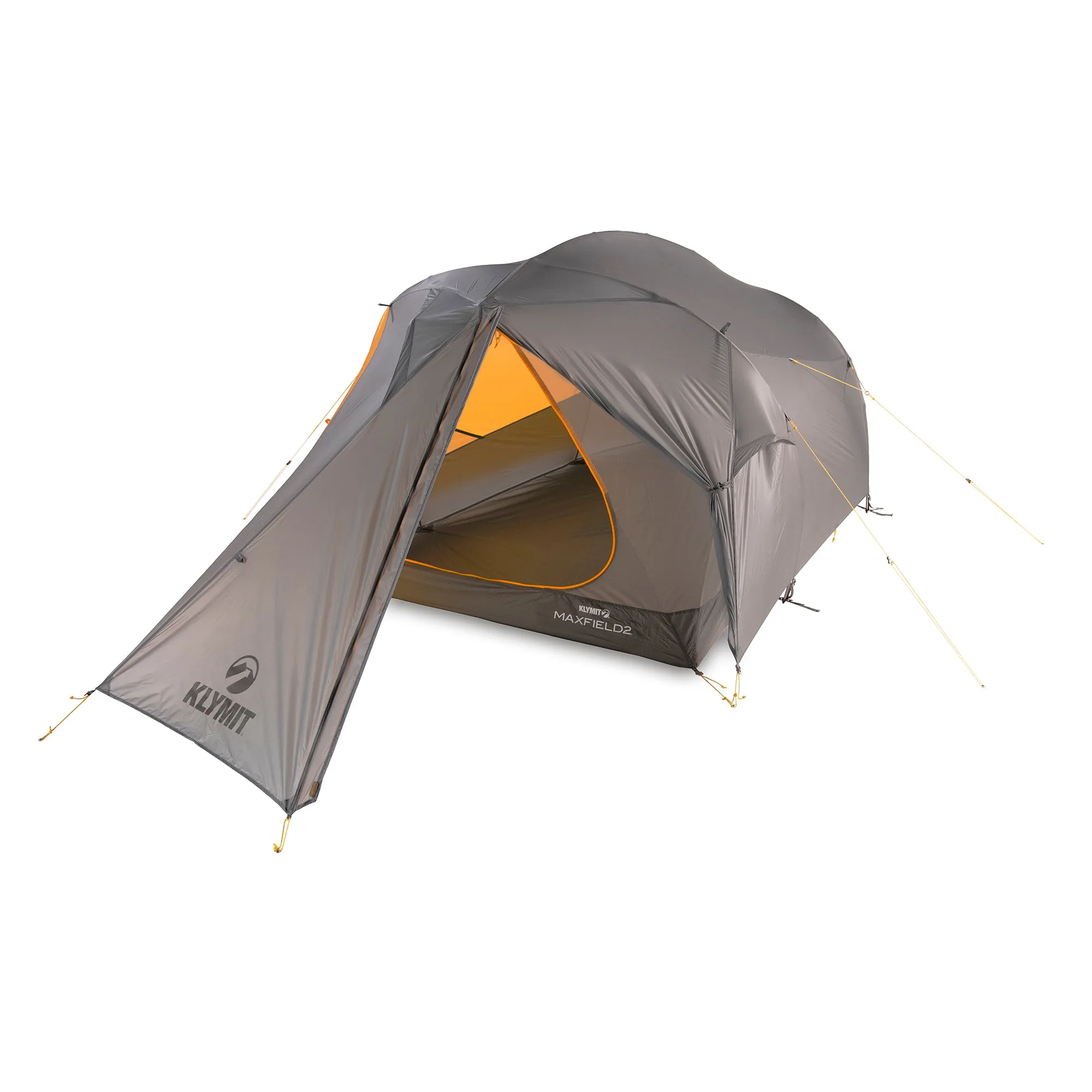
Maxfield™ Tent
-
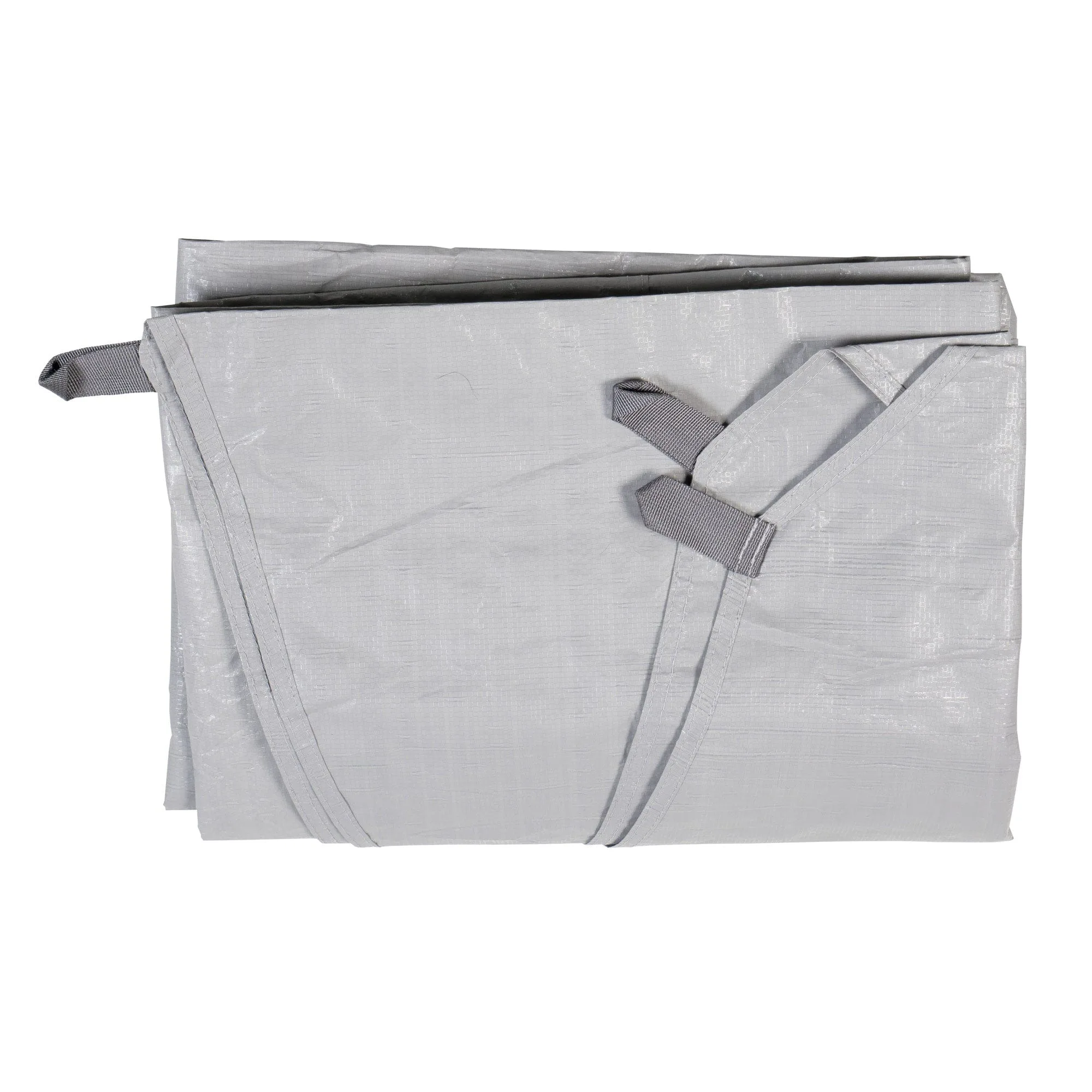
Maxfield™ Tent Footprint: The Maxfield™ Footprint is a durable, custom-fit ground tarp designed to protect your tent floor from wear and tear, extending its lifespan for many adventures to come. A custom-fit footprint adds targeted protection without excess bulk, preserving the tent's packability.
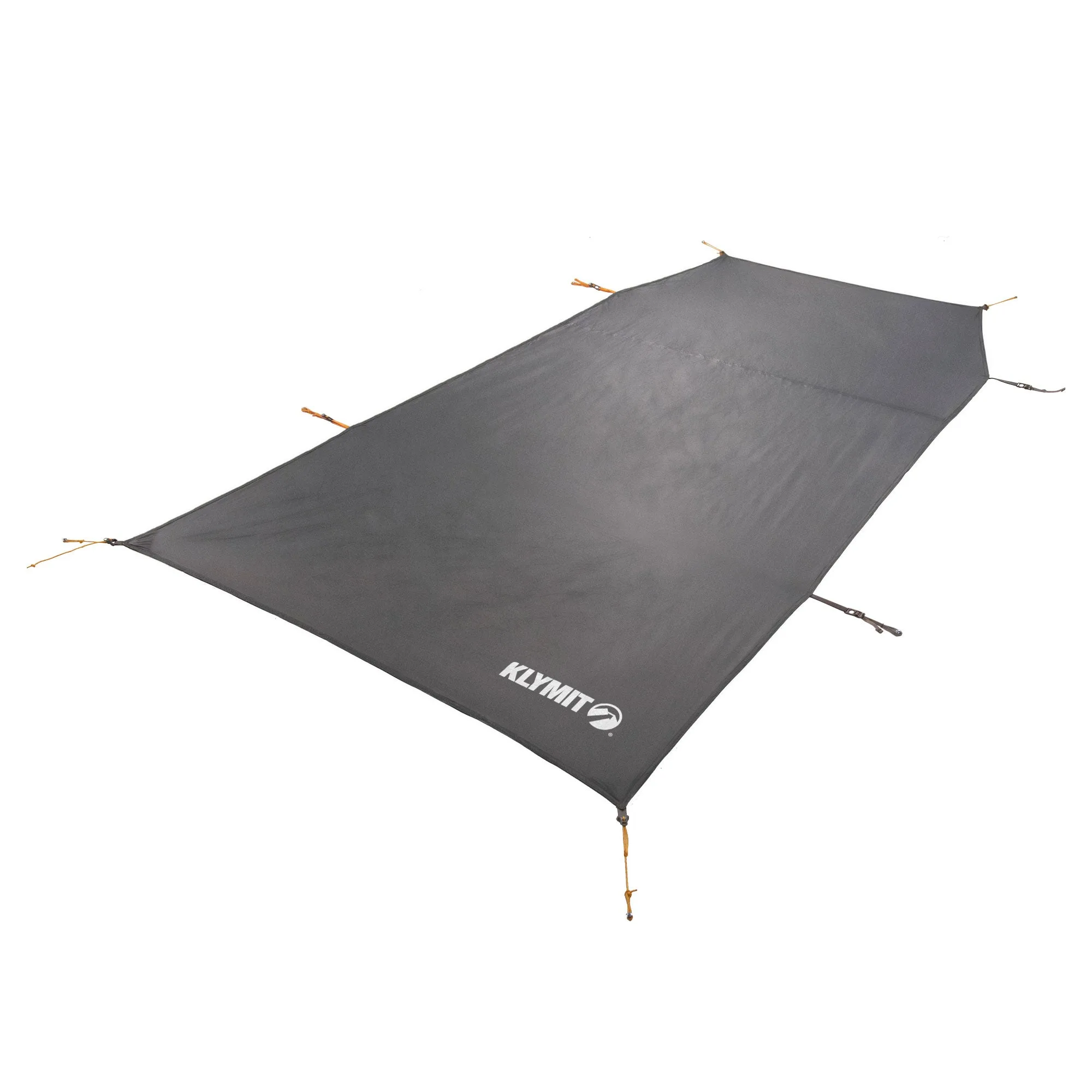
Maxfield™ Tent Footprint
The Case for Using Both
The Maxfield Tent is lightweight and packable, but its floor is still vulnerable to sharp rocks, roots, and abrasive ground. A custom-fit footprint like the Maxfield Tent Footprint shields the tent floor from punctures and abrasion, potentially extending the tent's lifespan. Because it is shaped to match the tent's dimensions exactly, there is no excess material to fold or catch water, which helps keep the setup clean and dry.
For campers who frequently set up on rough or unknown terrain, the footprint adds a layer of insurance without adding significant weight or bulk to your pack.
When the Footprint Might Not Be Necessary
If you primarily camp on well-maintained sites, soft grass, or sandy soil, the tent floor may never see the kind of abuse that warrants a dedicated footprint. In those conditions, a lightweight groundsheet or even nothing at all might suffice.
Also, the Maxfield Tent is already designed with packability in mind. Adding any extra layer means one more item to carry and set up. For ultralight backpackers trimming every gram, skipping the footprint saves weight and setup time.
Maxfield Tent vs Footprint at a Glance
- Primary function: Tent: lightweight shelter with interior space and storage. Footprint: ground protection for the tent floor.
- Weight impact: Tent: ultra lightweight. Footprint: adds minimal weight, exact figure not supplied.
- Packability: Tent: revolutionary packability. Footprint: custom-fit, designed to not add bulk.
- Cost: Tent: USD 268.79 (clearance, final sale). Footprint: USD 32.85.
- Best for: Tent: any camping trip. Footprint: rough or unknown terrain, or when you want to extend tent life.
What the Supplied Information Doesn't Settle
The catalog does not specify the exact weight or packed size of the Maxfield Tent Footprint, so we cannot directly compare its bulk to the tent. Similarly, there is no information on the tent floor's material or thickness. Without those details, the decision comes down to your personal tolerance for risk versus weight.
If you are considering the Maxfield Tent, note that it is a clearance item with a final sale return policy. That makes protecting it with a footprint even more appealing if you want to avoid premature wear.
A Practical Way to Decide
If you typically camp on forgiving ground and pack ultralight, start with just the Maxfield Tent. You can always add the footprint later. If you camp on rocky, rooty, or unfamiliar terrain, or if you want to maximize the tent's lifespan, the Maxfield Tent Footprint is a low-cost, low-weight addition that makes sense.
For most campers, the combination offers peace of mind without sacrificing the tent's core strengths.