Quick answer
To maximize solar fence lights performance in winter, focus on cleaning the solar panel regularly, adjusting the light angle toward the sun, and replacing batteries when they lose capacity due to cold temperatures.
Why winter affects solar lights differently
Winter brings shorter days, lower sun angles, and often snow or frost that can cover the solar panel. These factors reduce the amount of energy the panel can collect, which directly impacts how long and how brightly the lights run at night. Understanding this helps you take targeted action rather than assuming the lights are broken.
Battery performance in cold weather
Rechargeable batteries lose efficiency as temperatures drop. A battery that holds a full charge in summer may only hold 60-70% of its capacity during freezing conditions. This is normal, but it means you might need to replace older batteries sooner or switch to a cold-weather-rated type if your lights allow it.
Diagnosis: Common winter performance problems and fixes
- Symptom: Lights are dim or don't turn on at all: Likely cause: The solar panel is dirty, covered with snow, or positioned where it receives very little direct sunlight. Corrective action: Wipe the panel with a soft, damp cloth to remove dust or frost. If snow is present, gently brush it off. Check that the panel faces south (in the northern hemisphere) and is not shaded by trees, eaves, or decorations. A clean, unobstructed panel in the sunniest spot you can find is the first fix to try.
- Symptom: Lights run for a short time only (less than 3 hours): Likely cause: The rechargeable batteries have lost capacity due to cold or age. Corrective action: Replace the batteries with fresh NiMH or Li-ion cells rated for cold weather if available. Ensure the replacement batteries are compatible with the light's voltage and size. If the batteries are built-in, check if the light has a replacement option; if not, consider replacing the fixture. Battery replacement every 1-2 years restores runtime in winter.
- Symptom: Lights flicker or change color unexpectedly: Likely cause: Moisture inside the housing or a loose connection from freeze-thaw cycles. Corrective action: Bring the light indoors to dry thoroughly in a warm, dry place for 24 hours. Inspect the O-ring or seal for damage; replace if cracked. If the problem persists after drying, the internal electronics may be damaged, and replacement is the most reliable option. If drying and resealing doesn't fix it, the light's internal components have likely failed and should be replaced.
Product facts
-
TECKNET 3-Color Solar Fence & Accent Lights TK-SL007: TECKNET 3-Color Solar Fence & Accent Lights TK-SL007 features a high-efficiency solar panel with a 35% conversion rate. The higher conversion rate helps the panel capture more energy even during low-light winter days, making it a good choice for year-round use.
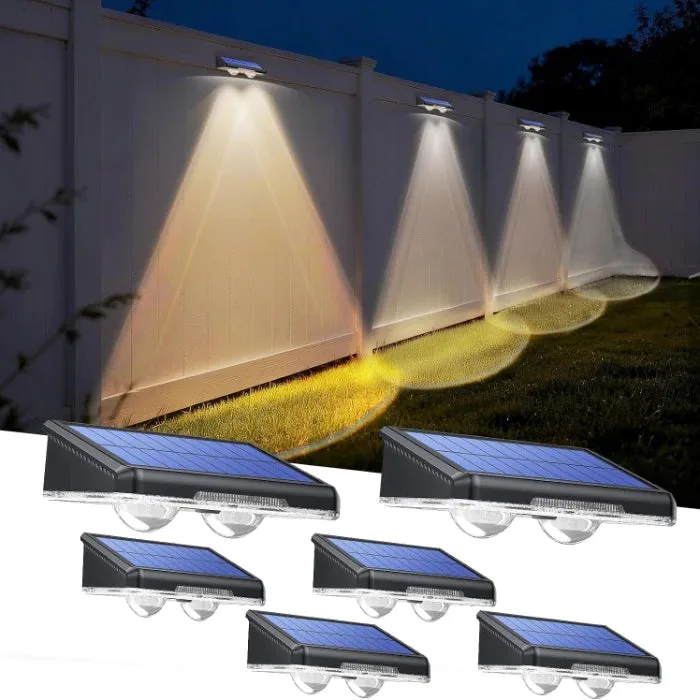
TECKNET 3-Color Solar Fence & Accent Lights TK-SL007