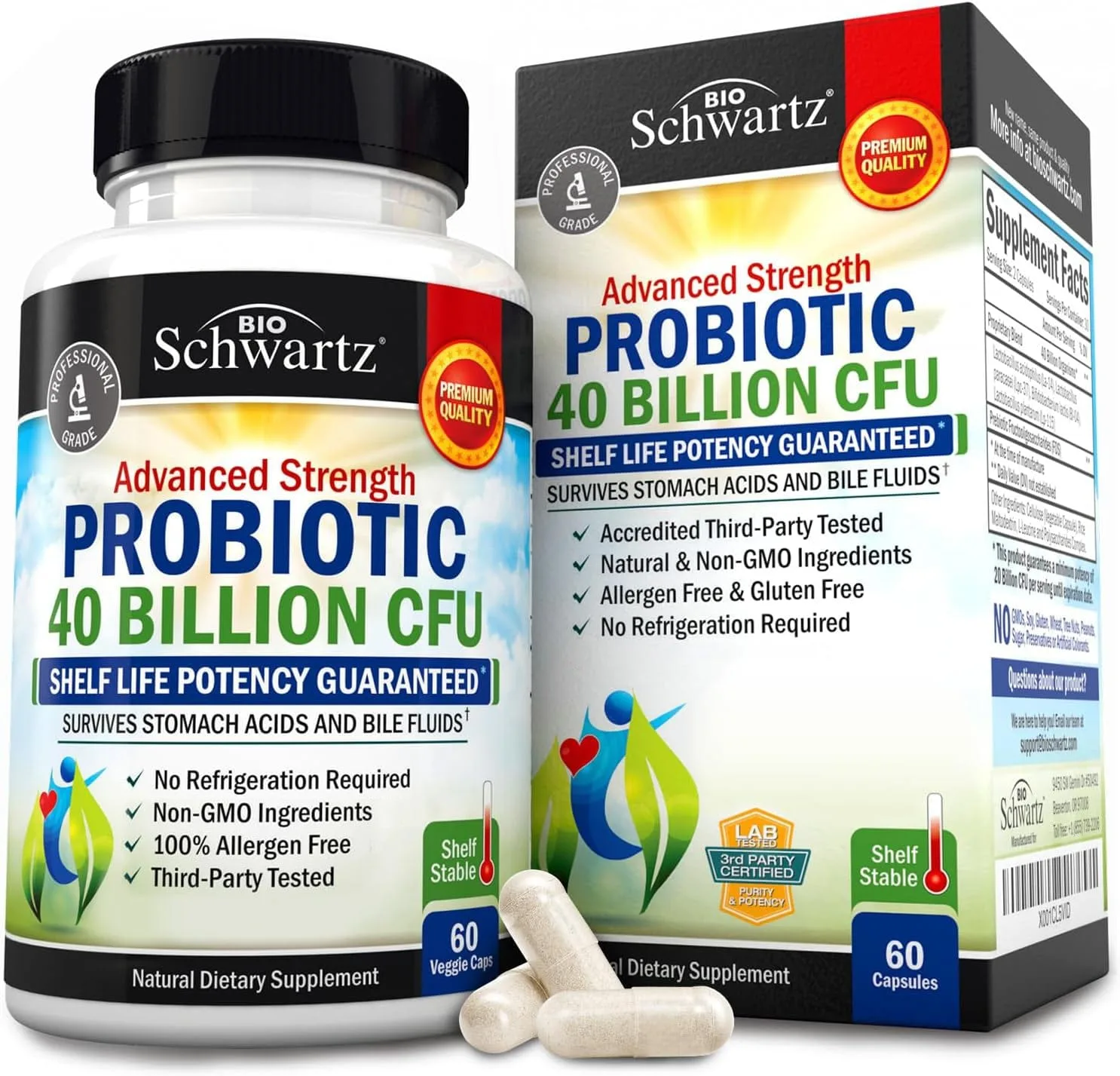
Probiotics are live microorganisms that can offer a range of health benefits, especially for your digestive system. But simply taking a probiotic supplement isn't always enough—how you take it and what you eat alongside it can significantly impact its effectiveness. If you're using Primal Probiotics, you're already on the right track, but to truly maximize the benefits, you need to consider prebiotics and your overall diet.
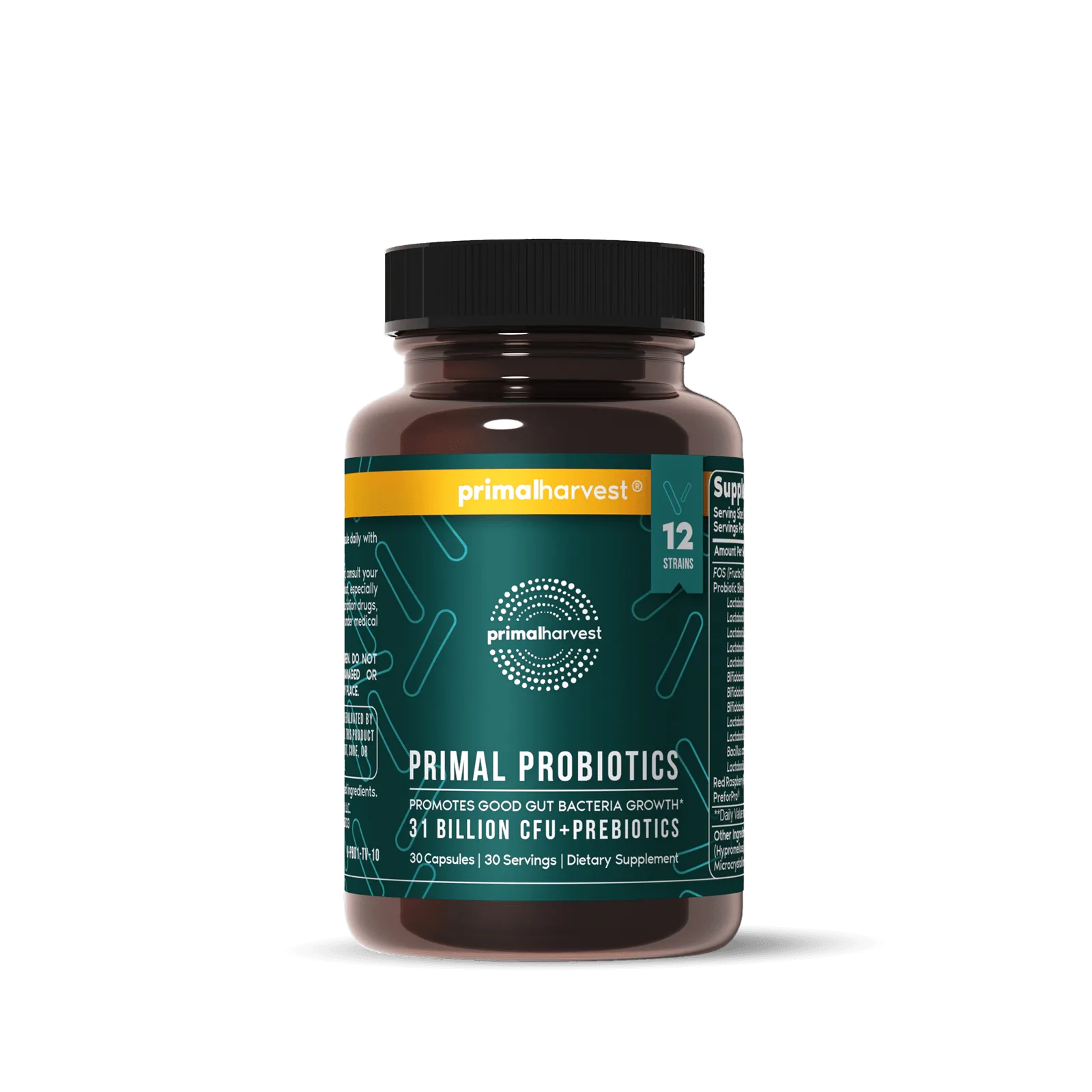
Primal Probiotics
In this guide, we'll explore practical tips for getting the most out of your probiotic supplement. From pairing it with prebiotic-rich foods to timing your intake correctly, these strategies can help you support a thriving gut microbiome and improve your overall well-being.
Why Prebiotics Matter for Probiotic Effectiveness
Prebiotics are types of fiber that feed the beneficial bacteria in your gut. Think of probiotics as the seeds you plant, and prebiotics as the fertilizer that helps them grow. Without an adequate supply of prebiotics, the probiotics you consume may not thrive or colonize your gut effectively, reducing their potential benefits.
Common prebiotic foods include garlic, onions, bananas, oats, apples, and asparagus. These foods contain inulin, fructooligosaccharides (FOS), and other fibers that your body can't digest but your gut bacteria love. By incorporating these into your daily meals, you create a welcoming environment for the probiotic strains in your supplement to flourish.
- Add a banana to your morning cereal or smoothie.
- Use garlic and onions as flavor bases in soups and stir-fries.
- Snack on raw asparagus with hummus or add it to salads.
Pairing Primal Probiotics with Prebiotic-Rich Meals
To enhance the survival of the beneficial bacteria in your gut, consider taking your Primal Probiotics supplement alongside a meal that contains prebiotic fiber. This not only protects the probiotics from stomach acid but also provides them with immediate fuel to start colonizing.
For example, a breakfast of oatmeal topped with sliced banana and a drizzle of honey is an excellent prebiotic-rich meal. Pair it with your morning dose of Primal Probiotics for a synergistic effect. Alternatively, a lunch of grilled chicken with a side of garlic-sautéed asparagus can serve the same purpose.
- Oatmeal with banana and honey for breakfast.
- Grilled chicken with garlic-sauteed asparagus for lunch.
- A salad with raw onions and apples as a snack.
Timing Your Probiotic Intake for Best Results
When you take your probiotic can influence how many beneficial bacteria survive the journey through your digestive tract. Most experts recommend taking probiotics on an empty stomach or just before a meal, as stomach acid levels are lower at these times, which helps more live bacteria reach your intestines.
However, if you find that taking Primal Probiotics on an empty stomach causes discomfort, you can take it with a light, non-acidic snack like a piece of toast or a handful of almonds. Consistency matters more than perfection—choose a time you can stick to daily, whether it's first thing in the morning or right before bed.
- Take your probiotic 20-30 minutes before breakfast.
- If fasting is uncomfortable, pair it with a small snack.
- Set a daily reminder to maintain consistency.
Dietary Habits That Support a Healthy Gut Microbiome
Beyond prebiotics, your overall dietary patterns play a crucial role in gut health. A diverse diet rich in whole foods—fruits, vegetables, legumes, and fermented foods—naturally supports a wider variety of beneficial bacteria. Fermented foods like yogurt, kefir, sauerkraut, and kimchi are also excellent sources of probiotics and can complement your supplement.
On the flip side, a diet high in processed foods, refined sugars, and artificial sweeteners can harm your gut microbiome. These foods can feed harmful bacteria and yeast, leading to an imbalance. Aim to limit these while focusing on nutrient-dense, fiber-rich foods to create an optimal environment for your probiotic to work.
- Incorporate fermented foods like yogurt or kimchi into your meals.
- Choose whole grains over refined grains for more fiber.
- Limit sugary drinks and processed snacks.
Lifestyle Factors: Stress, Sleep, and Hydration
Your gut and brain are connected through the gut-brain axis, so stress and sleep can directly impact your digestive health. Chronic stress can alter gut motility and increase inflammation, making it harder for probiotics to thrive. Prioritizing stress-reducing activities like meditation, deep breathing, or gentle yoga can support your gut health.
Adequate sleep is also essential, as your gut microbiome follows a circadian rhythm. Poor sleep can disrupt this balance, reducing the effectiveness of your probiotic. Additionally, staying well-hydrated helps maintain the mucosal lining of your intestines, which supports beneficial bacteria. Don't forget to drink plenty of water throughout the day.
- Practice 5-10 minutes of deep breathing or meditation daily.
- Aim for 7-9 hours of quality sleep each night.
- Drink at least 8 glasses of water a day to support digestion.
Tracking Progress and Adjusting Your Approach
Everyone's gut is unique, so it may take some experimentation to find what works best for you. Keep a simple journal to note how you feel after starting Primal Probiotics, including any changes in digestion, energy, or mood. This can help you identify patterns and adjust your diet or timing accordingly.
If you experience persistent discomfort or no noticeable benefits after several weeks, consider consulting a healthcare professional. They can help determine if a different probiotic strain or dosage might be more suitable for your needs. Remember, consistency and patience are key when it comes to gut health improvements.
- Track daily symptoms and meals in a journal.
- Give your probiotic at least 4-6 weeks to show effects.
- Consult a healthcare provider if you have concerns.
Maximizing the benefits of Primal Probiotics involves more than just taking the supplement—it's about creating a supportive environment through prebiotics, a healthy diet, and good lifestyle habits. By incorporating these tips into your routine, you can help your gut microbiome thrive and enjoy better digestive health and overall well-being. Remember to pair your supplement with prebiotic-rich foods, stay consistent, and listen to your body's signals.