The mistakes that matter most
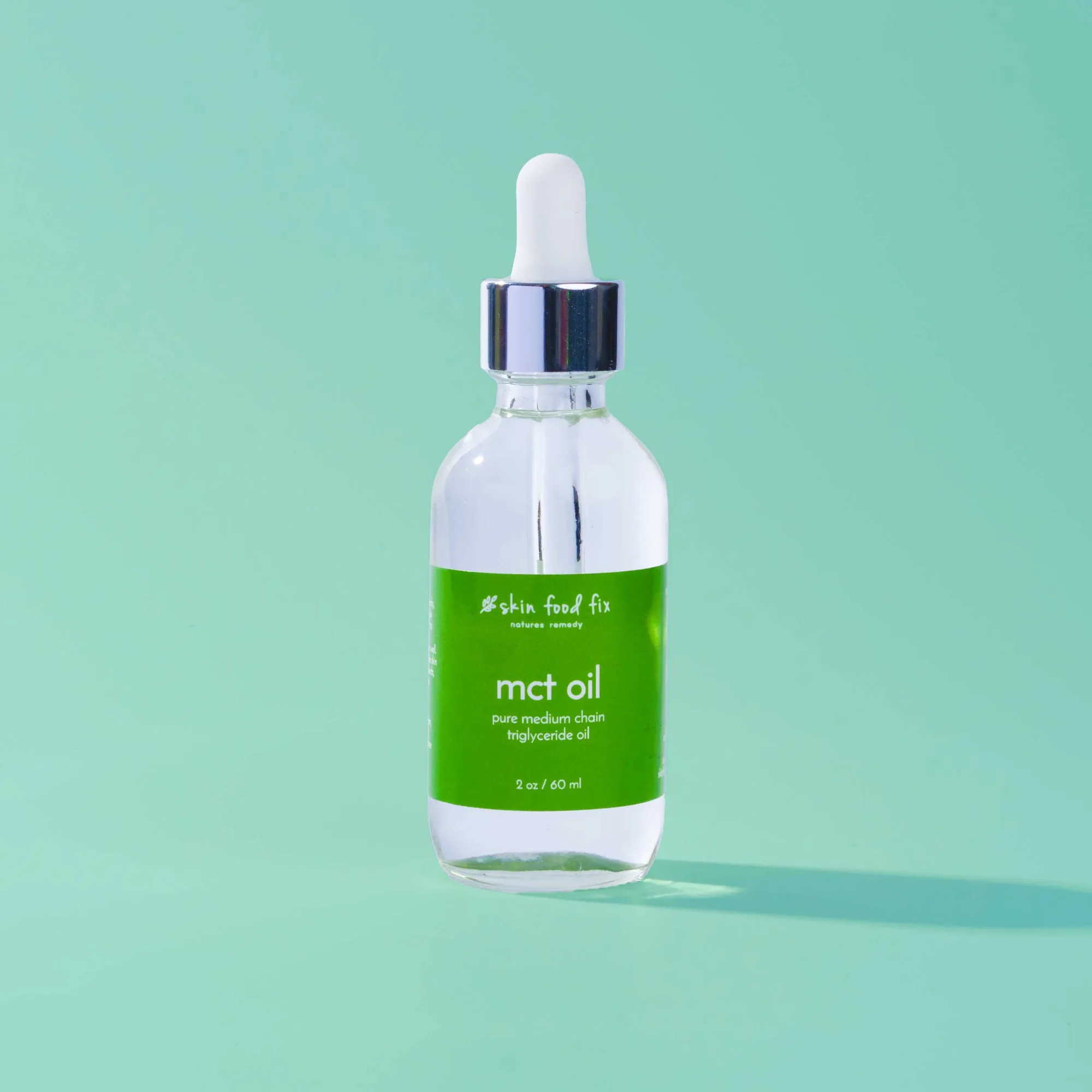
MCT Oil Face, Body, Hair is a thin, light plant oil made from caprylic (C8) and capric (C10) fatty acids. The record describes it as fast-absorbing and moisturizing with no greasy or heavy feel, and suitable for face, body, hair, and lips. Most problems people run into come from treating it like a heavy butter or assuming it behaves exactly like coconut oil.
The biggest practical mistakes are using too much, skipping a patch test, and expecting it to replace a full routine. The record also notes that if your skin is dry, the oil may be enough, but you may want to use it alongside other moisturizers. That is a fit question, not a failure of the oil.
Five habits worth correcting
- Pouring instead of counting drops: The oil cleansing instructions in the record call for 4 drops massaged lightly for 1 minute, then removed with a warm wet washcloth on both sides. Starting with drops rather than a free pour keeps the light texture from turning into a slippery mess.
- Assuming light means invisible on hair: The record lists hair as a use, but does not give a hair-specific quantity. Start with a small amount on ends or dry areas and build up, rather than coating the scalp.
- Using it as a substitute for sunscreen or treatment: The record does not describe MCT oil as sun protection or as a treatment for any condition. The disclaimer states it is not intended to diagnose, treat, cure, or prevent any disease or condition.
- Ignoring the pH context: The record notes that malassezia and folliculitis thrive at pH 5.5 to 7.5, while healthy skin sits around 4.5, and recommends proper skincare with pH between 3 and 5. MCT oil is not a pH adjuster; it is one part of a routine that should stay in that range.
- Skipping the patch test: The record does not include a patch-test instruction, but given the list of known irritants and the skin conditions mentioned, testing a small area first is a reasonable precaution before using any new oil on the face.
Does MCT oil clog pores?
The record does not make a comedogenicity rating or a "non-comedogenic" claim. What it does say is that the oil is thin, light, absorbs fast, and has no greasy or heavy feel, and that if your skin is oily or acne-prone it would be all you need for moisture morning and night. That is a texture and fit statement, not proof that it cannot clog pores.
The honest answer is that the supplied information does not settle the pore-clogging question either way. If you are acne-prone, treat the first week as a trial: use a small amount, keep the rest of your routine stable, and watch for new bumps rather than assuming the oil is innocent or guilty.
MCT oil vs coconut oil: why they are not interchangeable
A common hair myth is that any coconut-derived oil behaves the same. The record explains that MCT oil is made from caprylic (octanoic) and capric (decanoic) acid, two fatty acids outside the C11-24 range. That is why the record says it does not cause problems for those with malassezia, while coconut oil is not described that way in the supplied information.
The record also lists known irritants for malassezia, including several ingredients that appear in ordinary creams and cleansers, such as glyceryl stearate, isopropyl myristate, and PEG-100 stearate. The takeaway is not that coconut oil is bad; it is that "coconut oil" and "MCT oil" are different fatty acid profiles, and the record only supports the malassezia-friendly claim for the C8-C10 oil.
What the product record actually confirms
-
MCT Oil Face, Body, Hair: Organic natural pure plant oil with a caprylic and capric (C8-C10) molecule chain. This is the basis for the malassezia-friendly claim and the main difference from coconut oil.
MCT Oil Face, Body, Hair
-
MCT Oil Face, Body, Hair: Thin, light, absorbs fast, and moisturizing with no greasy or heavy feel. Explains why it suits oily and acne-prone skin as a sole moisturizer, and why a little goes a long way.
-
MCT Oil Face, Body, Hair: For oily or acne-prone skin, the record says this would be all you need for moisture morning and night. Sets a realistic expectation: you do not need to stack it under a heavy cream if your skin is already oily.
-
MCT Oil Face, Body, Hair: For normal skin, the record says it will be perfect but you may want to add a cream during winter months. A reminder that the oil is not a year-round one-step routine for everyone.
-
MCT Oil Face, Body, Hair: Oil cleansing method: apply 4 drops, massage lightly for 1 minute, then remove with a warm wet washcloth on both sides. Gives a concrete starting quantity instead of guessing, and confirms it can be used near the eyes.
Carrier oil mistakes: dilution and layering
The record does not describe MCT oil as a carrier oil for essential oils, and it does not give a dilution ratio. If you want to use it that way, the supplied information does not confirm a safe ratio, so treat any specific dilution advice as coming from elsewhere, not from this product record.
What the record does support is a simple face routine: cleanse, follow with a toner, then use a drop of the oil. It also notes that if you are oily-acne prone you may want to cleanse again with your cleanser of choice, and that double cleansing is not necessary but some prefer it. Those are the layering steps the record actually gives.
Hair myths and what the record leaves open
The record lists hair as a use and says anyone can use the oil on face, body, hair, lips, and in particular it is one of the few things a person with malassezia folliculitis can use. It does not give a hair-specific application method, frequency, or amount.
The lifestyle notes in the record include keeping hair very clean and washed daily and avoiding synthetic perfumes and body sprays. Those are general habits, not a hair-oil protocol. If you are using the oil on hair, the record supports the ingredient fit but not a step-by-step styling routine.
Where the evidence stops
The record does not include a comedogenicity rating, a patch-test instruction, a dilution ratio, or hair-specific quantities. It also does not promise that the oil will clear folliculitis, acne, psoriasis, or eczema; the disclaimer explicitly says it is not intended to diagnose, treat, cure, or prevent any disease or condition.
That leaves a clear boundary: use the oil for the light moisture and cleansing steps the record describes, keep the rest of your routine in the pH range the record recommends, and check with a professional for any skin condition that is spreading, painful, or not improving.