Quick answer
Choose the Medical Set when you want a child to rehearse caregiving, examination, and recovery sequences with a portable kit. Choose the Police Car when you need a durable, open-ended vehicle that fits rescue scenarios and small-hand handling.
Why the two themes lead to different play
Medical play tends to follow a sequence: greet the patient, examine, treat, and reassure. Rescue play with a vehicle tends to follow movement and response: arrive, assess, and act. The Medical Set supplies the tools for the first sequence, while the Police Car supplies a moving prop for the second.
That difference matters in therapy because a child who struggles with turn-taking may do better with a vehicle they can direct alone, while a child working on nurturing or body awareness may need the medical tools to act out care.
The trade-off: depth versus durability
The Medical Set gives you more roles and language prompts because it includes six pretend tools and a carry case. The trade-off is that pretend tools invite more adult scaffolding and may need tidying between sessions.
The Police Car is die cast metal and 4.5 inches long, so it stands up to repeated floor play and fits small hands. The trade-off is that it offers fewer built-in play steps, so the adult or child must supply the rescue narrative.
When a mixed kit makes sense
You do not have to pick one theme permanently. A small combined kit lets a child call for help with the Police Car and then treat the patient with the Medical Set, which can reveal how the child sequences help-seeking and caregiving. Keep the two items in separate bins if you want to observe which theme the child chooses without prompting.
Trade-offs to weigh before you choose
- Play sequence support: The Medical Set supplies six tools that prompt examination and treatment steps; the Police Car supplies one vehicle that prompts movement and response but leaves the story to the child. Pick the kit if the child needs concrete prompts; pick the car if the child already builds stories independently.
- Durability and handling: The Police Car is die cast metal and 4.5 inches long, sized for small hands; the Medical Set's pretend tools and carry case are better suited to tabletop or case-based play. Choose the car for rough-and-tumble floor play; choose the medical kit for calmer tabletop sessions.
- Storage and portability: The Medical Set includes a carry case for its tools, while the Police Car is a single compact item with no separate storage supplied. If you travel between rooms or sites, the medical kit keeps its parts together; the car is easier to pocket but has no case.
Product facts at a glance
-
Police Car: Die cast metal construction, 4.5 inches long, classic police car design. The metal body and small size suit repeated floor play and fit easily into rescue scenes with other miniature cars.
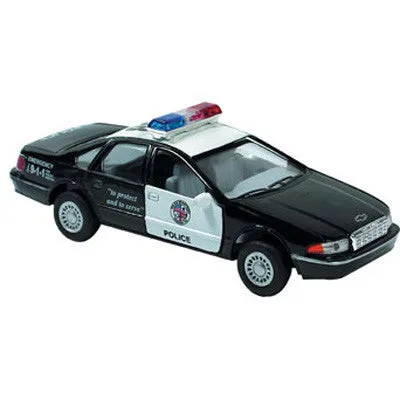
Police Car
-
Medical Set: Classic medical case with 6 pretend play medical tools and a carry case. The included tools and case support sequenced doctor play and make cleanup or travel between sessions easier.
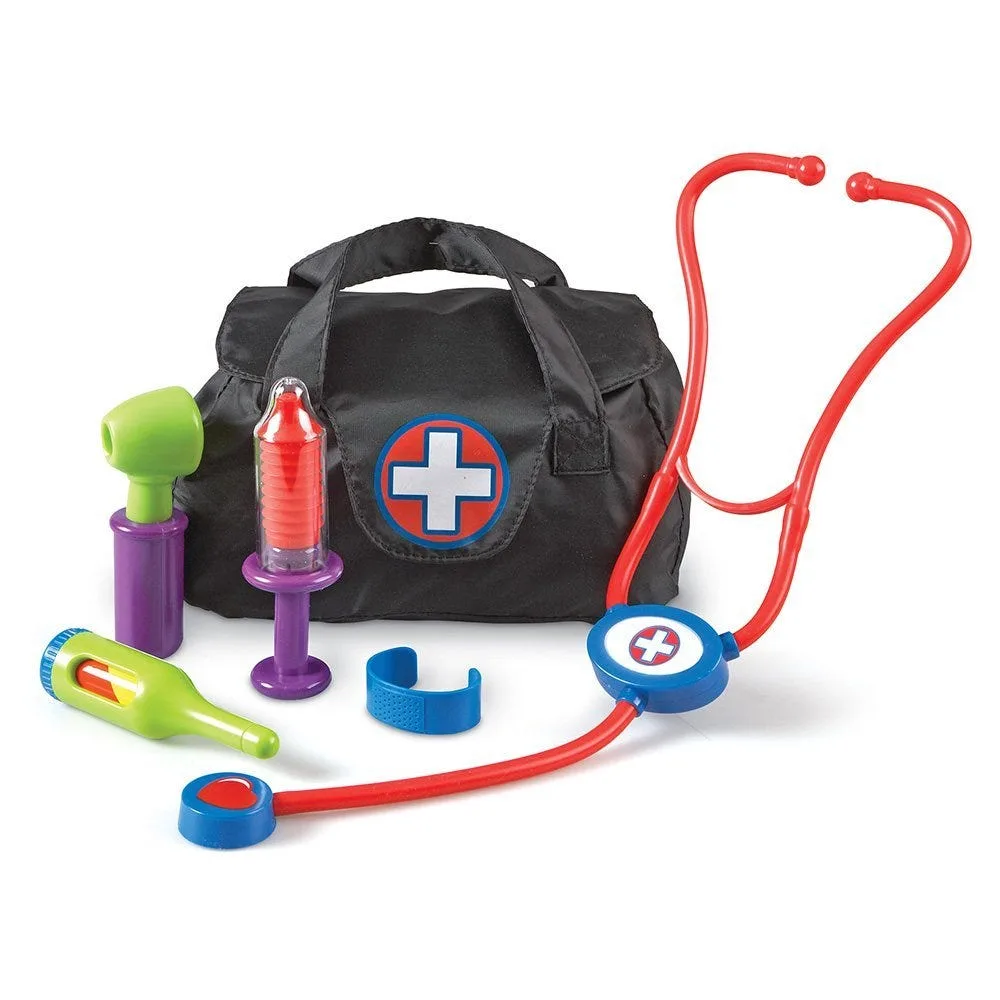
Medical Set
Which child or setting fits which option
Best for
- Children who need structured prompts for caregiving or medical-fear play
- Therapists who want a portable, self-contained kit for tabletop sessions
Not for
- Children who prefer open-ended vehicle play with no scripted steps
- Settings where small pretend tools are likely to be lost or mouthed