When you start a meditation practice, one of the first practical questions is where to sit. The two most common options are a meditation cushion and a meditation chair. Each offers distinct benefits for posture, comfort, and focus. Understanding the differences can help you make the right choice for your body and practice.
In this guide, we compare meditation cushions and chairs, discussing their effects on posture, comfort, and meditation depth. We'll also provide tips to help you decide which is better for your unique needs.
Why Your Meditation Seat Matters
Your meditation seat is more than a comfort accessory—it directly influences your posture, breathing, and ability to sit still. A good seat aligns your spine, opens your chest, and reduces pressure on your knees and ankles. Poor support can lead to discomfort, restlessness, and even pain, which distracts from your practice.
Both cushions and chairs aim to elevate your hips and support a stable base. However, they achieve this differently. Cushions encourage a cross-legged position, while chairs offer a more upright, supported posture. Your choice should reflect your flexibility, physical condition, and personal preference.
- Proper alignment of the spine is crucial for long sits.
- Elevating the hips helps tilt the pelvis forward, reducing lower back strain.
Meditation Cushion Benefits: Flexibility and Tradition
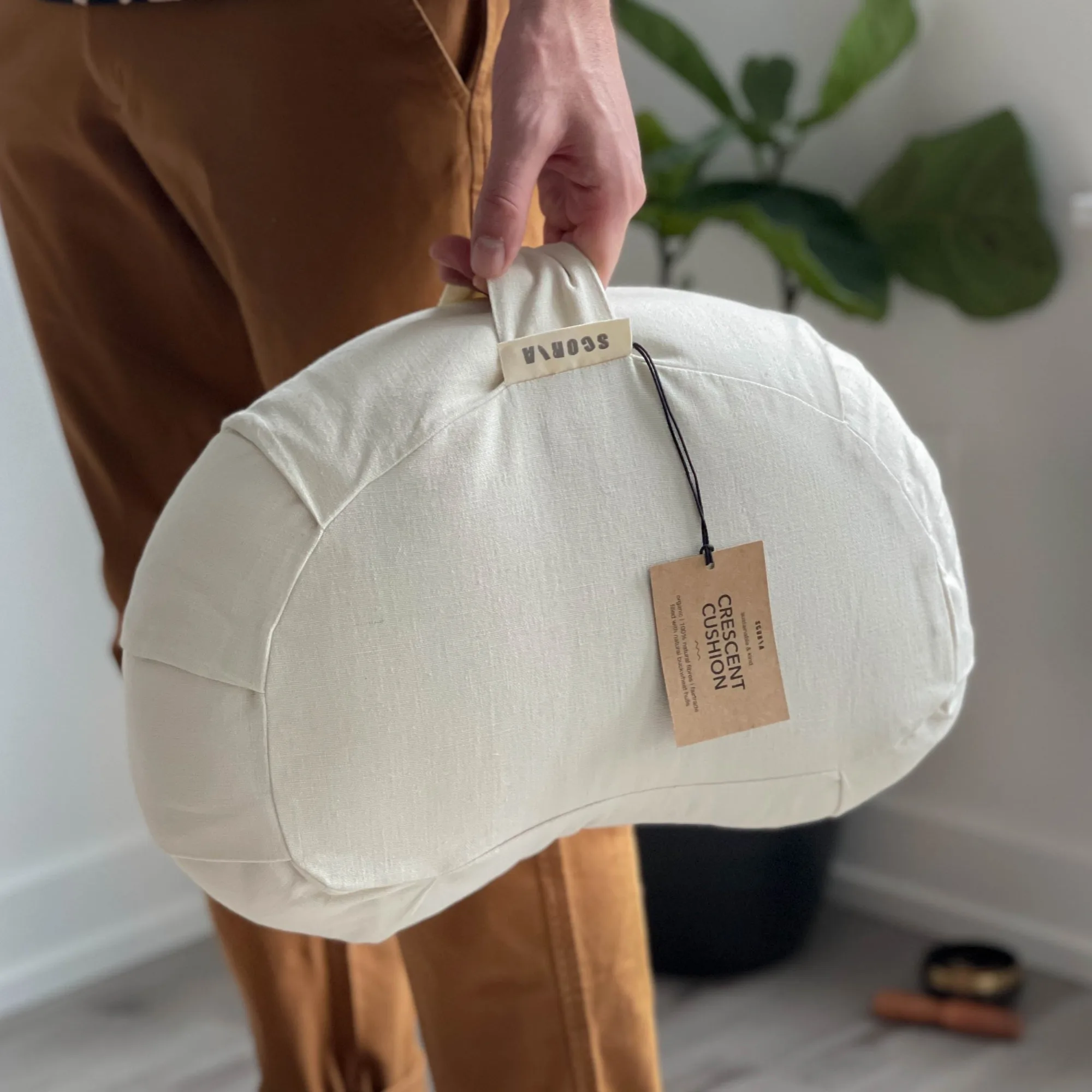
Meditation cushions, such as zafus and zabutons, are traditional supports used in many contemplative traditions. They are designed to be used on the floor, allowing you to sit in a cross-legged position (like Burmese or half-lotus) with your knees lower than your hips. This position promotes a grounded, stable base and can enhance a sense of connection to the earth.
Cushions offer great flexibility: you can adjust them by adding or removing filling, or by using a higher or lower cushion. They are also portable and easy to store. For those with good hip and knee flexibility, a cushion can be incredibly comfortable and supportive, encouraging a naturally erect spine.
- Ideal for practitioners who prefer sitting on the floor.
- Encourages a grounded, stable base and traditional posture.
- Portable and adjustable to suit your body.
Meditation Chair Benefits: Support and Accessibility
Meditation chairs are designed to support an upright seated posture, often with a backrest and sometimes armrests. They are excellent for individuals with knee or hip issues, or for those who find floor sitting uncomfortable. A chair allows your feet to rest flat on the floor, which can be grounding and stable.
Chairs are also more accessible for beginners, seniors, or anyone with limited flexibility. They provide immediate back support, helping you maintain a straight spine without straining. Many meditation chairs are ergonomically designed to encourage proper alignment, making them a practical choice for longer sessions.
- Great for those with physical limitations or discomfort on the floor.
- Provides back support and promotes an upright posture.
- Easier for beginners to transition into meditation.
Posture and Comfort: How They Compare
Posture is the foundation of a good meditation seat. With a cushion, your pelvis is elevated, which helps tilt the pelvis forward and maintain the natural curve of the lower spine. However, if you lack flexibility, you may find yourself leaning back or slouching, which can cause back pain. A chair naturally supports your back, but you must be careful not to slouch or rely too heavily on the backrest.
Comfort is subjective. Some meditators love the grounding feeling of a cushion, while others find chairs more comfortable for long sits. The key is to test both and notice how your body feels during and after practice. Remember, the goal is to be comfortable enough to forget your body and focus your mind.
- Cushions require more flexibility in the hips and knees.
- Chairs offer more support but may encourage slouching if not used mindfully.
How to Choose: Meditation Cushion or Chair?
Choosing between a cushion and a chair depends on your body, experience, and meditation goals. If you are flexible and enjoy traditional floor sitting, a cushion may be perfect. If you have physical limitations or prefer more support, a chair is a better choice. Consider your meditation space: a cushion is great for a minimalist setup, while a chair might fit better if you need back support.
You can also combine both: use a cushion on a chair to elevate your hips, or use a chair with a small cushion for extra comfort. Remember, the best seat is the one that allows you to sit comfortably and alertly for your entire session.
- Assess your flexibility and any physical conditions.
- Think about the length of your meditation sessions.
- Consider your meditation space and portability needs.
Enhancing Your Meditation Space
Once you've chosen your seat, you can enhance your meditation space with supportive accessories. A singing bowl can mark the beginning and end of your practice, creating a soothing ritual. Similarly, using a high-quality incense burner can fill your space with calming aromas, helping you focus.
For example, the 5.5 Inch Tibetan Singing Bowl Set is a popular choice for its clear, resonant sound, perfect for starting or ending meditation. To create a serene atmosphere, the ZenBless 5 in 1 Incense Holder Burner allows you to burn incense sticks, cones, or palo santo, adding a sensory layer to your practice.
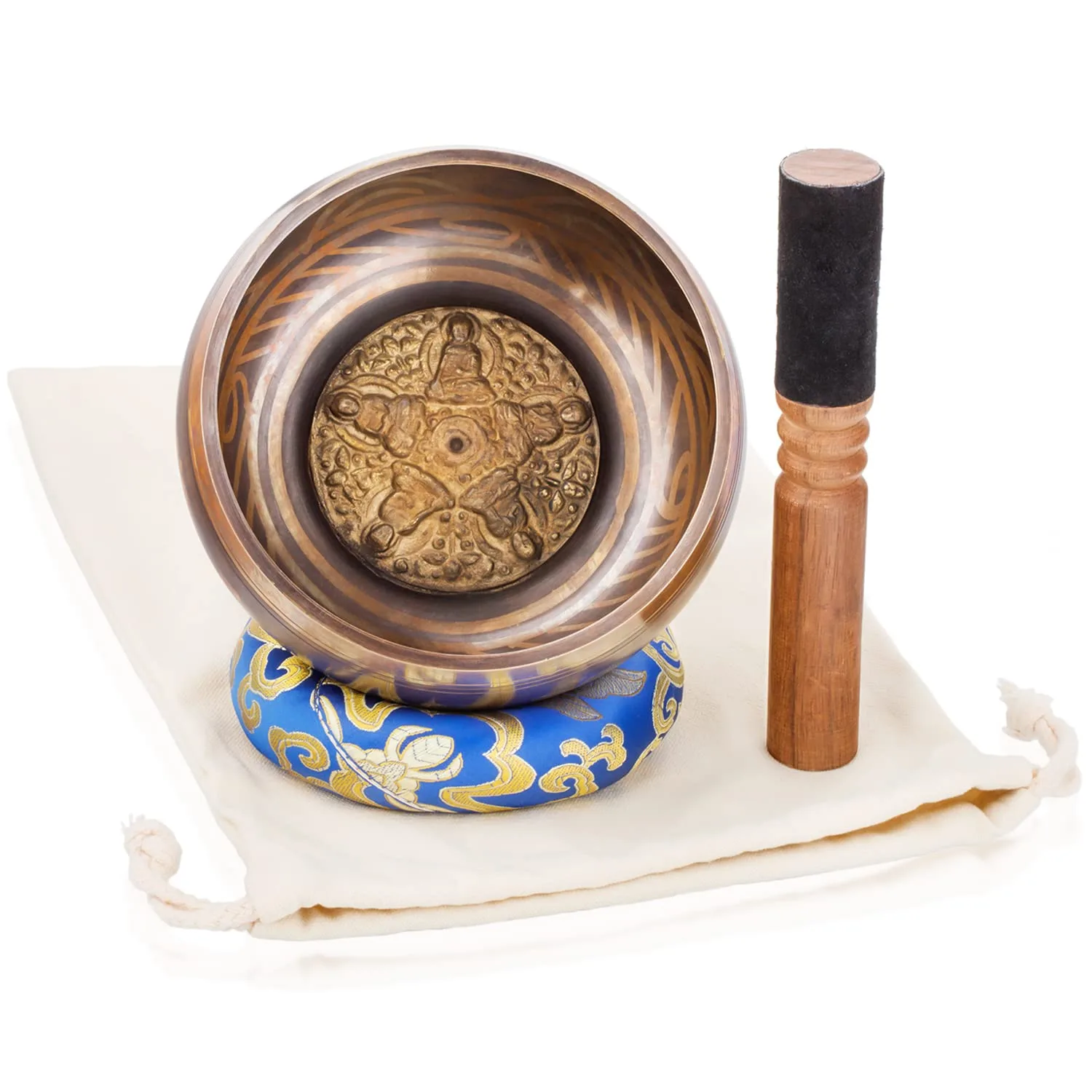
5.5 Inch Tibetan Singing Bowl Set
- Incorporate a singing bowl for sound-based focus.
- Use incense to enhance relaxation and mindfulness.
Ultimately, the choice between a meditation cushion and a chair is personal. Both can support a deep and rewarding practice. Listen to your body, experiment with both, and choose the one that helps you sit with ease and stability. Remember, the best seat is the one that allows you to be present.