Start with the vase, then choose what goes in it
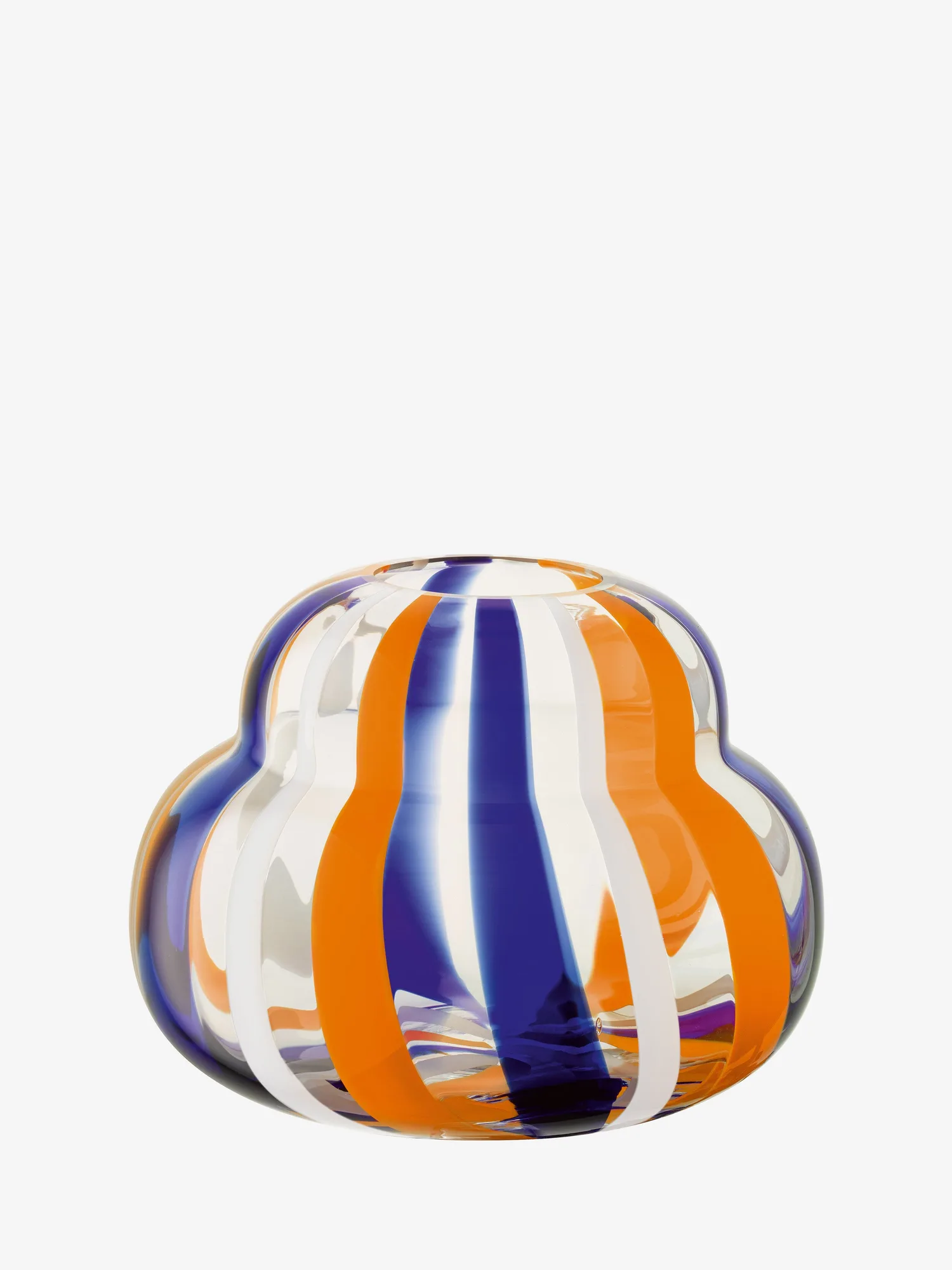
A medium vase is a versatile size for everyday display, but the best results come from matching the contents to the vase's character rather than forcing a style that fights it. The LSA International Folk vase is mouth-blown glass with a folk-inspired pattern and a rounded silhouette. That rounded form and patterned surface give you a clear starting point: the vase can hold flower heads or foliage, or stand on its own as a decorative object.
Because the supplied information does not include a measured height, rim diameter or neck width, treat the guidance below as a way to work with the vase in front of you. Check stem length and bunch size against your own vase before committing to a full arrangement.
The vase this guide is written around
-
Vase: Mouth-blown glass construction with a folk-inspired pattern and a rounded silhouette. The pattern adds visual interest even before flowers go in, so you can keep the arrangement simple and let the glass do some of the work.
Vase
-
Vase: Part of the LSA International Folk collection and described as an award-winning design. If you are building a coordinated display, this tells you the vase belongs to a wider collection rather than standing alone.
How to style a medium vase in three passes
Work in passes rather than trying to perfect the arrangement in one go. Each pass has a different job.
- 1. Set the empty vase where it will live: Place the vase on the table, shelf or windowsill first. The supplied information lists these three surfaces as suitable spots, and judging the empty vase in position helps you see how much visual weight the arrangement needs.
- 2. Add the main stems or flower heads: Start with the largest or most prominent element. The Folk vase is described as ideal for flower heads or foliage, so you can choose a dense head-led look or a looser foliage-led one. Keep stem length in proportion to the vase you have rather than cutting to a fixed measurement.
- 3. Fill the gaps and check the silhouette: Step back and look at the rounded form of the vase against the shape of the arrangement. Add smaller stems or leaves where the display looks sparse, and remove anything that hides the folk-inspired pattern completely.
Medium vase flower ideas that suit a rounded, patterned form
The supplied product information does not name specific flower varieties, so these are general approaches rather than a prescribed planting list. Choose stems that are available to you and check their length against your vase.
- Flower heads grouped closely: A tight cluster of rounded flower heads echoes the rounded silhouette of the vase and keeps the display compact for a table or shelf.
- Foliage-led display: Leafy stems alone can carry the arrangement when you want a quieter look that lets the folk-inspired pattern remain visible.
- Mixed heads and foliage: Combine both if you want color and texture. Keep the taller material toward the center so the arrangement does not tip visually to one side.
Branch arrangement in a vase: what to consider
Branches behave differently from soft stems because they are rigid and often top-heavy. The supplied record does not give a maximum stem length or weight limit, so use your own judgment and test the balance before the arrangement is finished.
- Check stability first: Place a single branch in the empty vase and let go gently. If the vase feels unstable, shorten the branch or move the display to a less exposed spot.
- Keep the branch count low: A few branches read more clearly than a crowded bundle, especially in a medium-sized vase with a patterned surface.
- Respect the rounded silhouette: Branches that fan outward can overwhelm a rounded vase. Branches that rise more vertically tend to sit more comfortably with the form.
Medium vase centerpiece ideas for a table
A centerpiece needs to work from every seat, not just from the angle where you arranged it. The supplied information names the table as a suitable placement, so these ideas focus on keeping the display readable around the table.
- Low and even: Keep the arrangement low enough that it does not block sightlines across the table. Since no height is supplied for the vase, check this by sitting at each seat with the arrangement in place.
- One vase, one focus: Let the Folk vase be the single decorative element on the table rather than adding competing centerpieces.
- Repeat on a shelf instead: If a table centerpiece feels crowded, the same arrangement can move to a shelf where sightlines are less of a concern.
Vase height for table display: what the supplied information does and does not settle
The product record does not include a measured height for the LSA International Folk vase, so there is no supplied figure to quote for table display. Rather than guess, use a simple physical check: place the vase on the table, sit at each seat, and confirm you can see the people across from you. If the arrangement blocks the view, shorten the stems or move the vase to a shelf or windowsill.
The same applies to rim width and neck opening. Without those measurements, judge how many stems the vase holds comfortably by testing a few at a time rather than following a fixed stem count.
Displaying the vase on its own
The Folk vase is described as suitable for display on its own, which makes it a useful option when you want the glass pattern to be the whole story. On a shelf or windowsill, an empty vase can hold its place between other objects without needing constant refreshing. If you display it empty, keep it away from spots where it might be knocked, and check the surface is stable before leaving it in place.
Checkpoints before you commit to a spot
- Surface stability: Confirm the table, shelf or windowsill is level and can hold the filled vase without wobbling.
- Sightlines: For a table centerpiece, sit at each seat and check the arrangement does not block the view.
- Light and heat: The supplied information does not give care instructions, so avoid placing the vase where it will be exposed to conditions you would not choose for glassware generally.
- Pattern visibility: Decide whether you want the folk-inspired pattern to show through the arrangement or be partly hidden. Adjust stem density accordingly.