Choosing the right dinnerware material for everyday use can feel overwhelming with so many options on the market. Melamine, stoneware, and porcelain each offer distinct benefits in terms of durability, weight, heat retention, and aesthetic appeal. Whether you're outfitting a busy family kitchen, hosting casual dinners, or building a versatile tabletop collection, understanding the differences between these three popular materials is essential.
In this guide, we'll break down the pros and cons of melamine, stoneware, and porcelain for daily dining. You'll learn how each material performs in terms of chip resistance, microwave safety, dishwasher compatibility, and overall longevity. By the end, you'll know exactly which dinnerware material suits your lifestyle and budget.
Melamine Dinnerware: Lightweight and Virtually Unbreakable
Melamine is a synthetic resin that produces extremely durable, lightweight dinnerware. It's a top choice for outdoor dining, families with young children, and anyone prone to dropping plates. Melamine resists chipping, cracking, and breaking far better than ceramic options, making it ideal for high-traffic kitchens or picnics. However, melamine is not microwave-safe and should not be used in conventional ovens, as high heat can cause it to warp or release chemicals.
One of the biggest advantages of melamine is its ability to mimic the look of ceramic or stoneware without the weight or fragility. Many modern melamine sets feature intricate patterns and matte finishes that rival traditional dinnerware. For example, the Dinner Plate Set of 4 offers a sleek, minimalist design that works beautifully for both indoor and outdoor tablescapes. Melamine is also dishwasher-safe, making cleanup effortless after busy meals.
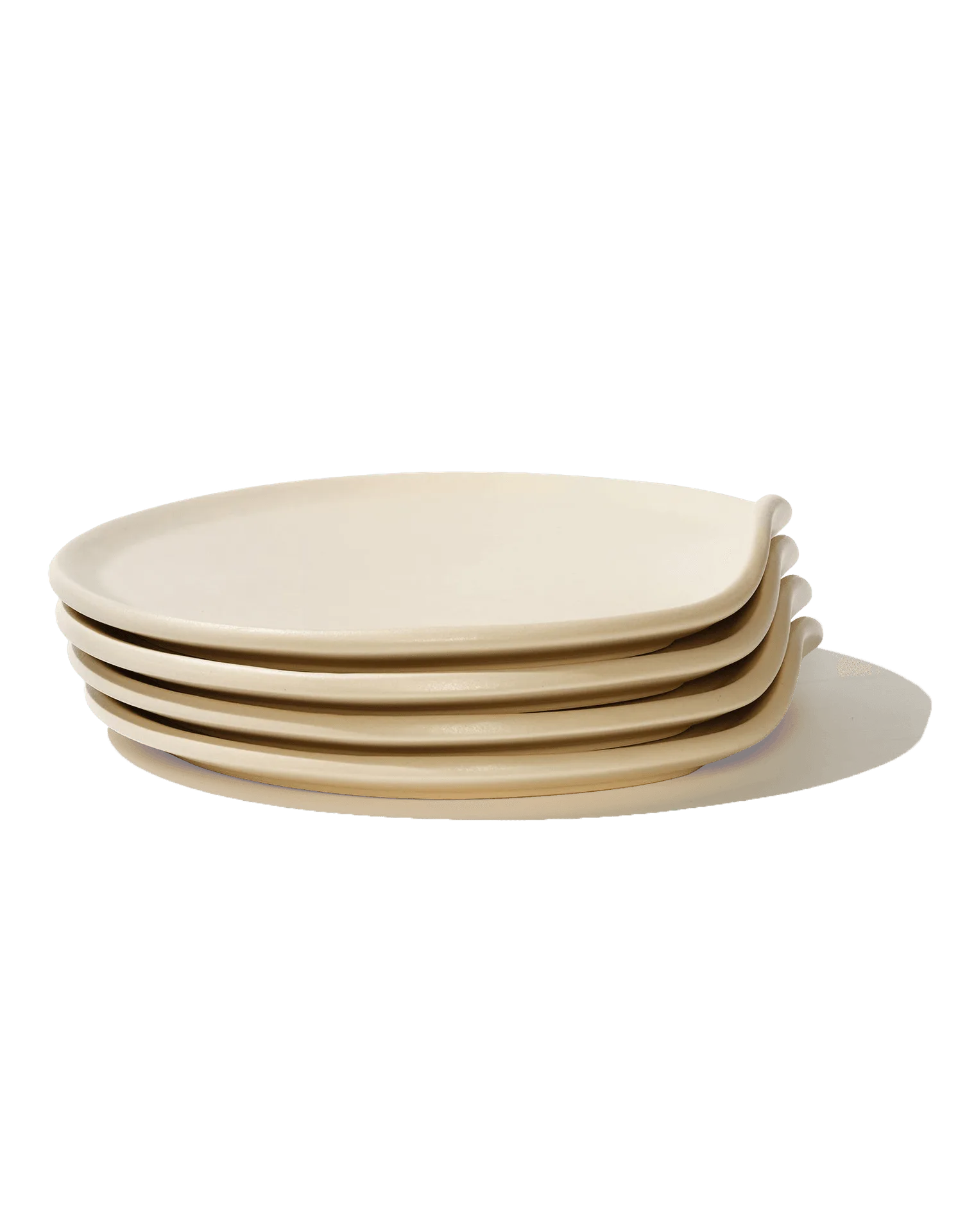
Dinner Plate Set of 4
- Lightweight and easy to handle, especially for children or elderly users
- Highly chip-resistant and shatterproof for long-lasting use
- Not microwave or oven safe — avoid high heat exposure
- Available in a wide range of colors and patterns to suit any decor
Stoneware Dinnerware: Rustic Charm with Everyday Durability
Stoneware is a ceramic material fired at high temperatures, resulting in a dense, durable body that resists chipping and cracking better than earthenware. It has a slightly heavier feel that many people associate with quality and substance. Stoneware is typically microwave and oven safe (check manufacturer guidelines), and most pieces are dishwasher safe. Its natural, earthy appearance makes it a favorite for rustic, farmhouse, or modern minimalist tables.
Stoneware's glazed surface is non-porous, which means it won't absorb odors or stains from foods like tomato sauce or curry. This makes it an excellent choice for everyday use. For a versatile starter set, consider the Dinner Plate Single, which offers a clean, neutral design that pairs well with both casual and formal table settings. Stoneware does require careful handling to avoid thermal shock — avoid moving it directly from the freezer to a hot oven.
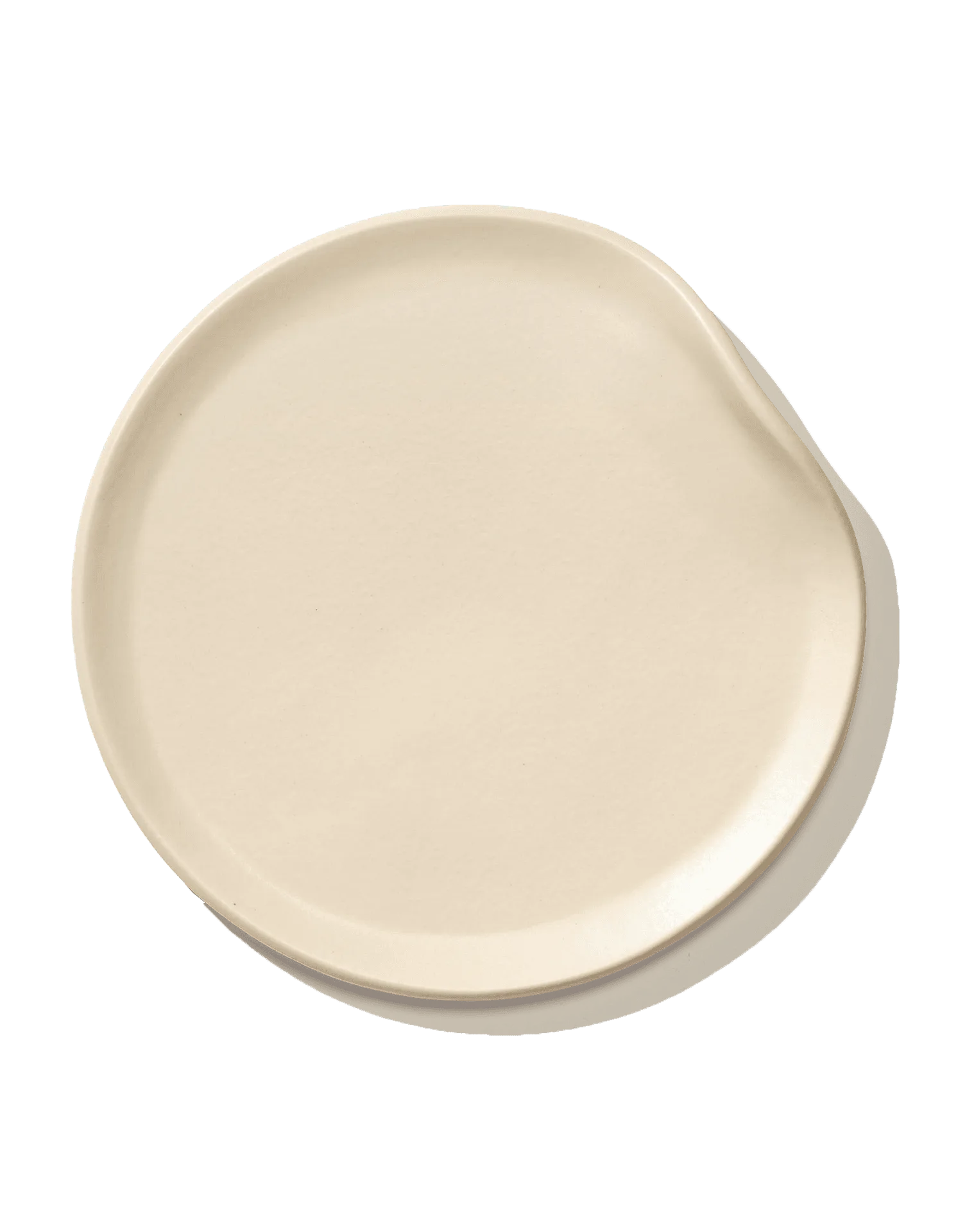
Dinner Plate Single
- Durable and chip-resistant, but heavier than melamine
- Microwave and oven safe (up to 350°F typically)
- Non-porous glaze resists stains and odors
- Prone to thermal shock — avoid extreme temperature changes
Porcelain Dinnerware: Elegant and Chip-Resistant for Daily Dining
Porcelain is a type of ceramic fired at even higher temperatures than stoneware, producing a vitrified, non-porous body that is exceptionally hard and resistant to chipping. It is thinner and lighter than stoneware but still very durable. Porcelain has a smooth, refined finish that lends itself to both classic and contemporary table settings. It is generally microwave, oven, and dishwasher safe, though hand washing is recommended to preserve decorative patterns.
Porcelain's fine appearance doesn't sacrifice practicality — it can withstand daily use and frequent washing. Many porcelain sets are stackable, saving cabinet space. For a sophisticated yet functional option, look for porcelain dinner plates with a subtle rim or embossed detail. Because porcelain is non-porous, it resists staining and scratching better than stoneware. This makes it a smart investment for those who want elegant dinnerware that lasts for years.
- Thinner and lighter than stoneware, yet very durable
- Non-porous surface resists stains, scratches, and odors
- Microwave and oven safe (check temperature limits)
- More expensive than stoneware but offers refined aesthetics
Comparing Melamine, Stoneware, and Porcelain: Key Differences at a Glance
To help you decide which dinnerware material fits your daily needs, here is a quick comparison of the most important factors. Weight, durability, heat tolerance, and care requirements vary significantly between melamine, stoneware, and porcelain. Use this table as a reference when shopping for your next dinner set.
- Melamine: Lightweight, shatterproof, not microwave-safe, dishwasher-safe, best for outdoor and kids
- Stoneware: Medium-heavy, chip-resistant, microwave/oven-safe, dishwasher-safe, rustic look
- Porcelain: Lightweight for its strength, chip-resistant, microwave/oven-safe, dishwasher-safe (hand wash recommended), elegant finish
How to Choose the Best Dinnerware Material for Your Lifestyle
Your choice ultimately depends on how you use your dinnerware. If you frequently dine outdoors, have young children, or need a lightweight option for camping or picnics, melamine is your best bet. It's virtually indestructible and easy to carry. For everyday family meals where you want a balance of durability and aesthetic warmth, stoneware offers excellent value. It's forgiving of minor bumps and adds a cozy, handmade feel to the table.
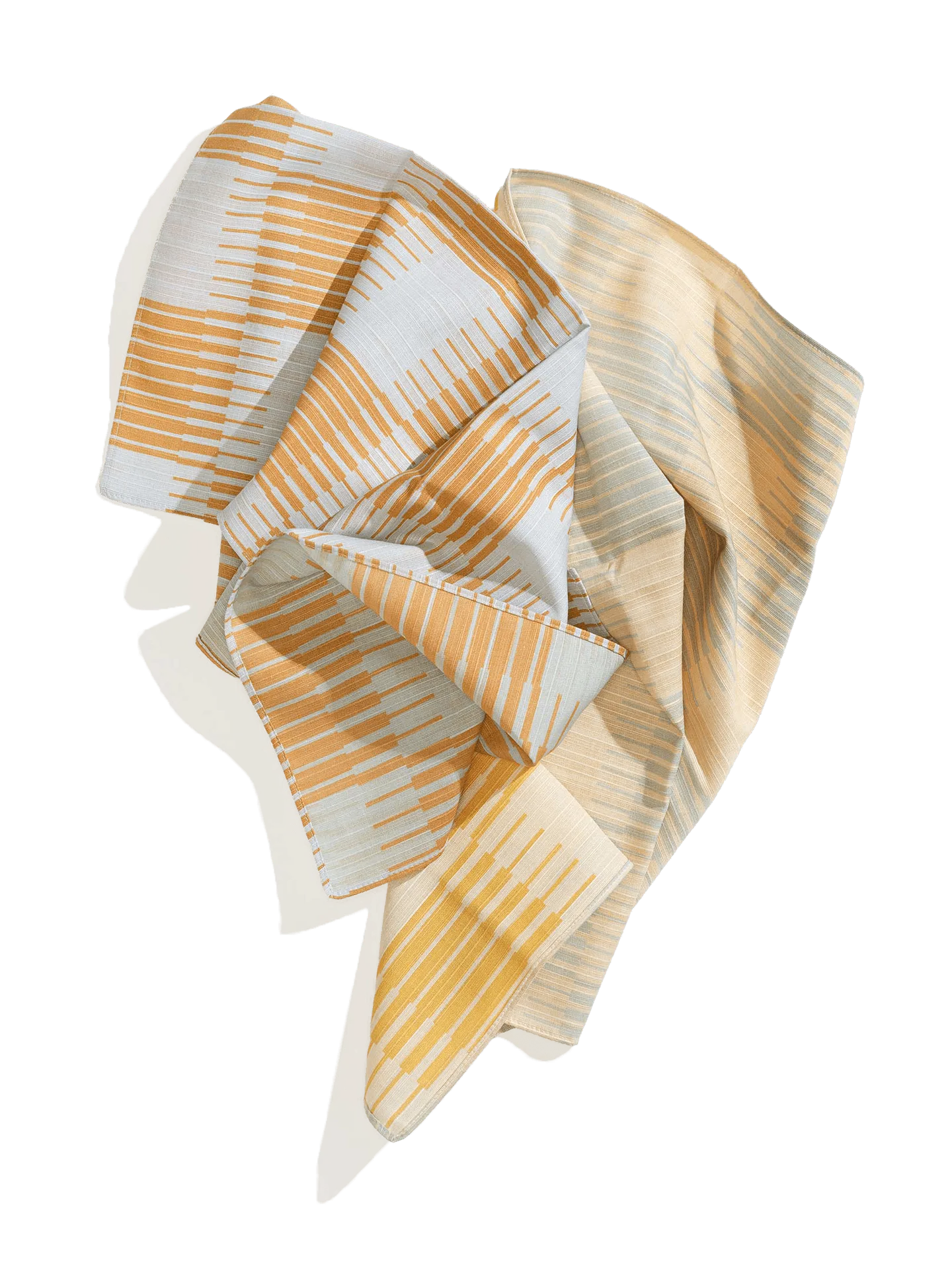
If you love hosting dinner parties or want dinnerware that feels refined yet performs well under daily use, porcelain is worth the investment. Its thin profile and elegant appearance elevate any meal, while its strength ensures longevity. Pair your chosen dinnerware with coordinating linens like the Dinner Napkins Double Sided Stripe - Quiet Season for a cohesive look. No matter which material you select, proper care — such as avoiding sudden temperature changes and using gentle detergents — will extend its life.
- Melamine: Best for outdoor, casual, and child-friendly use
- Stoneware: Ideal for everyday family dining with rustic charm
- Porcelain: Perfect for those who want elegance without sacrificing durability
Whether you lean toward the practicality of melamine, the warmth of stoneware, or the elegance of porcelain, the right dinnerware material can transform your daily meals. Start building your collection with a versatile piece like the Dinner Plate Single, which offers a clean, neutral base for any table setting. Explore our full range of dinnerware to find the perfect match for your home.