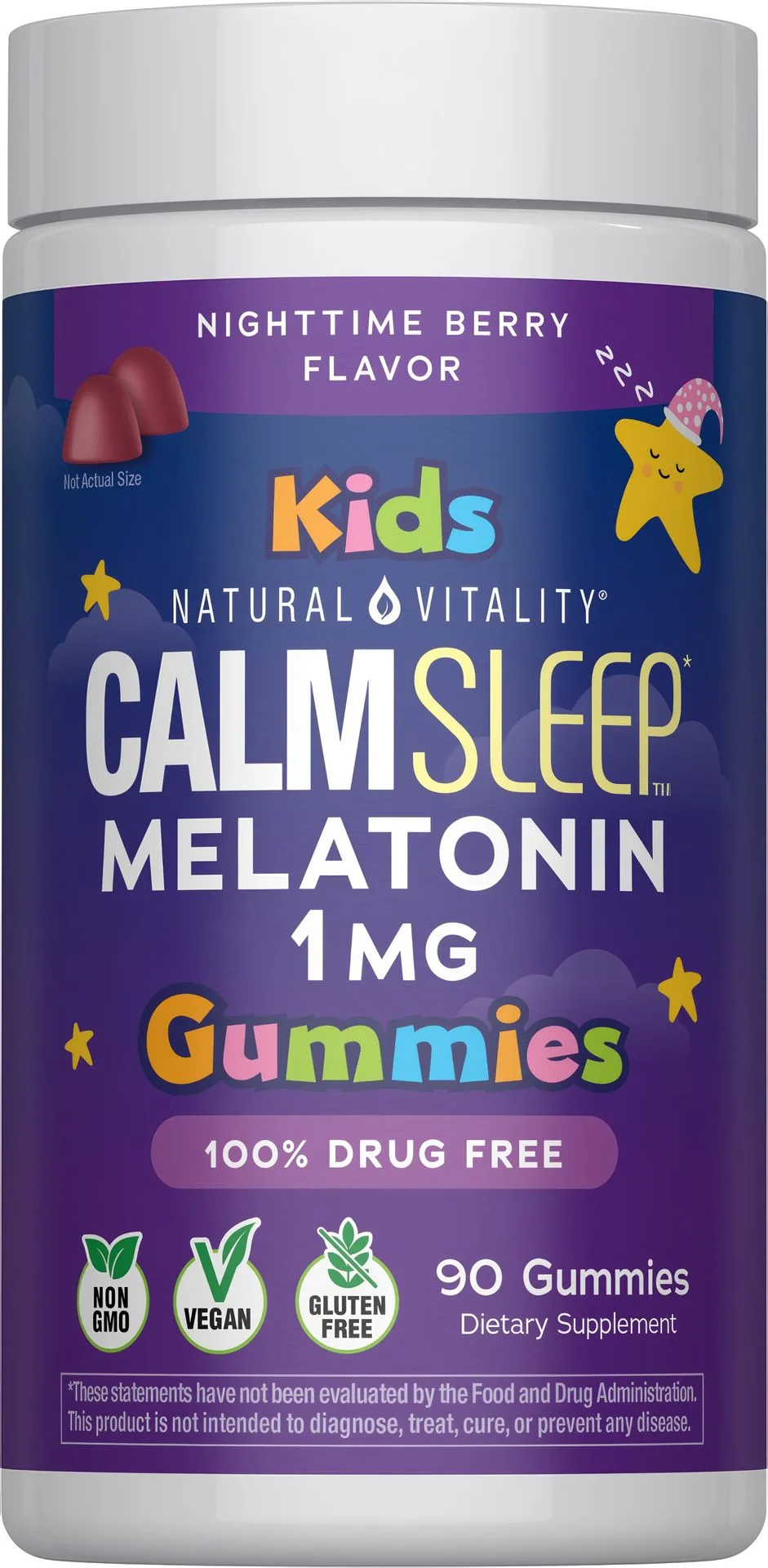
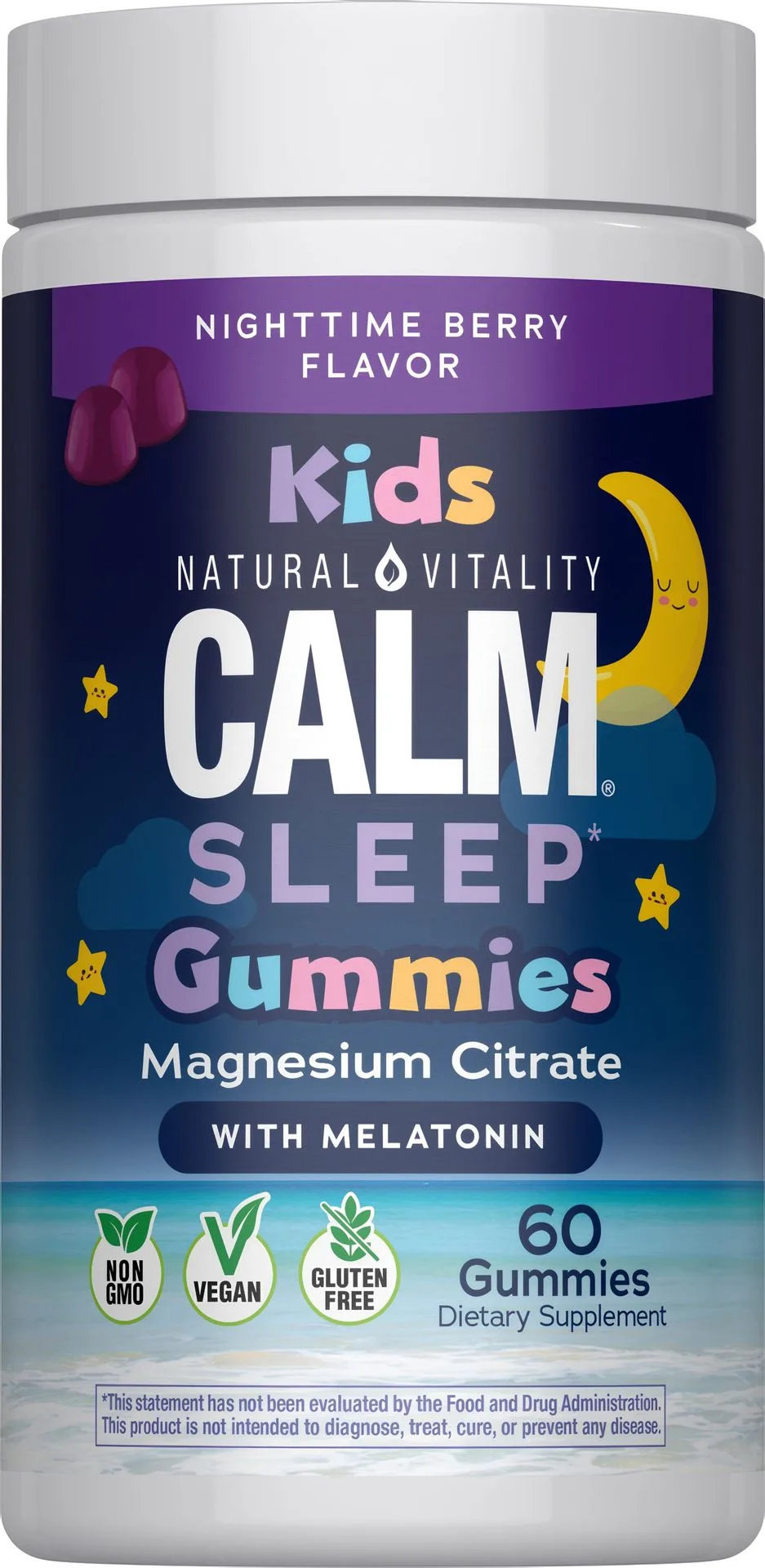
As a parent, few things are more frustrating than a child who won't fall asleep. You've tried warm baths, bedtime stories, and white noise machines, but your little one still tosses and turns. If you've considered melatonin gummies for kids, you're not alone. Millions of parents turn to this popular sleep aid each year, but many have questions about safety and proper use.
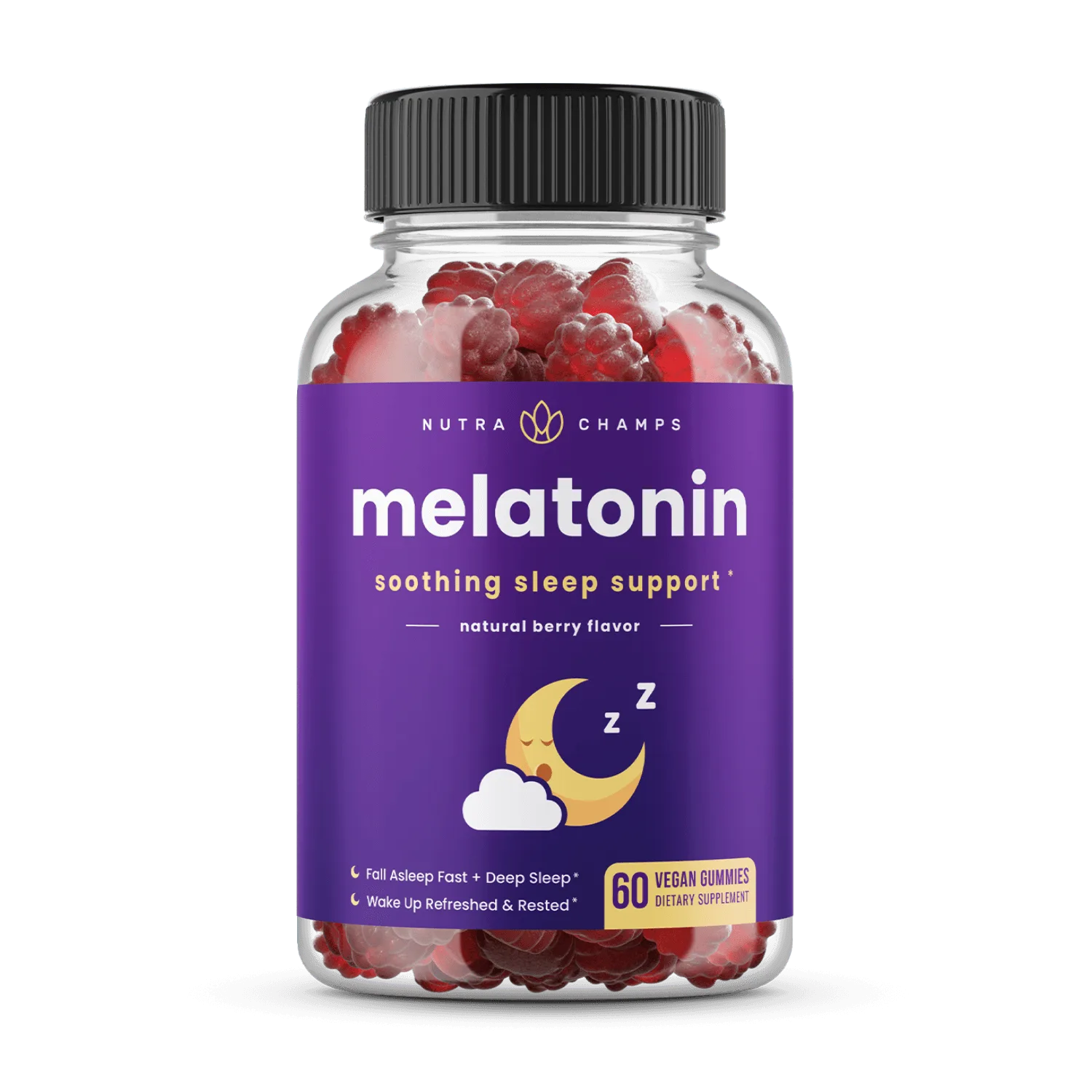
melatonin gummies
In this guide, we'll break down everything you need to know about melatonin for children, from how it works to the right dosage and potential side effects. We'll also share practical tips for using kids' sleep supplements effectively, so you can make an informed decision for your family.
What Is Melatonin and How Does It Work?
Melatonin is a hormone naturally produced by the pineal gland in the brain. It helps regulate your body's internal clock, signaling when it's time to sleep and wake up. In children, melatonin levels typically rise in the evening, promoting drowsiness and preparing the body for rest.
However, factors like screen time, irregular schedules, and stress can disrupt natural melatonin production. That's where melatonin supplements come in. Melatonin gummies for kids provide a convenient, tasty way to support healthy sleep patterns, especially for children who have difficulty winding down at night.
- Melatonin is not a sedative; it works with your child's natural sleep-wake cycle.
- It's most effective when taken 30-60 minutes before bedtime.
- Gummies offer a child-friendly alternative to pills or liquids.
Is Melatonin Safe for Children?
The short answer is yes, when used correctly and under the guidance of a pediatrician. Melatonin is generally considered safe for short-term use in children, but long-term safety data is limited. The American Academy of Pediatrics advises that parents consult a doctor before giving melatonin to a child, especially for extended periods.
It's also important to note that melatonin supplements are not regulated as strictly as prescription medications. This means quality and potency can vary between brands. Choosing a reputable product, like NutraChamps' Sleep Gummies, can help ensure you're giving your child a safe and effective supplement.
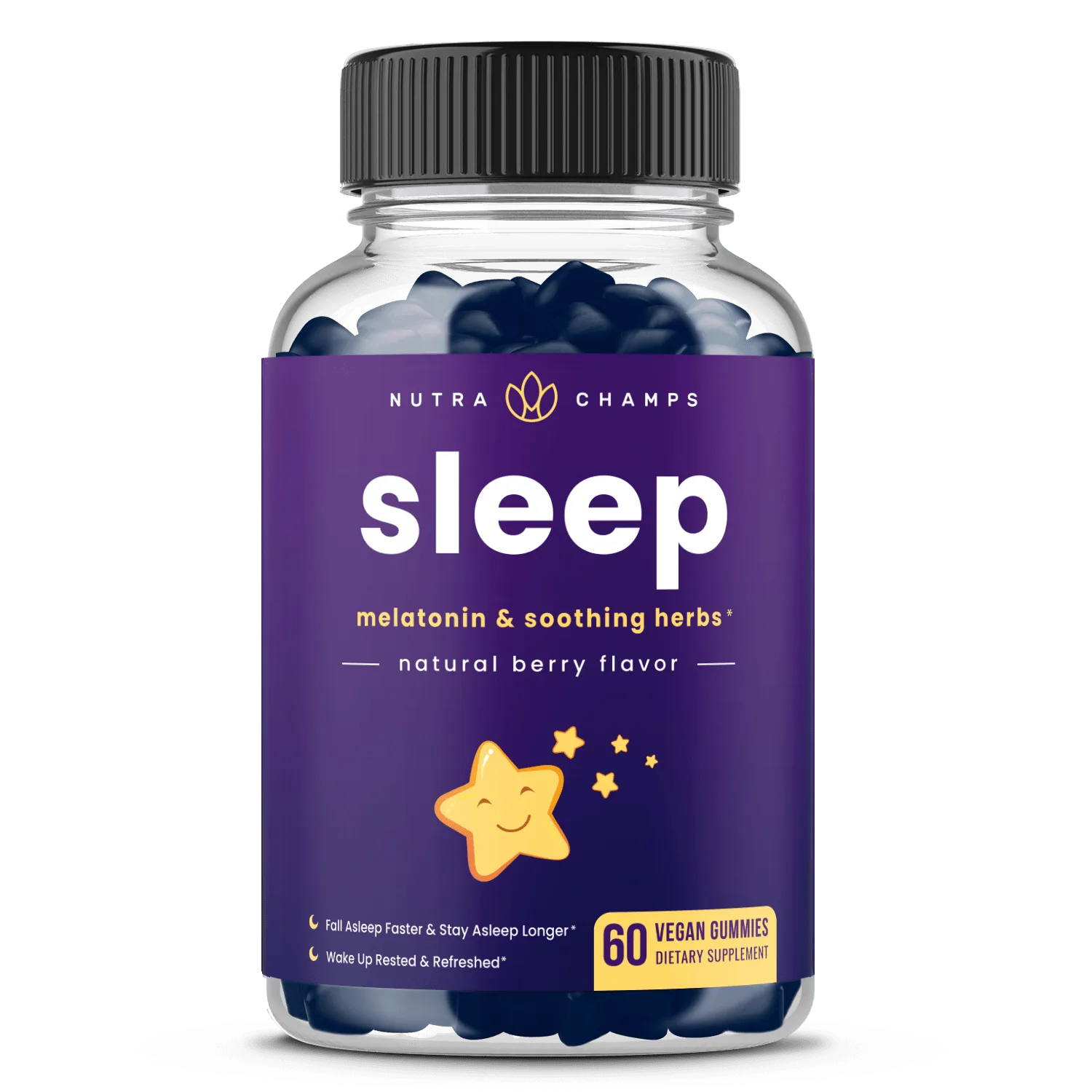
Sleep Gummies
- Always check the label for the exact melatonin content per serving.
- Start with the lowest possible dose and increase only if needed.
- Avoid giving melatonin to children with certain medical conditions or those taking other medications without medical advice.
Determining the Right Melatonin Dosage for Kids
When it comes to melatonin child dosage, less is often more. Most pediatric experts recommend starting with a very low dose, typically 0.5 mg to 1 mg, about 30 to 60 minutes before bedtime. For younger children, even lower doses may be appropriate. You can gradually increase the dose if necessary, but never exceed the recommended amount on the product label.
It's also worth noting that more melatonin doesn't mean better sleep. In fact, higher doses can sometimes cause vivid dreams, grogginess, or even restlessness. The goal is to find the lowest effective dose that helps your child fall asleep without side effects. Many parents find that a gummy form, like NutraChamps' Sleep Gummies, makes dosing easy and precise.
- For children under 3 years old, always consult a doctor first.
- For children 3-5 years old, start with 0.5 mg.
- For children 6-12 years old, start with 1 mg and adjust as needed.
- Never give more than 3-5 mg per night without medical supervision.
Potential Side Effects and Precautions
While melatonin is generally well-tolerated, some children may experience side effects. These can include headaches, dizziness, nausea, or daytime sleepiness. More rarely, melatonin can cause vivid dreams or nightmares. If your child experiences any of these, it's best to reduce the dose or discontinue use and consult your pediatrician.
Additionally, melatonin can interact with certain medications, such as blood thinners, immunosuppressants, and diabetes drugs. Always inform your child's doctor about any supplements they're taking. Also, be mindful of the ingredients in gummies—some contain added sugars or artificial colors, which may not be ideal for all children. Opt for high-quality options that prioritize clean ingredients.
- Monitor your child for any unusual symptoms after starting melatonin.
- Keep melatonin gummies out of reach of children to prevent accidental overdose.
- If your child has a chronic health condition, always seek professional advice.
Tips for Using Melatonin Gummies Effectively
To get the most benefit from melatonin gummies for kids, consistency is key. Give the supplement at the same time each night, ideally in a calm environment. Pair it with a relaxing bedtime routine, such as reading a book or taking a warm bath. Avoid screens for at least an hour before bed, as blue light can interfere with melatonin production.
Remember that melatonin is a sleep aid, not a cure for underlying sleep issues. If your child consistently struggles with sleep despite using melatonin, it's worth discussing with a pediatrician. They may recommend behavioral strategies or further evaluation to address the root cause.
- Create a consistent sleep schedule, even on weekends.
- Limit caffeine and sugar intake in the afternoon and evening.
- Use melatonin as a short-term solution while working on healthy sleep habits.
Choosing the Right Melatonin Gummies for Your Child
With so many options on the market, selecting the right melatonin gummies can be overwhelming. Look for products that are specifically formulated for children, with appropriate dosages and appealing flavors. Check for third-party testing and transparent labeling to ensure quality and purity.
NutraChamps offers a range of supplements that can support your child's overall health. While their Sleep Gummies are designed for adults, they also have Kid's Multivitamin Gummies that provide essential nutrients to support growth and development. For a comprehensive approach to your child's wellness, consider incorporating these into their daily routine.
- Read customer reviews to gauge effectiveness and taste.
- Avoid products with excessive added sugars or artificial ingredients.
- Consult your pediatrician before starting any new supplement.
Melatonin gummies for kids can be a helpful tool for occasional sleep struggles, but they should be used with caution and under medical guidance. By understanding proper dosage, safety, and best practices, you can help your child get the restful sleep they need. Always prioritize healthy sleep habits and consult your pediatrician with any concerns.