Working non-traditional hours can wreak havoc on your circadian rhythm, making it hard to fall asleep when you finally get home. For many shift workers, melatonin gummies have become a go-to sleep aid. But are they the right choice for you? In this article, we'll break down the pros and cons of melatonin gummies for shift workers, and offer practical tips for using them effectively.
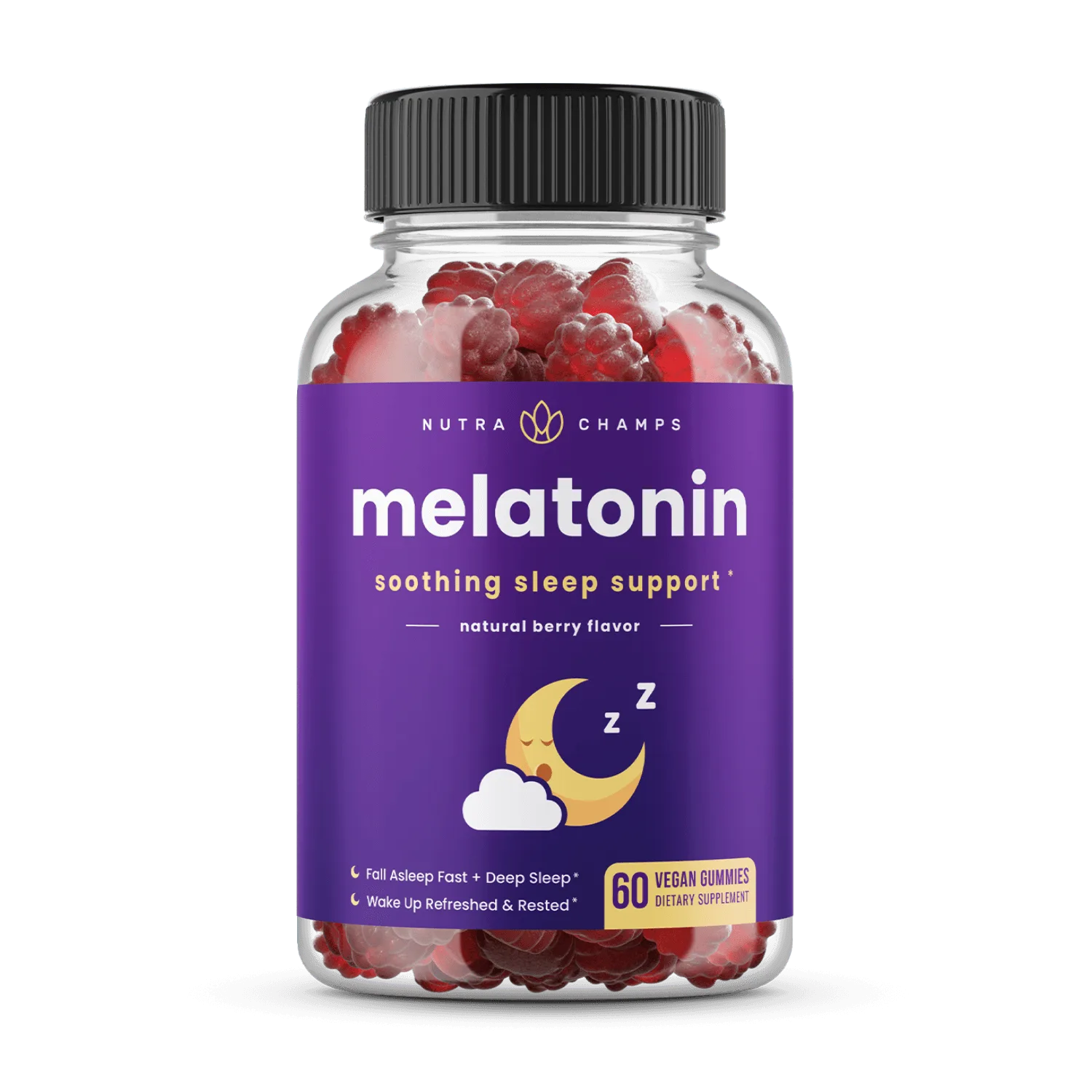
melatonin gummies
Whether you're a nurse, a truck driver, or a factory worker, your sleep schedule is unique. Unlike typical insomnia, shift work sleep disorder (SWSD) requires a targeted approach. Melatonin, a natural hormone that signals your body it's time to sleep, can be a valuable tool. However, it's not a magic bullet. Understanding how melatonin gummies work, their benefits, and their potential downsides is crucial for making an informed decision.
Why Shift Workers Struggle with Sleep
Our bodies are wired to be awake during daylight and asleep at night. When you work the night shift or rotate shifts, you're asking your internal clock to operate against its natural programming. This misalignment can lead to difficulty falling asleep, staying asleep, and feeling rested even after a full night's rest.
Shift work sleep disorder is characterized by excessive sleepiness during work hours and insomnia during off hours. It's not just a minor inconvenience; it can affect your health, mood, and performance. Melatonin supplements, including gummies, can help reset your sleep-wake cycle by signaling to your brain that it's time to wind down.
- Try to keep a consistent sleep schedule, even on days off, to reinforce your body's new rhythm.
Pros of Melatonin Gummies for Shift Workers
Melatonin gummies offer several advantages for shift workers. First, they are incredibly convenient. You can keep them by your bedside and take one without needing water or measuring drops. They also taste pleasant, making them a more enjoyable option than pills or capsules.
Another benefit is the controlled dosage. Most melatonin gummies come in 1-5 mg doses, which is ideal for shift workers who need a gentle nudge rather than a heavy sedative. Additionally, gummies are absorbed quickly, helping you fall asleep faster after a long shift. For those who struggle with swallowing pills, gummies are a welcome alternative.
- Choose a gummy with a lower dose (1-3 mg) to start, as higher doses can cause grogginess.
Cons and Potential Drawbacks
While melatonin gummies can be helpful, they aren't without downsides. One major concern is the added sugar and artificial ingredients. Many gummies contain sugar or sugar alcohols, which can be problematic for those watching their sugar intake or with diabetes. It's important to read labels and choose a product with minimal additives.
Another drawback is the risk of dependency. Melatonin is not habit-forming in the traditional sense, but relying on it every night can make it harder to sleep without it. Additionally, taking too much melatonin can lead to vivid dreams, morning grogginess, or even daytime sleepiness. Finding the right dose is key.
- Avoid taking melatonin more than 3-4 nights per week to prevent reliance.
How to Use Melatonin Gummies Effectively for Shift Work
Timing is everything when it comes to melatonin. For shift workers, the goal is to shift your circadian rhythm to match your sleep schedule. If you work nights and sleep during the day, take your melatonin gummy about 30 minutes before your intended bedtime. This helps signal to your body that it's time to sleep, even if the sun is up.
Start with a low dose, such as 1-3 mg, and adjust as needed. It's also crucial to create a sleep-conducive environment: dark curtains, earplugs, and a cool room can enhance the effects of melatonin. Consistency is also vital—try to take your gummy at the same time each day to reinforce your new sleep-wake cycle.
- Pair your melatonin gummy with a relaxing bedtime routine, like reading or gentle stretching, to maximize its effectiveness.
Choosing the Right Melatonin Gummies
Not all melatonin gummies are created equal. When selecting a product, look for one that is third-party tested and free from artificial colors and flavors. Consider the dosage and whether it contains additional sleep-supporting ingredients like chamomile or lemon balm.
For shift workers, a gummy with a moderate dose and clean ingredients is ideal. Products like Melatonin Gummies from NutraChamps offer a convenient and tasty option. If you're also looking to support your overall health, you might consider combining them with Vitamin D3 & B12 Gummies to help boost energy during your waking hours.
- Check the label for 'third-party tested' to ensure quality and purity.
Safety Considerations and Side Effects
Melatonin is generally safe for short-term use, but it's not without potential side effects. Some people experience headaches, dizziness, or nausea. Others may feel groggy the next day, especially if they take too high a dose. It's also important to note that melatonin can interact with certain medications, including blood thinners and immunosuppressants.
If you are pregnant, nursing, or have an autoimmune condition, consult your healthcare provider before starting melatonin. Additionally, while melatonin gummies can help with shift work sleep, they are not a substitute for good sleep hygiene. Make sure to prioritize sleep as much as possible and consider other strategies like bright light therapy during your shift.
- Keep a sleep diary to track how melatonin affects your sleep quality and adjust accordingly.
Melatonin gummies can be a valuable tool for shift workers struggling with sleep, offering convenience and ease of use. However, they are not a one-size-fits-all solution. By understanding the pros and cons, using them correctly, and choosing a high-quality product, you can improve your chances of getting the rest you need. If you're ready to try melatonin gummies, consider Melatonin Gummies from NutraChamps, which are crafted to support restful sleep without unnecessary additives.