Quick answer
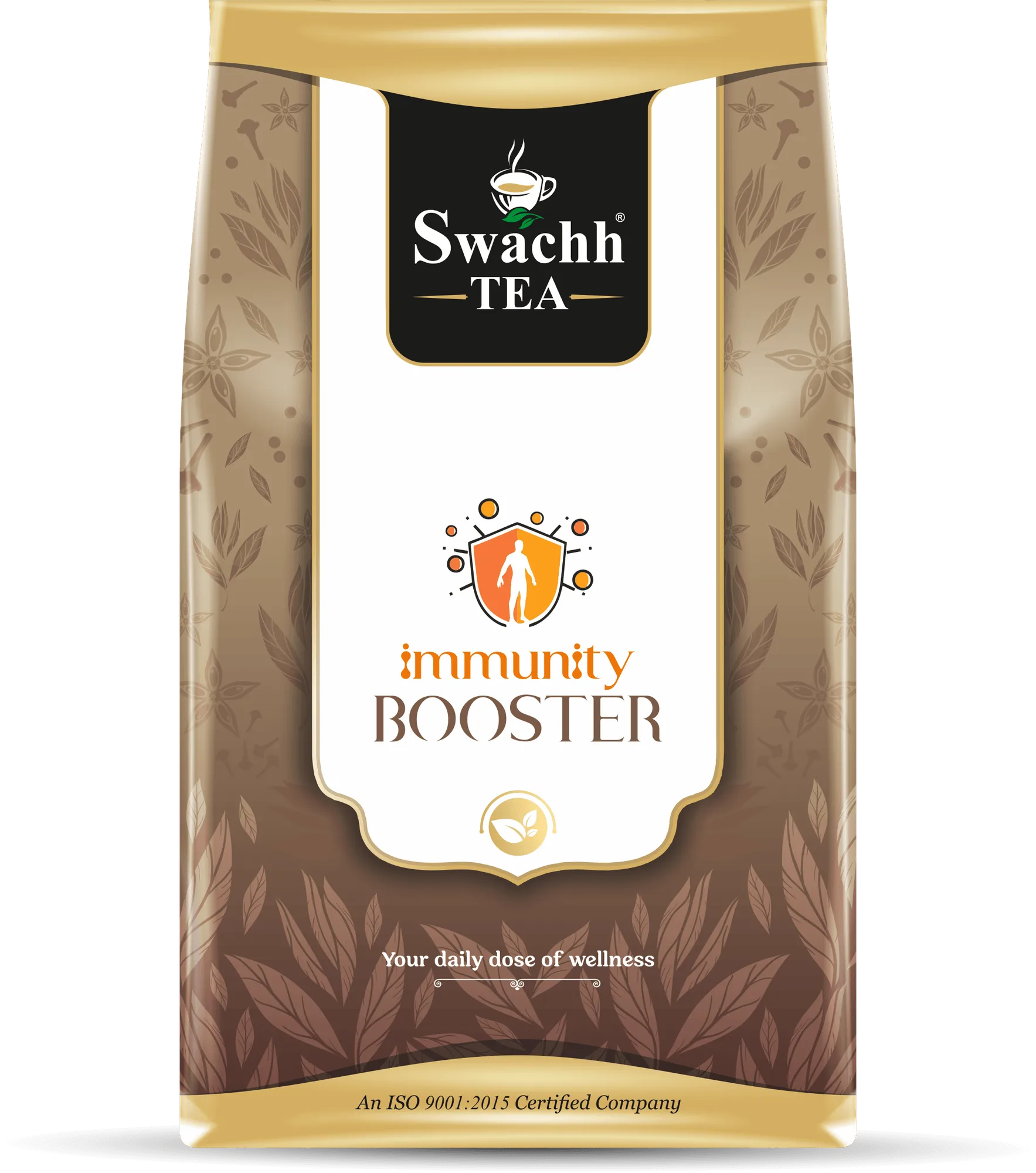
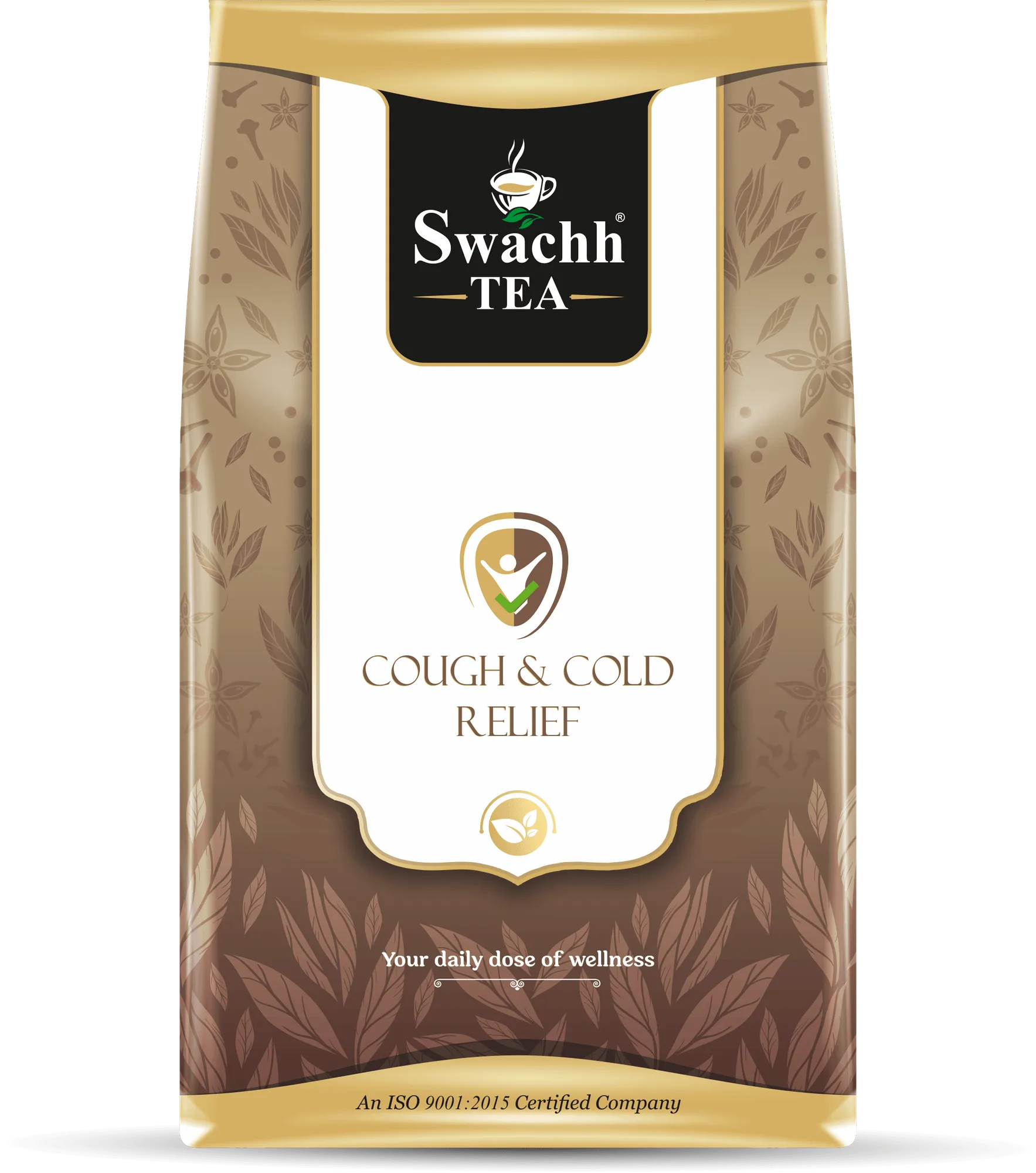
Memory booster herbal tea is a caffeine-free infusion built from herbs and botanicals traditionally associated with focus and cognitive comfort, not a medical treatment. For daily use, pick one blend, drink it at a consistent time, and give it a week or two before judging whether it fits your routine. If you want a gentle starting point, try a dedicated herbal blend such as Swachh Immunity Booster Herbal Tea or Cough and Cold Relief Herbal Tea (Throat Care), and keep your expectations realistic.
If you are searching for a memory booster herbal tea, you probably want a simple daily habit that supports focus without caffeine jitters. The honest answer is that no tea reverses memory loss or replaces medical care. What a well-made herbal blend can do is give you a calm, repeatable ritual that many people find helps them concentrate and wind down.
This FAQ answers the questions readers actually ask: what is in these blends, when to drink them, whether they are caffeine-free, and how they compare with green tea or chai. It also points to real Swachh Tea products so you can see what a finished blend looks like before you buy.
What is memory booster herbal tea?
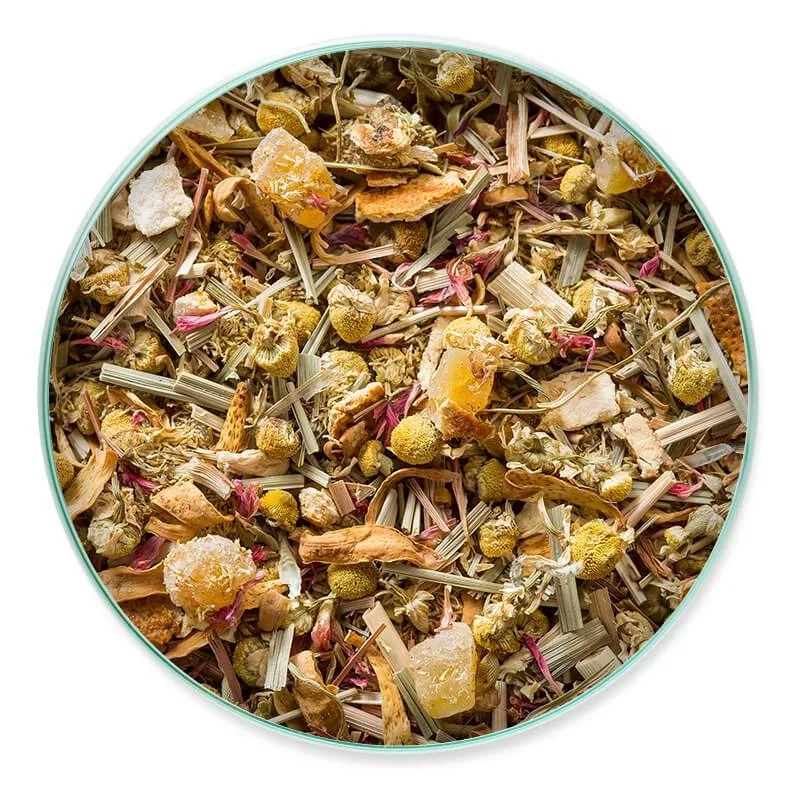
Memory booster herbal tea is an infusion made from herbs, flowers, roots, or spices rather than from the tea plant. Because it usually contains no Camellia sinensis leaves, it is naturally caffeine-free. The name describes a category of blends marketed for focus, clarity, and overall wellness, not a clinically proven memory treatment. Think of it as a supportive daily drink, similar to how people use chamomile for relaxation or ginger for throat comfort.
The practical value is in the ritual and the ingredients. A warm, caffeine-free cup at a set time can anchor a study session or a work block. If you already drink several coffees a day, swapping one for an herbal blend may also reduce the caffeine load that can make focus feel scattered rather than sharp.
- Check the ingredient list before buying; a short, recognizable list is easier to evaluate than a long proprietary blend.
- If you take medication or are pregnant, ask a clinician before starting any new herbal routine.
What ingredients usually appear in memory booster tea?
Common ingredients in this category include adaptogen-style herbs, aromatic spices, and floral botanicals. You will often see tulsi (holy basil), brahmi, shankhpushpi, ashwagandha, ginkgo, rosemary, peppermint, and rose petals. Each brings a different flavor and traditional association, and blends usually combine several so the cup tastes balanced rather than medicinal.
Swachh Tea's herbal range gives a sense of how these blends are built. The Immunity Booster Herbal Tea is described as a specially crafted herbal infusion designed to support the immune system naturally and promote overall wellness and vitality. The Cough and Cold Relief Herbal Tea (Throat Care) is positioned as a gentle, holistic blend for throat comfort and overall well-being. Neither is sold as a memory cure, which is exactly the right framing: supportive, not medicinal.
- Look for blends that list each herb by name rather than hiding amounts behind a vague 'proprietary blend'.
- If you dislike licorice or fennel, check the label first; those flavors dominate many herbal mixes.
Is memory booster herbal tea caffeine-free?
Most herbal teas for memory are caffeine-free because they contain no true tea leaves. That matters if you drink them in the evening or if you are sensitive to caffeine. A caffeine-free cup will not give you the alertness of coffee, but it also will not keep you awake or make your heart race.
Be careful with blends that mix green tea, black tea, or matcha into an herbal base. Those will contain caffeine. For example, Swachh Rose Green Tea is a blend of premium green tea leaves and fragrant rose petals, so it does contain caffeine from the green tea. If you want a caffeine-free memory tea, read the first three ingredients and confirm there is no Camellia sinensis, green tea, or black tea listed.
- Evening drinkers should choose a pure herbal blend, not a green tea blend.
- If a label says 'herbal green tea', assume it contains caffeine unless stated otherwise.
How do you drink memory tea daily?
The simplest routine is one cup at the same time each day, either with breakfast, mid-afternoon, or about an hour before bed. Use about one teaspoon of loose blend or one tea bag per cup, pour water just off the boil, and steep for three to five minutes. Longer steeping makes the cup stronger and more bitter, not more effective.
Consistency matters more than quantity. Two or three cups a day is a reasonable upper limit for most herbal blends, but check the packaging for specific steeping and serving guidance. If you are using a blend for focus, pair it with a short work block rather than expecting the tea alone to carry your attention.
- Set a daily reminder for the first two weeks so the habit sticks.
- Keep a small notebook or note app to track how you feel; this is more useful than relying on memory.
Can you combine memory tea with chai or green tea?
Yes, but watch your total caffeine. If you already drink a strong morning chai, adding a caffeinated green tea in the afternoon can push you past your comfort zone. A caffeine-free herbal memory blend is the easier pairing because it slots into the evening without affecting sleep.
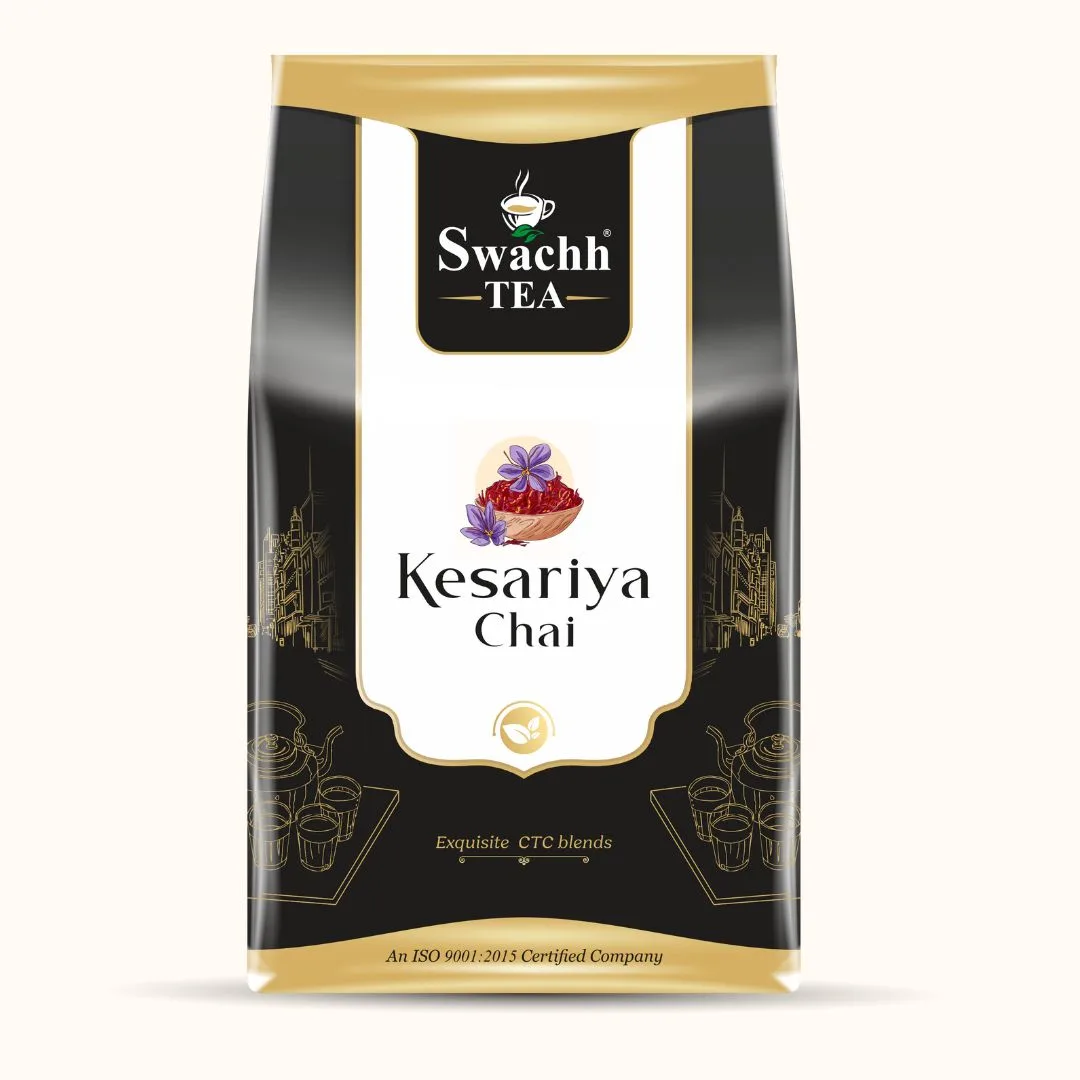
If you want a flavorful chai alongside your herbal routine, Swachh Kesariya Chai is a CTC blend with saffron, cardamom, cinnamon, black pepper, and fennel. It is a completely different drink from an herbal infusion, so treat it as your caffeinated option and keep the herbal cup separate. This separation makes it easier to tell which drink is actually helping your routine.
- Alternate rather than stack: chai in the morning, herbal tea in the evening.
- If you are sensitive to caffeine, stop caffeinated tea by early afternoon.
What should you realistically expect from a memory tea?
Expect a pleasant, calming drink and a structured daily pause. Do not expect a measurable IQ boost, and be skeptical of any product that promises one. Herbal teas are not drugs, and the evidence for most memory-related herbs is preliminary. The honest benefit is routine, hydration, and a caffeine-free alternative to another coffee.
If you notice you feel more focused, it may be the combination of the ritual, the break, and the absence of caffeine crashes. That is still a real benefit. Track your sleep, stress, and caffeine intake alongside the tea so you can see what is actually changing.
- Give any new blend at least one to two weeks before deciding.
- Stop and consult a professional if you notice any adverse reaction.
Memory tea FAQ quick reference
What is memory booster herbal tea?
A caffeine-free herbal infusion marketed for focus and wellness, not a medical treatment. Treat it as a supportive daily ritual.
What ingredients should you look for?
Named herbs such as tulsi, brahmi, rosemary, peppermint, or rose, with no hidden proprietary blends. A short, clear ingredient list is easier to evaluate.
How often should you drink it?
Once daily at a consistent time, steeped three to five minutes. Consistency beats quantity.
Is it caffeine-free?
Pure herbal blends are caffeine-free; blends with green or black tea are not. Check the label if you drink it in the evening.
What results are realistic?
A calm, structured break and a caffeine-free alternative, not a guaranteed memory boost. Give it one to two weeks before judging.
Swachh Tea products worth knowing
- Immunity Booster Herbal Tea: Described as a specially crafted herbal blend designed to support the immune system naturally and promote overall wellness and vitality. A good example of a caffeine-free herbal blend you can drink daily as part of a wellness routine, not as a memory treatment.
- Cough and Cold Relief Herbal Tea (Throat Care): Positioned as a gentle, holistic herbal infusion for throat comfort and overall well-being. Useful when you want a soothing herbal cup that is easy to drink regularly, especially in colder months.
- Rose Green Tea: A blend of premium green tea leaves and fragrant rose petals. Contains caffeine from green tea, so it is not a caffeine-free memory tea; choose it for daytime, not before bed.
Memory booster herbal tea works best as a simple, caffeine-free habit rather than a shortcut. Pick a blend with ingredients you recognize, drink it at a consistent time, and judge it by how your routine feels after a couple of weeks. If you want a starting point, Swachh Tea's herbal range gives you a few honest options to try.