Why does my menstrual cup leak? Start with the seal
A menstrual cup leaking is frustrating, but the cause usually comes down to one of three things: the cup hasn't formed a seal, it's sitting at an angle that lets fluid bypass it, or the size doesn't match your body. The Menstrual Cup is made from German Wacker grade medical silicone and is designed to glide in easily, but even a soft, flexible cup needs a proper seal to capture flow for up to 8 hours. Before you blame the cup, check how it feels after insertion: if you can gently tug the stem and feel resistance, the seal is likely set. If it slides out easily, the seal is the problem.
Common causes of menstrual cup leaking
These are the most frequent reasons a cup leaks, along with what to check first.
- The cup hasn't opened fully: A soft cup can stay folded or dented after insertion. Run a finger around the rim to feel for a full circle. If you feel a flat spot, rotate the cup slightly or gently press the vaginal wall to encourage it to pop open.
- Insertion angle is off: The vaginal canal angles toward the tailbone, not straight up. Aim the cup toward your lower back rather than straight up. If the cup sits too low or tilted, fluid can escape around the rim. Try reinserting with a more backward angle.
- Size or firmness mismatch: A cup that's too large may not open fully; one that's too small may sit too low or fail to seal. The Menstrual Cup comes in Small (7.6 x 4.3 CM) and Large (8.3 x 4.6 CM). If you've had a vaginal birth or have a heavier flow, the Large may fit better. If you're new to cups or have a shorter canal, the Small may be more comfortable and easier to seal.
- Wearing it too long: The Menstrual Cup is designed for up to 8 hours of use. On heavy days, emptying it more often—every few hours—can prevent overflow leaks. If you regularly fill the cup in less than 8 hours, consider a larger size or emptying sooner.
- Position sits too low: If the stem is sticking out or you feel the cup at the entrance, it's too low. Push it up gently until it sits comfortably inside. A cup that sits low can leak because the rim isn't fully surrounded by vaginal walls.
How to stop menstrual cup leaks: a step-by-step check
Work through these steps in order when you notice leaking.
- Remove and rinse the cup: Empty the cup and rinse it with clean water. The Menstrual Cup is reusable; a clean cup is easier to handle and less likely to slip.
- Reinsert with a backward angle: Fold the cup and aim it toward your tailbone. Insert slowly until the rim is past the pubic bone. The ultra-soft silicone should glide in easily; if you feel resistance, change the fold.
- Check that it's fully open: Run a finger around the rim. If you feel any dents, rotate the cup or gently press the vaginal wall to help it open. A fully round rim is your best sign of a seal.
- Test the seal: Gently tug the stem. If you feel suction or resistance, the seal is set. If it slides down easily, the cup isn't sealed—reposition and try again.
- Push it up, not out: If the cup sits low, push it up until the stem is just inside. A higher position helps the rim sit around the cervix area and reduces bypass leaks.
- Empty more often on heavy days: Even with a good seal, a full cup can overflow. On your heaviest days, empty every few hours rather than waiting the full 8 hours.
Menstrual Cup details that affect fit and leaks
-
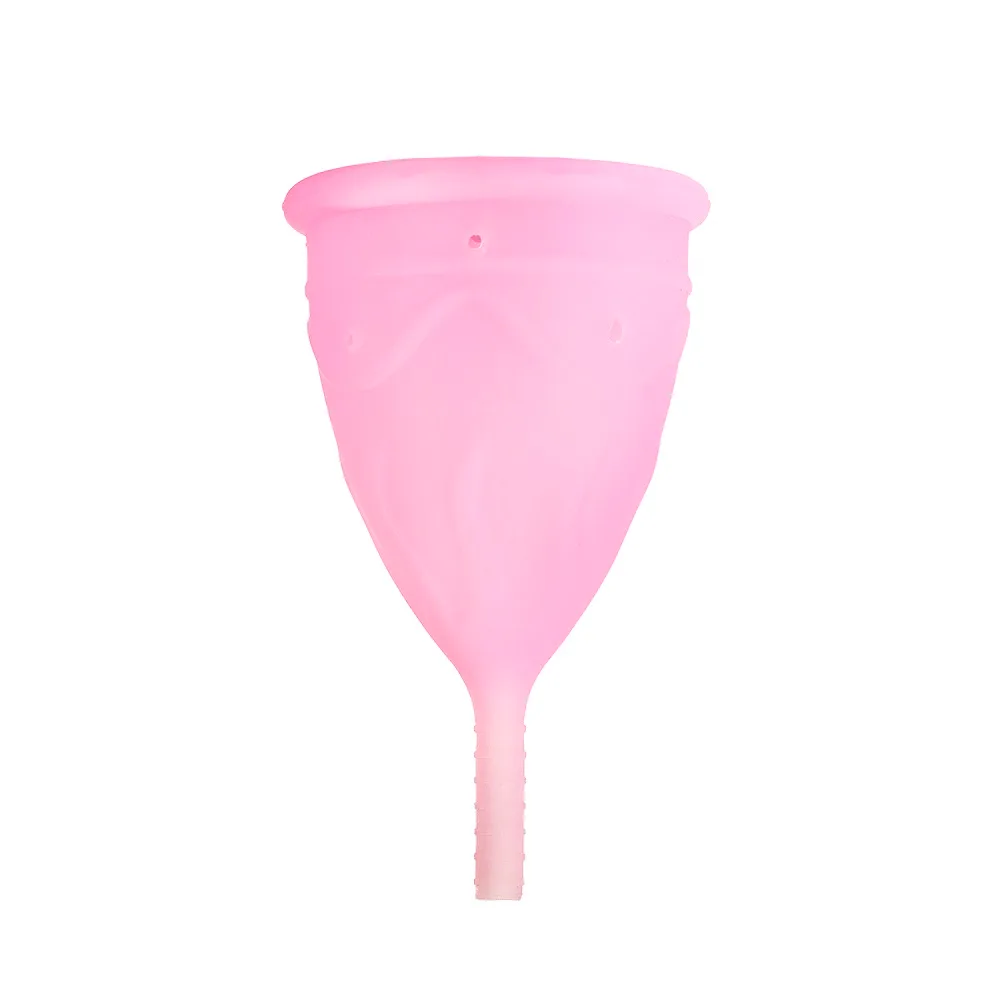
Menstrual Cup: Material: German Wacker grade medical silicone Soft, flexible silicone can be easier to insert and may help the cup open fully, which is key for a leak-free seal.
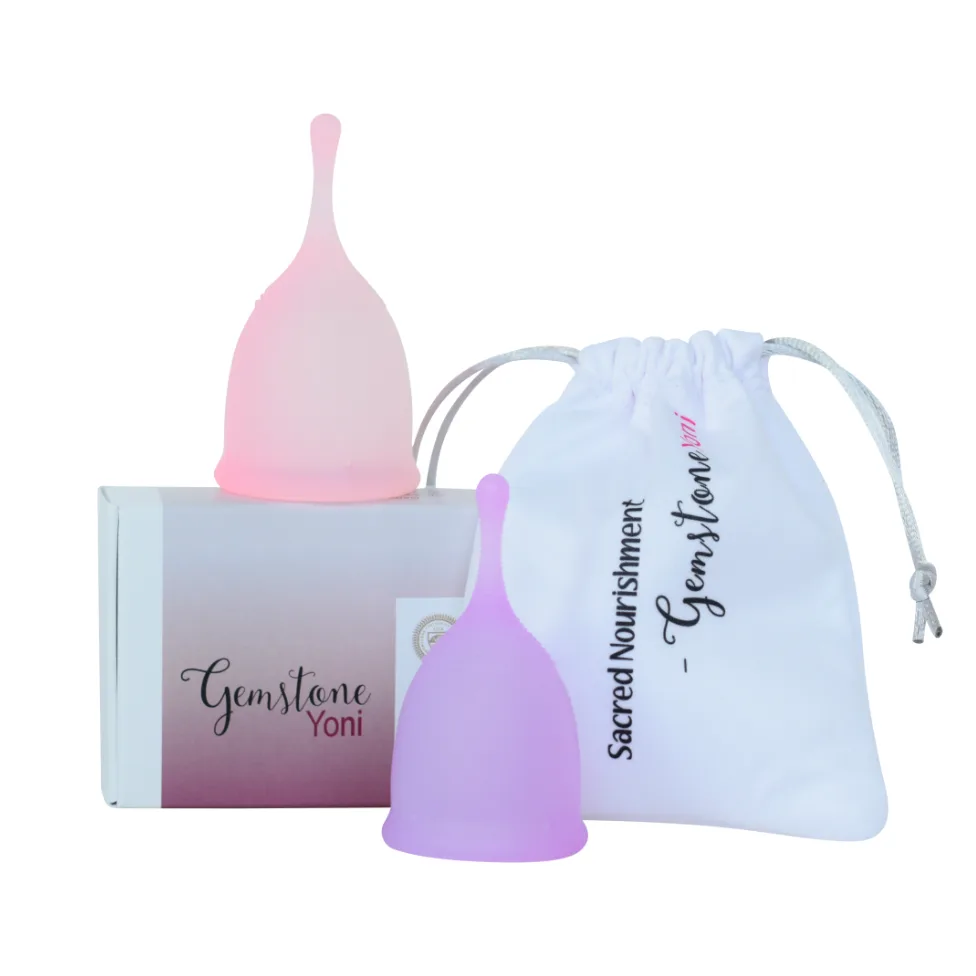
Menstrual Cup
-
Menstrual Cup: Small: 7.6 x 4.3 CM; Large: 8.3 x 4.6 CM These dimensions help you judge whether the cup is likely to sit comfortably and seal; a size that's too large or too small can cause leaks.
-
Menstrual Cup: Up to 8 hours of use Knowing the intended wear time helps you plan emptying breaks and avoid overflow leaks on heavy days.
-
Menstrual Cup: Comes with menstrual cup and storage pouch The storage pouch keeps the cup clean between uses, which supports consistent hygiene and reduces the chance of irritation that might make insertion uncomfortable.
When to consider a different size or style
If you've checked the seal, angle, and position and still leak, the size may be the issue. The Menstrual Cup is available in Amethyst - Small, Rose Quartz - Large, or a Set of 2; Large & Small. A set lets you try both sizes without guessing. If you have a heavy flow or have given birth vaginally, the Large is often a better starting point. If you have a shorter canal or find the Large uncomfortable, the Small may seal more easily. Remember that the cup is a safe alternative to tampons and pads, and it's reusable and eco-friendly—so a little troubleshooting is worth it.
Cleaning and storage to keep the seal reliable
The supplied care instruction is simply 'Clean & Store.' The Menstrual Cup comes with a storage pouch, so rinse the cup before and after each wear and let it dry before storing it in the pouch. A clean cup is less likely to become slippery or coated, which can affect how well it opens and seals. Avoid harsh chemicals unless your manufacturer's instructions specify them; the supplied information does not include a detailed cleaning protocol, so stick to mild soap and water and follow any insert that comes with your cup.