Quick Answer
Merino wool is excellent for odor control and temperature regulation, but it's not universally superior. For high-sweat activities or tight budgets, synthetic fabrics like TEXADRI INTERLOCK STRETCH offer faster drying and lower cost. The best choice depends on your activity and climate.
Myth: Merino Always Dries Faster Than Synthetic
Merino wool can absorb up to 30% of its weight in moisture before feeling wet, which helps with comfort. However, synthetic fabrics like TEXADRI INTERLOCK STRETCH are engineered to wick moisture away from the skin and dry very quickly. In practice, a synthetic base layer will often feel drier sooner during high-output activities like running or fast hiking.
If you plan to stop frequently or hike in cold, damp conditions, merino's slower drying can become a disadvantage. For stop-and-go activities, a synthetic or blended fabric may serve you better.
Myth: Merino Is Too Delicate for Outdoor Use
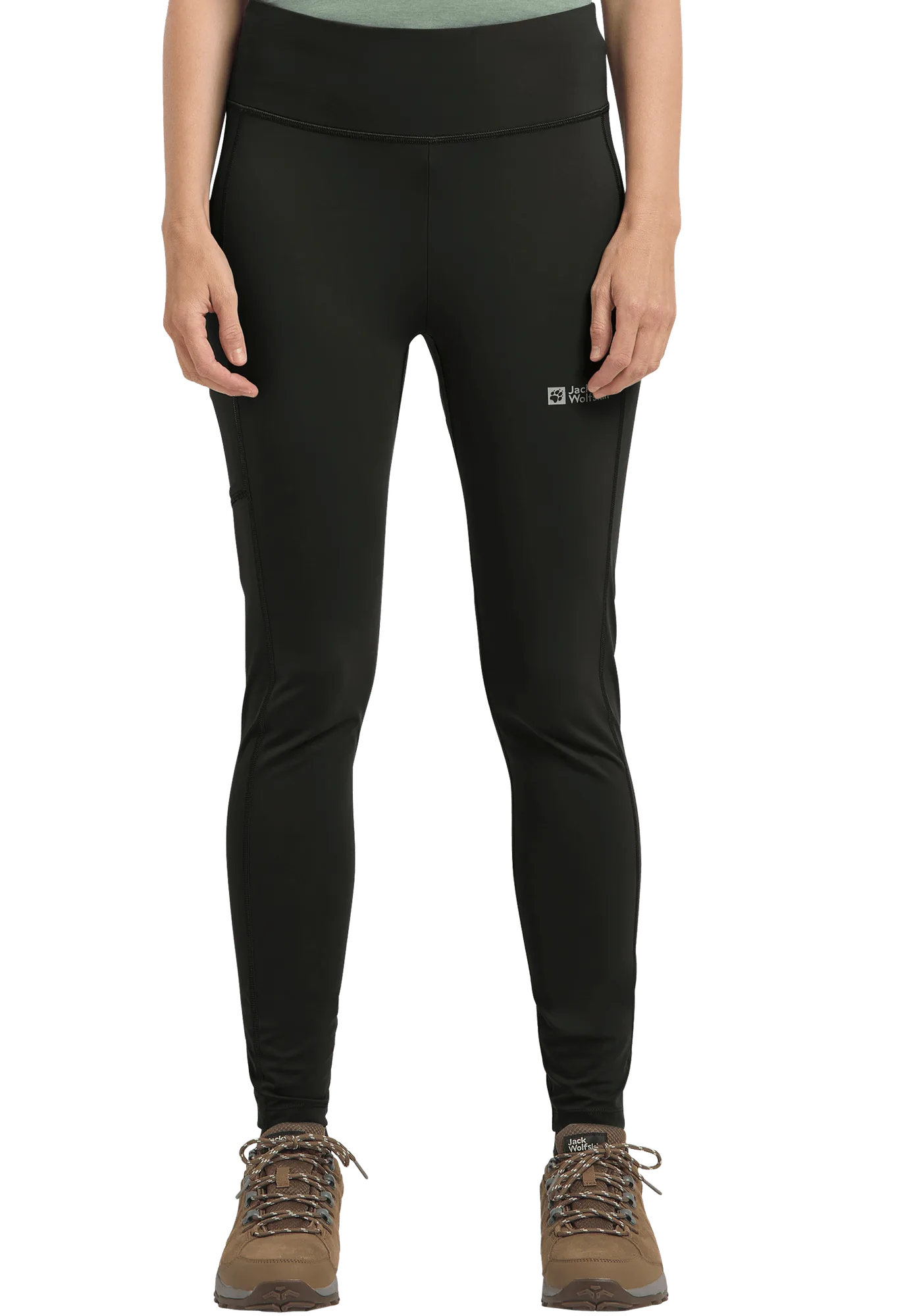
Modern merino blends are much more durable than pure wool from a decade ago. Many brands reinforce high-wear areas with nylon or polyester. That said, pure merino is still more prone to pilling and tearing than a tightly woven synthetic like the TEXADRI INTERLOCK STRETCH used in the KLINTAL TIGHTS. For rugged bushwhacking or frequent washing, a synthetic or merino-synthetic blend is more practical.
Verdicts on Common Merino Claims
- Odor control: Merino wool naturally resists odors better than most synthetics. However, modern synthetic treatments can also reduce smell. For multi-day trips without washing, merino is still the winner. True for extended use; less critical for single-day outings.
- Temperature regulation: Merino's structure traps air for insulation even when damp, which helps in changing conditions. Synthetics like TEXADRI INTERLOCK STRETCH are designed for breathability and moisture management, but they don't insulate when wet. Merino wins for variable cold weather; synthetics win for high-output warmth.
- Durability and cost: Pure merino is more expensive and less durable than synthetic alternatives. For frequent washing or rugged use, a synthetic or merino-blend base layer offers better value. Synthetic is more durable and affordable for most activities.
Real Products That Show the Tradeoffs
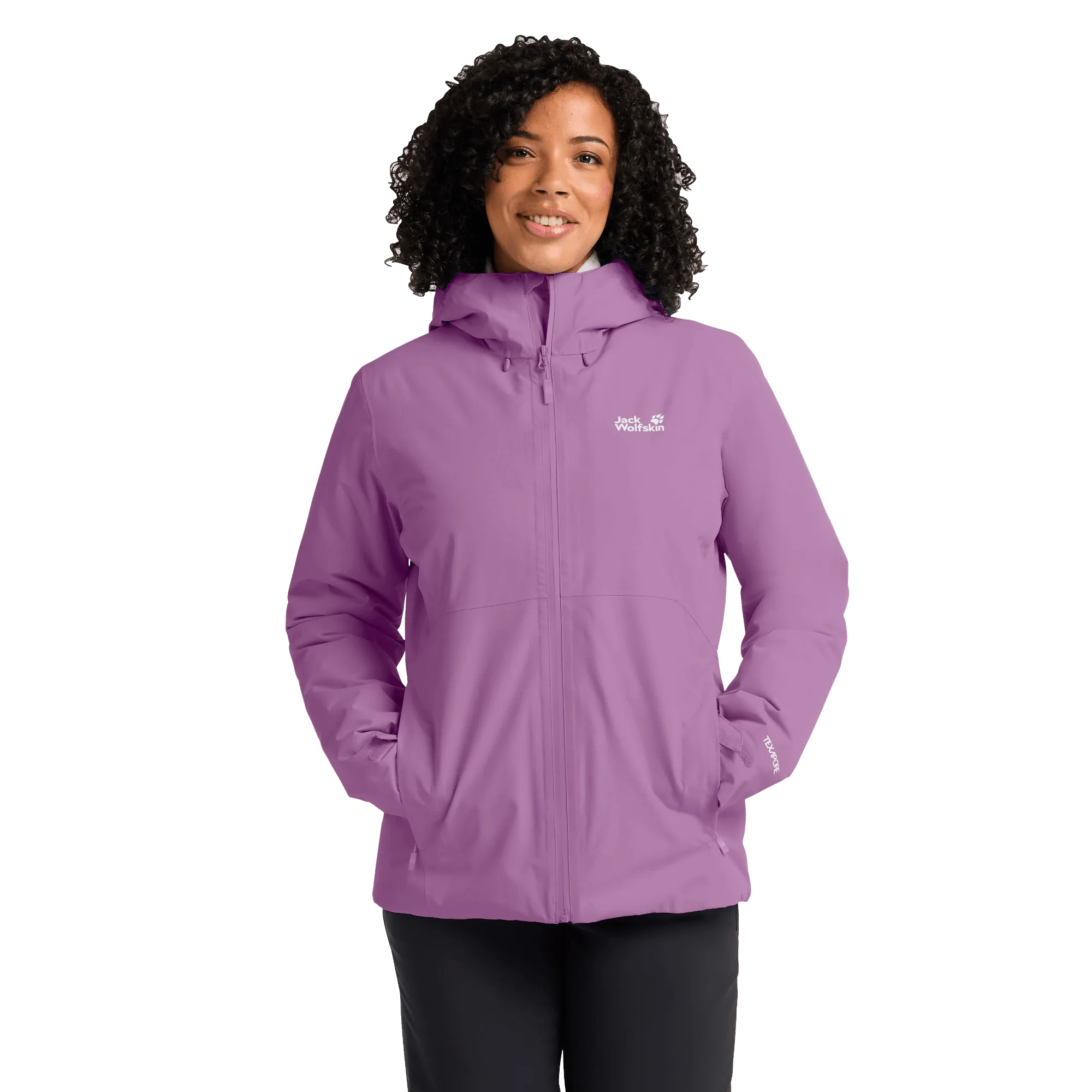
- WISPER INS JKT W: Combining recycled TEXAPORE ECOSPHERE PRO fabric for complete weather protection with PRIMALOFT insulation, the hooded Wisper jacket will keep you warm and protected when the weather is trying to freeze you out. While not a base layer, this jacket shows how synthetic insulation (PRIMALOFT) retains warmth even when damp — a key advantage over merino for outer layers in wet conditions.
- KLINTAL TIGHTS W: KLINTAL TIGHTS for women ensure total comfort on all your intense workouts, made from a breathable TEXADRI INTERLOCK STRETCH fabric, they provide gentle support without restricting mobility. This synthetic fabric dries much faster than merino, making it ideal for high-sweat activities. The high waist and thigh pocket add practicality that merino leggings often lack.