When you’re setting up camp after a long hike, the temperature drops fast. Your mid-layer is what traps heat and keeps you comfortable while you cook dinner or stargaze. Two popular options are merino blend hoodies (like the Merino Blend Hoodie; Anthracite) and synthetic fleece mid-layers. Each has strengths, but the right choice depends on how you move, sweat, and pack.
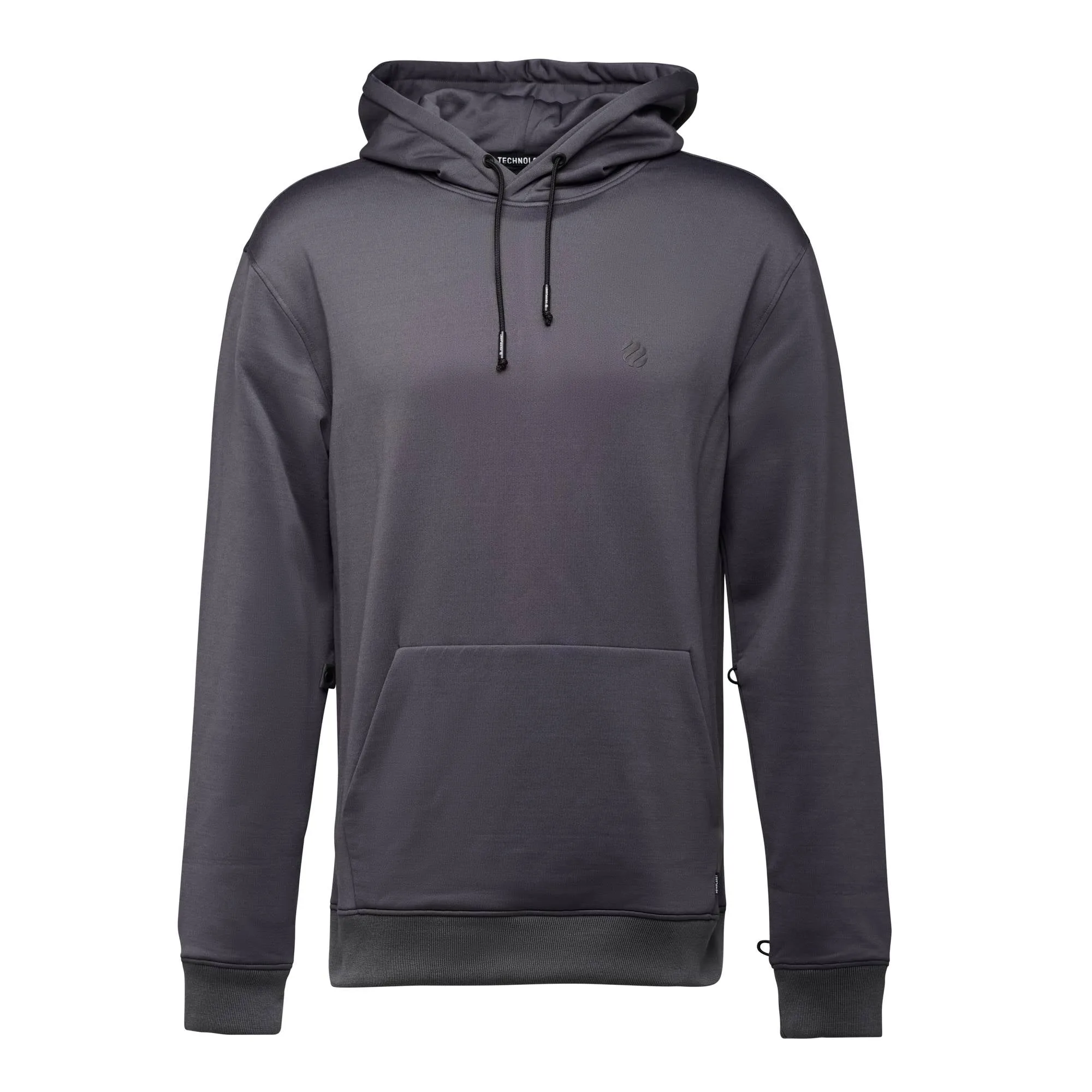
Merino Blend Hoodie; Anthracite
In this guide, we compare merino wool vs polyester fleece on warmth, breathability, odor resistance, and durability. By the end, you’ll know which best mid-layer for camping fits your cold weather camping clothing system.
Material and Warmth: Natural vs Synthetic Insulation
Merino wool is a natural fiber that traps air in its crimped structure, providing insulation even when damp. A merino blend hoodie, like the Merino Blend Hoodie; Anthracite, typically mixes wool with nylon or spandex for durability and stretch. This fabric holds warmth well in still air but can feel cool when wet and windy. Synthetic fleece, usually made of polyester, uses a similar air-trapping mechanism but doesn’t absorb water. It stays warm when wet and dries faster, making it a go-to for damp conditions.
For static camp use, merino wool often feels warmer gram for gram because it manages moisture vapor better, preventing that clammy chill. But if you’re active around camp—chopping wood or fetching water—synthetic fleece wicks sweat faster and keeps you from overheating. Both can be effective cold weather camping clothing, but your activity level at camp should guide your choice.
- Merino blend hoodies: insulator even when damp, natural odor resistance, slower drying.
- Synthetic fleece: stays warm when wet, dries quickly, less breathable when sweating heavily.
Breathability and Moisture Management
Breathability is critical for a mid-layer because you often wear it while hiking into camp or moving around the site. Merino wool fibers allow moisture vapor to escape more freely than most synthetic fleeces, which trap heat but can hold vapor against the skin if the fleece isn’t high-pile or well-ventilated. A merino blend hoodie shines in low-activity settings like lounging by the fire, where you’re not sweating but still need insulation.
Synthetic fleece, especially low-density styles, can vent heat via zippers or mesh panels, but the fabric itself is less breathable than merino. That said, for high-output tasks like setting up a tarp or hauling water, many campers prefer synthetic because it wicks liquid sweat away and dries on the move. Pair either with a breathable shell or pack like the Transit Line Daypack; black to manage airflow and reduce sweat buildup.
- For static camp: merino blend hoodie offers superior breathable insulation.
- For active camp tasks: synthetic fleece wicks sweat faster and dries quicker.
Odor Resistance and Durability at Camp
One of the biggest advantages of merino wool is its natural antibacterial property. You can wear a merino blend hoodie for days without it smelling, which is a huge plus on multi-day trips where washing isn’t an option. The Merino Blend Hoodie; Anthracite, with its merino-nylon blend, resists odor better than any synthetic fleece. On the flip side, merino is more delicate—friction from pack straps or rough camp chairs can cause pilling or even holes.
Synthetic fleece is tough and resists abrasion well, but it traps bacteria and smells quickly. After one evening of smoky campfire, a synthetic mid-layer may need airing or washing. For durability, synthetic wins; for odor control between washes, merino is unmatched. If you carry a lightweight pack like the Transit Line Daypack; black, the rubbing against your shoulders will be gentler on both fabrics, but merino still requires careful wear.
- Merino blend hoodie: stays fresh for days, but less durable under pack straps.
- Synthetic fleece: durable and easy to wash, but needs frequent deodorizing.
Weight, Packability, and Cost
Both mid-layers pack down surprisingly small, but merino blend hoodies are often lighter for the same warmth. A typical merino hoodie weighs around 250–350 grams, while a thick synthetic fleece can push 400 grams. That difference matters when you’re trying to save ounces. Merino also compresses tighter than fleece, leaving more room in your bag for other gear.
The trade-off is price. Synthetic fleece is cheaper—often half the cost of a quality merino blend hoodie. For campers on a budget or those who expect heavy wear, synthetic offers better value. But if you prioritize weight, odor control, and natural fiber comfort, investing in a merino blend hoodie makes sense. Consider how many nights you’ll wear it between washes and how rough you are on gear.
- Merino blend hoodie: lighter and more packable, but higher cost.
- Synthetic fleece: heavier and bulkier, but budget-friendly and tough.
There’s no single best mid-layer for camping—it depends on your camp style. If you sit still, value odor resistance, and pack light, a merino blend hoodie like the Merino Blend Hoodie; Anthracite will keep you warm and comfortable. If you’re active around camp, face wet conditions, or need a durable layer that dries fast, synthetic fleece is the reliable choice. Both have a place in a well-rounded cold weather camping clothing system, so match your mid-layer to how you actually spend your evenings outdoors.