When the temperature drops and you're heading into the backcountry, your base layer is the most critical piece of clothing you'll wear. It sits directly against your skin, managing moisture and regulating your body heat. The wrong choice can leave you shivering, sweaty, or both. The two dominant materials for cold-weather camping base layers are merino wool and synthetic fabrics. Each has passionate advocates, but the best choice depends on your specific needs, trip length, and personal preferences.
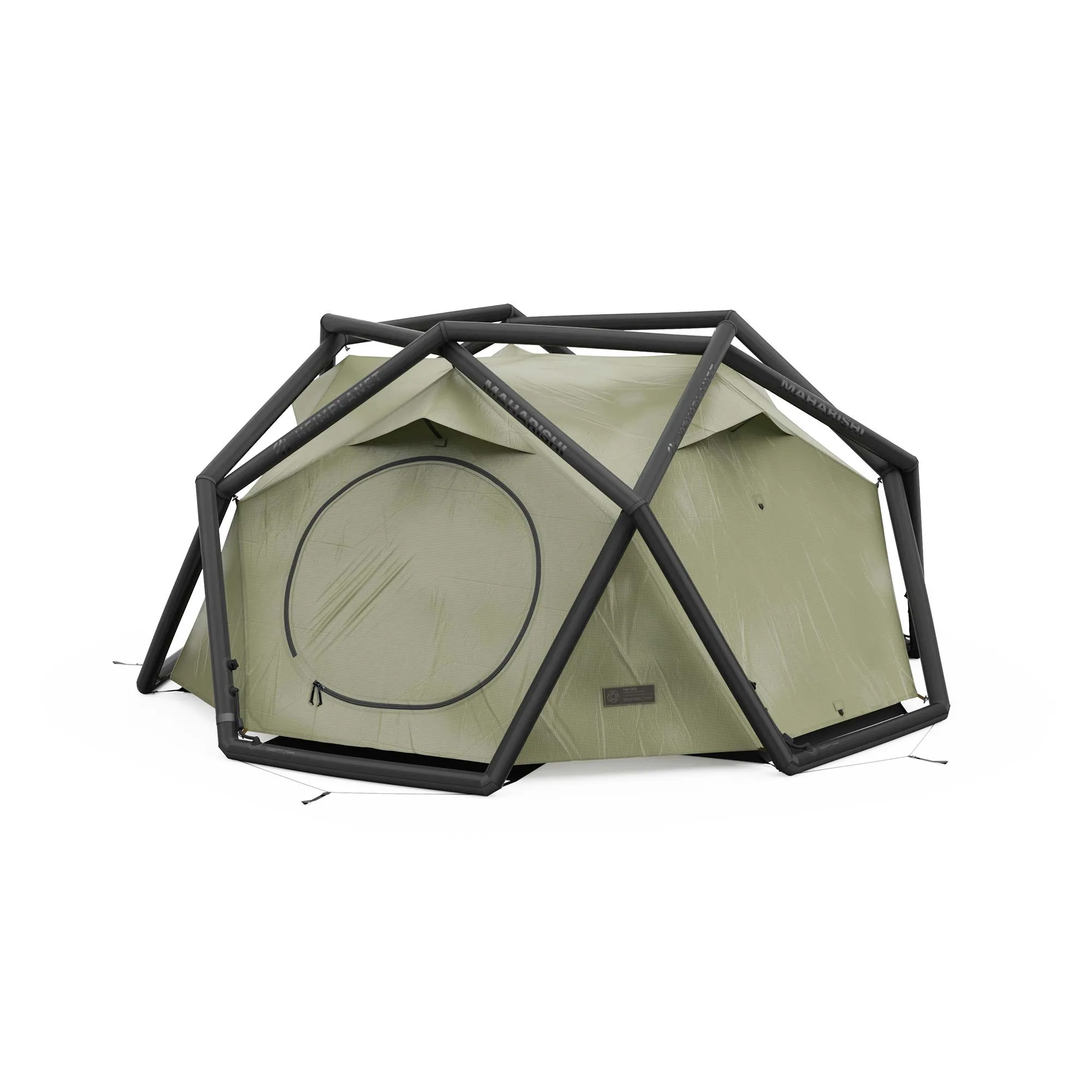
In this guide, we'll break down the key differences between merino wool and synthetic base layers. We'll compare moisture management, insulation when wet, odor resistance, durability, comfort, and price. By the end, you'll know exactly which material suits your next cold-weather camping trip. Plus, we'll show you how to complete your layering system with smart accessories from Heimplanet.
Moisture Management: Wicking Away Sweat
A base layer's primary job is to move moisture away from your skin to keep you dry. Synthetic fabrics like polyester and nylon are engineered with hydrophobic fibers that actively wick sweat to the fabric's outer surface, where it can evaporate quickly. This makes synthetics excellent for high-output activities like hiking uphill with a heavy pack. They dry fast and don't absorb much water, so you stay relatively dry even when working hard.
Merino wool, by contrast, is hydrophilic — it absorbs moisture into the fiber itself. However, merino can absorb up to 30% of its weight in water without feeling wet. The moisture is held within the fiber, away from your skin. This means merino feels less clammy than synthetics when you're sweating moderately. But if you're drenched, merino takes longer to dry than synthetic. For cold-weather camping where you alternate between exertion and rest, merino's moisture-buffering property can be a real advantage, keeping you comfortable during both phases.
- Synthetic: Best for high-intensity activities where rapid drying is critical.
- Merino: Ideal for variable output — hiking, then sitting around camp.
Insulation When Wet: Staying Warm in the Worst Conditions
In cold weather, getting wet can be dangerous. If your base layer gets soaked from rain, snowmelt, or heavy sweat, its ability to insulate becomes a safety factor. Synthetic fibers repel water and retain most of their insulating loft even when wet. They also dry quickly, so if you get caught in a downpour, you can recover warmth faster once you're under shelter.
Merino wool, being a natural fiber, loses some insulating ability when wet. However, it still provides warmth when damp — far better than cotton. The key is that merino generates heat through the friction of its crimped fibers, even when moist. Many campers find merino keeps them warm enough during light rain or after a sweaty climb. For extreme wet conditions, synthetics have the edge. But for typical cold-weather camping where you can manage moisture with layering and a shell, merino performs admirably.
- Synthetic: Retains insulation when wet; dries quickly.
- Merino: Still warm when damp; slower to dry but comfortable.
Odor Resistance: Staying Fresh on Multi-Day Trips
One of the biggest complaints about synthetic base layers is that they trap odors. Bacteria from sweat thrive on synthetic fibers, and after a day or two of hard use, your shirt can become quite pungent. This is a real issue on multi-day camping trips where you can't wash clothes easily. Some synthetic fabrics are treated with antimicrobial finishes, but these wash out over time.
Merino wool is naturally antimicrobial. The lanolin in wool inhibits bacterial growth, which means merino resists odors far better than synthetics. You can wear a merino base layer for several days without it smelling bad. This makes merino the top choice for extended backcountry trips. Even if you sweat heavily, merino stays fresher longer. For cold-weather camping where you might wear the same base layer for days, merino is a clear winner.
- Synthetic: Odor-prone; requires frequent washing on long trips.
- Merino: Naturally odor-resistant; perfect for multi-day adventures.
Durability and Care: How Long Will They Last?
Synthetic base layers are tough. They resist abrasion, stretching, and pilling. You can throw them in the washing machine and dryer without much worry. They're ideal for rugged activities like bushwhacking or scrambling over rocks. However, synthetics can melt if exposed to high heat, so keep them away from campfires and drying on radiators.
Merino wool is more delicate. Fine merino fibers are prone to pilling and can develop holes with rough use. Machine washing on gentle cycle and air drying is recommended. Merino also shrinks if washed in hot water. That said, many modern merino blends add nylon or spandex for durability. If you're careful with your gear, merino can last for years. For the rough-and-tumble camper, synthetics are more forgiving. For the careful minimalist, merino rewards gentle care with exceptional comfort.
- Synthetic: Very durable; easy care; machine wash and dry.
- Merino: Delicate; requires gentle washing; blends improve durability.
Comfort and Feel: Next-to-Skin Sensation
Comfort is subjective, but most people find merino wool softer and more pleasant against the skin than synthetic fabrics. High-quality merino (18-20 microns) is incredibly fine and doesn't itch. It feels like a second skin. Merino also regulates temperature better — it keeps you warm when it's cold and cool when it's warm, thanks to its natural crimp that traps insulating air.
Synthetics can feel slick or plasticky, though modern microfiber versions are much softer than older polyester. Some people prefer the smooth, non-absorbent feel of synthetics, especially during sweaty activities. Synthetics also don't hold onto moisture, so they feel drier when you're moving. For all-day comfort in variable conditions, merino often wins. For high-output exercise, synthetics have a slight edge.
- Synthetic: Smooth, non-absorbent; feels dry during activity.
- Merino: Soft, breathable, temperature-regulating; feels natural.
Price and Value: Investing in Your Layering System
Merino wool base layers are significantly more expensive than synthetics. A quality merino shirt can cost $80-$120, while a comparable synthetic might be $30-$60. The higher price reflects the cost of sourcing fine wool and the manufacturing process. However, merino's odor resistance and temperature regulation can justify the investment for serious campers.
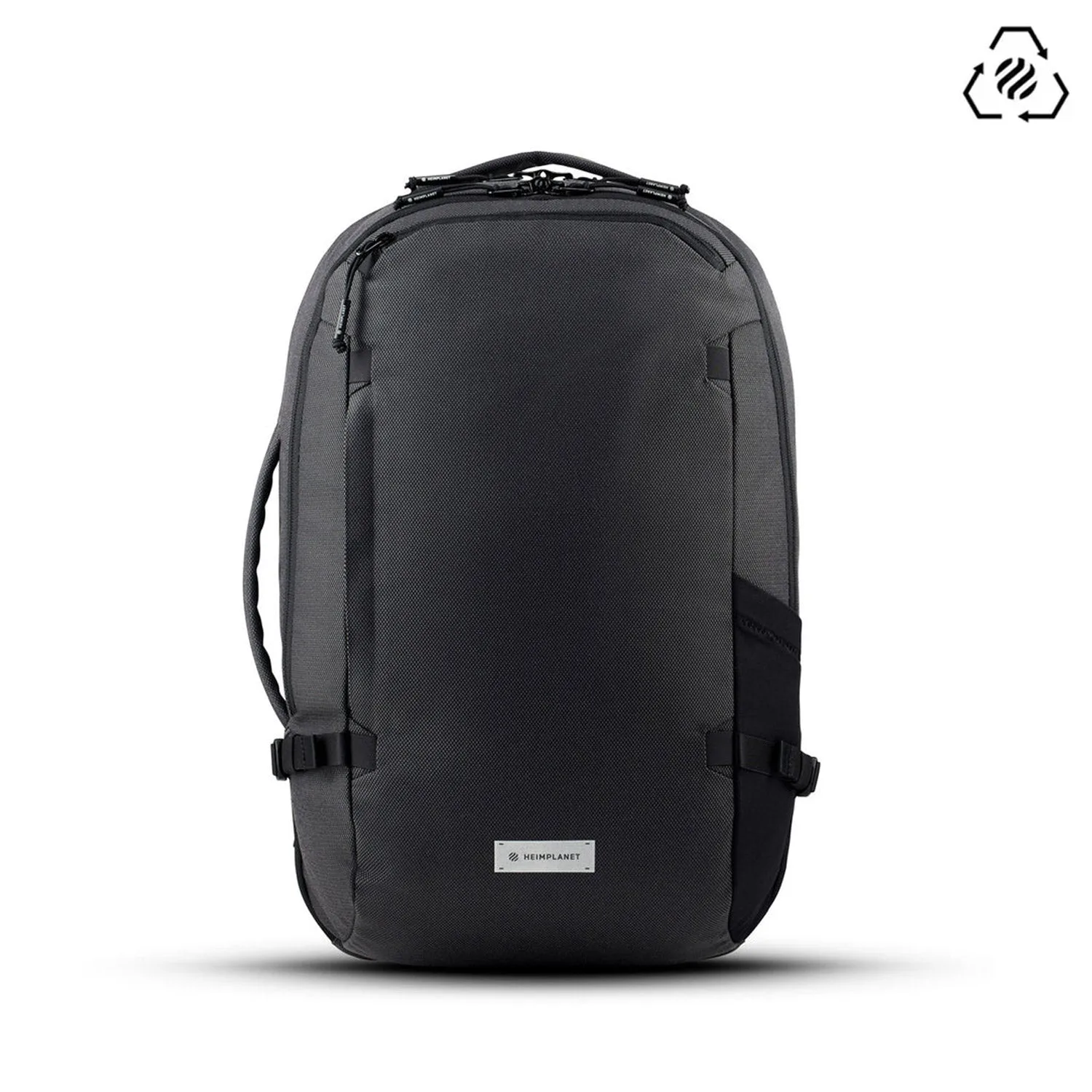
Synthetics offer great value for money. They perform well, last long, and are affordable enough to buy multiple sets. If you're on a budget or just starting out, synthetics are a smart choice. Many experienced campers own both: synthetics for high-exertion days and merino for rest days or base layers worn around camp. Pair your base layer with a quality pack like the Carry Essentials Commuter Pack to keep your gear organized and accessible.
- Synthetic: Budget-friendly; great performance for the price.
- Merino: Premium investment; superior comfort and odor control.
How to Choose the Right Base Layer for Your Trip
Consider your typical camping style. If you're a fast-and-light hiker who sweats heavily and moves quickly, a synthetic base layer will serve you well. It wicks moisture fast, dries quickly, and stands up to abuse. If you enjoy a slower pace with time spent around camp, or if you're on a multi-day trip where washing isn't possible, merino is the better choice.
Also think about layering. A synthetic base layer works best under a breathable mid-layer for active pursuits. Merino works well under any layer and is comfortable worn alone. For extreme cold, you might even wear a merino base with a synthetic mid-layer for maximum performance. Don't forget accessories: a good pair of gloves or a hat can make all the difference. And for carrying your layers, a reliable backpack like the Mono Series Minimal Pack keeps everything organized without adding bulk.
- Active, high-sweat trips: Choose synthetic.
- Multi-day, low-activity trips: Choose merino.
- Best of both: Own one of each for different conditions.
Your base layer is the foundation of your cold-weather camping comfort. Merino wool offers unbeatable odor resistance, natural softness, and temperature regulation — perfect for extended trips and relaxed camping. Synthetic fabrics excel at moisture wicking, durability, and quick drying — ideal for high-output adventures. Whichever you choose, pair it with smart gear from Heimplanet to elevate your outdoor experience. Check out the Carry Essentials Commuter Pack for a versatile way to carry your layers and essentials on your next cold-weather trip.