Quick answer
There is no single winner. Merino wool, like Houdini's Desoli Thermal Half Zip, regulates temperature and resists odor naturally, making it ideal for multi-day or low-to-moderate output. Synthetics, such as the https://houdinisportswearnc.com/products/power-top-hat-850002-f9c198cedc747c335174238d-1842965Power Top Hat's Polartec Power Stretch Pro, dry faster and handle high-sweat intensity. Choose based on your activity, climate, and how often you can wash.
Choosing a base layer often comes down to merino wool vs synthetic. Each has real strengths and trade-offs, and the right pick depends on how you move, how much you sweat, and how often you do laundry.
We'll compare the two materials on warmth, moisture management, odor, durability, and fit, using real Houdini products as examples. You'll get clear guidance on which fabric suits your next adventure.
How merino wool and synthetics handle moisture and warmth
Merino wool fibers absorb moisture vapor and release it slowly, so you stay dry without a chill. Houdini's Desoli Thermal Half Zip uses Solid Gridmerino, a 270 g/m2 fabric made from 100% 17.6 μm merino wool. That grid structure traps air for insulation while remaining breathable, making it excellent for stop-and-go activities in cool weather.
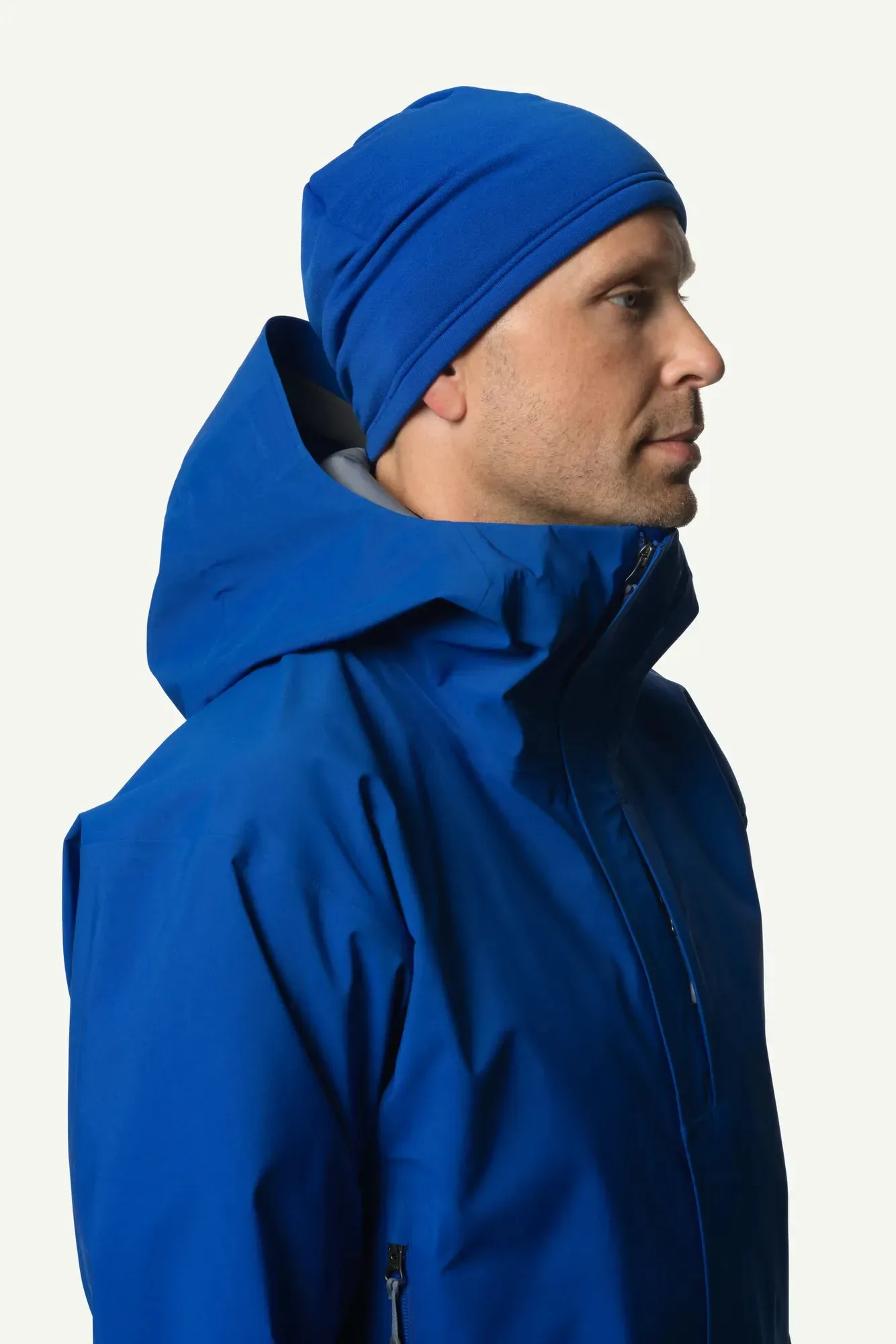
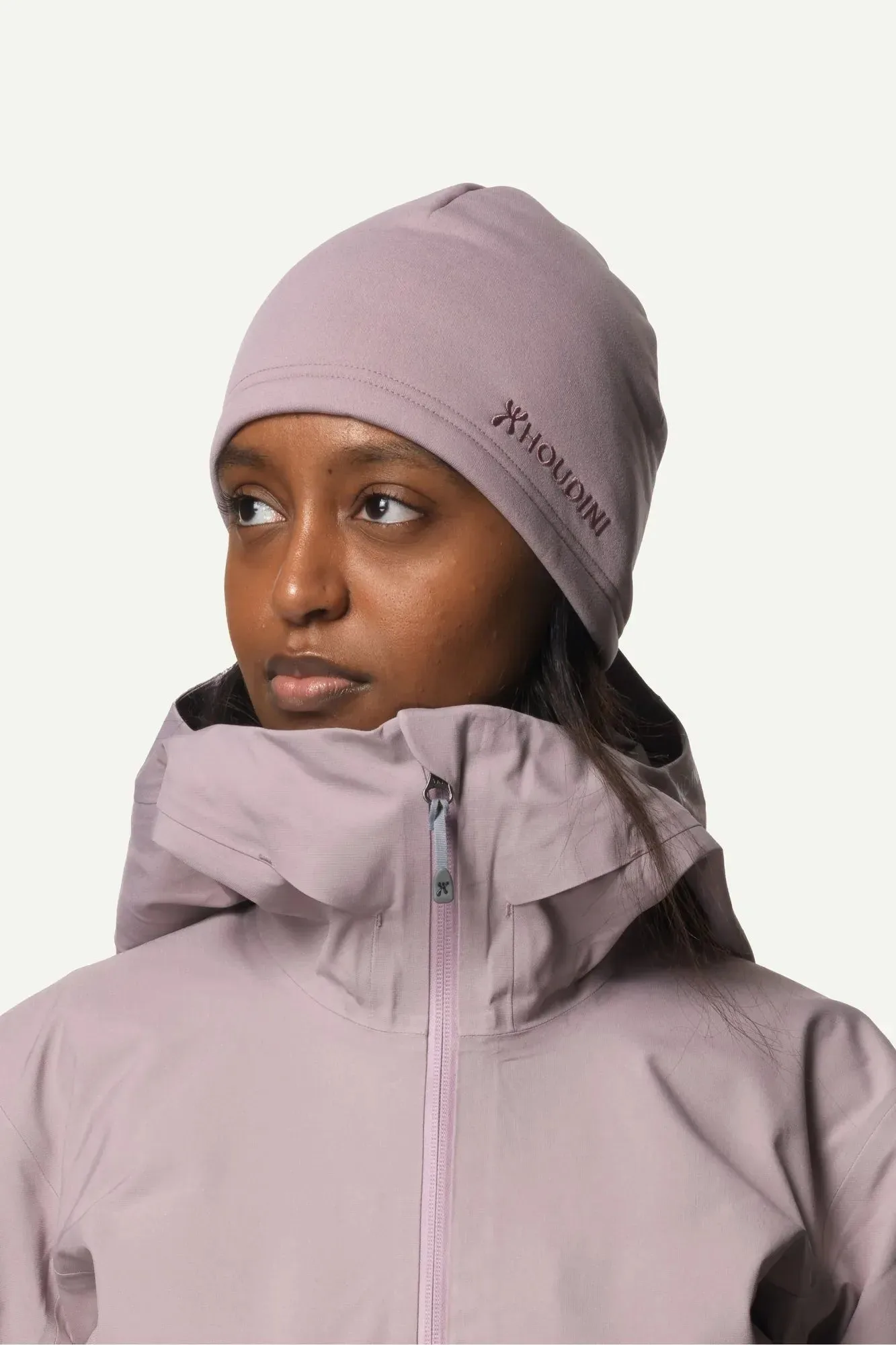
Synthetic fabrics like polyester wick liquid sweat quickly to the surface, where it evaporates. They don't absorb much water, so they feel drier next to skin during intense output. However, they can feel clammy when you slow down. The Power Top Hat uses Polartec Power Stretch Pro, a fleece that moves moisture and dries fast, ideal for high-energy winter sports.
- If you alternate between hard efforts and rest, merino's slow release prevents post-sweat chill.
- For constant high output, synthetics keep you drier but may cool you when you stop.
Odor resistance: natural vs treated
Merino wool naturally resists odor because its fibers trap odor molecules and release them when washed. That's why the Desoli Thermal Balaclava, made of 100% superfine merino, can be worn multiple times between washes without smelling. This is a big plus for multi-day trips or travel where laundry is limited.
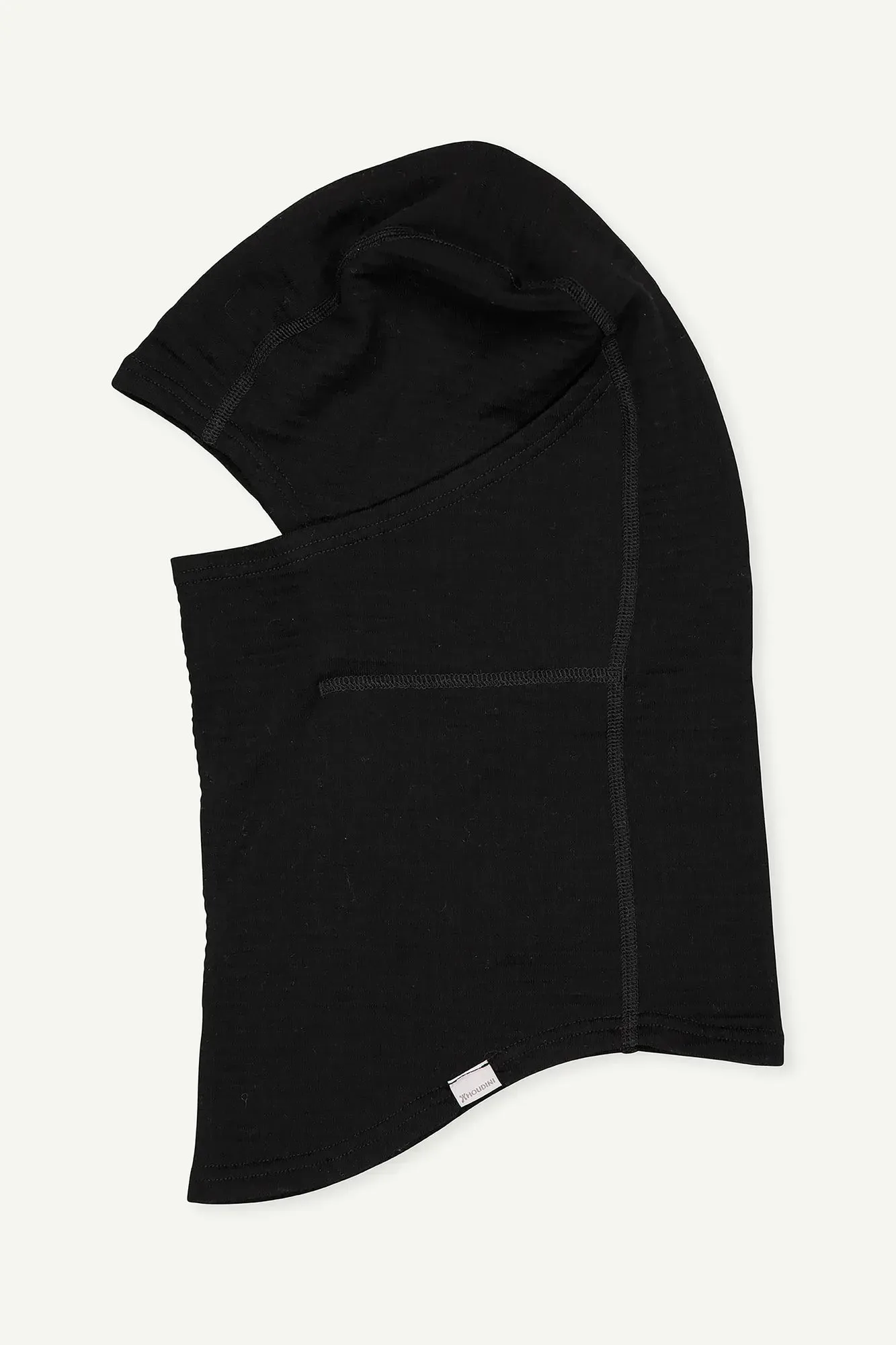
Desoli Thermal Balaclava
Synthetics tend to hold odor because bacteria thrive on the oils and sweat they retain. Some synthetics are treated with antimicrobial finishes, but those can wash out over time. If you plan to wear a base layer for several days, merino is the more reliable choice.
- For backpacking or ski touring, merino lets you pack fewer layers.
- For daily gym use, synthetics are fine if you wash after each wear.
Durability and care
Synthetics are generally more abrasion-resistant and hold their shape well. They also dry faster, which is convenient for frequent washing. However, they can pill and snag over time. Merino wool is softer and more delicate; it can develop holes if not cared for properly. Houdini's merino pieces are designed for longevity, but they require gentle washing and air drying.
The M's Tree Chore Pants use TENCEL Lyocell ripstop, a plant-based synthetic that is very durable for its weight and soft. While not a base layer, it shows how synthetic blends can offer durability and comfort. For base layers, follow care labels: use wool cycle, avoid fabric softener, and lay flat to dry.
- Merino: wash less often, use wool detergent, and store folded.
- Synthetics: wash after heavy use, avoid high heat to prevent shrinkage.
Fit and layering
Base layers should fit snugly to maximize moisture transfer, but not so tight that they restrict movement. Merino wool has natural stretch and molds to your body, while synthetics often rely on elastane for stretch. The Desoli Thermal Half Zip is a half-zip base layer with a minimalist design, available in select colors and sizes. It layers easily under a midlayer or shell.
The Power Up Houdi, a relaxed-fit hoodie, shows how fit affects layering. Its looser silhouette allows for more layers underneath, but it's not a base layer. For base layers, choose a size that sits close to skin without gaps. If between sizes, size up for merino to avoid overstretching, and size down for synthetics if you want a compressive feel.
- Try base layers on with your midlayer to ensure no bunching.
- Look for flatlock seams to avoid chafing under packs.
Trade-offs at a glance
- Moisture management: Merino absorbs vapor and releases slowly, reducing chill; synthetics wick liquid sweat faster but can feel clammy when you stop. Choose merino for stop-and-go; synthetics for constant high output.
- Odor resistance: Merino naturally resists odor; synthetics require antimicrobial treatments that may fade. Merino wins for multi-day wear; synthetics need frequent washing.
- Durability and care: Synthetics are more abrasion-resistant and dry faster; merino is softer but more delicate and needs gentle care. Synthetics for rough use; merino for comfort with careful washing.
Houdini products that illustrate the difference
- M's Desoli Thermal Half Zip: Made from Solid Gridmerino, a fabric of 100% pure 17.6 μm merino wool at 270 g/m2, providing insulation and breathability. This merino base layer is ideal for cool-weather activities where you want warmth without overheating, and it resists odor for multi-day use.
- Desoli Thermal Balaclava: Constructed from 100% superfine merino wool, combining natural comfort with technical performance. Shows merino's versatility for accessories, offering softness and odor resistance for high-intensity outdoor sports.
- Power Top Hat: Made with Polartec Power Stretch Pro, a warm, moisture-wicking fleece with a soft inside and smooth, durable outside; Bluesign certified. Demonstrates synthetic fabric's fast moisture transfer and durability, suitable for high-output activities like skiing or running.
Which should you choose?
Best for
- Multi-day trips or travel where laundry is limited (merino)
- Cold, dry conditions with variable output (merino)
- High-intensity activities with heavy sweating (synthetics)
- Budget-conscious buyers who wash after each use (synthetics)
Not for
- Those who want easy machine washing and quick drying (choose synthetics)
- People who dislike the feel of wool next to skin (choose synthetics)
- Those needing maximum durability for abrasive use (choose synthetics)
- Anyone who wants natural odor resistance without treatments (choose merino)
Both merino wool and synthetic base layers have distinct advantages. Match the fabric to your activity, climate, and laundry habits. If you prioritize odor resistance and natural comfort, go merino. If you need fast drying and durability for intense sweat, go synthetic. Houdini offers quality options in both categories to suit your needs.