Start with the numbers, then judge the shape
Sunglasses fit comes down to two things: the frame's measurements and how its silhouette interacts with your features. The Mesa is listed as a medium fit with a structured rectangular shape, so the most useful first step is comparing its dimensions with a frame you already wear comfortably.
The supplied size is 52 mm – 23 mm – 145 mm, listed as lens width, bridge length (the distance between lenses), and temple length. Those three numbers tell you how wide each lens is, how much nose-bridge space the frame expects, and how far the arms reach toward your ears. They do not tell you how the frame will feel on your particular nose or face width, so treat them as a starting filter rather than a verdict.
Mesa frame measurements at a glance
-
Mesa Sunglasses: Size: 52 mm – 23 mm – 145 mm (lens width – bridge length – temple length), listed as a medium fit. Compare these to a pair you already own; a close match in all three numbers is the strongest signal that the Mesa will sit similarly.
Mesa Sunglasses
-
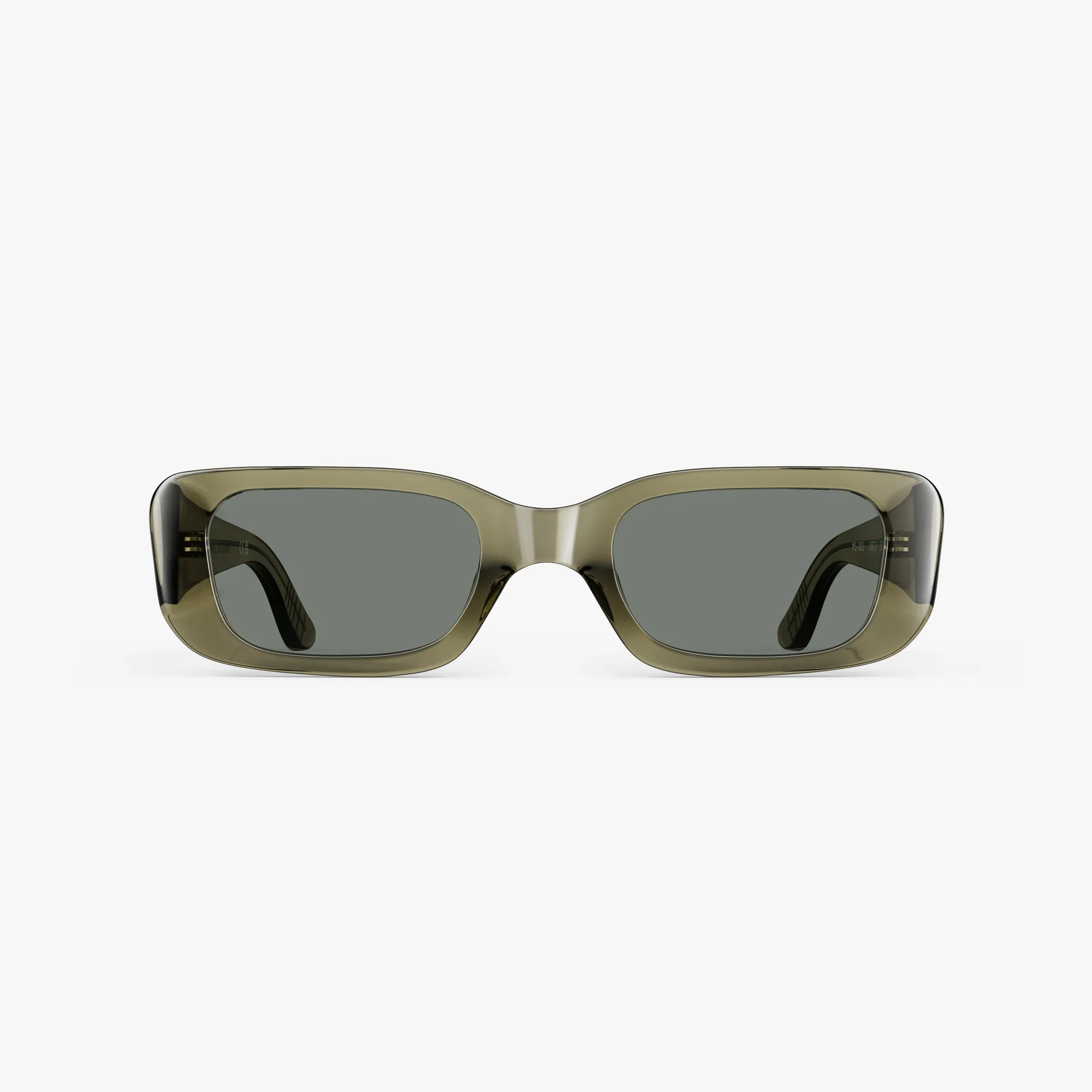
Mesa Sunglasses: Structured rectangular silhouette designed to sharpen softer features and reinforce natural facial structure. The shape, not just the size, is what makes the Mesa read as defined on the face, so it suits readers who want angular contrast.
-
Mesa Sunglasses: Precision 5-barrel hinges and an integrated metal wire core in each temple for strength and an adjustable fit. The wire core means the temples can be adjusted, which helps when the 145 mm length is close but the frame still needs fine-tuning.
How the rectangular shape reads on different faces
The Mesa's description gives a clear design intent: a rectangular frame that brings clarity and definition. Use that as your guide rather than a rigid face-shape rulebook.
- Rounder or softer features: This is where the Mesa's angular silhouette does the most work. The rectangular lines add definition and contrast, which is why choosing sunglasses for round faces often means reaching for a frame with straight edges rather than curves.
- Angular or square-leaning features: A rectangular frame echoes rather than contrasts with an angular face. That can look deliberate and sharp, but if you want softness, try the frame on and check whether the straight lines feel balanced rather than repetitive.
- Oval or balanced features: Most frame shapes work here, so the decision shifts to proportion: does the 52 mm lens width cover your eye area without extending far past your cheekbones?
- Heart-shaped or wider forehead: A medium rectangular frame can feel narrow at the top. Check the front width against your temple-to-temple measurement before deciding.
A practical fit check before you buy
These checkpoints use the supplied measurements and construction details. They are general fitting guidance, not a manufacturer's adjustment procedure.
- 1. Measure a frame you already like: Look for the three numbers printed on the inside of a comfortable pair's temple. If they are close to 52-23-145, the Mesa is likely to sit similarly.
- 2. Check the bridge against your nose: The 23 mm bridge is the distance the frame expects between lenses. A bridge that is too wide lets the frame slide; too narrow can pinch. Your existing frame's bridge number is the best reference you have.
- 3. Confirm the lens width covers your eye area: At 52 mm per lens, the Mesa is a medium-width frame. Hold a ruler across your face at eye level and compare where the lens edges would land relative to your cheekbones.
- 4. Plan for temple adjustment: The integrated metal wire core in each temple means an optician can fine-tune the arms for grip and comfort. If the 145 mm temple length is slightly long or short, that is the part to have adjusted.
- 5. Match the lens category to your light: The Mesa comes in CAT.2 and CAT.3 options. CAT.2 is the lighter tint; CAT.3 is darker. Choose based on how bright your typical conditions are, and note that the supplied information does not include VLT percentages for each colourway.
Choosing a Mesa colourway
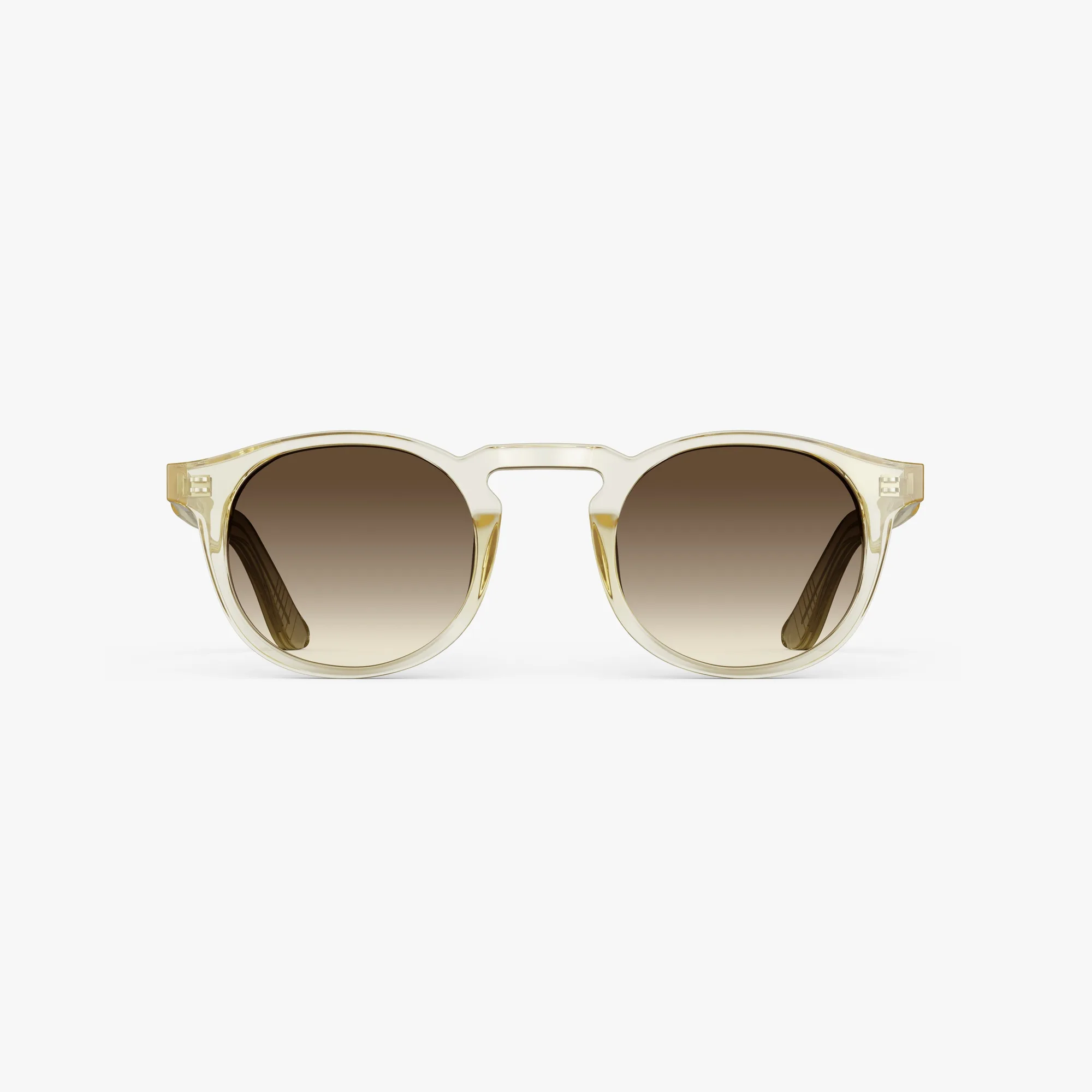
- Crystal Sencha / Grey Green Lens: A translucent frame with a grey-green lens in CAT.2. The lighter lens category suits readers who want a less dark tint.
- Crystal Espresso / Brown Lens: Translucent brown frame with a brown lens in CAT.3, the darker of the two categories shown.
- Tortoise / Dusk Lens: A classic tortoise frame paired with a dusk lens; the supplied record does not list a lens category for this colourway.
- Black / G15 Lens: A solid black frame with a G15 lens; the supplied record does not list a lens category for this colourway.
What the materials mean for comfort
The Mesa uses Mazzucchelli cellulose acetate for the frame and ZEISS CR39 polymer lenses with 100% UV protection. Acetate is a rigid material that holds its shape, which is part of why the rectangular silhouette stays crisp, but it also means the initial fit matters: adjustment at the hinges and temples is what makes a rigid frame comfortable.
The frame arrives with a generously sized microfibre cloth and a custom poly-filled soft case with magnetic closure. That case is useful for travel, but the supplied information does not include cleaning instructions, so follow general acetate and lens care rather than treating the cloth as a complete care kit.
Mesa product facts
- Mesa Sunglasses: ZEISS CR39 polymer lenses with 100% UV protection. UV protection is a baseline requirement for any sunglasses purchase, and this is confirmed in the supplied specifications.
- Mesa Sunglasses: Premium Mazzucchelli cellulose acetate frames. Acetate is the material behind the frame's structured look and its ability to be adjusted for fit.
- Mesa Sunglasses: Includes a generously sized microfibre cloth and a custom poly-filled soft case with magnetic closure. The case protects the frame when you are not wearing it, which matters for a rigid acetate frame.