Quick answer
Wellness teas are not medicine, and they will not melt fat, erase blemishes, or stop you getting sick. What they can do is deliver traditional herbs in a pleasant, hydrating, caffeine-free drink. If you expect a gentle daily ritual rather than a treatment, they are worth trying; if you expect clinical results, no tea will meet that bar.
Where the claims come from
Most wellness tea marketing borrows language from traditional herbalism, then quietly upgrades it to sound like clinical proof. Calendula, red clover, and burdock root have traditionally been used to help reduce inflammation and support clearance of toxins. That is a statement about historical use, not a measured outcome. Reading a label carefully means noticing the words traditionally used, may support, and helps maintain. Those are honest hedges, not loopholes, and they tell you the blend is positioned as everyday support rather than a drug.
What actually changes when you drink tea daily
The most reliable benefits of any herbal tea are boring and real: you drink more fluid, you take a pause, and you avoid the caffeine or sugar you might otherwise have had. If a blend replaces a third coffee or an evening glass of wine, that swap is doing more for you than any single herb. Judge a tea on whether you will actually drink it consistently, because a blend you enjoy twice a day beats a stronger-tasting one that sits in the cupboard.
How to read a wellness tea label without being fooled
Ignore the front of the box and read the ingredient list and the flavour description. If the herbs are listed but no amounts are given, you cannot know how much of each you are getting, and that is a limitation of the format rather than a hidden secret. Look for blends that tell you what they taste like, because flavour is the one thing you can verify before buying. A tea described as light and refreshing with mint, or grounded and earthy with ginger and lemongrass, sets an honest expectation you can test on the first cup.
Verdicts on common wellness tea claims
- Claim: Metabolism tea burns fat: No supplied blend makes this claim, and none of the catalog facts mention fat burning or weight loss. Herbs like ginger and lemongrass add flavour and warmth, not measurable calorie burn. Verdict: myth. Treat metabolism tea as a pleasant drink, not a weight-loss tool.
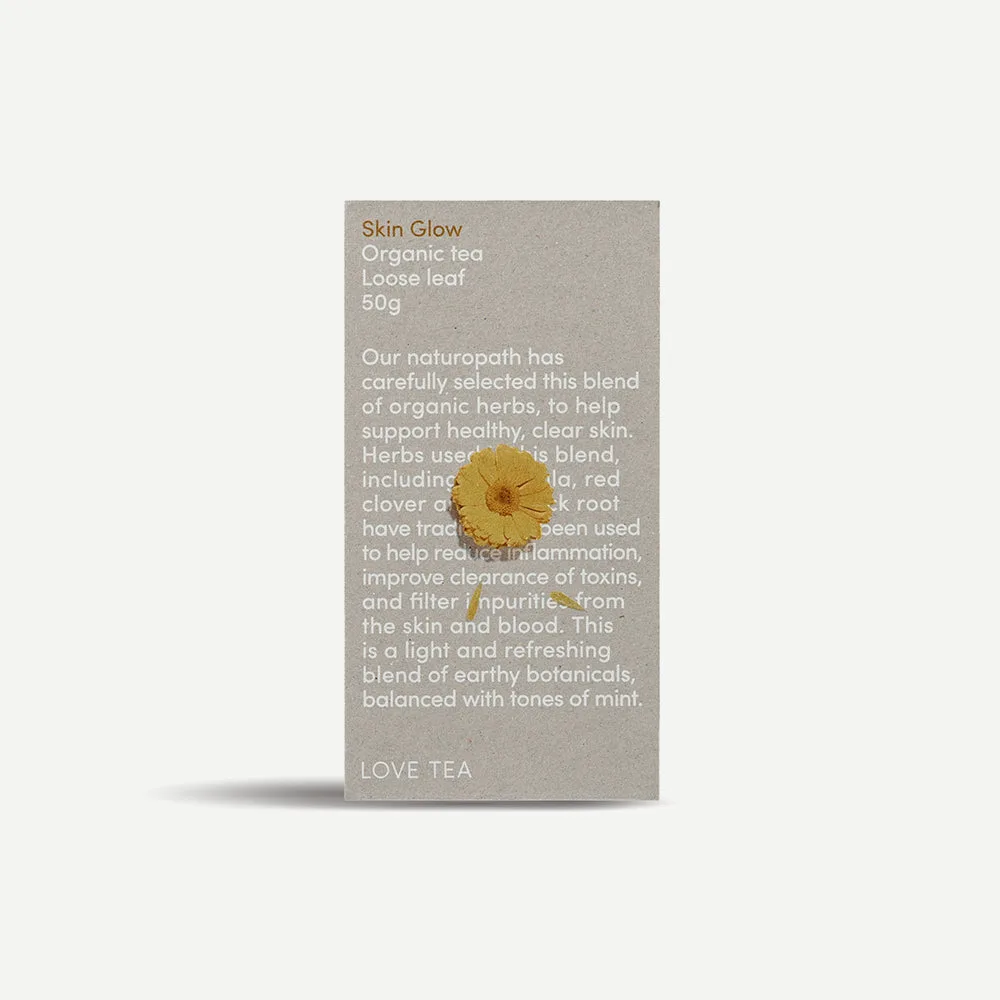
- Claim: Skin glow tea clears your skin: The Skin Glow Loose Leaf Tea uses calendula, red clover, and burdock root, which have traditionally been used to help reduce inflammation and filter impurities. That is traditional use, not a clinical result, and it works alongside skincare, not instead of it. Verdict: partially true at best. Expect gentle support, not a cure.
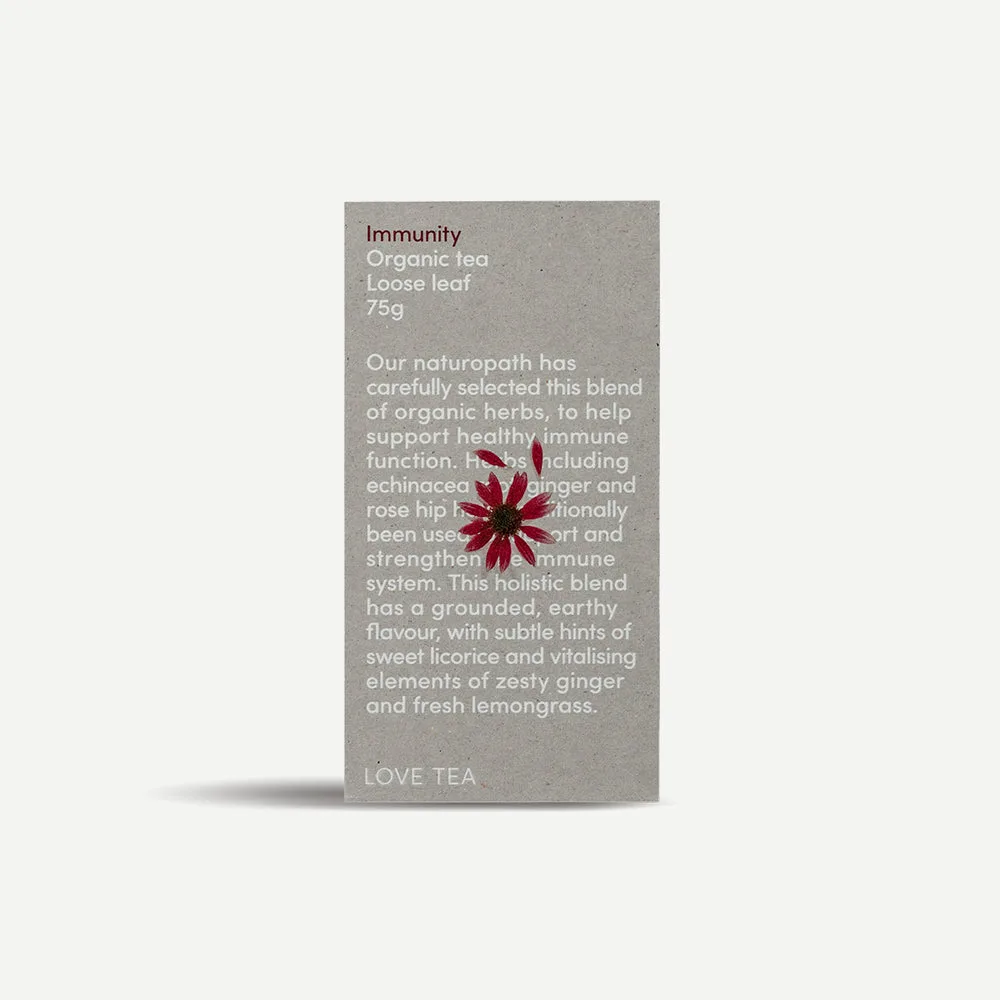
- Claim: Immunity tea stops you getting sick: The Immunity Loose Leaf Tea contains echinacea root, ginger, and rose hip, traditionally used to support and strengthen the immune system. No tea replaces sleep, nutrition, or medical advice, and the blend makes no prevention claim. Verdict: overstated. Use it as a comforting daily habit, not a shield.
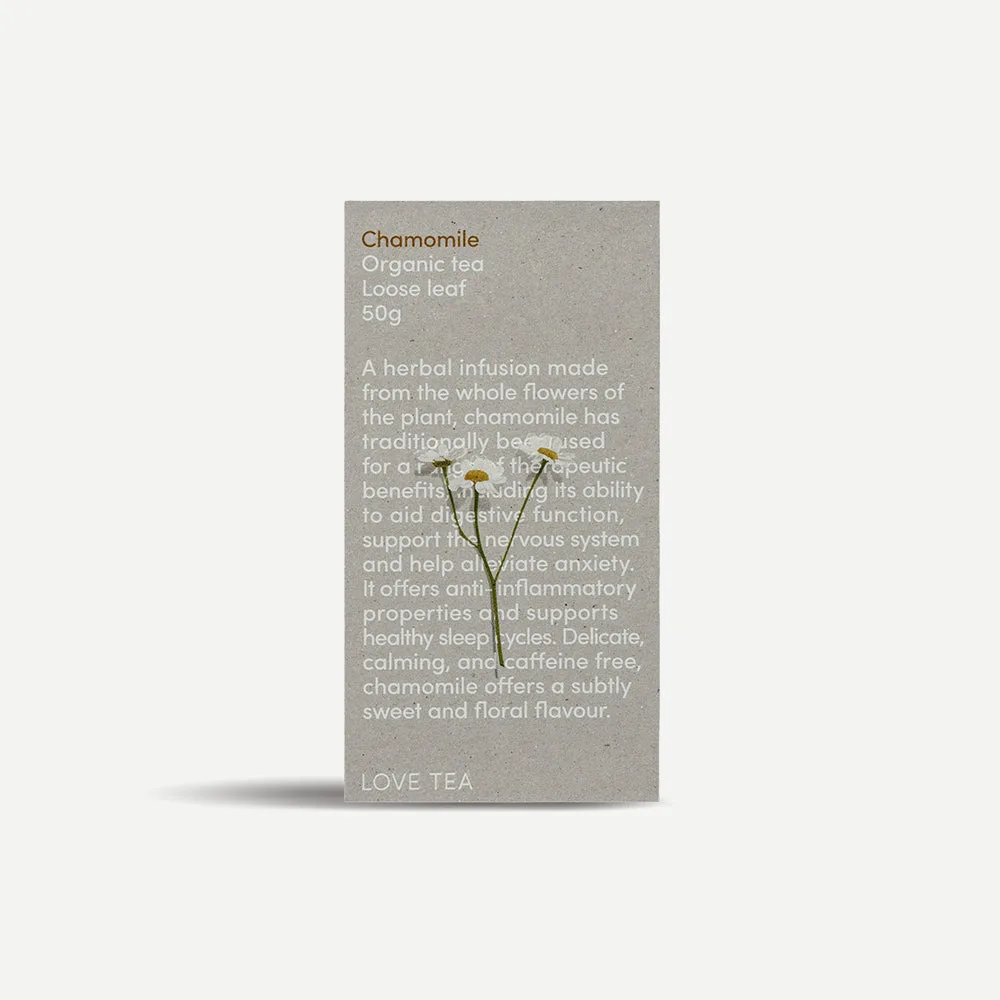
- Claim: If it is herbal, it is harmless: Herbs are active plants. Chamomile is traditionally used to support sleep and digestion, but anyone pregnant, nursing, or on medication should check with a clinician before drinking herbal blends daily. Verdict: false. Gentle does not mean inert.
What is actually in these blends
- Skin Glow Loose Leaf Tea: A naturopath-selected blend of organic herbs including calendula, red clover, and burdock root, traditionally used to help reduce inflammation, improve clearance of toxins, and filter impurities from the skin and blood. Light and refreshing, earthy botanicals balanced with mint. If you want a skin-focused herbal ritual rather than a topical routine, this is a caffeine-free option with a flavour profile that suits daily drinking. It supports traditional use, not a dermatological treatment.
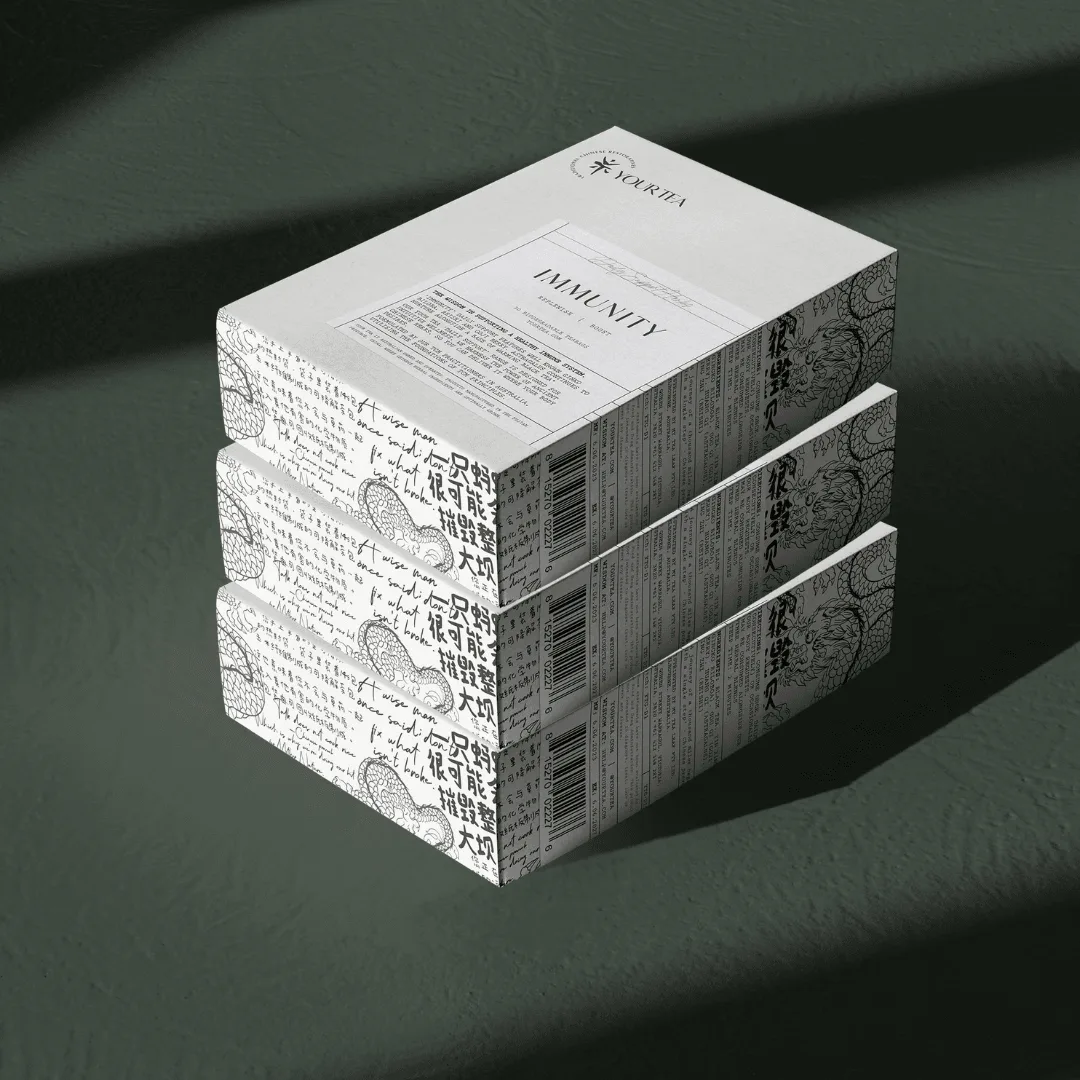
- Immunity Loose Leaf Tea: A naturopath-selected organic blend with echinacea root, ginger, and rose hip, traditionally used to support and strengthen the immune system. Grounded, earthy flavour with sweet licorice, zesty ginger, and fresh lemongrass. Caffeine free. A reasonable choice when you want a warming, caffeine-free drink during cold months or while travelling. It is not a substitute for sleep, vaccination, or medical care.
- Chamomile Loose Leaf Tea: A herbal infusion made from whole chamomile flowers, traditionally used to aid digestive function, support the nervous system, alleviate anxiety, and support healthy sleep cycles. Delicate, calming, subtly sweet and floral. Caffeine free. The most evidence-adjacent of the three for relaxation and wind-down routines, and the easiest to drink plain. Use it as a cue for rest, not as a sedative.