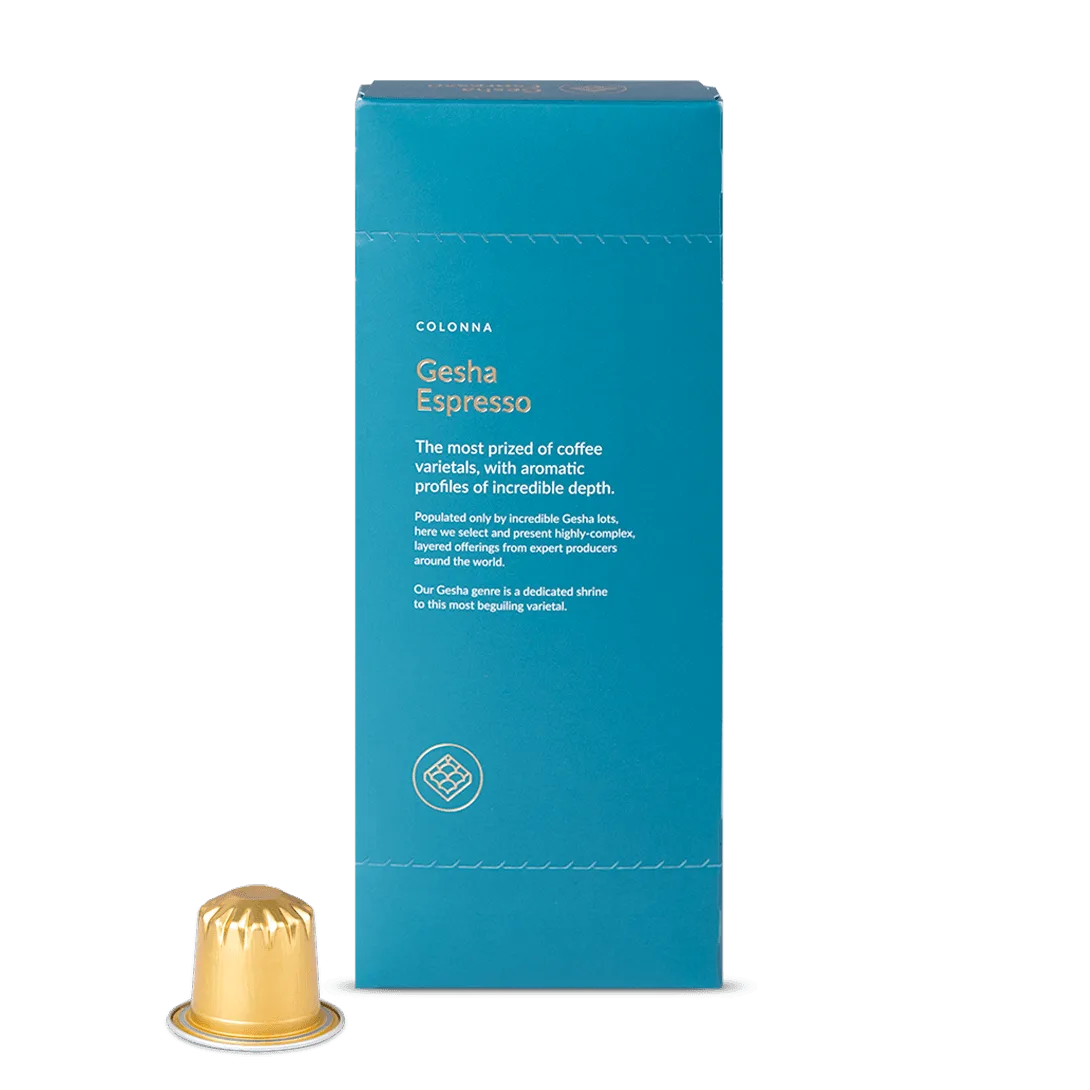
Precision brewing starts with accurate measurements. Every gram of coffee and water affects how your cup tastes, whether you're dialing in a delicate single-origin like 015 - Esmeralda Special Natural Gesha or pulling a consistent espresso shot. That’s why choosing the right coffee scale is one of the most important gear decisions for a home barista.
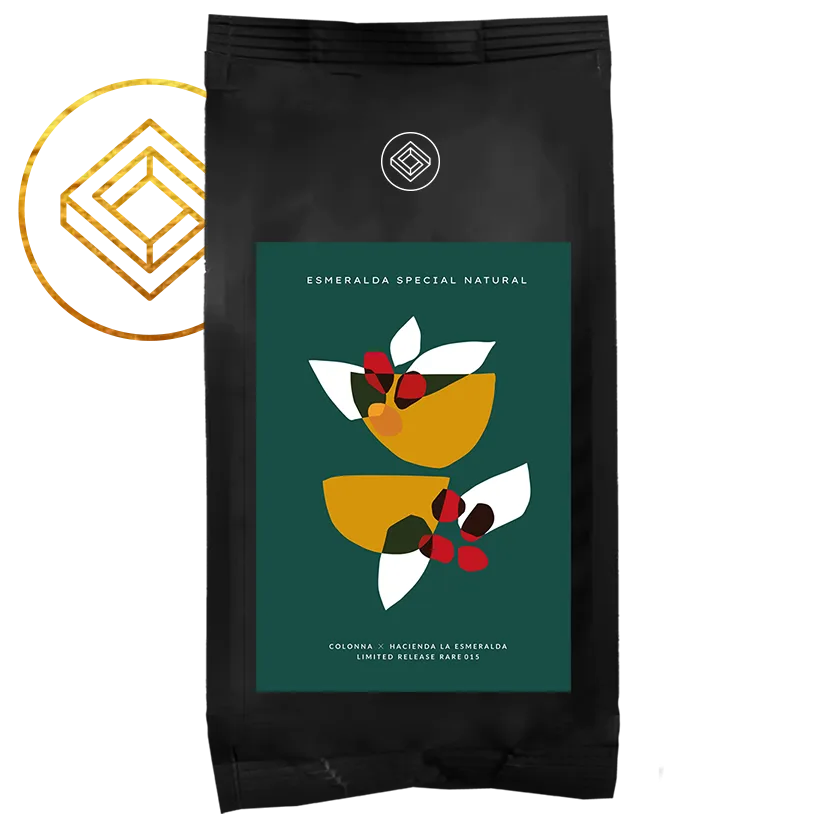
015 - Esmeralda Special Natural Gesha
Two popular options have emerged: the metal drip scale—often integrated with a pouring dripper and built-in timer—and the more traditional digital coffee scale, which you can pair with any dripper or espresso machine. Each has its own strengths and compromises. Let’s break down how they compare on precision, usability, and durability so you can decide which fits your brewing style.
What Is a Metal Drip Scale?
A metal drip scale is a scale designed specifically for pour-over coffee—it typically features a built-in drip tray made of stainless steel or aluminum that holds your dripper directly. Many models integrate a timer, auto-tare, and a compact footprint. The idea is simplicity: place your filter and coffee on the tray, tare, pour, and watch the time and weight on the same screen. Some even have a micro-USB rechargeable battery and water-resistant seals to handle daily rinsing.
Because the scale and drip tray are one piece, there’s less clutter on your counter. The metal surface also helps retain heat a bit better than plastic or glass, which can matter when you’re preheating your dripper. However, these scales often sacrifice portability—they’re bulkier than a standalone digital scale and may not fit under many espresso machines.
- Tip: Look for a metal drip scale with a response time under two seconds. Fast updates are critical for brew ratios like 1:16 where you control every pour.
What Is a Digital Coffee Scale?
Digital coffee scales have been the standard for years. They are standalone devices with a flat platform, a display (usually LCD or LED), and a tare function. High-end models offer 0.1 g resolution, a built-in timer, and flow-rate indicators. Best of all, they are incredibly versatile: you can use them for pour-over, espresso, French press, or even weighing green beans. Their slim profile lets you slide them under an espresso machine drip tray without issue.
That versatility comes with a trade-off: the platform is usually glass or plastic, which can be slippery when wet. You also need a separate drip tray or a dedicated spot for your dripper. Cleaning is slightly more involved because water can seep into the buttons or display if you’re not careful. Nevertheless, for anyone who brews multiple methods or wants a scale that travels easily, a digital coffee scale remains the most flexible choice.
- Tip: If you primarily brew pour-over but also pull espresso, a digital coffee scale with 0.1 g accuracy and a dedicated espresso mode (auto-tare when you place the portafilter) saves time.
Key Differences: Precision, Build, and Usability
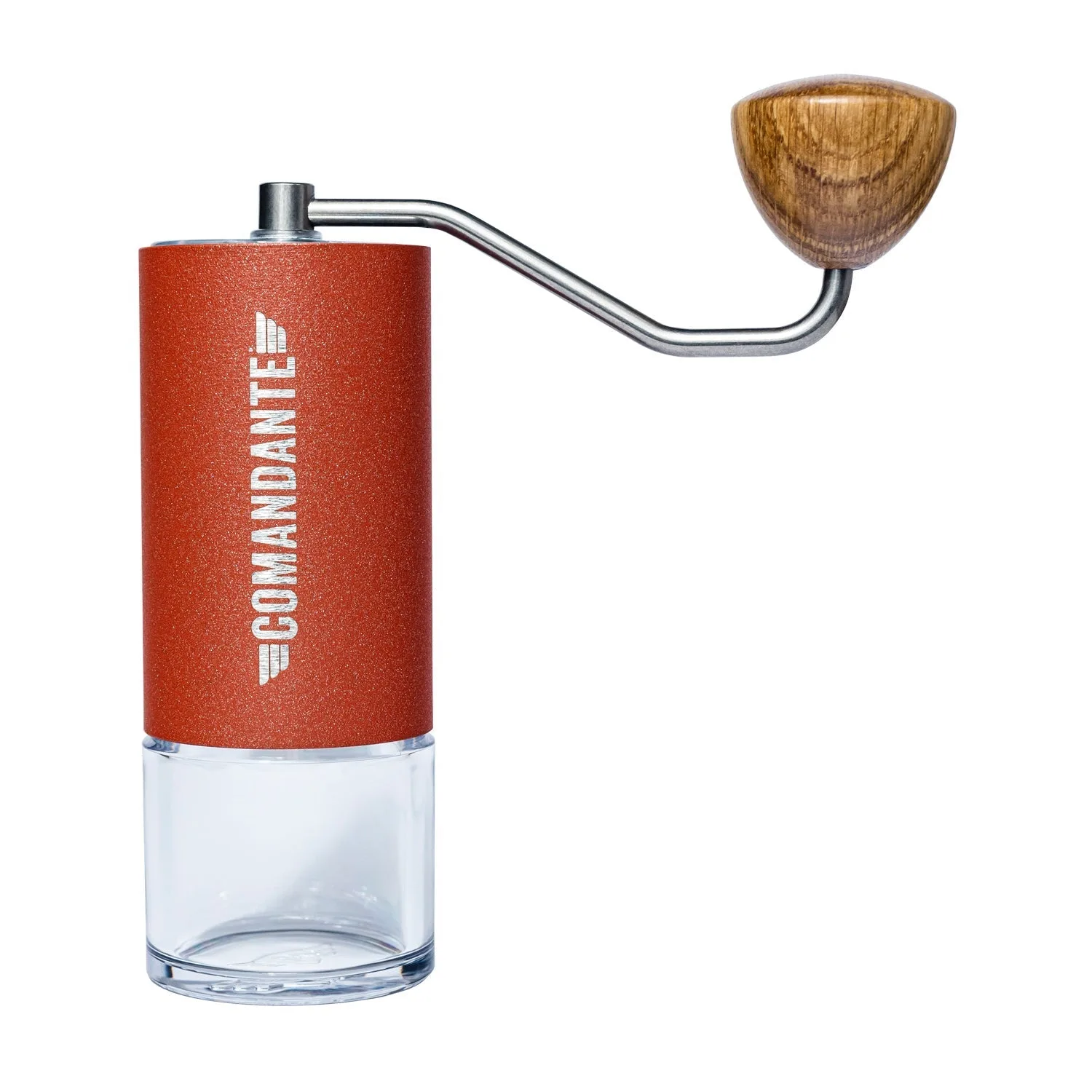
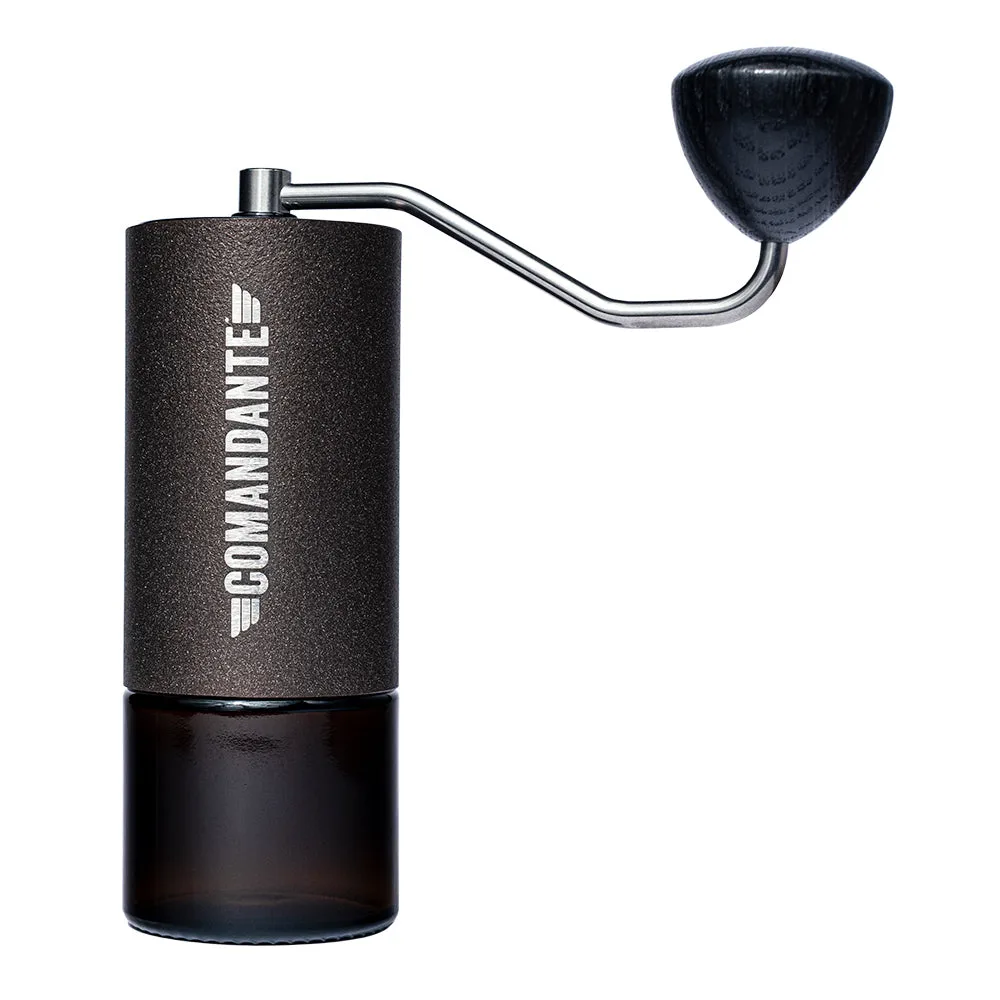
Both scale types can be precise, but the differences show up in daily use. Metal drip scales usually have a slower sensor refresh rate because they’re calibrated for stability on a metal surface—expect updates every 1–2 seconds. Digital coffee scales, especially those designed for coffee, often update 2–4 times per second, which lets you fine-tune your pour flow in real time. For a professional-style brew like the 1:15 ratio used with a https://beansyai.shop/products/comandante-c40-nitro-blade-coffee-grinder-mk4-133625https://beansyai.shop/products/comandante-c40-nitro-blade-coffee-grinder-mk4-133626https://beansyai.shop/products/comandante-c40-nitro-blade-coffee-grinder-mk4-133627Comandante C40 Nitro Blade Coffee Grinder MK4 on a medium-fine grind, that faster feedback can help you hit your target weight precisely.
Build quality goes both ways. Metal drip scales are inherently more durable against splashes and knocks, but their metal surface can scratch and may show water spots. Digital scales tend to use plastic housings that are lighter but more prone to damage if dropped. In terms of usability, metal drip scales win on convenience—tare and timer are usually in one hand—while digital scales win on flexibility. You can pair a digital scale with any dripper (V60, Kalita, Chemex) without being locked into a proprietary tray size.
Finally, think about longevity. Metal drip scales often have non-replaceable batteries, so when the battery dies after a few years, you replace the whole unit. Many digital coffee scales run on standard AAA or AA batteries, which you can swap in seconds. If sustainability matters to you, that’s a real factor.
Which One Should You Choose?
If your daily routine is strictly pour-over—especially with a cone dripper like a V60 or Kalita—and you value a tidy, all-in-one setup, a metal drip scale is a solid investment. It eliminates the need for a separate drip tray and keeps water away from the electronics. But be aware: you’ll sacrifice portability and won’t be able to use it easily for espresso or other methods.
If you brew multiple coffee styles (pour-over, espresso, cold brew), or if you like to travel with your gear, a digital coffee scale is the smarter choice. Its speed, replaceable batteries, and slim profile outweigh the slight inconvenience of needing a separate drip tray. For example, when you’re dialling in a complex natural-processed coffee like 015 - Esmeralda Special Natural Gesha, having a scale that updates every half-second helps you replicate the exact pouring pattern across multiple brews.
Ultimately, both scale types can deliver the precision you need. The real question is which one fits your counter space, your brewing habits, and your willingness to manage separate components.
Choosing between a metal drip scale and a digital coffee scale comes down to how you brew. For pour-over purists who want an integrated, splash-resistant station, a metal drip scale simplifies the workflow. For everyone else—those who switch between espresso and pour-over, need portability, or prefer replaceable batteries—a good digital coffee scale offers more flexibility and often faster response times. Whichever you pick, pair it with a consistent grinder like the Comandante C40 and fresh beans, and you’ll already be steps ahead of average coffee.