Quick Answer
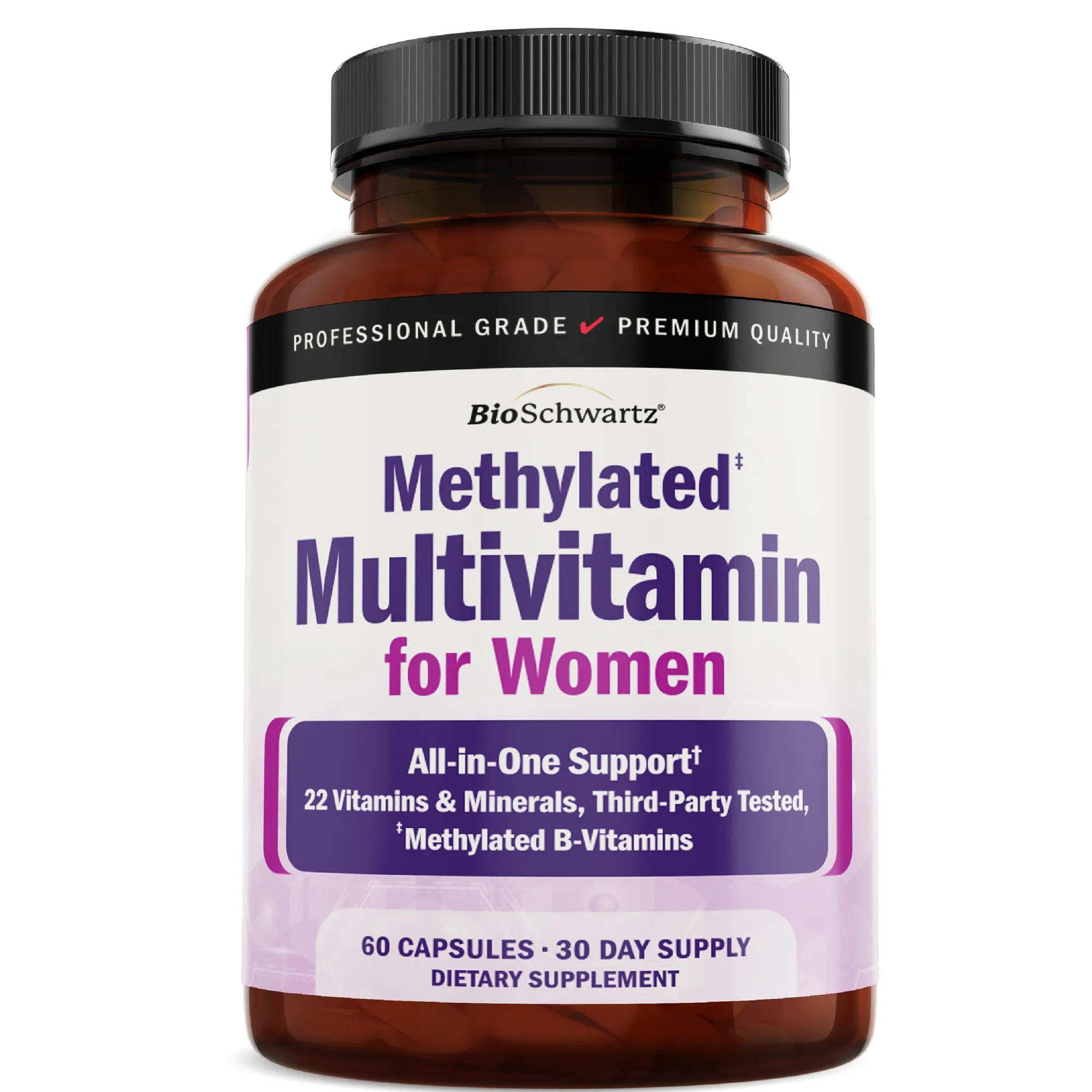
Methylated multivitamins contain B vitamins in their active, bioavailable forms, such as methylfolate and methylcobalamin, which are easier for your body to use. They are especially beneficial for people with MTHFR gene variations or those who have trouble converting folic acid. If you're looking for a multivitamin that supports energy and mental clarity, a methylated formula may be worth considering.
If you've ever felt confused by supplement labels, you're not alone. Terms like 'methylated' and 'methylfolate' are popping up more frequently, and it's natural to wonder what they mean and whether they matter. This article breaks down the science of methylated vitamins, their potential benefits, and who might benefit most from choosing a methylated multivitamin.
We'll also clear up common myths about methylated vitamins, so you can make an informed decision without the marketing hype.
What Are Methylated Vitamins?
Methylated vitamins are nutrients that have already been converted into their active, bioavailable forms. In the body, many vitamins need to go through several enzymatic steps to become usable. For B vitamins, this often involves a process called methylation, which is crucial for DNA repair, detoxification, and neurotransmitter production.
Common methylated forms include methylfolate (the active form of folic acid) and methylcobalamin (the active form of vitamin B12). These forms bypass the need for your body to convert them, which can be helpful for people with genetic variations that impair this conversion.
- Methylated vitamins are ready for your body to use immediately.
- They are often better absorbed than synthetic forms.
- Look for ingredients like methylfolate, methylcobalamin, and pyridoxal-5-phosphate (P5P).
Methylfolate vs. Folic Acid: What's the Difference?
Folic acid is a synthetic form of vitamin B9 that must be converted in the body to become active. This conversion requires an enzyme called MTHFR. However, up to 40% of the population has a genetic variation that reduces the efficiency of this enzyme, meaning they may not convert folic acid effectively.
Methylfolate, on the other hand, is the active form of B9 that doesn't require conversion. It's directly usable by the body, which can be especially important for those with MTHFR variations. Choosing a multivitamin with methylfolate ensures you're getting the most bioavailable form of this essential nutrient.
Who Should Consider a Methylated Multivitamin?
While everyone can benefit from methylated vitamins, certain groups may find them particularly advantageous. People with MTHFR gene variations, those with digestive issues that affect nutrient absorption, and individuals over 50 who may have reduced stomach acid and nutrient absorption can all benefit.
Additionally, athletes and those with high stress levels may have increased nutrient needs, making a methylated multivitamin a smart choice to support energy and cognitive function.
Common Myths About Methylated Vitamins
Myth 1: 'Methylated vitamins are just a marketing gimmick.' While it's true that not everyone needs methylated forms, for those with MTHFR variations, they can make a significant difference in how well their body utilizes B vitamins.
Myth 2: 'All multivitamins contain methylated nutrients.' Many multivitamins still use folic acid and cyanocobalamin. It's important to read labels carefully if you're specifically seeking methylated forms.
Myth-Busting Verdicts
- Myth: Methylated vitamins are only for people with MTHFR mutations.: While they are essential for those with MTHFR variations, anyone can benefit from the enhanced bioavailability of methylated B vitamins, especially as we age. Methylated vitamins are a safe, effective choice for most people.
- Myth: Folic acid and methylfolate are equally effective.: Folic acid requires conversion to become active, which can be inefficient in many individuals. Methylfolate is directly usable, making it a superior option for many. If you have MTHFR variations, choose methylfolate.
- Myth: All multivitamins contain methylated forms.: Many multivitamins still use folic acid and cyanocobalamin. Always read the label to ensure you're getting methylated nutrients. Check the ingredient list for methylfolate and methylcobalamin.
Methylated Multivitamin Options from BioSchwartz
- Men's 50+ Multivitamin Capsules: Promotes mental clarity & focus: BioSchwartz’s advanced formula men's 50+ multivitamin contains a superfood special blend of mushrooms that work to support vitality and help maintain long-term brain health, so you spend less time feeling foggy, and more time focused. For men over 50, supporting brain health is a key concern. This multivitamin includes ingredients that target mental clarity, making it a practical choice for those looking to maintain cognitive function.
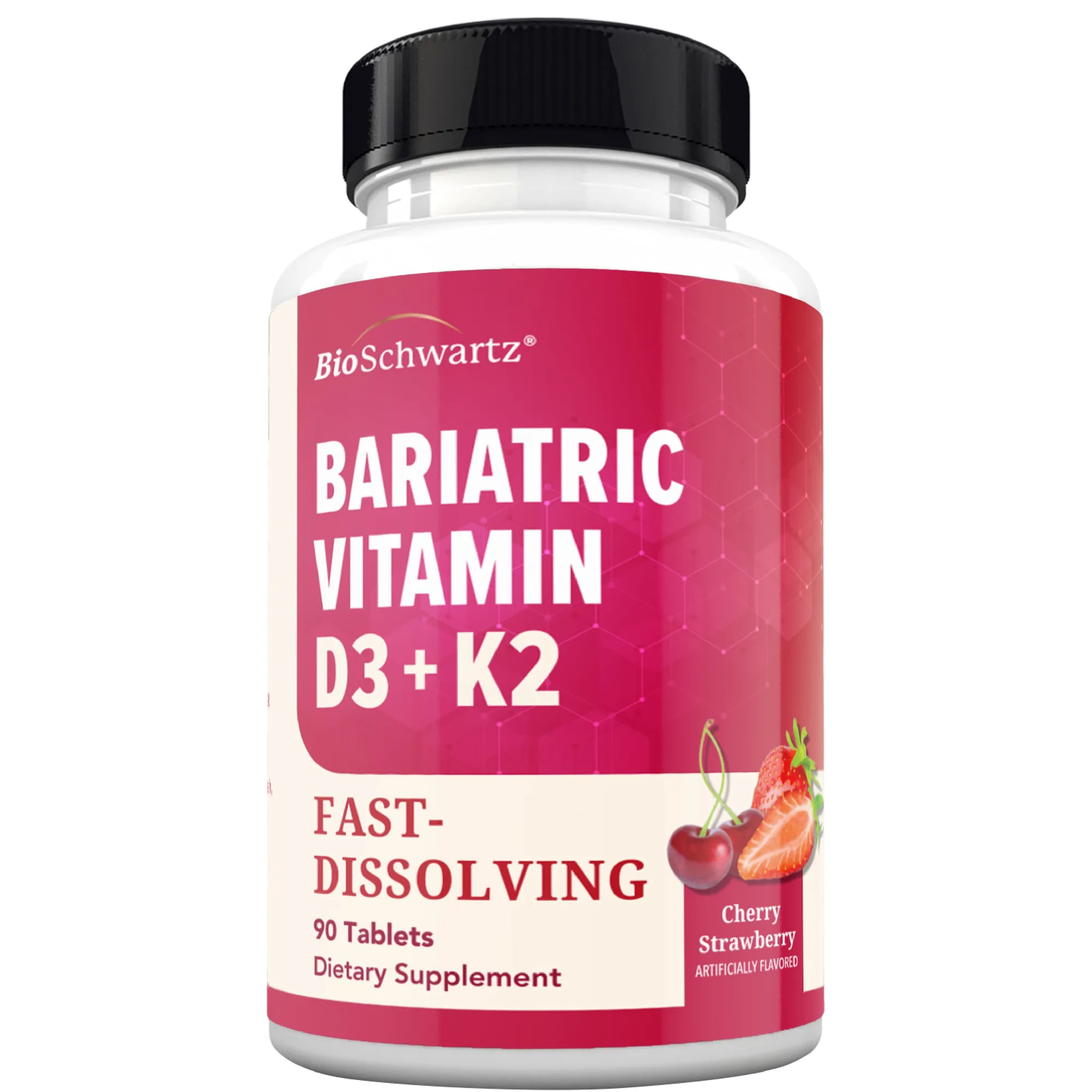
- Bariatric Vitamin D3+K2 90 Day Meltable Tablets: This product provides vitamin D3 and K2 in a meltable tablet form, which may be easier for those with digestive sensitivities to absorb. While not a methylated multivitamin, this option is relevant for individuals with absorption challenges, such as post-bariatric surgery patients, who need highly absorbable nutrients.
Methylated multivitamins offer a bioavailable way to support your health, especially if you have genetic variations that affect nutrient conversion. When choosing a multivitamin, look for one that includes methylfolate and methylcobalamin to ensure you're getting the most absorbable forms. For men over 50, the Men's 50+ Multivitamin Capsules from BioSchwartz is a great option to support mental clarity and overall vitality.