Quick answer
Start with the lowest labeled serving of your specific methylene blue product, take it earlier in the day with water, and do not increase until you know how you respond. Because concentrations vary widely between drops, tablets, and liquids, always follow the product label rather than a generic milligram number. If you take prescription medications or have a health condition, check with your clinician first.
Why methylene blue dosage is not one-size-fits-all
Methylene blue is sold in different forms and concentrations, so a drop from one brand is not the same as a drop from another. The product label is the only reliable starting point because it reflects the actual strength of that bottle. Your body weight, sensitivity, and reason for taking it also affect how a serving feels, which is why a slow, observant approach works better than copying someone else's routine.
Set your baseline before you start
Pick a day when you are not traveling, fasting, or starting other new supplements. Note your normal energy, sleep, and focus so you have something to compare against. This baseline makes it much easier to tell whether a change is from methylene blue or from something else in your week.
Timing, food, and what to avoid
Many people take methylene blue in the morning or early afternoon because it can feel stimulating. Taking it with food may soften the experience for a sensitive stomach. Avoid stacking it with other stimulants or new supplements on the same day, and keep your routine simple so you can read your own response clearly.
What to watch for and when to stop
Mild changes in urine color are expected with methylene blue. Stop and seek medical advice if you notice shortness of breath, chest discomfort, dizziness, confusion, or a reaction that feels wrong for you. Do not push through unusual symptoms to finish a serving schedule.
Your step-by-step methylene blue routine
- Read your specific label: Find the serving size and strength on your bottle, because drops, tablets, and liquids are not interchangeable. Common mistake: assuming another brand's drop count applies to yours. Checkpoint: you can state your product's serving size and strength without guessing.
- Start at the lowest labeled serving: Take the smallest suggested amount once, earlier in the day, with water. Common mistake: doubling up on day one to 'feel something.' Checkpoint: you noticed how you felt within a few hours before considering any change.
- Hold that amount for several days: Keep the same serving and timing for about three to five days so your baseline stays clean. Common mistake: changing dose and timing at the same time. Checkpoint: your notes show a consistent pattern, not a one-day blip.
- Adjust only one variable: If you and your clinician decide to adjust, change either the amount or the timing, never both at once. Common mistake: adding another new supplement in the same week. Checkpoint: you can point to the single change that caused any difference.
- Log and review weekly: Write down serving, time, sleep, focus, and any side effects, then review at the end of the week. Common mistake: relying on memory after a busy week. Checkpoint: you have at least five days of notes before deciding whether to continue.
- Pause and reassess: Take a planned break or stop if benefits fade or side effects appear, and talk to your clinician about anything that concerns you. Common mistake: continuing out of momentum rather than evidence. Next step: decide to continue, adjust, or stop based on your notes, not on someone else's routine.
Product facts
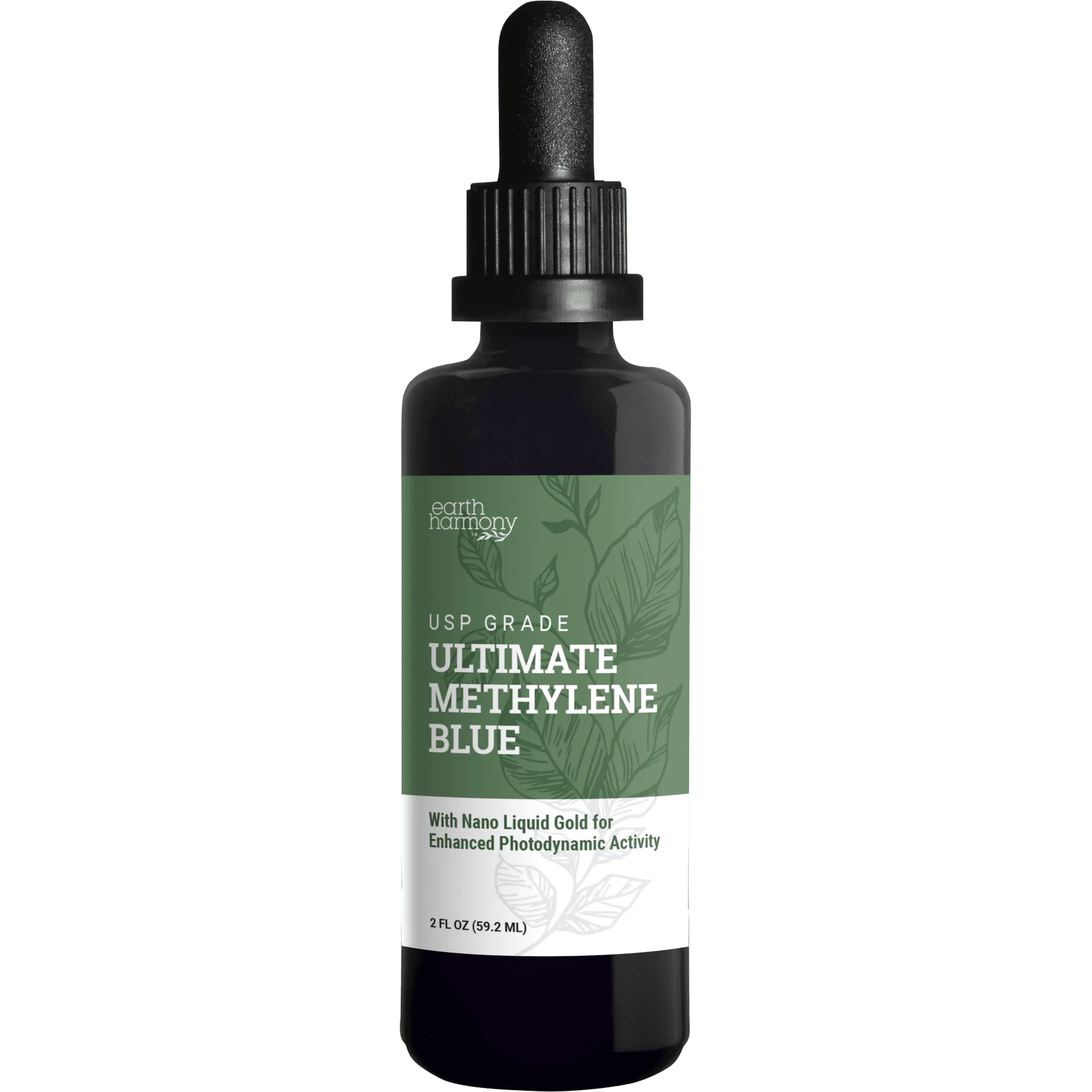
- Methylene Blue: Our specially-formulated methylene blue USP/Pharmaceutical Grade is designed to support the energy production capabilities of mitochondria and promote blood and oxygen flow to the brain. This is the intended support area, so it helps to judge your routine by energy and mental clarity rather than by unrelated goals.
- Methylene Blue: Methylene Blue is available for purchase at EarthHarmony.com. Earth Harmony is a product line manufactured by Global Healing. Knowing the manufacturer and where it is sold helps you confirm you are reading the right label and sourcing.