Quick answer
Switch stages when your child shows physical and behavioral readiness, not at a fixed birthday. Move from seated ride-on to stand-up O-bar when they can sit unsupported, grip the bar, and push with their feet. Move to the T-bar when they can stand balanced, steer with two hands, and stop by dragging their foot. The Micro Mini 3in1 Scooter is built for exactly this progression, from age 1 to 5, so you can let the child set the pace.
Why the 3in1 changes the buying decision
A standard three-wheel scooter assumes your child can already stand and steer. A multi-stage scooter like the Micro Mini 3in1 starts earlier: Stage 1 is a seated ride-on with an ergonomic O-bar for tiny hands, Stage 2 removes the seat for stand-up riding with the same O-bar, and Stage 3 swaps to the classic T-bar used on the Micro Mini, supporting kids up to 110 lbs. That means one purchase can cover the window when a child is too small for a stand-up scooter but too big for a stroller. If you are deciding between a single-stage and multi-stage scooter, the real question is whether your child is already standing and steering confidently. If yes, a fixed three-wheel scooter is simpler. If no, the 3in1 prevents you from buying twice.
Stage 1: seated ride-on readiness
Stage 1 is for the child who can sit upright without slumping and hold a bar with both hands. The O-bar shape is easier for small hands to wrap around than a T-bar, and the seated position lets them push with their feet while you stay close. Keep Stage 1 on smooth, flat surfaces like a driveway or a paved path. Do not rush this stage: the goal is steering feel and stopping with feet, not speed. If your child slides off the seat or refuses to hold the bar, they are not ready for Stage 2 yet. Stay in Stage 1 and try again in a few weeks.
Stage 2: stand-up with the O-bar
Stage 2 is the bridge. Your child stands on the deck but keeps the O-bar, which feels familiar and gives them a place to rest their hands while they learn balance. The signal to move here is simple: your child can stand on one foot briefly, step onto the deck without help, and push off while keeping both hands on the bar. Expect wobbles. Keep sessions short and on flat ground. If they can stand and push but cannot yet steer, stay in Stage 2. The O-bar is doing its job as a confidence tool, and there is no benefit to removing it early.
Stage 3: T-bar and independent steering
Stage 3 uses the T-bar, the same handlebar style as the classic Micro Mini. Move here when your child can stand balanced, push, steer around a gentle curve, and stop by dragging their foot. The T-bar encourages a more upright, two-handed grip and is the shape they will use on most scooters as they get older. This is also the stage where the 110 lb weight limit matters: if your child is approaching that limit, plan for a larger scooter rather than pushing the 3in1 further. The T-bar itself is not the milestone; independent steering and stopping are.
What to check before each switch
Before you change stages, do a two-minute check. First, confirm the handlebar height is set so your child's arms are slightly bent, not stretched or cramped. Second, check that the deck is clean and dry; a slippery deck makes every stage harder. Third, watch how they stop. If they still use a wall or your hand to stop, they are not ready for the next stage. Finally, keep the removed parts together. The seat and O-bar are specific to this scooter, and losing them limits your ability to go back a stage if your child has an off day.
Decision rules for switching stages
- From Stage 1 to Stage 2: Switch when your child can sit unsupported, hold the O-bar with both hands, and push with their feet on flat ground without sliding off. If they still need you to hold the bar, stay in Stage 1.
- From Stage 2 to Stage 3: Switch when your child can stand balanced on the deck, push off, steer around a gentle curve, and stop by dragging their foot. If stopping still requires your hand or a wall, stay in Stage 2.
- When to skip the 3in1 entirely: If your child is already standing, steering, and stopping independently, choose a single-stage three-wheel scooter instead. The 3in1 is for the transition, not for a child who has already transitioned.
Product facts
- Micro Mini 3in1 Scooter: Three-in-one ride that grows with your toddler, from age 1 to 5, with Stage 1 seated ride-on and O-bar, Stage 2 stand-up scooter with O-bar, and Stage 3 classic Micro Mini Scooter with T-bar, supporting kids up to 110 lbs. One scooter covers the full transition from seated to standing, so you do not need to buy a separate ride-on and a separate scooter.
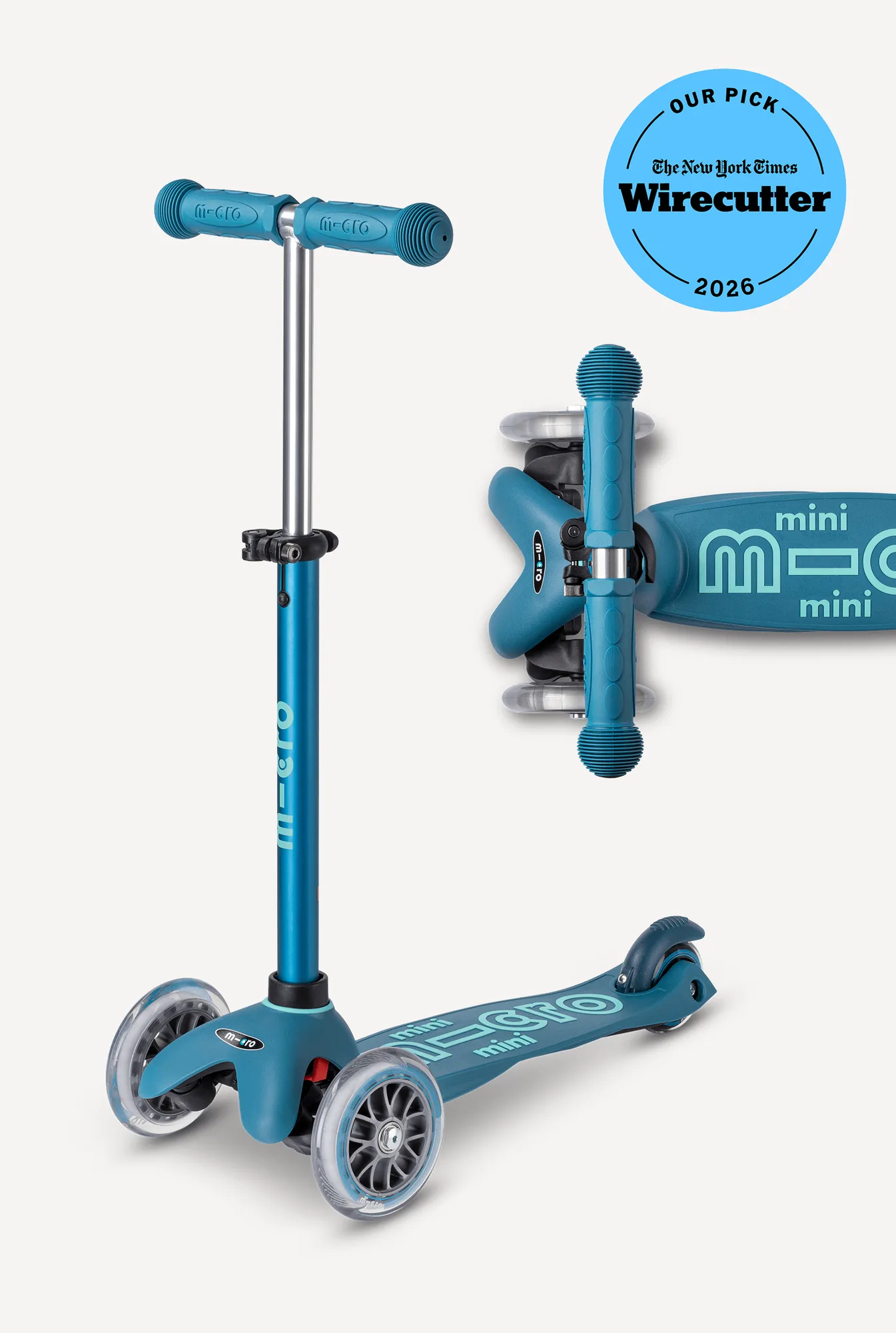
Micro Mini Scooter
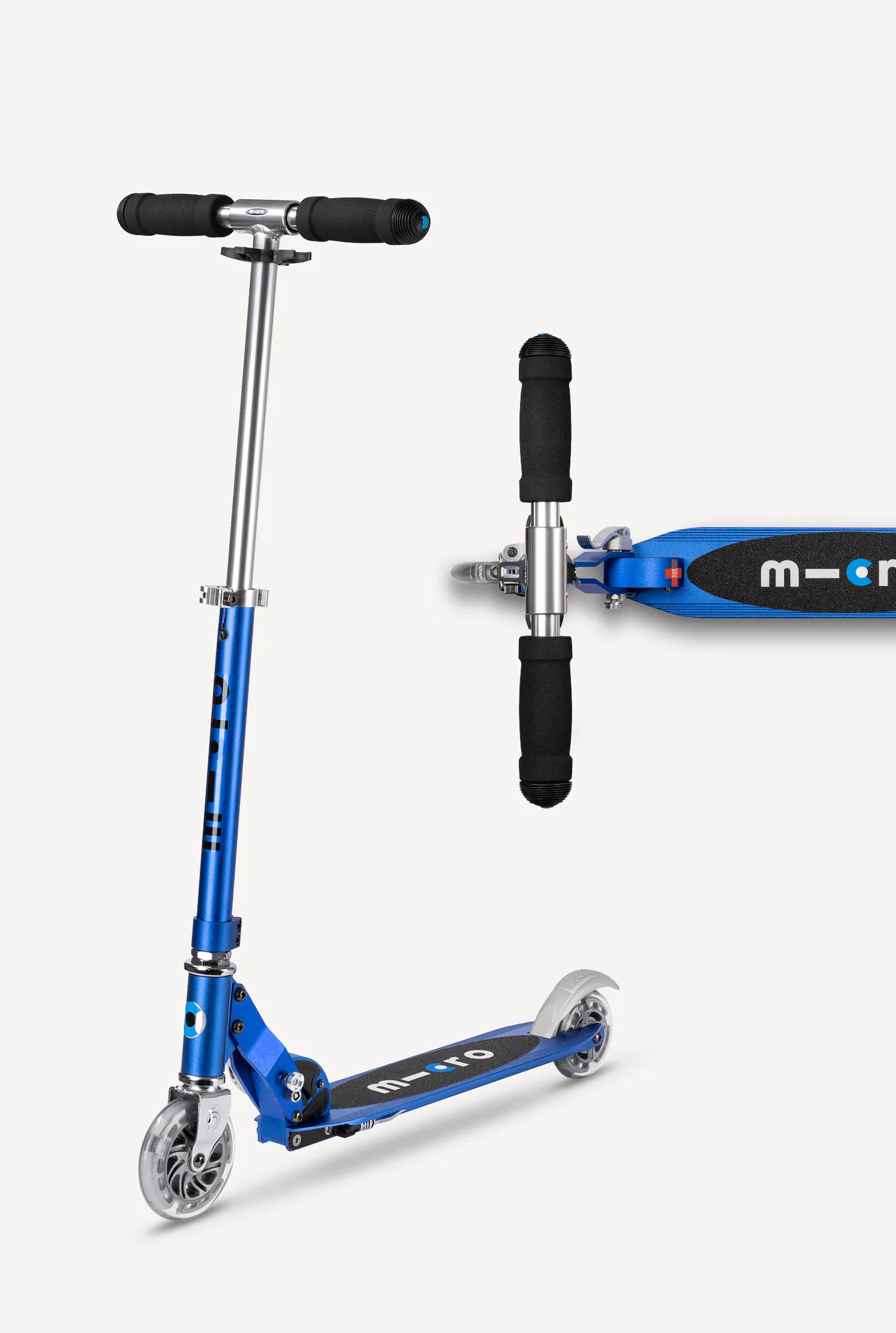
- Micro Mini Foldable LED Scooter: The most portable toddler scooter, featuring a foldable T-bar, light-up wheels (no batteries needed), and an adjustable handlebar to grow with your child. If your child is already past the seated stage, this folding model is a simpler alternative that still adjusts as they grow.
Who the Micro Mini 3in1 fits
Best for
- Parents of a 1- to 2-year-old who is not yet standing and steering a scooter
- Families who want one scooter to cover seated ride-on through stand-up riding
- Children who need a gradual, confidence-building progression with an O-bar
Not for
- Children already standing, steering, and stopping independently (choose a single-stage scooter)
- Riders approaching or above the 110 lb weight limit
- Families who only need a portable scooter for an older toddler (the foldable Mini is simpler)