Start with what the patch actually did
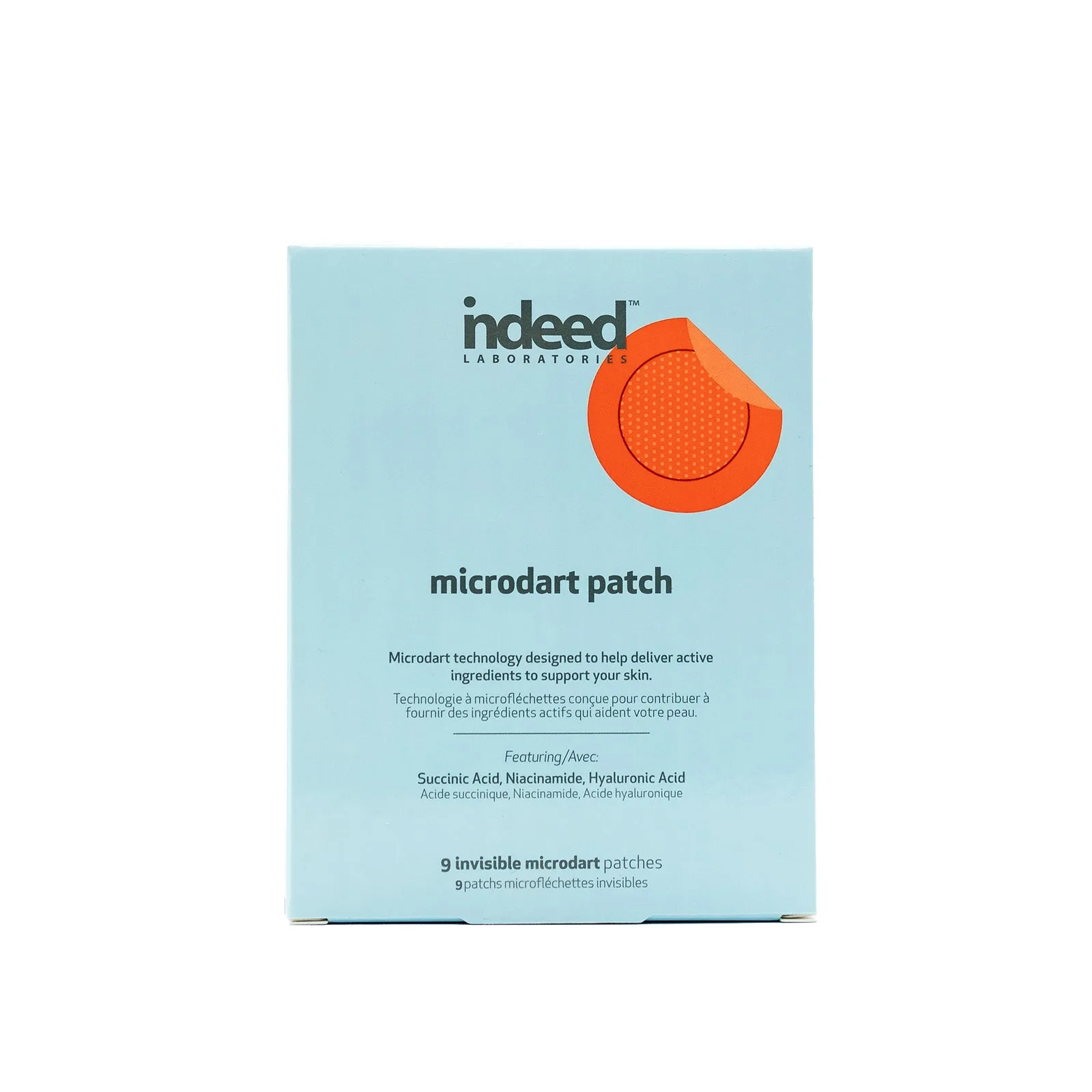
Microdart Patch is not a standard hydrocolloid spot sticker. According to the catalog, each patch contains ultra-fine microdarts that penetrate the skin surface and dissolve, delivering pimple-fighting ingredients directly to the source of the breakout. The brand positions the patch for early-stage pimples, including sudden under-the-skin bumps, and says it helps stop pimple formation, reduce redness, and prevent breakouts from worsening.
That matters for aftercare because the patch has been doing two jobs at once: covering the blemish and delivering ingredients into the skin. Once you remove it, your goal is to keep the area calm and supported without undoing that work. The catalog does not include a dedicated aftercare protocol, so the steps below stick to general, conservative skincare logic and clearly flag what is not confirmed.
What the catalog confirms about Microdart Patch
-
Microdart Patch: Each patch contains ultra-fine microdarts that penetrate the surface and dissolve, delivering active ingredients directly to the source of the breakout. This is why post-patch care should focus on calming and protecting the skin rather than adding another aggressive treatment.
Microdart Patch
-
Microdart Patch: The patches are described as targeted microdart blemish patches for early-stage pimples, including under-the-skin bumps. After removal, you are caring for a blemish that was treated early, so gentle support is more useful than piling on strong actives.
-
Microdart Patch: The pack includes 9 targeted patches. Knowing the pack size helps you plan how often you can reasonably use them and when to rest the area.
A simple post-patch skincare routine
The catalog does not supply a specific aftercare sequence, cleansing method, or wait time. The steps below are general good practice for treated skin, not manufacturer instructions. Adjust them to what your skin tolerates.
- Remove the patch gently: Peel it back slowly rather than pulling straight up. The catalog does not specify a removal technique, so slow and gentle is the safest default.
- Cleanse with something mild: Use a gentle cleanser and lukewarm water. Avoid scrubbing the treated spot, since the skin there has just had microdarts pressed into it.
- Skip harsh actives on the spot for now: The catalog does not confirm how the treated area will react, so it is reasonable to hold off on strong exfoliants or high-strength treatments on that exact spot until it looks calm.
- Moisturize to support the skin barrier: A simple moisturizer helps keep the area comfortable. The catalog does not name a specific moisturizer or confirm compatibility with any particular product.
- Protect with sunscreen in the morning: Sun protection is standard skincare advice. The catalog does not make a specific SPF claim for this product, so treat this as general care.
- Leave the area alone: Avoid picking or squeezing the blemish after removal. The patch is designed to help prevent breakouts from worsening, and picking works against that goal.
Microneedle patch tips that stay within the evidence
Microdart Patch is designed for early-stage blemishes, so the best time to use one is when you first feel a bump forming. The catalog describes the patches as fast-acting and targeted, and says they help stop pimple formation. That makes timing more important than quantity: one patch on the right spot is more useful than several on healthy skin.
The catalog does not confirm how long a patch should stay on, how often to reapply, or whether the area should be cleaned before application. If you are unsure, follow the instructions on the pack and keep your routine simple. Do not layer another strong spot treatment on the same area immediately after removal unless you have checked that it is appropriate for your skin.
Because the microdarts dissolve into the skin, the treated spot may look or feel different from surrounding skin after removal. The catalog does not describe post-removal appearance, so avoid drawing conclusions from one reaction. If the area looks irritated, stop using the patches and seek advice from a qualified professional.
What the catalog does not tell you about aftercare
Being clear about the gaps helps you make a safer decision. The supplied product information does not include a dedicated aftercare protocol, so these points remain open:
- No confirmed wait time before makeup or other products: The catalog does not state how long to wait after removing a patch before applying makeup or additional skincare.
- No confirmed frequency of use: The catalog does not specify how many times per week or month the patches should be used, or how long to leave one on.
- No confirmed skin-type suitability: The catalog does not state which skin types the patches are intended for or whether they are suitable for sensitive skin.
- No confirmed ingredient list for aftercare: The catalog does not name the pimple-fighting ingredients in the microdarts, so it is not possible to confirm which follow-up products might interact with them.
Putting it together
Microdart Patch is a targeted tool for early-stage blemishes, not a whole routine. After you remove one, keep the treated area clean, moisturized, and protected from sun and picking. Save stronger actives for another day or another spot, and let the skin settle before deciding whether to use another patch.
If you want to try them, the catalog lists a pack of 9 targeted patches at USD 9.48, compared with a catalog comparison price of USD 12.99. Use them when you feel a blemish coming on, and keep your aftercare simple and consistent.