Quick Answer
Choose microdart wrinkle patches when you want to target specific expression lines, such as forehead or around the mouth, and you prefer a leave-on patch that uses dissolving microdarts. Choose a hydrogel face mask when you want broad, all-over hydration and a spa-like ritual that covers the full face. Many people use both: patches a few nights a week for line-focused care, and a hydrogel mask once or twice a week for overall moisture.
How Microdart Patches and Hydrogel Masks Differ
The core difference is delivery and coverage. Microdart patches use tiny dissolving microdarts to help ingredients reach the skin's surface more directly, and they are shaped to sit on specific areas like the forehead. Hydrogel face masks are full-face sheets that lock in moisture and let ingredients like collagen, hyaluronic acid, and niacinamide sit on the skin for a set time. Neither is universally better; they solve different problems.
- Microdart patches: targeted, leave-on, best for expression lines and firming support.
- Hydrogel masks: full-face, time-limited, best for hydration, nourishment, and a relaxing routine.
Ingredient and Format Details That Matter
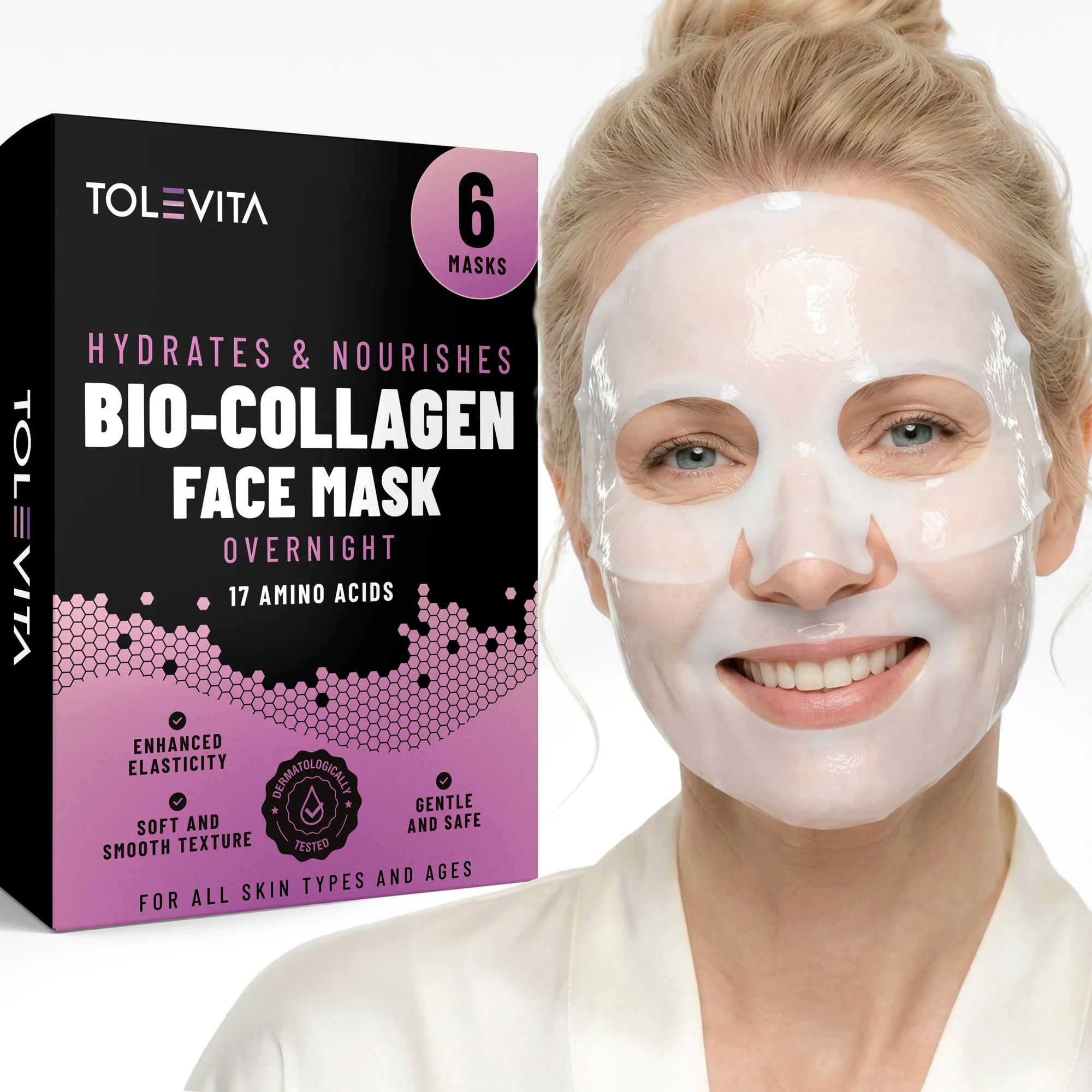
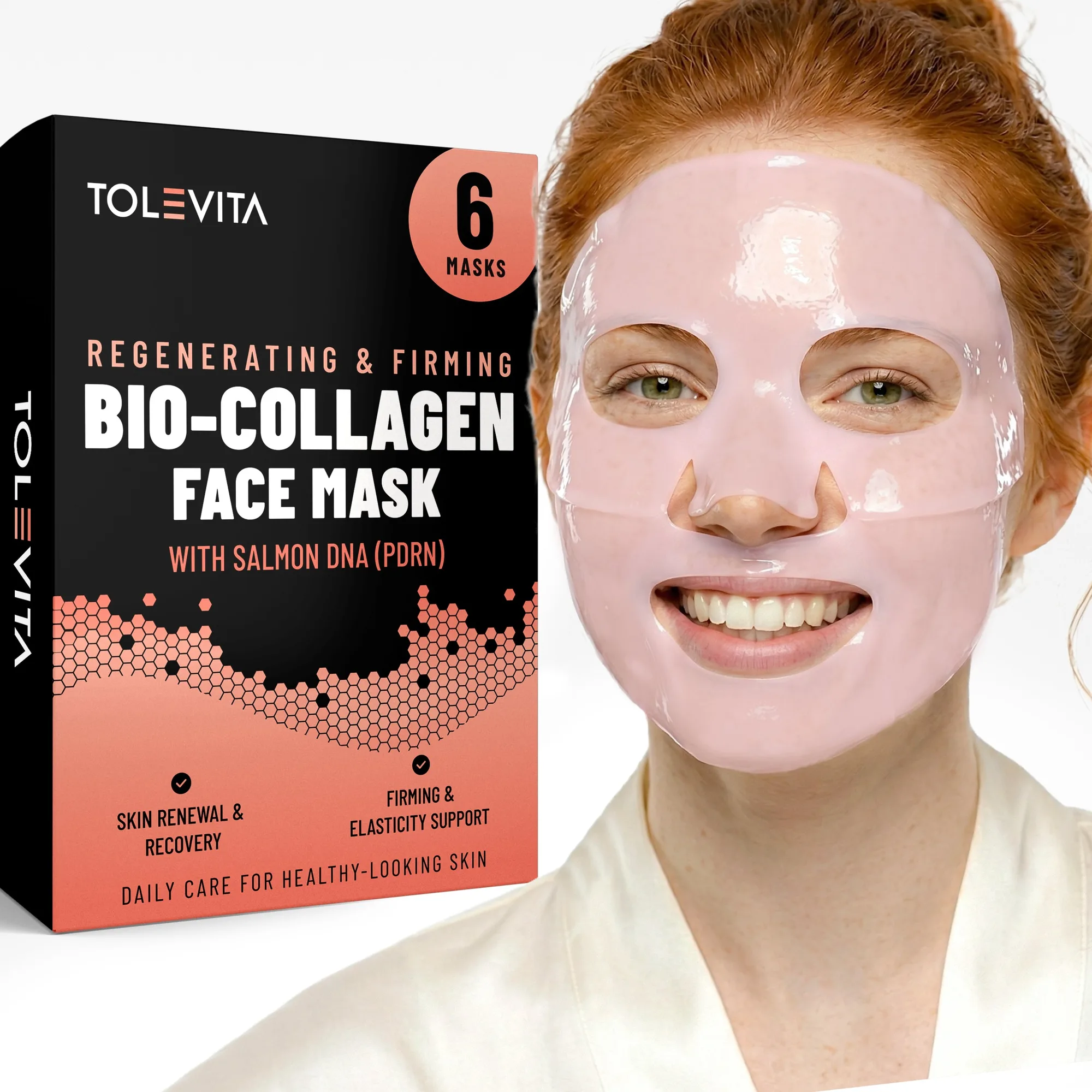
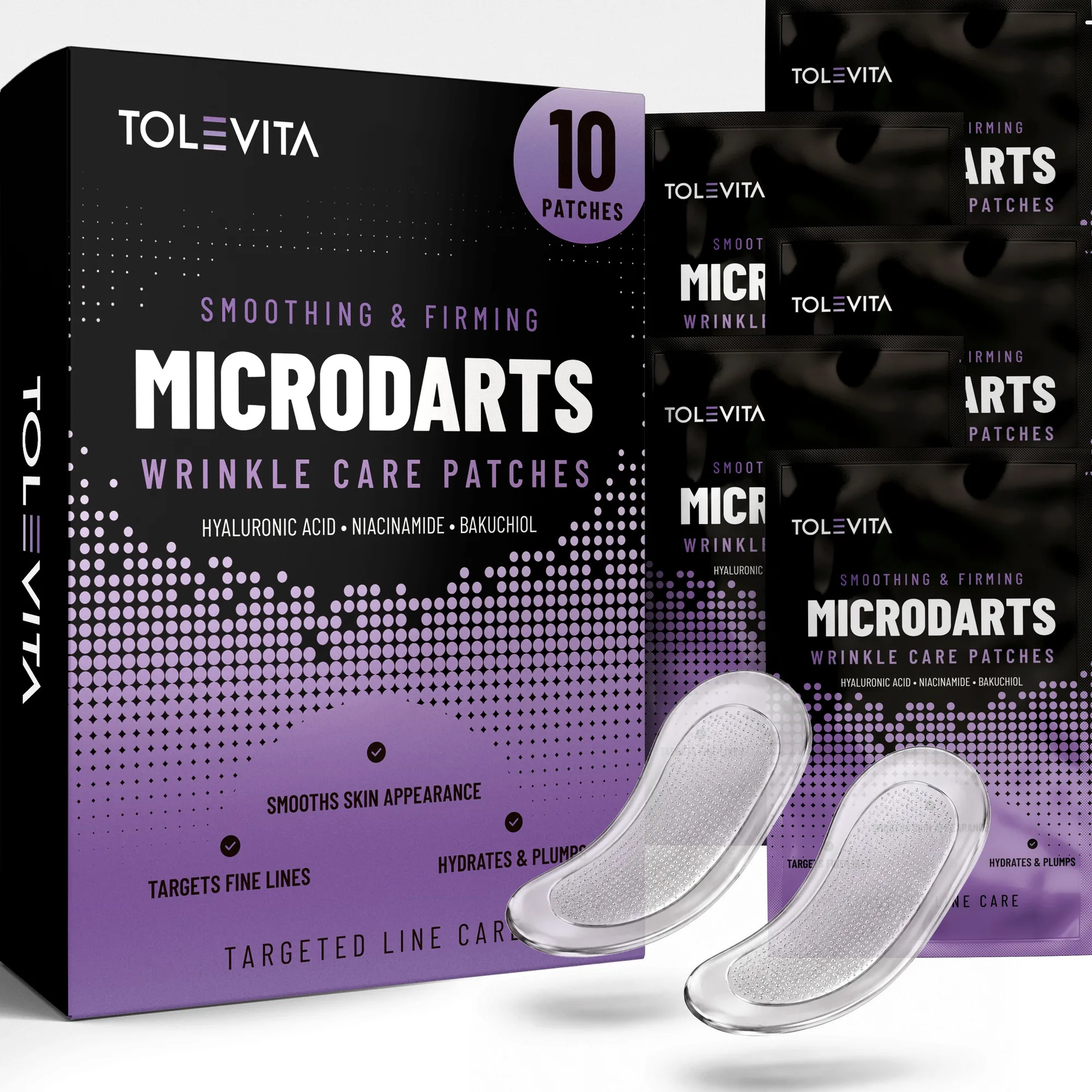
TOLEVITA offers both formats, so you can compare based on what each product actually contains. The Microdarts Wrinkle Patches pair dissolving microdart technology with bakuchiol, hyaluronic acid, and niacinamide, and come as 10 patches. The Bio-Collagen Hydrogel Face Mask with collagen, hyaluronic acid, and niacinamide comes as a 6-mask pack and is designed for deep hydration and nourishment. A separate Bio-Collagen Hydrogel Face Mask with salmon DNA (PDRN) and bio-collagen focuses on regenerating and firming support. If your main concern is fine lines in a specific area, the patch format is the more targeted choice. If your skin feels dry or dull overall, the hydrogel mask format covers more surface area in one go.
How to Fit Either Format Into Your Routine
You do not have to pick one forever. A practical approach is to use microdart patches on clean, dry skin two to three nights a week on the areas where you see lines, and use a hydrogel mask once or twice a week when you want a full-face hydration boost. Always follow the instructions on the specific product, and patch-test if you have sensitive skin. If you are short on time, the patch format is easier to wear while you do other things; if you want a wind-down ritual, the hydrogel mask is the more immersive option.
Trade-Offs at a Glance
- Targeting vs. coverage: Microdart patches concentrate on specific lines; hydrogel masks cover the entire face but are less precise for a single stubborn area. Pick patches for spot treatment, masks for all-over care.
- Routine time vs. convenience: Hydrogel masks require you to lie back or stay still for the wear time; microdart patches can stay on while you move around. Choose based on how much hands-free time you have.
- Ingredient focus vs. format: Both formats include hydrating and firming ingredients, but the patch format adds dissolving microdarts for targeted delivery, while the mask format prioritizes a moisture-locking sheet. Match the format to your primary concern, not just the ingredient list.
Product Facts
- Microdarts Wrinkle Patches, Smoothing & Firming Patches with Bakuchiol, Hyaluronic Acid & Niacinamide, 10 Patches: Microdarts Wrinkle Patches, Smoothing & Firming Patches with Bakuchiol, Hyaluronic Acid & Niacinamide, 10 Patches. Targets fine lines and expression lines with dissolving microdarts, so it is the more precise option for specific areas like the forehead.
- Bio-Collagen Hydrogel Face Mask, Hydrating & Nourishing Mask with Collagen, Hyaluronic Acid & Niacinamide, 6 masks: Bio-Collagen Hydrogel Face Mask, Hydrating & Nourishing Mask with Collagen, Hyaluronic Acid & Niacinamide, 6 masks. Covers the full face for deep hydration and nourishment, making it the better fit when your main goal is overall moisture.
- Bio-Collagen Hydrogel Face Mask, Regenerating & Firming Mask with Salmon DNA (PDRN), 6 Masks: Bio-Collagen Hydrogel Face Mask, Regenerating & Firming Mask with Salmon DNA (PDRN), 6 Masks. Adds a firming and regenerating option in the hydrogel format, useful if you want full-face coverage with a firming focus.
Which One Fits You?
Best for
- People with specific expression lines who want a targeted, leave-on patch.
- Anyone who wants to combine a line-focused treatment with an occasional full-face hydration mask.
Not for
- People looking for a single full-face treatment to address overall dryness or dullness.
- Those who prefer a quick rinse-off or sheet mask ritual and do not want to leave patches on.