Quick Answer
Yes, microdermabrasion can help with mild acne scars by exfoliating the outer layer of skin to smooth texture and reduce the appearance of minor scarring. However, it is not effective for deep or ice-pick scars, which may require more intensive treatments like laser therapy or dermal fillers.
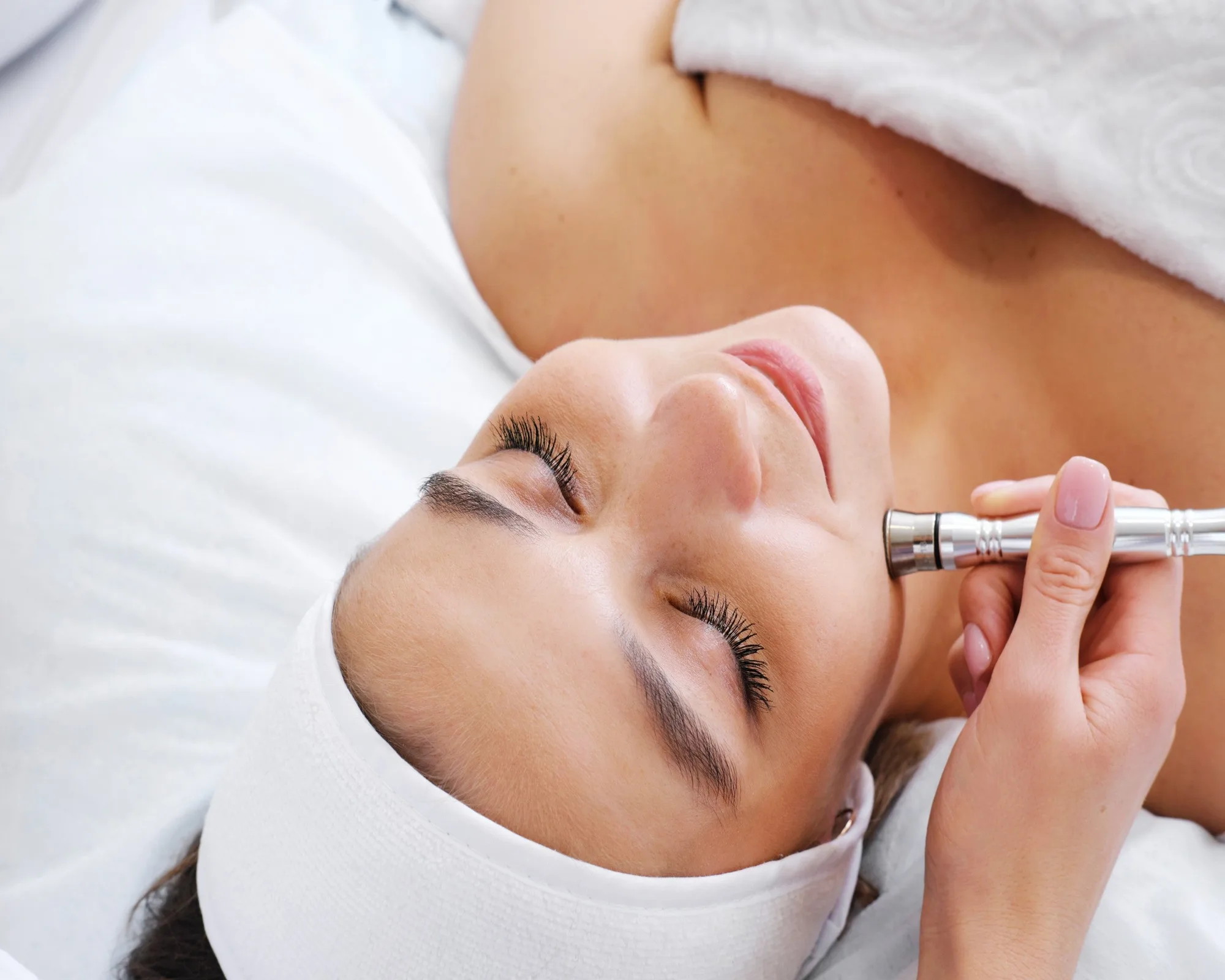
microdermabrasion
Acne scars can linger long after breakouts clear, leaving you searching for a solution. Microdermabrasion is often mentioned as a non-invasive option, but does it really help? The short answer: it depends on the type and depth of your scars.
In this guide, we'll break down how microdermabrasion works for acne scars, what results you can realistically expect, and when it's time to consider a different path.
How Microdermabrasion Helps Acne Scars
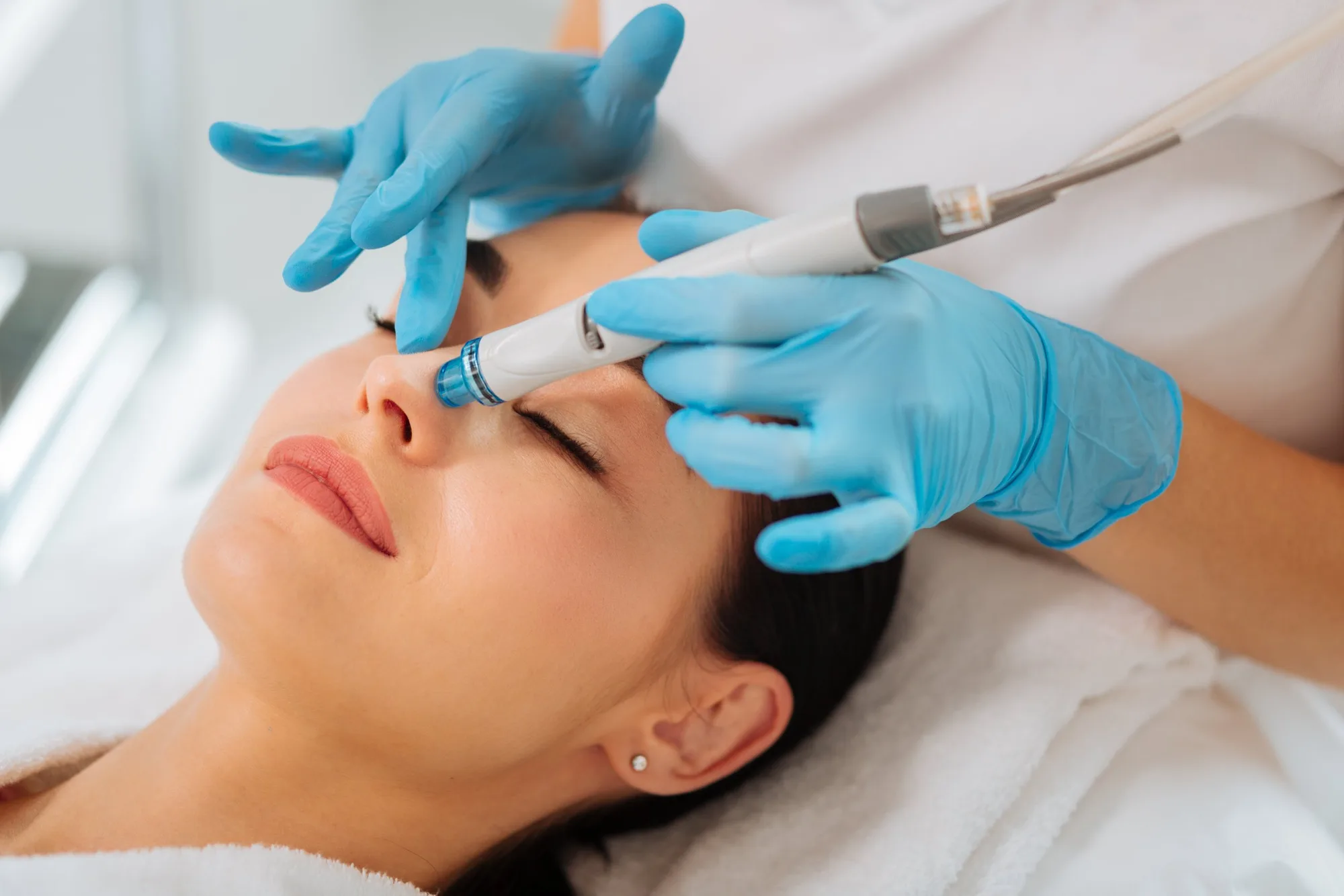
Microdermabrasion uses a diamond-tipped wand or fine crystals to gently exfoliate the outer layer of skin. This process removes dead skin cells, stimulates cell turnover, and encourages collagen production. Over time, this can smooth the skin's surface and reduce the visibility of shallow, rolling scars.
The treatment is particularly effective for superficial scars and overall texture issues. It can also help with clogged pores and mild discoloration, which often accompany acne scarring. However, it is not a one-time fix—multiple sessions are usually needed to see noticeable improvement.
- Best for shallow, rolling scars, not deep or ice-pick scars.
- Requires a series of treatments for best results.
- Minimal downtime; you can return to normal activities immediately.
What Microdermabrasion Can't Do
If your scars are deep, pitted, or ice-pick shaped, microdermabrasion won't be enough. These types of scars extend below the skin's surface, and exfoliation alone cannot rebuild the lost tissue. In such cases, you may need more aggressive treatments like chemical peels, microneedling, or laser resurfacing.
It's also important to have realistic expectations. Microdermabrasion can improve the appearance of scars, but it won't eliminate them completely. If you're looking for dramatic results, discuss other options with a skincare professional.
What to Expect During a Session
A typical microdermabrasion session lasts about 30 to 60 minutes. The esthetician will pass a handheld device over your skin, which feels like a mild scratching or vibrating sensation. There's no pain, and you can apply makeup immediately after, though your skin may be slightly pink for a few hours.
You'll likely need a series of 4 to 6 treatments, spaced a few weeks apart, to see meaningful changes. Maintenance sessions every few months can help preserve results.
Diagnosis: Is Microdermabrasion Right for You?
- Symptom: Shallow, rolling scars or rough skin texture from past acne. Microdermabrasion is a good fit.
- Likely Cause: Collagen damage and uneven skin surface from healed acne lesions. Microdermabrasion stimulates collagen and exfoliates the top layer.
- Corrective Action: Book a series of 4-6 microdermabrasion sessions, spaced 2-3 weeks apart. Expect gradual smoothing over several weeks.
- Stop or Choose Another Option: If you have deep, ice-pick, or pitted scars, or if you're pregnant, have active acne, or use Accutane, microdermabrasion is not suitable. Consult a dermatologist about laser therapy, microneedling, or chemical peels instead.
Treatments That Complement Microdermabrasion
- MICRODERMABRASION: An effective alternative to chemical peels, the Diamond Tomé Microdermabrasion exfoliates the outer layer of skin to reduce fine lines and wrinkles, smooth texture, eliminate clogged pores, reduce minor acne scarring and even out discoloration. This is the exact treatment to ask for if you're targeting mild acne scars and uneven texture.
- Hydrafacial Signature: This traditional Hydrafacial treatment removes dead skin cells & extracts impurities while simultaneously bathing the new skin with cleansing, hydrating & moisturizing super serums. If you have active breakouts alongside scars, this can clear pores and hydrate without the exfoliating intensity of microdermabrasion.
Microdermabrasion can be a valuable tool for improving mild acne scars and overall skin texture, but it's not a cure-all. Assess your scar type, commit to a series, and consult a professional if you're unsure. With the right approach, you can achieve smoother, more confident skin.