Quick Answer
Microdermabrasion and chemical peels both exfoliate, but they work differently. Microdermabrasion uses a device to physically polish away dead skin cells, while chemical peels use acids to dissolve them. Choose microdermabrasion for immediate glow with no downtime, or a chemical peel for deeper resurfacing and long-term texture improvements.
Microdermabrasion
When you're looking to refresh your complexion, two popular options often come up: microdermabrasion and chemical peels. Both are exfoliating treatments that aim to reveal smoother, brighter skin, but they achieve results in very different ways. Understanding the difference can help you pick the one that fits your skin type, goals, and tolerance for downtime.
In this comparison, we'll break down how each treatment works, what they're best for, and the honest trade-offs you should consider before booking your appointment.
How Microdermabrasion Works
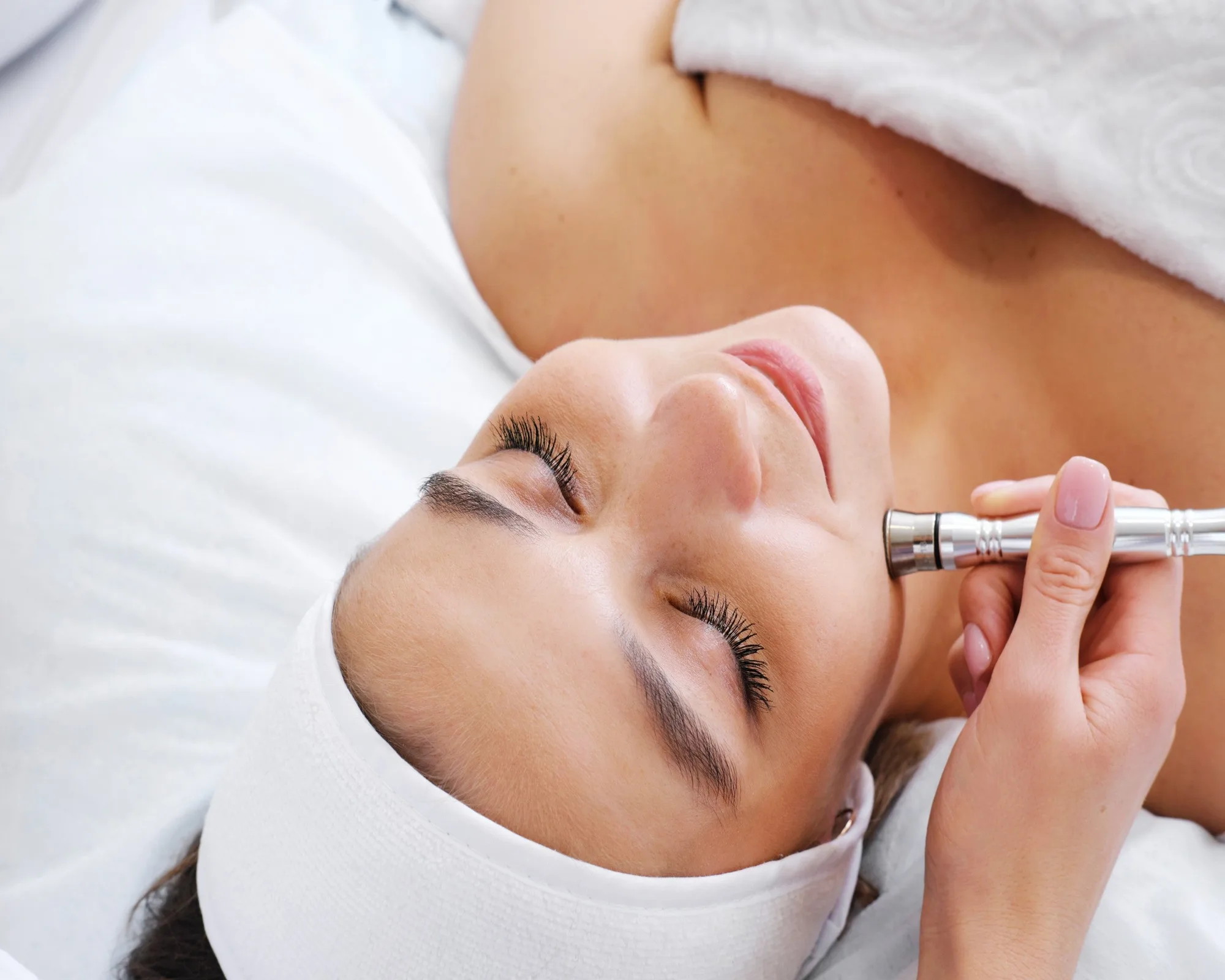
Microdermabrasion is a physical exfoliation method. A handheld device sprays fine crystals or uses a diamond-tipped wand to gently abrade the outer layer of dead skin cells. It also vacuums away the debris, leaving skin feeling instantly smoother. This procedure is often called a 'skin polishing treatment' because of the immediate glow it provides.
Because it's non-invasive and doesn't use chemicals, microdermabrasion is generally suitable for most skin types, including sensitive skin. Sessions are quick, often lasting 30 minutes, and there's no downtime. You can typically return to your normal activities right away, though your skin may be slightly pink for a few hours.
- Best for maintenance and quick glow
- Minimal discomfort and no downtime
- May require multiple sessions for best results
How Chemical Peels Work
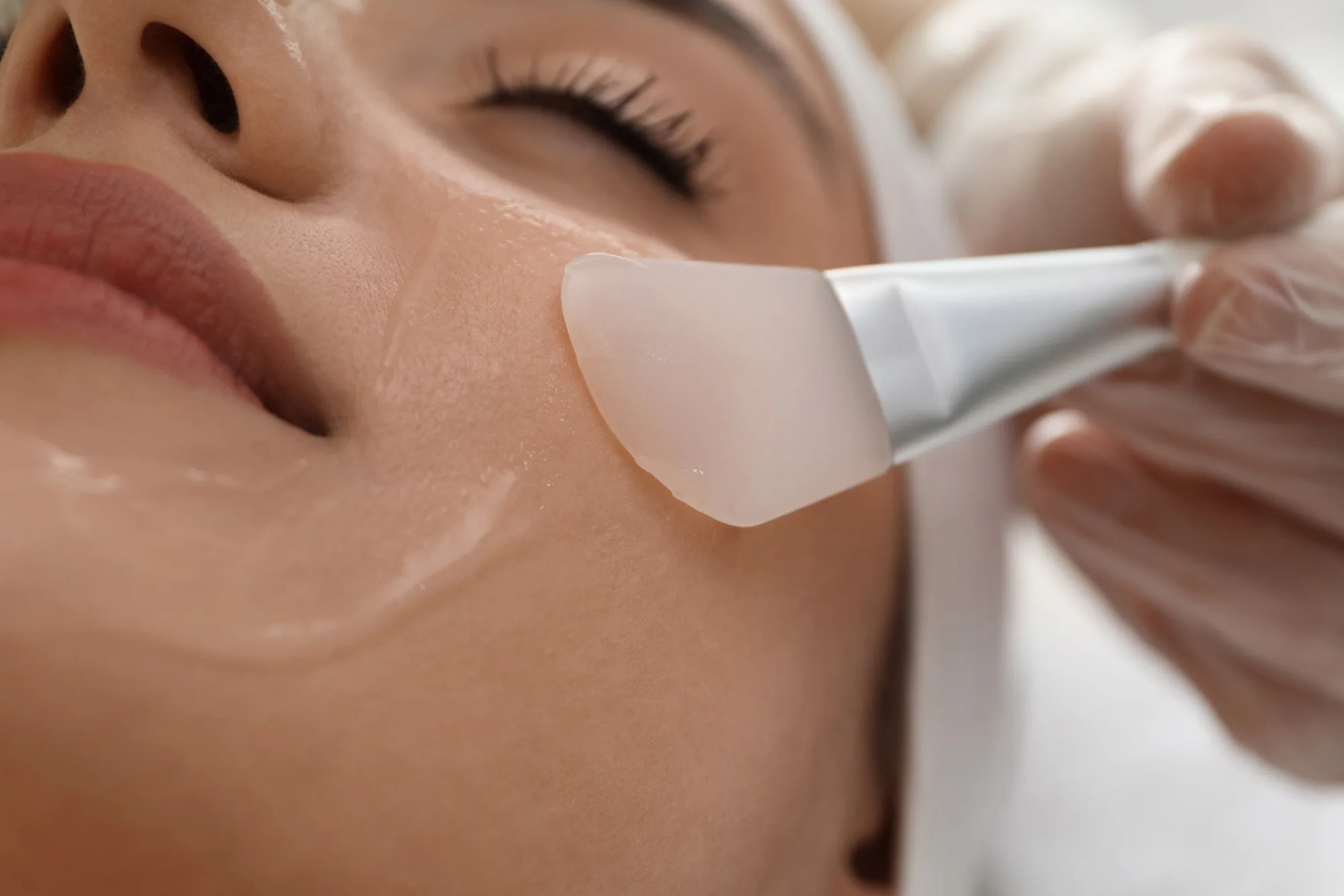
Chemical peels use acid solutions, such as glycolic or lactic acid, to dissolve the bonds between dead skin cells, allowing them to shed more easily. This process can penetrate deeper than microdermabrasion, targeting fine lines, hyperpigmentation, and acne. The strength of the peel determines how deep it works and how much peeling you'll experience afterward.
Chemical peel benefits include improved skin texture, reduced appearance of surface lines, and help with clearing acne. Because they work on a cellular level, results can be more dramatic over time. However, they may involve some visible flaking or redness for a few days, depending on the peel strength.
- Ideal for targeting specific concerns like hyperpigmentation
- Results can be cumulative with a series of peels
- Downtime varies with peel strength
Key Differences at a Glance
The main difference lies in the method: microdermabrasion is mechanical, while chemical peels are chemical. Microdermabrasion is often described as a 'lunchtime procedure' because it's quick and you can go back to work immediately. Chemical peels, especially medium-depth ones, may require a few days of downtime as the skin peels and regenerates.
Another difference is the depth of action. Microdermabrasion works on the outermost layer, making it great for surface texture and dullness. Chemical peels can penetrate deeper, targeting more stubborn issues like fine lines, age spots, and acne scars. Your choice depends on your skin concerns and how much recovery time you can afford.
Trade-Offs to Consider
- Downtime: Microdermabrasion has zero downtime, while chemical peels may cause flaking and redness for a few days. Plan your schedule accordingly.
- Depth of Treatment: Microdermabrasion only exfoliates the surface, while chemical peels can penetrate deeper for more significant resurfacing. Deeper concerns may need a peel.
- Sensitivity: Microdermabrasion is generally safe for sensitive skin, while chemical peels may cause stinging or irritation, especially with stronger acids. Patch test or consult your esthetician.
Treatments at On the Side Day Spa
- AGE DEFY & CLEAR: Combines glycolic & lactic acids to exfoliate surface cells, reduce irritation, & hydrate the skin. Minimizes the appearance of surface lines, smooths out rough skin texture, & helps fade hyperpigmentation. This chemical peel option targets multiple concerns at once, making it a versatile choice for those wanting to improve texture and tone.
- GEL PEEL: A light yet effective chemical peel that smooths superficial lines, brightens complexion and assists with the clearing of acne. If you're new to chemical peels or have mild concerns, this lighter peel offers a gentle introduction with visible benefits.
Which Is Right for You?
Best For
- Microdermabrasion: those seeking a quick, no-downtime glow and gentle exfoliation
- Chemical peels: those targeting fine lines, hyperpigmentation, or acne with deeper resurfacing
Not For
- Microdermabrasion: those with active acne breakouts or very sensitive, rosacea-prone skin
- Chemical peels: those who cannot tolerate downtime or have active sunburn or dermatoses
Both microdermabrasion and chemical peels have their place in a skincare routine. If you want immediate polish without interruption, microdermabrasion is a solid choice. If you're after longer-lasting improvements for specific concerns, a chemical peel might be worth the extra recovery. Talk to your esthetician to tailor the best plan for your skin.