Why microfiber needs its own care rules
Microfiber towels are built to absorb sweat and grip a mat, but that same tight weave traps oils, lotions, and detergent if you wash them like regular cotton. The result is a towel that feels stiff, smells sour, or stops soaking up moisture. The fix is a simple routine: wash after every heavy sweat, skip fabric softener, and dry on low or air-dry.
The NEUMEE Yoga Towel is a microfiber sweat towel designed to sit over your mat and provide a slip-resistant, absorbent surface. Its moisture-wicking fabric is meant to pull sweat away during practice. Treating it gently in the laundry keeps that function intact.
How to wash microfiber gym towels
- Shake off loose debris: Give the towel a quick shake outdoors or over a bin to remove crumbs, hair, and mat grit before it goes in the machine.
- Wash separately from cotton and lint-shedders: Cotton towels, fleece, and anything that sheds lint can clog microfiber fibers. Run a small load of microfiber items together.
- Use a small amount of mild detergent: Too much detergent leaves residue that reduces absorbency. Follow the detergent label for a small load and skip fabric softener and dryer sheets entirely—they coat the fibers.
- Choose a gentle cycle with warm water: A normal or gentle cycle on warm is enough for sweat and body oils. Hot water is not necessary for regular care and may stress synthetic fibers over time.
- Skip bleach and harsh additives: Chlorine bleach and fabric softener can damage microfiber. If you need to sanitize, follow the towel manufacturer's instructions rather than guessing.
Microfiber towel drying tips that protect absorbency
Air-dry whenever possible: hang the towel flat or over a drying rack with good airflow. If you use a dryer, choose the lowest heat setting and remove the towel while it is still slightly damp, then hang it to finish. High heat can make synthetic fibers feel crispy and reduce their ability to wick sweat.
Avoid dryer sheets completely. They leave a waxy film that makes microfiber repel water instead of absorbing it. If static is a problem, a quick shake before hanging usually solves it.
Keep gym towels smelling fresh between washes
The main cause of sour-smelling gym towels is sweat left to sit in a warm bag or car. After a session, hang the towel to dry fully before putting it in a laundry hamper. Never leave a damp towel balled up in your gym bag—bacteria multiply quickly in that environment.
Wash towels after every heavy sweat session. For light use, a towel can sometimes be aired and reused once, but if it smells or feels damp, it needs a wash. A clean towel also protects your mat from transferred oils and grime.
How to reuse workout towels safely
Reusing a microfiber sweat towel is fine as long as it is fully dry and clean. Between uses, store it unfolded or loosely rolled in a breathable bag, not compressed in a plastic sack. If you practice daily, keep two towels in rotation so one can be washed and dried while the other is in use.
Check for lingering odor after washing. If a towel still smells musty when dry, rewash it with a little less detergent and dry it thoroughly. Persistent odor usually means detergent residue or a towel that stayed damp too long.
The towel this routine is built around
-
Microfiber Gym Towels for Sweat, Yoga Sweat Towels for Home Gym, Microfiber Workout Towels for Gym, 16 Inch x 27 Inch: NEUMEE Yoga Towel is a microfiber sweat towel sized 16 x 27 inches, designed to fit over your yoga mat. Its mat-friendly size and microfiber surface are why it needs gentle washing and low-heat drying to keep its grip and absorbency.
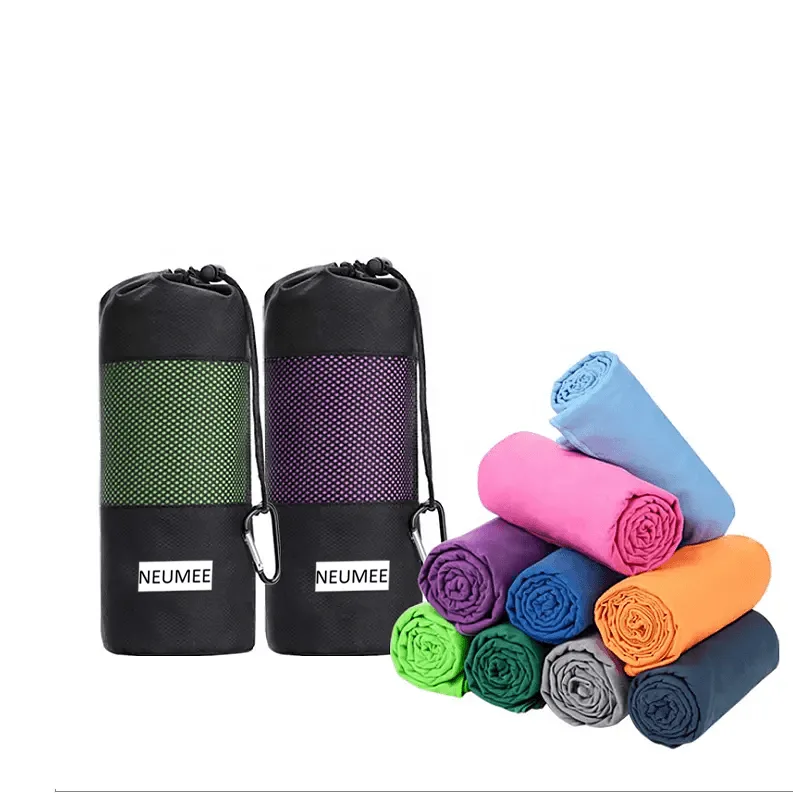
Microfiber Gym Towels for Sweat, Yoga Sweat Towels for Home Gym, Microfiber Workout Towels for Gym, 16 Inch x 27 Inch
-
Microfiber Gym Towels for Sweat, Yoga Sweat Towels for Home Gym, Microfiber Workout Towels for Gym, 16 Inch x 27 Inch: The moisture-wicking fabric quickly absorbs sweat, and the towel is described as slip-resistant and hygienic. These are the performance traits you protect by avoiding fabric softener and high dryer heat.
-
Microfiber Gym Towels for Sweat, Yoga Sweat Towels for Home Gym, Microfiber Workout Towels for Gym, 16 Inch x 27 Inch: The towel is lightweight and compact for carrying to the studio or outdoor sessions. That portability makes it easy to bring a dry towel home and wash it promptly instead of leaving it in a gym locker.
When to replace rather than rewash
If a microfiber towel stays stiff, repels water, or keeps a sour smell after two proper washes, the fibers may be coated with residue or worn out. Try one wash with no detergent at all and a low dryer cycle. If the towel still does not absorb, it is likely time for a replacement. Keeping a spare NEUMEE Yoga Towel on hand makes that decision easier and keeps your practice uninterrupted.