Quick answer
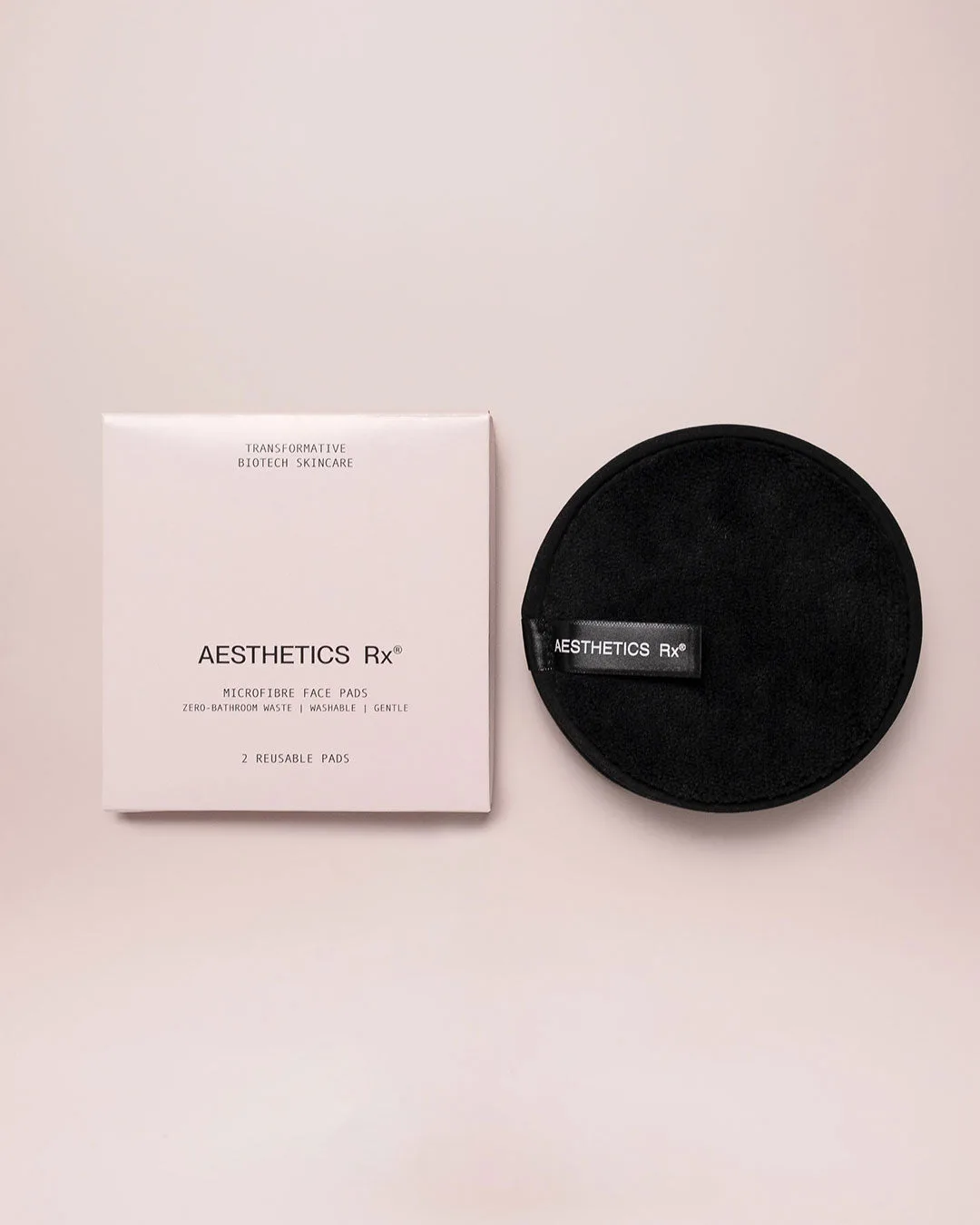
For most people, microfibre face pads are the better daily choice: they improve removal of pollution and grime from the skin's surface, work with water alone, and are reusable, so they cut bathroom waste and cost over time. Cotton pads still win for one-off jobs like applying toner or removing nail polish, where you want to throw the pad away. If you wear heavy makeup or use a strong cleanser, a microfibre pad plus your usual cleanser gives the most thorough result.
How the two pads actually differ
A microfibre face pad is a woven cloth designed to trap oil, pollution and grime in its fibres so you can lift them off with water. A cotton pad is a single-use wad of absorbent fibre that relies on friction and whatever liquid you add. That difference drives everything else: how often you replace them, how much product you use, and how much waste leaves your bathroom.
Because microfibre pads are washed and reused, the cost per use drops the longer you keep them. Cotton pads are cheap per pack but you buy them again and again, and they end up in the bin after one wipe.
Cleansing performance: water vs product
Microfibre pads are marketed on improved removal of pollution and grime from the skin's surface, and that is their main advantage: the fibre structure grabs residue that a flat cotton pad can smear around. For a light cleanse, dampening a microfibre pad and wiping gently can be enough, which suits sensitive or reactive skin that dislikes too much rubbing.
Cotton pads are more forgiving with liquids. If you use a micellar water, toner or oil cleanser, a cotton pad soaks it up and spreads it evenly. The trade-off is that cotton can leave lint and needs more product to feel wet enough, so you go through bottles faster.
The best way to remove cleanser without irritating skin
Whichever pad you choose, the method matters more than the material. Use lukewarm water, press the pad against the skin for a second to let it soften residue, then wipe in one direction rather than scrubbing back and forth. Rinse the pad and repeat only if you can still see product on the skin.
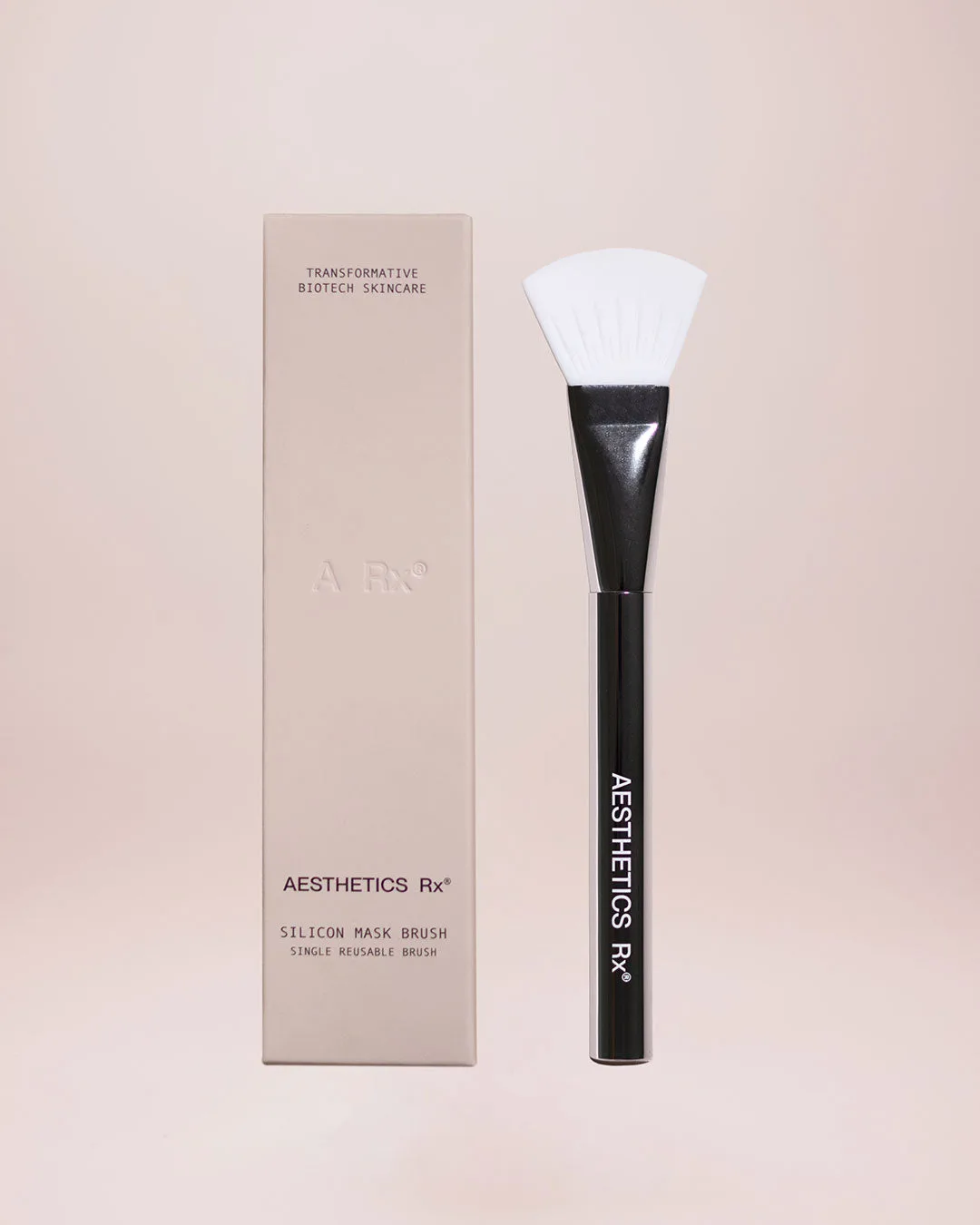
If you use a mask or thick cleanser, a silicon applicator helps you spread it evenly first, so there is less to remove afterwards. The Aesthetics Rx® Silicon Mask Brush has a flexible, shaped silicon tip that is gentle enough for fragile skin, and it is easy to clean and reusable. Pairing it with a microfibre pad means less mess on the pad and a faster rinse.
Hygiene, storage and lifespan
Reusable pads only stay hygienic if you wash them. Rinse after each use, then wash with a gentle soap or in a mesh bag with your regular laundry, and let them dry fully before stacking. Rotate two pads so one is always dry, and replace them when the fibres flatten or stop gripping.
Cotton pads avoid that chore because you discard them, but they also create daily waste and can harbour nothing because they are gone. If you travel or share a bathroom, single-use pads are simpler; if you want a low-waste routine, microfibre is the practical option.
Trade-offs at a glance
- Upfront cost: Microfibre pads cost more at the till than a pack of cotton pads, but you buy them once and reuse them; cotton pads are cheap per pack yet need constant repurchasing. If you cleanse twice daily, microfibre usually costs less within a few months.
- Cleansing method: Microfibre works with water alone and traps grime in the fibres; cotton needs a liquid product and relies on friction, and can leave lint behind. Choose microfibre for a gentle water-only cleanse, cotton for applying toner or micellar water.
- Waste and upkeep: Microfibre pads are zero-bathroom waste but need washing and drying; cotton pads are single-use with no upkeep but create daily rubbish. If you will not wash them, cotton is the honest choice; if you will, microfibre wins on waste.
Product facts to know
- Microfibre Face Pads: Microfibre Face Pads improve removal of pollution and grime from the skin's surface and are environmentally friendly, cost effective, zero-bathroom waste, and come as 2 re-usable pads. Two pads let you rotate one while the other dries, and the reusable format is what makes them cheaper and lower-waste than cotton over time.
- Silicon Mask Brush: The Silicon Mask Brush has a flexible, perfectly shaped silicon applicator tip that is gentle enough for the most fragile skin, easy to clean, reusable, and applies masks with no waste and no mess. Applying masks evenly with the brush means less product sits on the skin to remove later, so your microfibre pad has less work to do and lasts longer.
Which should you choose?
Best for
- Anyone who wants to cut bathroom waste and stop rebuying cotton pads
- Sensitive skin that prefers a gentle water-only cleanse over scrubbing
- Travellers who want two pads that pack flat and rinse clean
Not for
- People who will not wash and dry pads between uses
- Anyone who mainly needs a pad to soak toner or micellar water
- Those who prefer a fresh single-use pad every time for convenience