Quick Answer
Microgreens generally offer more concentrated nutrients and antioxidants than sprouts, making them a more nutritious choice for most people, though sprouts are faster to grow and have their own benefits.
Nutritional Differences at a Glance
Microgreens are harvested after the first true leaves appear, typically 7–14 days after germination. At this stage, they contain higher levels of vitamins, minerals, and antioxidants compared to sprouts, which are eaten just after germination (usually 2–7 days).
Sprouts are often praised for their enzyme content and rapid growth, but they have a shorter nutritional window. Microgreens, like garden cress, retain more fiber and a broader nutrient profile because they develop actual leaves.
Taste and Texture: What to Expect
Sprouts tend to be crunchy and mild, ideal for adding texture to sandwiches and salads. Microgreens, on the other hand, offer more intense flavors—ranging from peppery to tangy—that can transform a simple dish.
If you're looking for a bold flavor boost, microgreens like garden cress deliver a zesty kick that sprouts rarely match. For a neutral crunch, sprouts may be more versatile.
Safety Considerations
Sprouts are grown in warm, humid conditions that can promote bacterial growth, so they carry a higher risk of foodborne illness, especially for pregnant individuals, young children, and those with weakened immune systems.
Microgreens are grown in soil or a growing medium and are typically harvested above the root, which reduces contamination risk. This makes them a safer option for at-risk groups.
Microgreens vs Sprouts: The Tradeoffs
- Nutrition density: Microgreens generally contain higher levels of vitamins and antioxidants per serving than sprouts, making them more nutrient-dense. If maximizing nutrition is your goal, choose microgreens.
- Growth time: Sprouts are ready in 2–7 days, while microgreens take 7–14 days. Sprouts give faster results. For quick harvests, sprouts are the winner.
- Flavor intensity: Microgreens offer bold, varied flavors (like the peppery kick of garden cress), while sprouts are milder and crunchier. For taste impact, microgreens win; for neutral crunch, sprouts work.
- Safety: Sprouts carry a higher risk of bacterial contamination; microgreens are generally safer, especially for vulnerable groups. If safety is a priority, choose microgreens.
Product Spotlight
-
Garden Cress Microgreens: Garden Cress Microgreens offer a bold, peppery flavor with a hint of tanginess and are rich in essential vitamins, minerals, and antioxidants. This makes them a flavorful and nutritious addition to salads, sandwiches, eggs, and soups, supporting immune health and digestion.
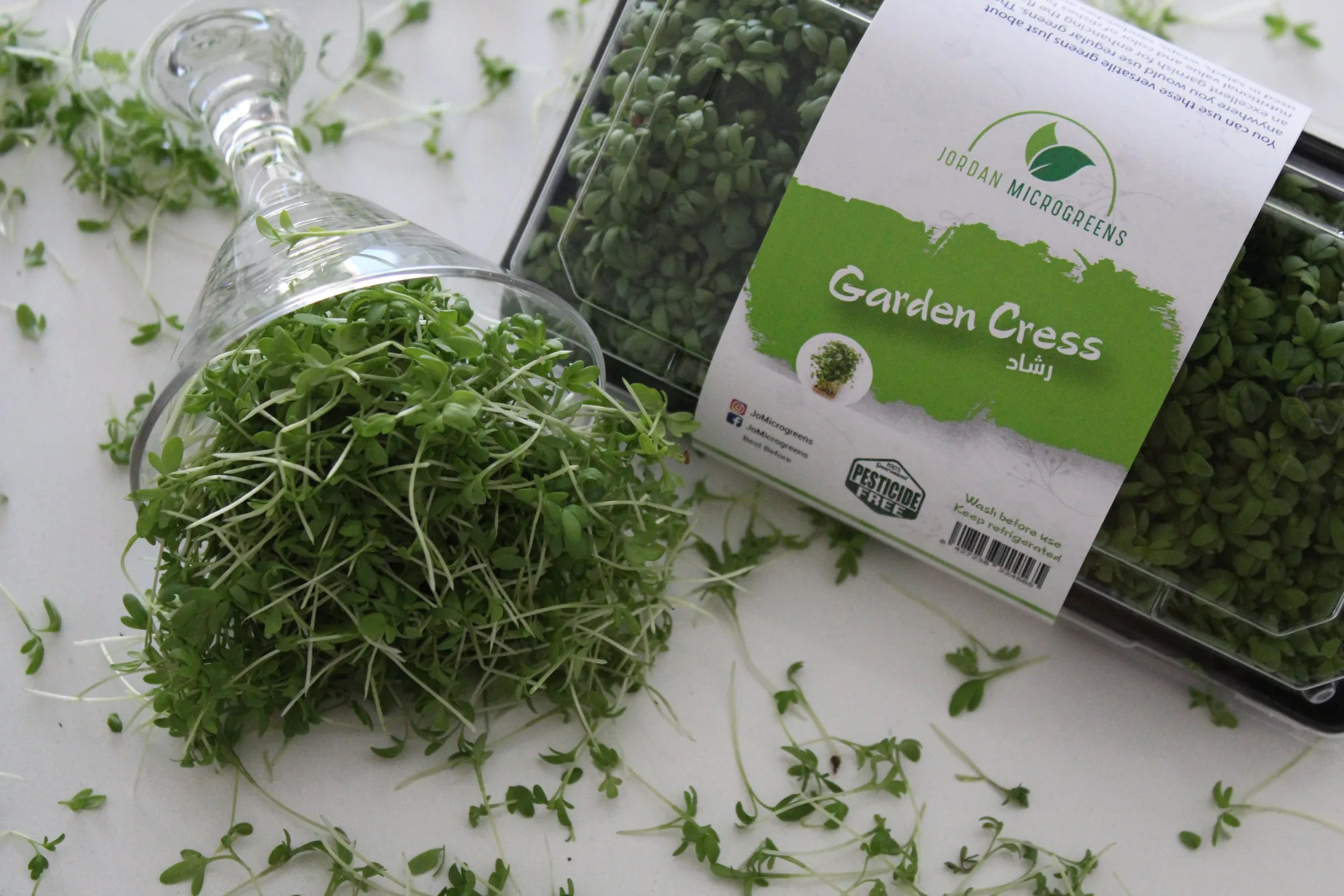
Garden Cress Microgreens
Who Should Choose Which?
Best for
- People seeking maximum nutrition and flavor in salads, sandwiches, and cooked dishes
- Those who want a safer option with lower foodborne illness risk
Not for
- Gardeners who need a very fast harvest (2–7 days) and prefer a mild, crunchy texture