Quick Answer
Midi briefs sit higher and cover more of the hip and lower back, while mini briefs are cut lower and show more skin. Choose midi if you want secure, everyday coverage under trousers and skirts, and mini if you prefer a lighter, barely-there feel in warm weather or under low-rise clothing.
The difference between midi briefs and mini briefs is mostly about rise and coverage, not size. Both are brief cuts, but they sit differently on the body, which changes how they feel and how they disappear under clothes. Getting this right makes the rest of your underwear drawer easier to manage.
This comparison looks at how each cut fits, what it covers, and where each one works best. It also flags the trade-offs so you can choose based on your routine rather than guesswork.
What Sets Midi and Mini Briefs Apart
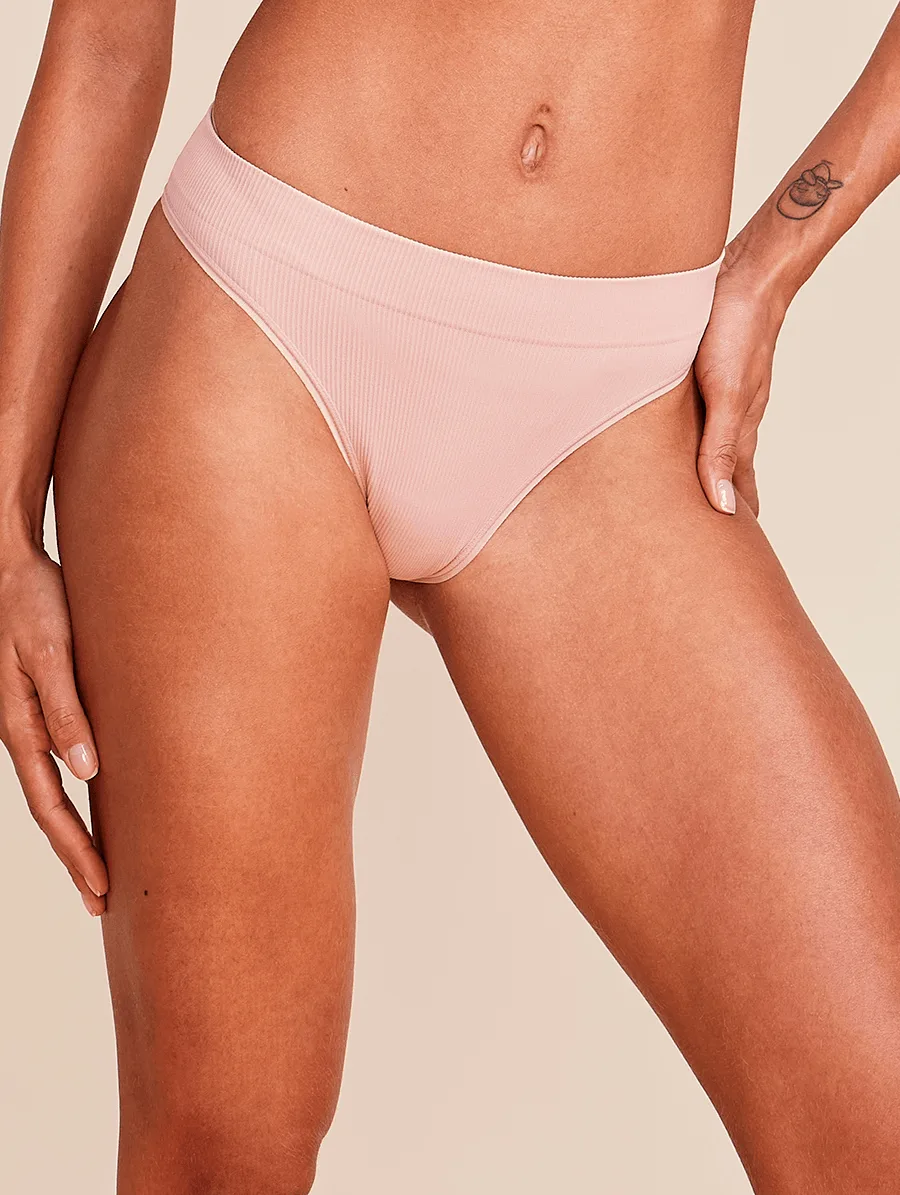
Midi briefs are the middle ground of brief cuts. They rise to about hip level, cover the lower stomach and part of the back, and keep the leg opening moderate. That extra fabric makes them feel secure and reduces the chance of shifting during the day. If you have ever pulled at a waistband after sitting down, midi is usually the calmer option.
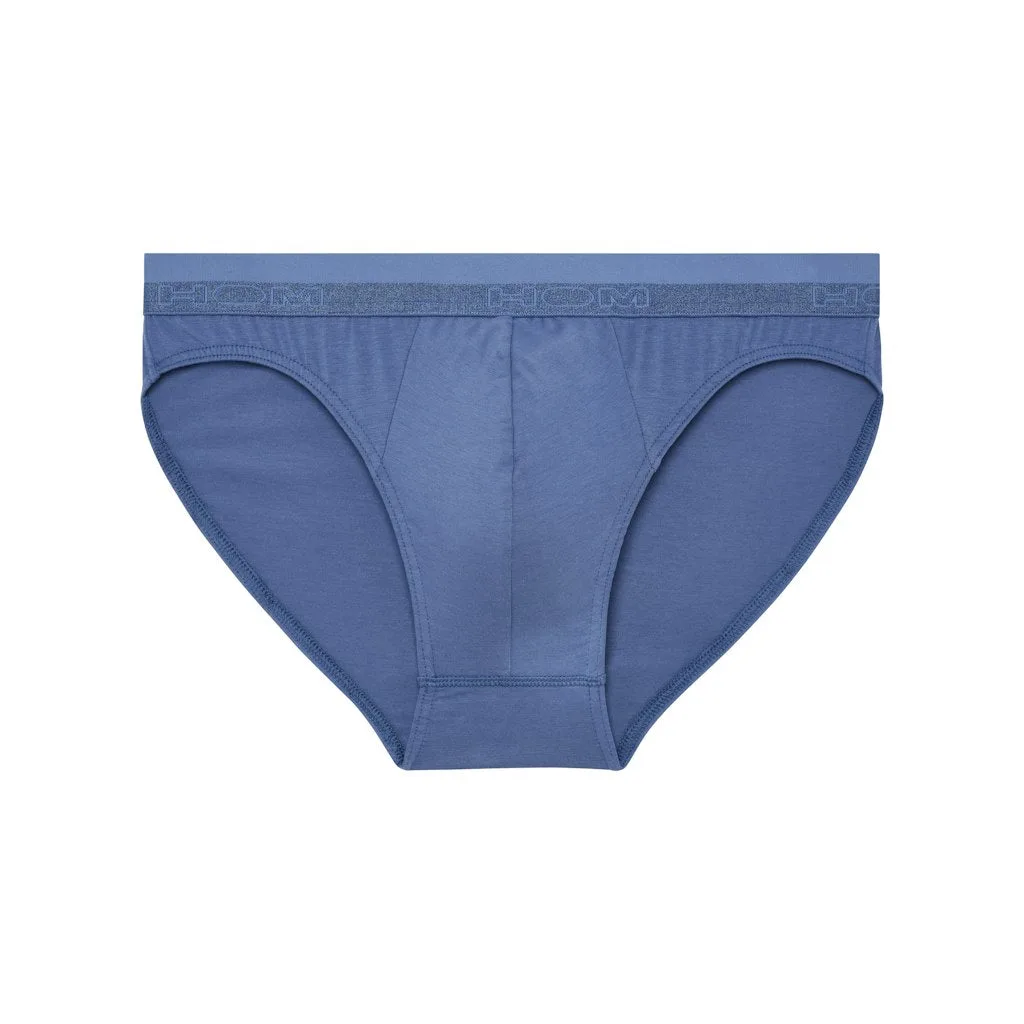
Mini briefs take the same basic shape but remove height. The waistband sits lower, often below the hip bone, and the sides are cut narrower. The result is less coverage and more skin, which many people prefer under low-rise jeans, slip dresses and anything with a close fit. The trade-off is that a lower rise can feel less anchored if you are moving a lot.
- Check the rise first, then the leg opening, because those two measurements decide how a brief feels more than the label does.
How Each Cut Fits Through the Day
Midi briefs tend to stay put because more fabric grips the body between waist and thigh. That makes them a practical pick for long days, commuting, or anything where you would rather not think about your underwear. The higher waistband also sits above the waistband of most jeans and tailored trousers, so it will not peek out when you bend or reach.
Mini briefs shine when you want minimal lines. Under a fitted dress or low-rise denim, a lower waistband stays hidden and the reduced fabric keeps the silhouette smooth. The trade-off is that a mini cut can shift if the elastic is not snug, so fit matters more than it does with midi. Neither cut is better in the abstract; they solve different problems.
- If you split your week between office wear and casual wear, keep both cuts on hand instead of forcing one to do everything.
Fabric and Comfort Notes
Coverage is only half the story. Fabric decides how a brief feels against the skin, and the same cut can feel very different depending on what it is made from. Soft modal and cotton blends tend to breathe well for all-day wear, while stretch microfibre dries quickly and works nicely for swim and active days.
Look at the waistband too. A comfortable elasticated band should sit flat without digging in, whether the brief is midi or mini. If a band rolls or pinches, sizing up usually helps more than switching cuts. When a product page lists the fabric and the waistband construction, read both before deciding.
- Give new briefs a short trial at home before a long day out, so you learn how the rise behaves on your body.
Trade-Offs at a Glance
- Coverage vs. line visibility: Midi covers more of the hip and lower back but can show under very low-rise clothing; mini hides under low-rise cuts but covers less. Match the rise to the waistband of what you are wearing that day.
- Security vs. lightness: Midi feels more anchored during long days and movement; mini feels lighter and cooler but relies more on a snug elastic to stay in place. If you move a lot, start with midi and size the band correctly.
- Fabric changes the feel: The same cut behaves differently in modal, cotton or microfibre, so judge comfort by fabric and waistband, not the cut alone. Read the fabric and waistband details before buying a new cut.
Briefs Worth Comparing
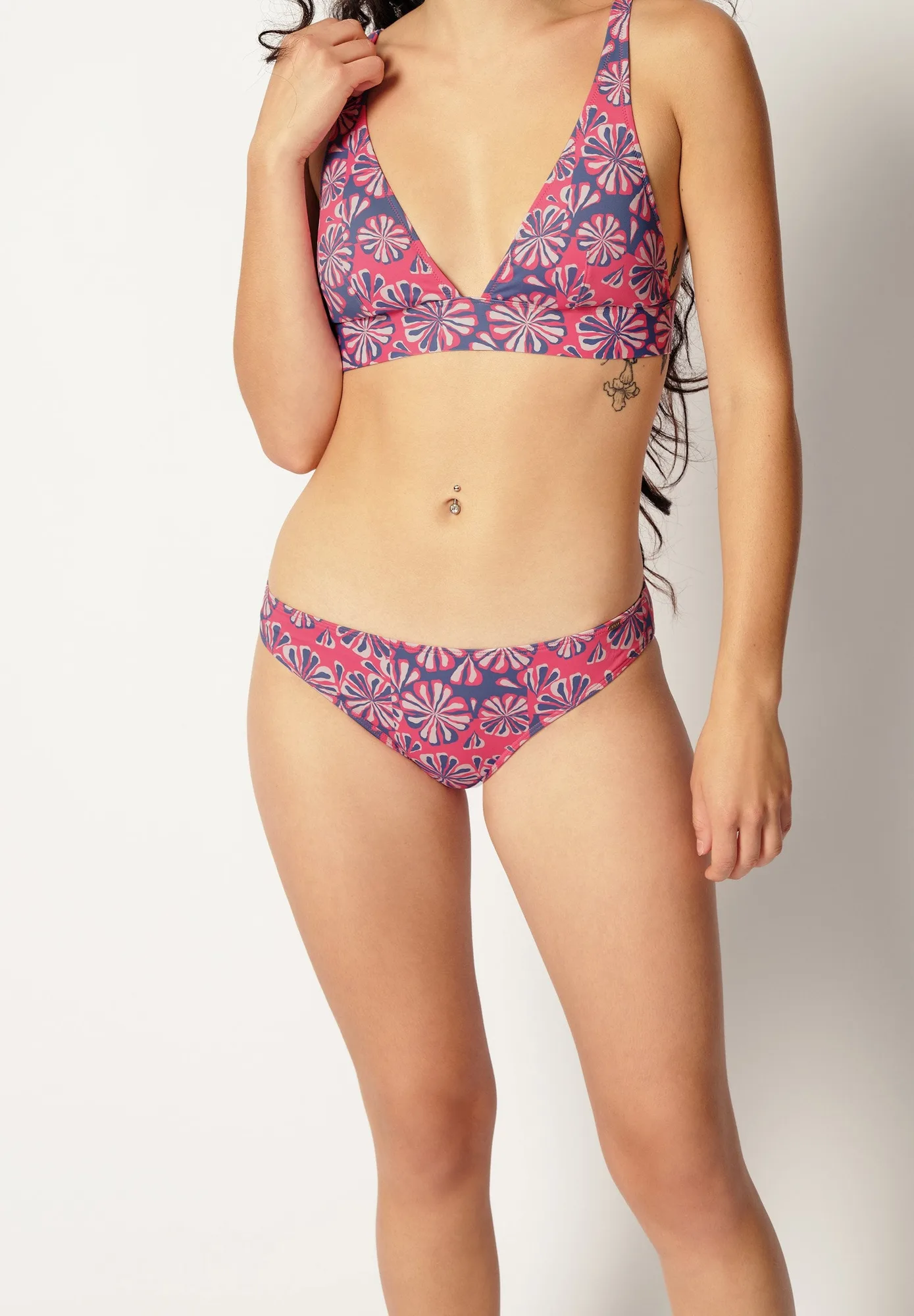
- Maritimemotion Bikini briefs | 080445-08S579: Rio-cut swimwear bottoms made from comfortable microfibre derived from recycled polyamide, covering the bottom comfortably and reliably. A good example of a lower-cut brief that still covers well, useful if you want a mini-style rise without feeling exposed.
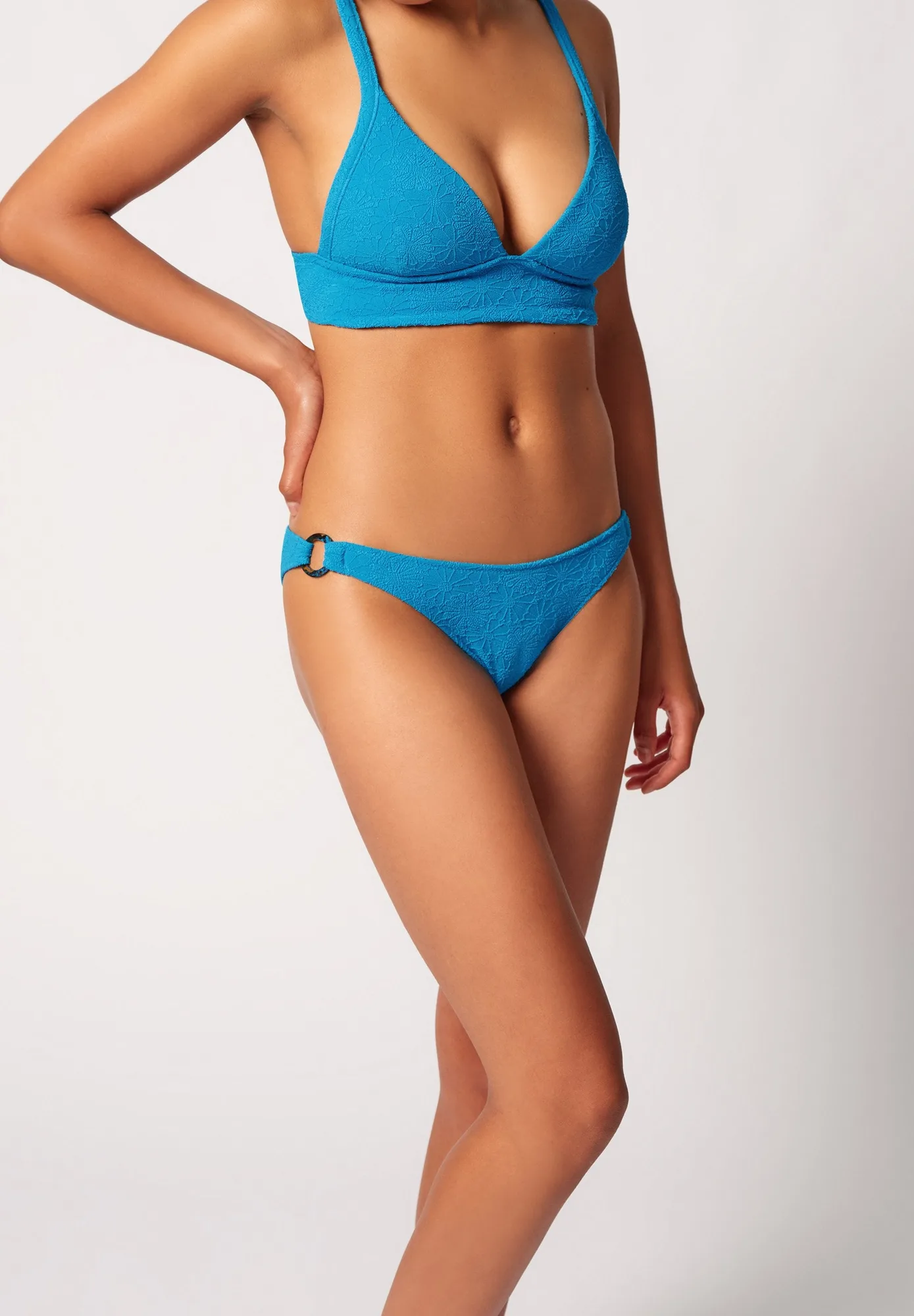
- Pacificoast Bikini briefs | 083146-08S759: Rio brief fit with a ring detail on both sides, designed to pair with a bandeau, triangle or halter top. Shows how a brief cut can be styled across tops, which matters if you build swim looks around one bottom.
- Calmodal Briefs | 081397-08S590: Brazilian briefs in TENCELTM Modal fabric with a comfortable elasticated waistband that fits securely without constricting. A breathable everyday option where the waistband does the work, so the cut stays put without extra height.
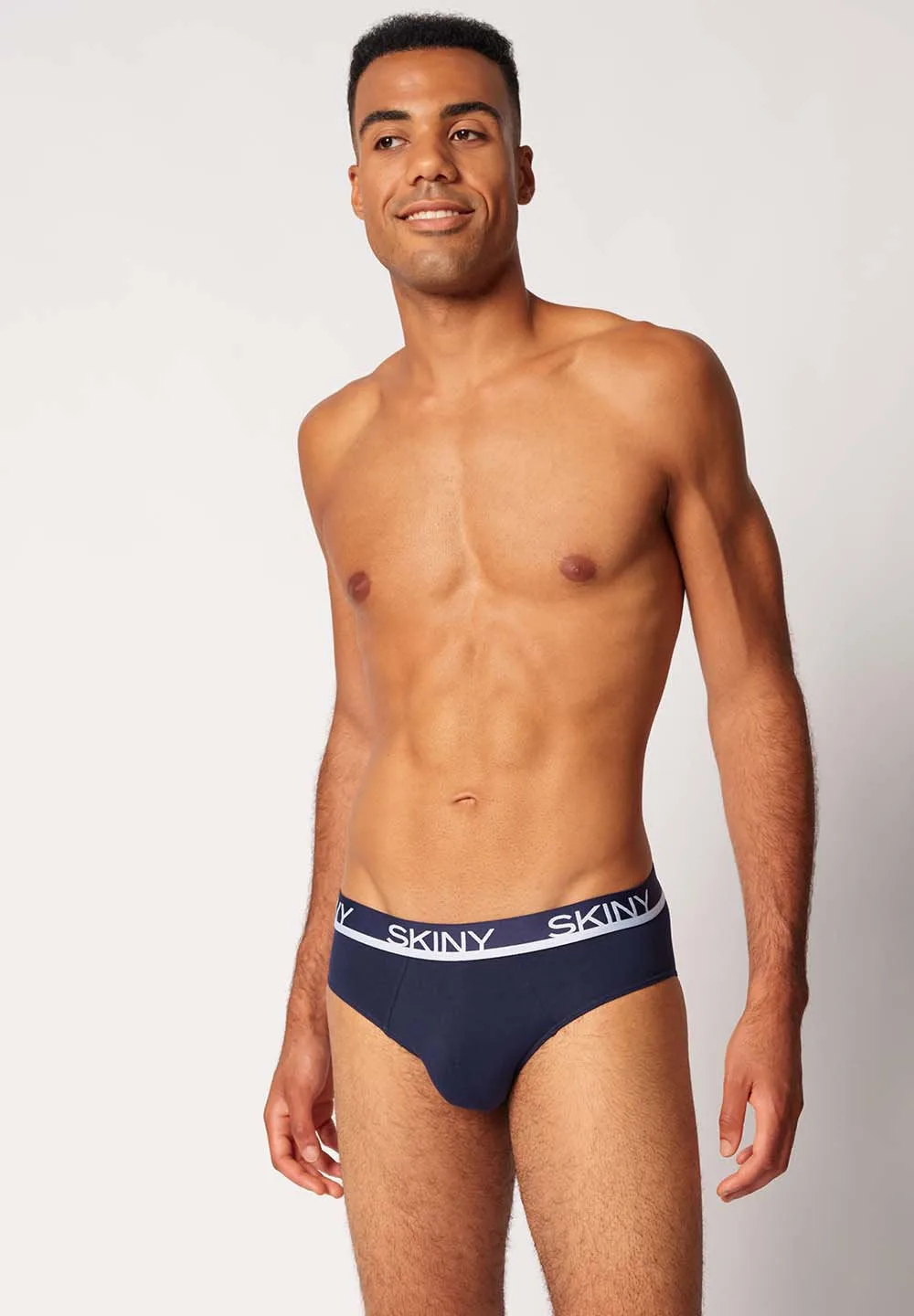
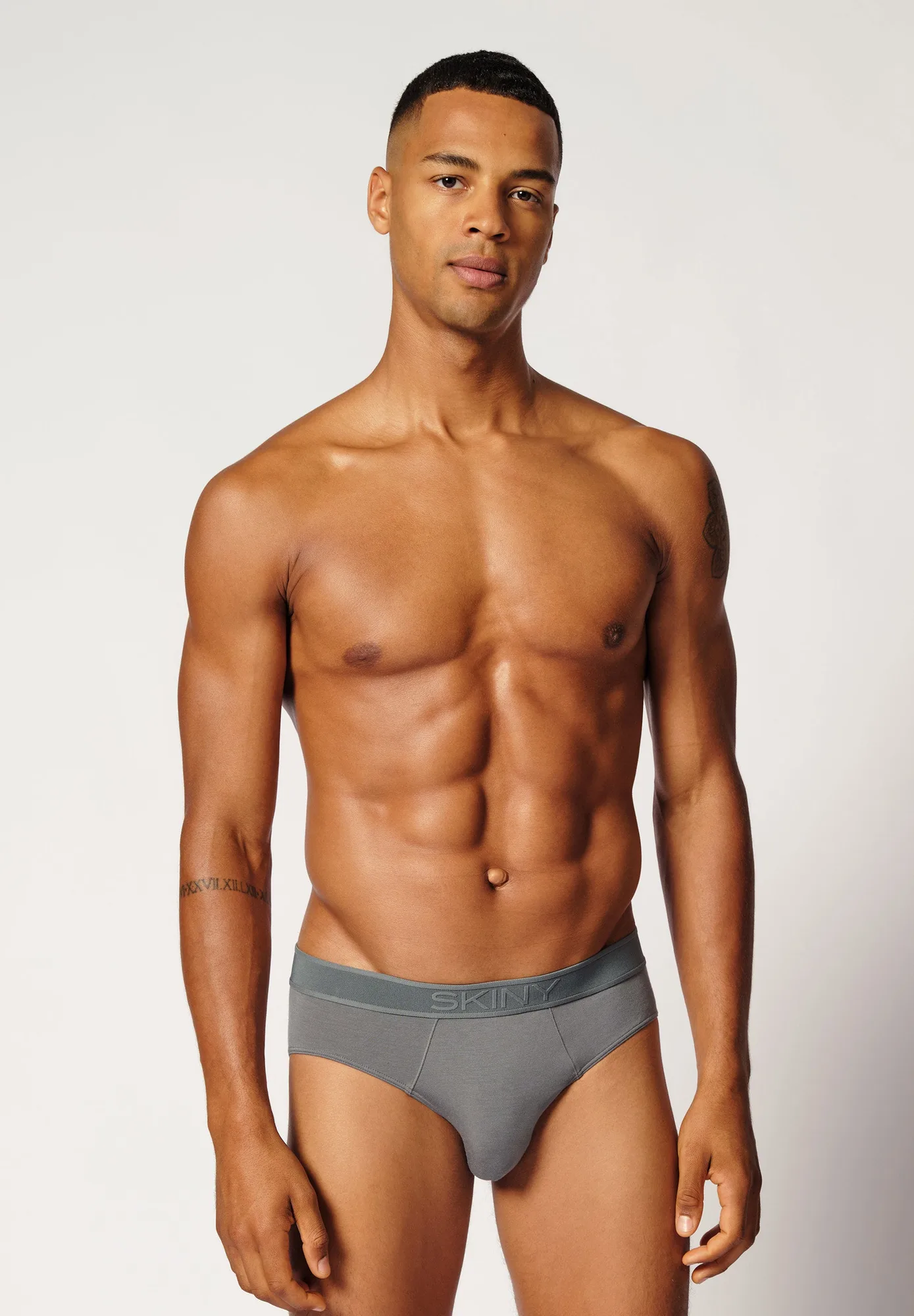
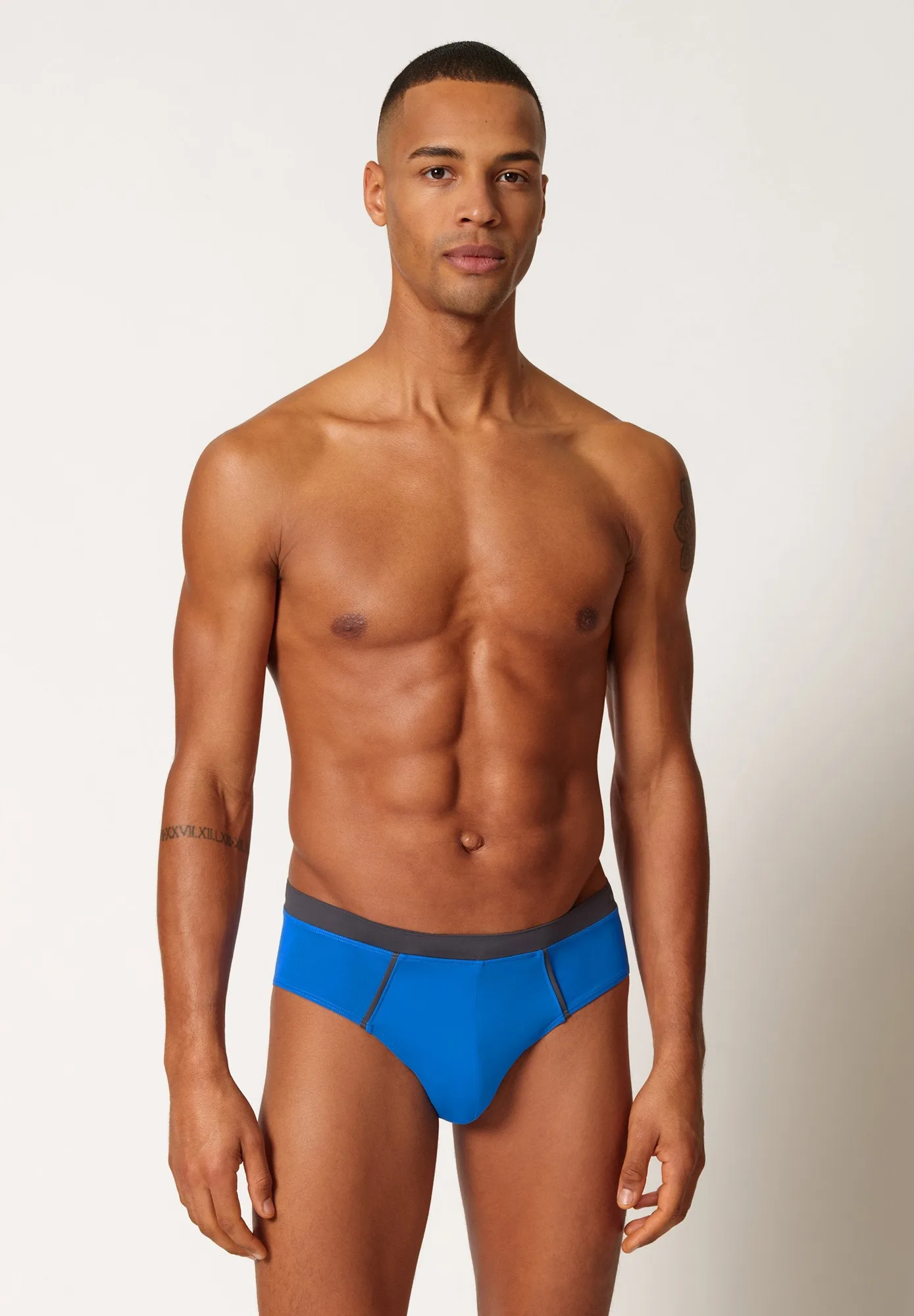
- Cotton Multipack Briefs 3 pack | 086839-082061: Classic stretch cotton men's briefs with a striking elastic waistband with SKINY lettering, available in a pack of three. A practical way to test a brief cut across several days before committing to more.
Which Brief Cut Should You Choose?
Best for
- Everyday wear under trousers, skirts and higher-rise denim
- Long days, travel or anyone who prefers a secure, anchored feel
- People who want more coverage across the hip and lower back
Not for
- Very low-rise jeans or slip dresses where a higher waistband may show
- Anyone who prefers a barely-there feel in hot weather
Pick midi briefs when you want coverage that stays put, and mini briefs when you want a lighter cut under low-rise clothing. Check the rise, fabric and waistband before you buy, and keep both in rotation so each day gets the fit it needs.