Quick answer
For most home and light-industrial MIG welding on clean steel 1/8" and thicker, ER70S-6 solid wire with C25 gas gives a clean, spatter-free bead. If your metal is dirty, rusty, or you need deeper penetration for structural joints, switch to E71T-1M dual-shield flux-cored wire. Your choice depends on material condition, thickness, and joint requirements.
Solid MIG Wire (ER70S-6) Basics
Solid wire is the most common choice for MIG welding mild steel. It requires an external shielding gas, typically C25 (75% argon / 25% CO2), to protect the weld pool from contamination. ER70S-6 is a popular alloy because it contains deoxidizers that help handle light rust or mill scale, though the metal should still be clean for best results. It produces less spatter and a smoother weld bead than flux-cored wire, making it ideal for visible welds and thinner materials down to 24 gauge.
Because solid wire conducts current through a single strand, it feeds smoothly through standard liners and contact tips. It works well in all positions with proper technique, but it struggles on heavily contaminated or thick plate where deeper penetration is needed. For material over 1/2 inch, you may need multiple passes or a different wire.
Flux-Cored Wire (E71T-1M) Basics
Flux-cored wire is a tubular wire filled with flux compounds. E71T-1M is a dual-shield type that still requires C25 shielding gas, but the flux inside adds slag protection and improves weld metal properties. This wire is designed for structural welds on material 1/8" and thicker, especially where the weldment will experience flexing or shock loads—think trailer hitches, loader arms, or skid plates.
The flux core produces a slag layer that must be chipped off after each pass, adding cleanup time. However, it offers higher deposition rates and deeper penetration than solid wire, making it more productive on thicker joints. It also tolerates surface contaminants like rust, oil, or paint better than solid wire, though cleaning is still recommended. E71T-1M runs on DCEP (reverse polarity) and produces more fumes, so good ventilation is essential.
When to Choose ER70S-6 Over E71T-1M
Stick with ER70S-6 solid wire when your steel is clean, thickness is under 1/2 inch, and appearance matters. It's the better choice for sheet metal, thin-wall tubing, and general fabrication where post-weld cleanup needs to be minimal. It also costs less per pound than flux-cored wire, and you avoid the time spent chipping slag.
Trade-off: If you occasionally weld dirty or thicker material, ER70S-6 will require more prep time and may need multiple passes. For mixed work, you might keep both wires on hand.
When to Choose E71T-1M Over ER70S-6
Reach for E71T-1M dual-shield wire when you need strong, ductile welds on structural or load-bearing parts. It's the right pick for materials 1/8" and thicker that will see vibration or impact, such as equipment repairs, heavy brackets, or automotive chassis components. It also saves time on dirty or rusty metal because it can burn through light contamination without extensive grinding.
Trade-off: You'll need to chip slag and deal with more spatter and fumes. If your project is thin-gauge or cosmetic, E71T-1M is overkill and will create extra work.
Decision rules for choosing MIG wire
- Material thickness under 1/8": Use ER70S-6 solid wire. Flux-cored wire can burn through thin material. Solid wire for thin sheet.
- Material thickness 1/8" and above, structural or shock-loaded: Use E71T-1M dual-shield wire for deeper penetration and better mechanical properties. Dual-shield for strength.
- Dirty, rusty, or painted steel: E71T-1M handles light contamination better than ER70S-6, reducing prep time. Flux-cored for dirty metal.
- Cosmetic welds or thin tubing: ER70S-6 produces less spatter and a smoother bead, reducing post-weld cleanup. Solid for appearance.
Wire options from HTP America
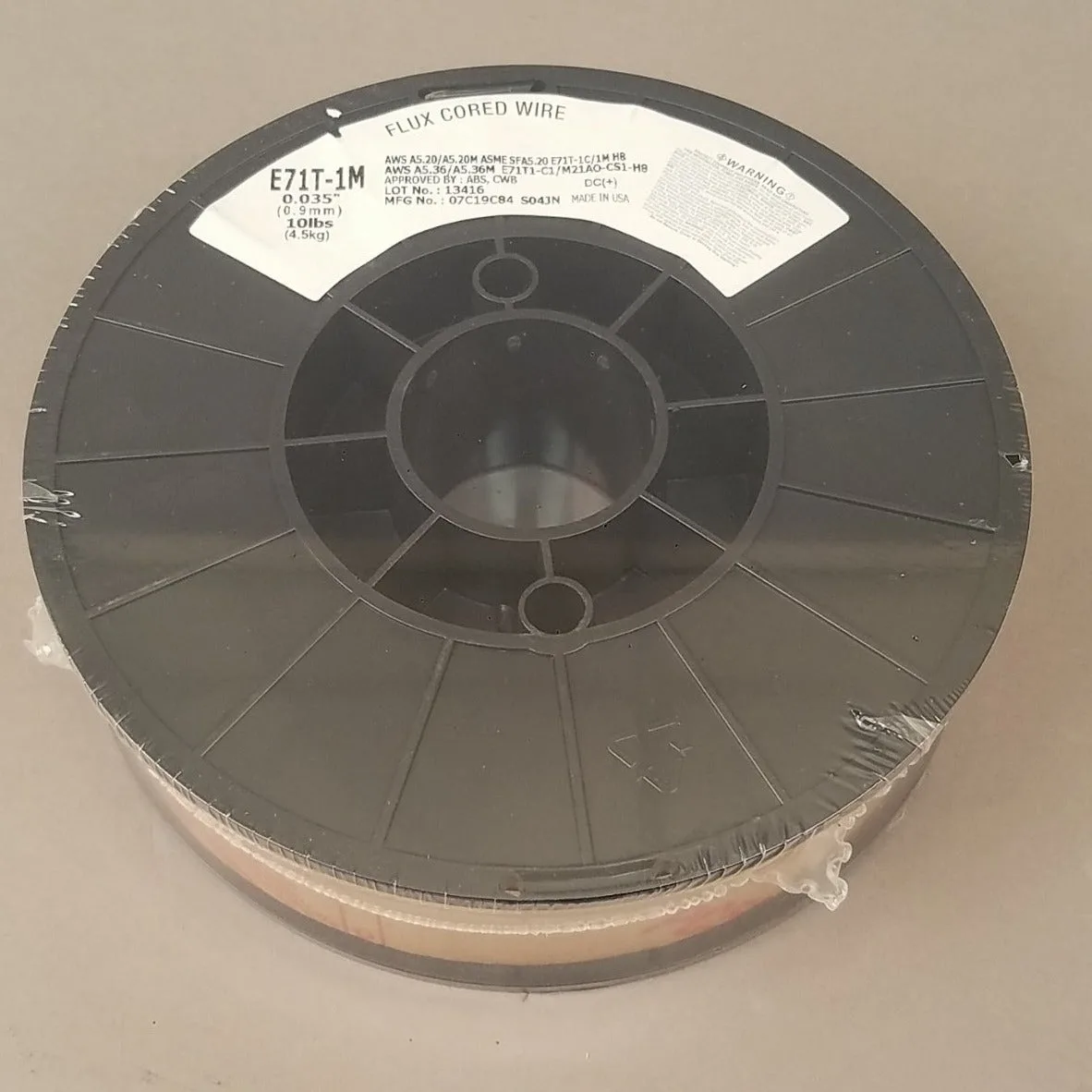
- HTP® America E71T-1M Dual Shield MIG Welding Wire, 10 lb, 8" Spool: HTP® America E71T-1M dual shield MIG welding wire on an 8", 10 lb. spool. A tubular wire that runs on DCEP with a C25 (75% Argon/25% CO2) gas mixture. Used for structural welds. E71T-1M wire offers better weld properties than standard ER70S-6 wire when welding material 1/8" and thicker in applications where the weldment is subject to a lot of flex and shock loads. If you're repairing trailer hitches, loader arms, or other high-stress parts, this wire gives you the strength and ductility to handle repeated loading without cracking.
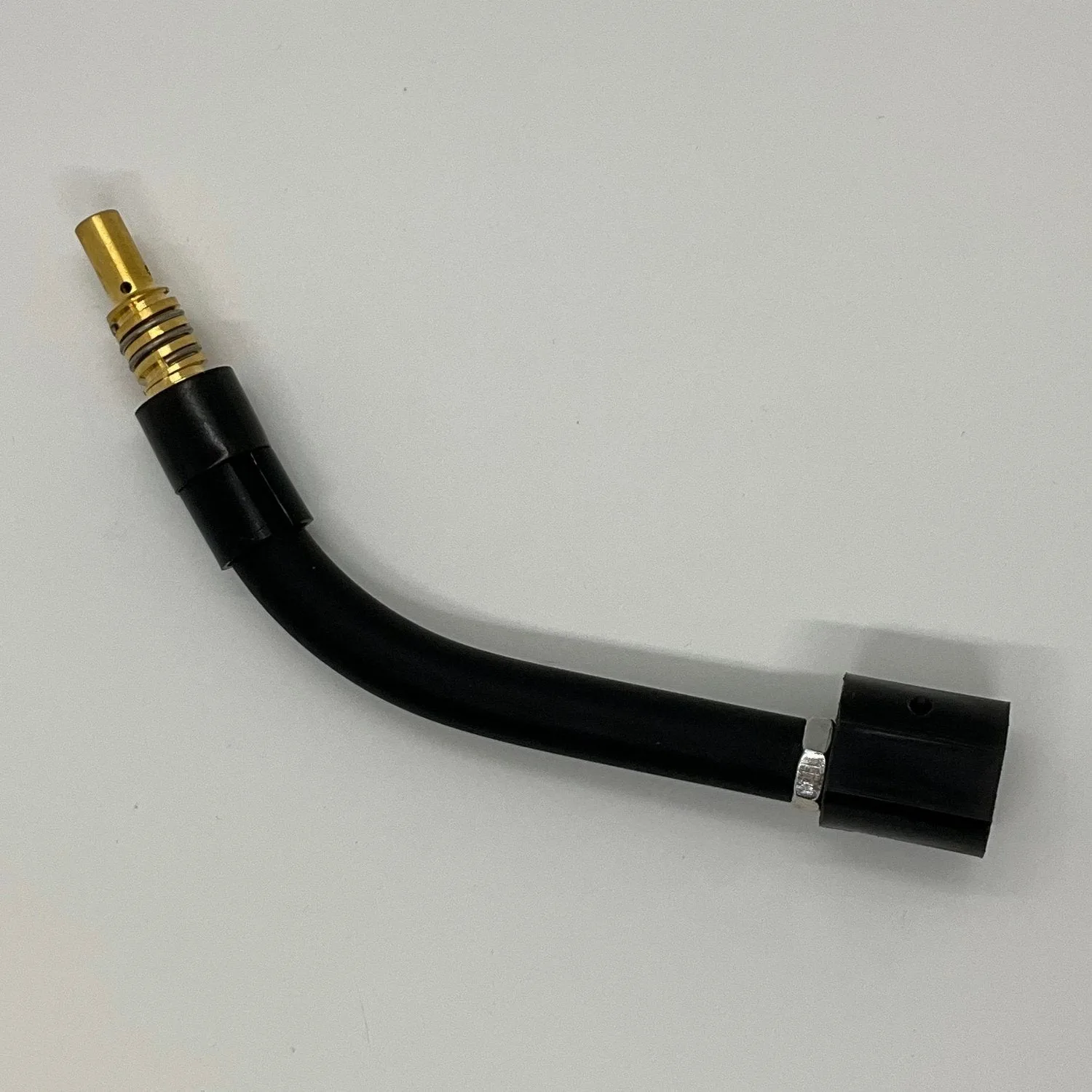
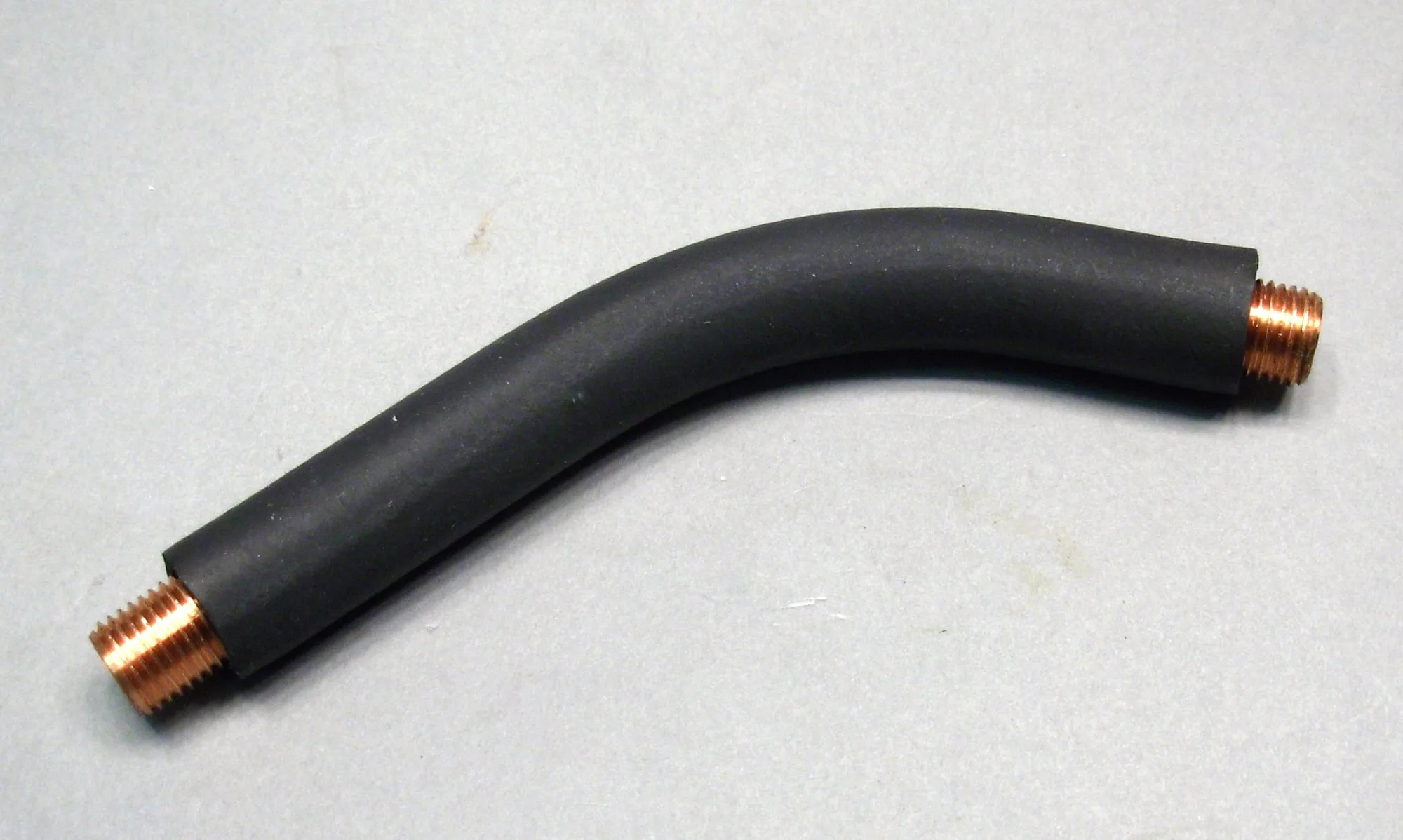
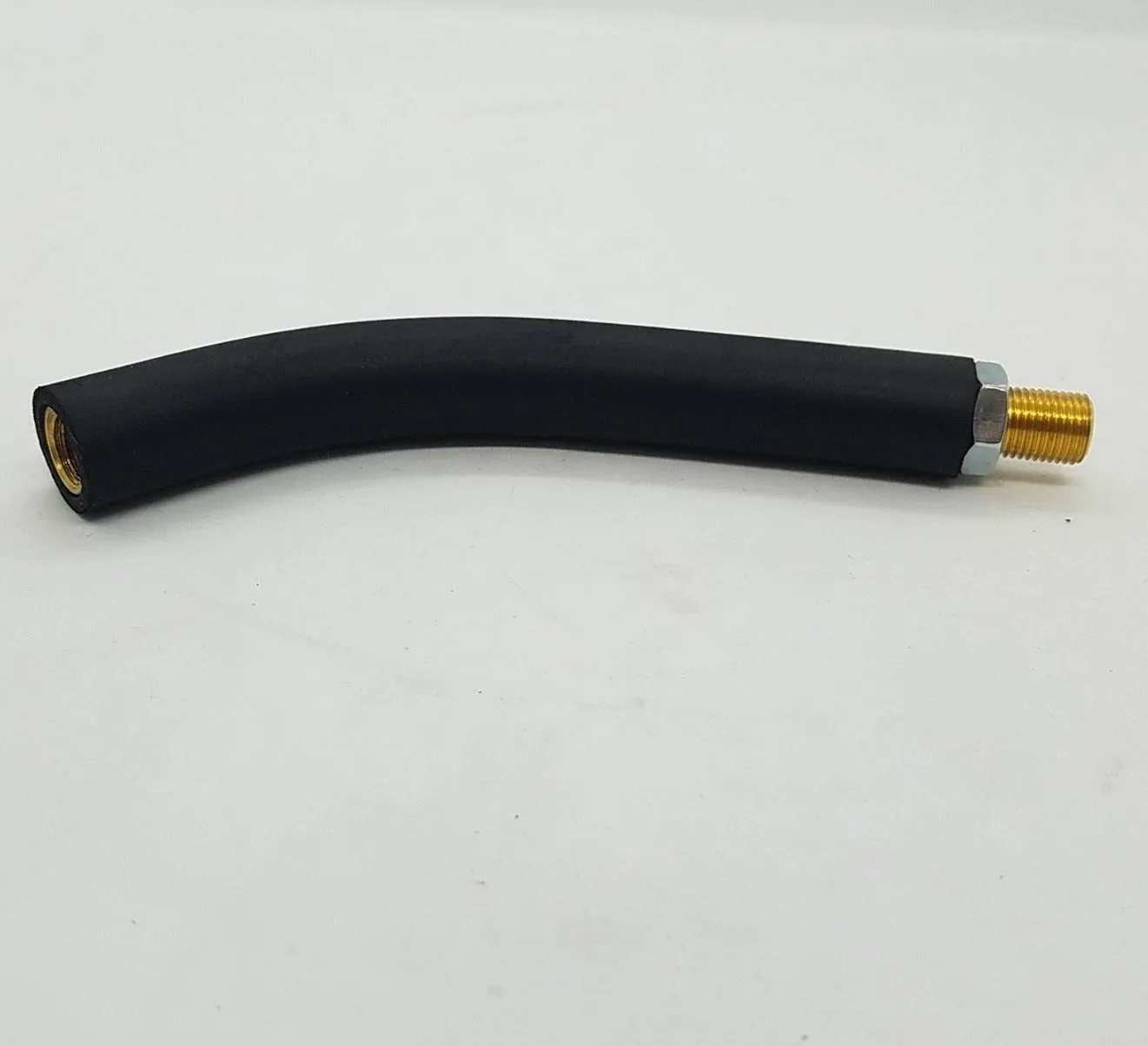
- OEM Swan Neck/Tube Head f/Miller® M15 MIG Welding Guns: This OEM https://usaweldeb.com/products/swan-neck-6-0b249e81c8249a4a043df7c9-1278837https://usaweldeb.com/products/15-series-swan-neck-8d358b924be66bf18670fbcd-1278838swan neck/tube head is designed for Miller® M15 MIG welding guns, providing a direct replacement component for maintaining your gun's performance. A worn swan neck can cause wire feed issues and poor gas coverage. Replacing it with an OEM part restores consistent wire delivery and shielding, which is critical when switching between wire types.
Which wire fits your work?
Best for
- Home hobbyists and light fabrication on clean steel up to 1/2" thick using ER70S-6
- Structural repairs and heavy equipment welding on material 1/8" and thicker using E71T-1M
Not for
- Projects requiring absolutely no slag cleanup or minimal fume (choose solid wire instead)
- Very thin sheet metal under 24 gauge (both wire types may cause burn-through; consider TIG or pulse MIG)