Quick answer
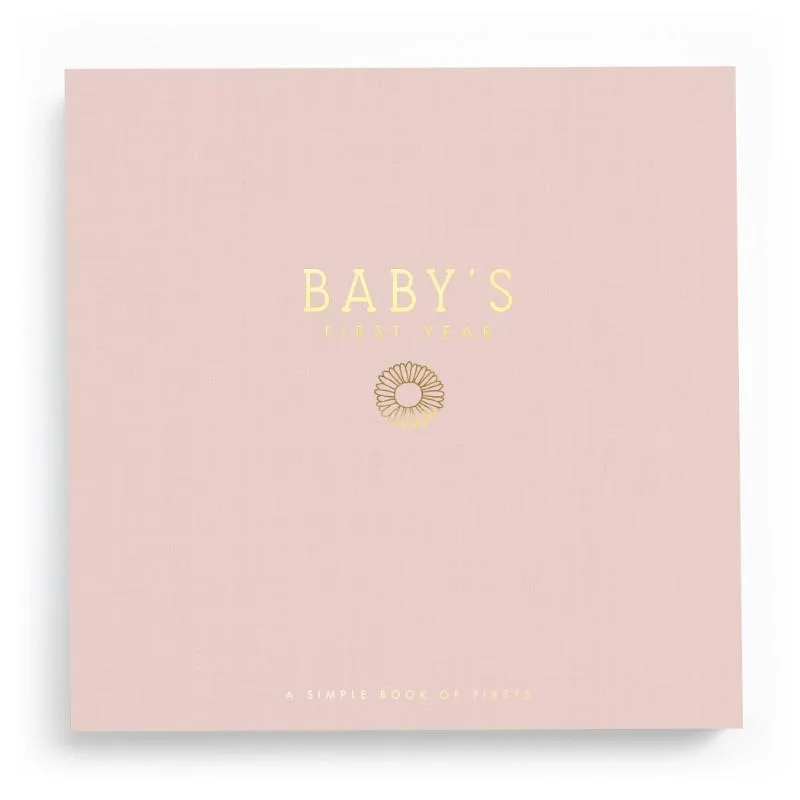
Choose milestone cards if you want a low-effort, photo-first way to mark monthly growth and share updates. Choose a baby memory book if you want a single bound place for prompts, prayers, and the story behind the photos. Many families use both: cards for the quick monthly shot, a memory book for the deeper record.
The real difference: a moment versus a record
Milestone cards are designed to be held up in a photo. You place a card next to your baby, snap the picture, and you are done. A baby memory book asks you to sit down and write. That single difference in effort shapes which one you will actually keep using at 3 a.m. and which one you will still be glad you have in 18 years.
A baby memory book comparison usually comes down to this: cards capture a date and a size, while a book captures context. The card says 'one month.' The book can say what that month felt like, what you prayed for, and what you never want to forget.
How to choose without buying twice
Start with your honest habit. If you already take daily photos and rarely write, cards will get used. If you keep a journal or planner, a guided memory book will get used. If you want both, assign them different jobs so they do not compete.
Then check the format against your storage. Cards are loose and need a box, binder, or photo pocket. A bound book sits on a shelf and stays together. Neither is better, but the one that fits your storage is the one that survives.
- Pick cards if your main goal is a monthly photo you can text to family.
- Pick a memory book if your main goal is a keepsake you can hand down.
- Pick both if you want the quick photo and the written record, but decide which one is the 'official' timeline.
What a guided memory book adds that cards cannot
Guided prompts remove the blank-page problem. Instead of deciding what to write, you answer a question. That structure is why guided journals get finished. A card set has no prompts because it does not need them; the photo is the entry.
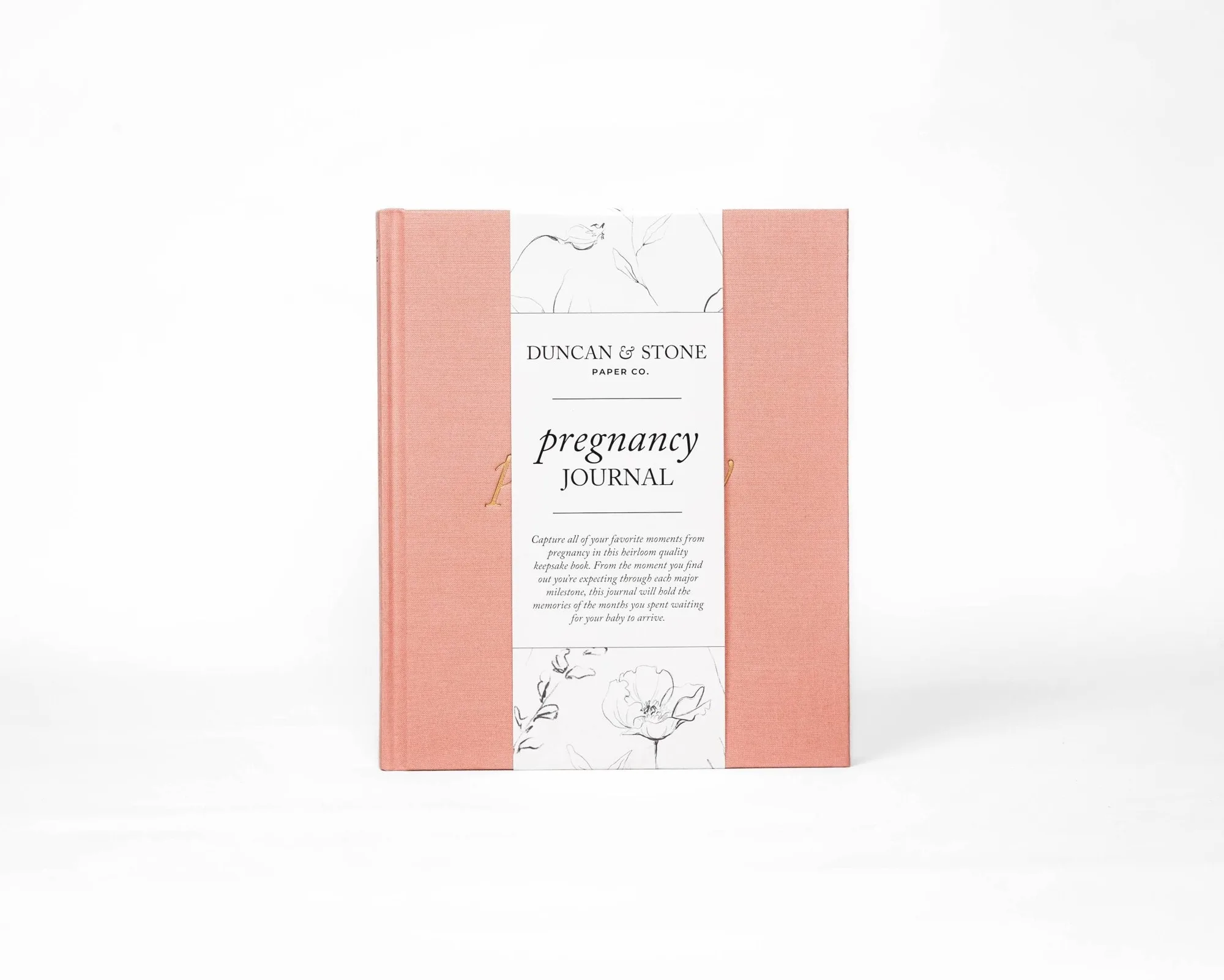
If you are documenting a pregnancy as well as the first year, a pregnancy prayer journal with weekly development pages and scripture prompts can start the record before birth, then hand off to a first-year book. That continuity is hard to recreate later from a camera roll.
Cost, gifting, and the long game
Cards are usually the lower-cost entry point, which makes them easy to gift and easy to replace if a card goes missing. A bound memory book costs more up front but replaces a stack of loose papers with one object.
For gifting, cards work for a baby shower because they are immediately usable. A memory book works better as a 'first year' gift given at birth or at the one-year mark, when the parent knows they want to keep a written record. If you are unsure, gift the book and let the parent add cards separately.
Trade-offs at a glance
- Milestone cards: Fast, photo-first, and easy to share. The trade-off is that they capture a moment, not the story, and loose cards can be lost without a dedicated storage spot. Best if you will actually take the monthly photo.
- Baby memory book: Guided prompts and a bound format create a durable record you can pass down. The trade-off is that it requires sitting down to write, and it is harder to share in the moment. Best if you want a keepsake, not just a photo.
- Using both: Cards handle the quick monthly milestone photo; the memory book handles the written record. Decide which one is the official timeline so you are not duplicating effort. Works well, but only if the two formats have separate jobs.
Products that fit each approach
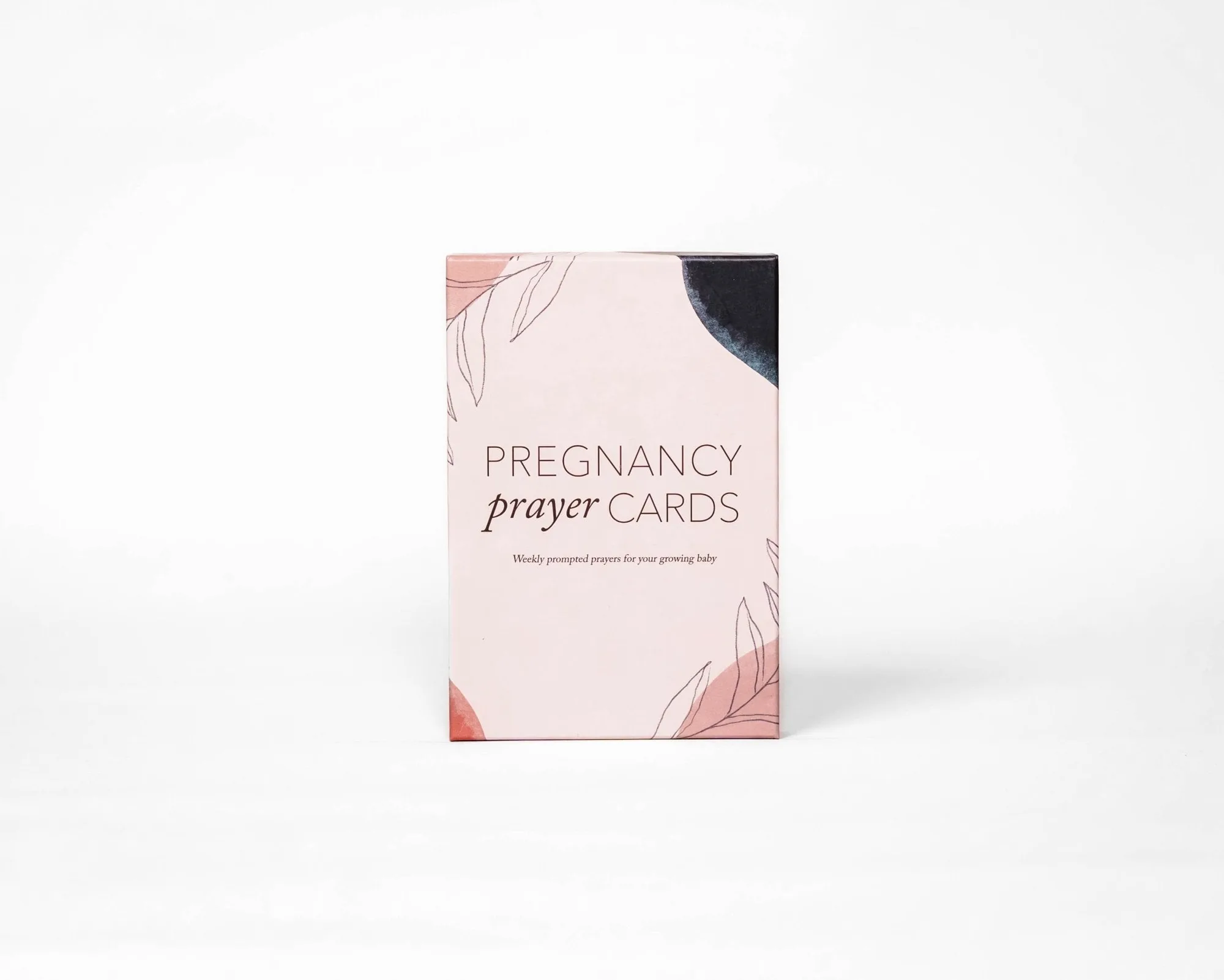
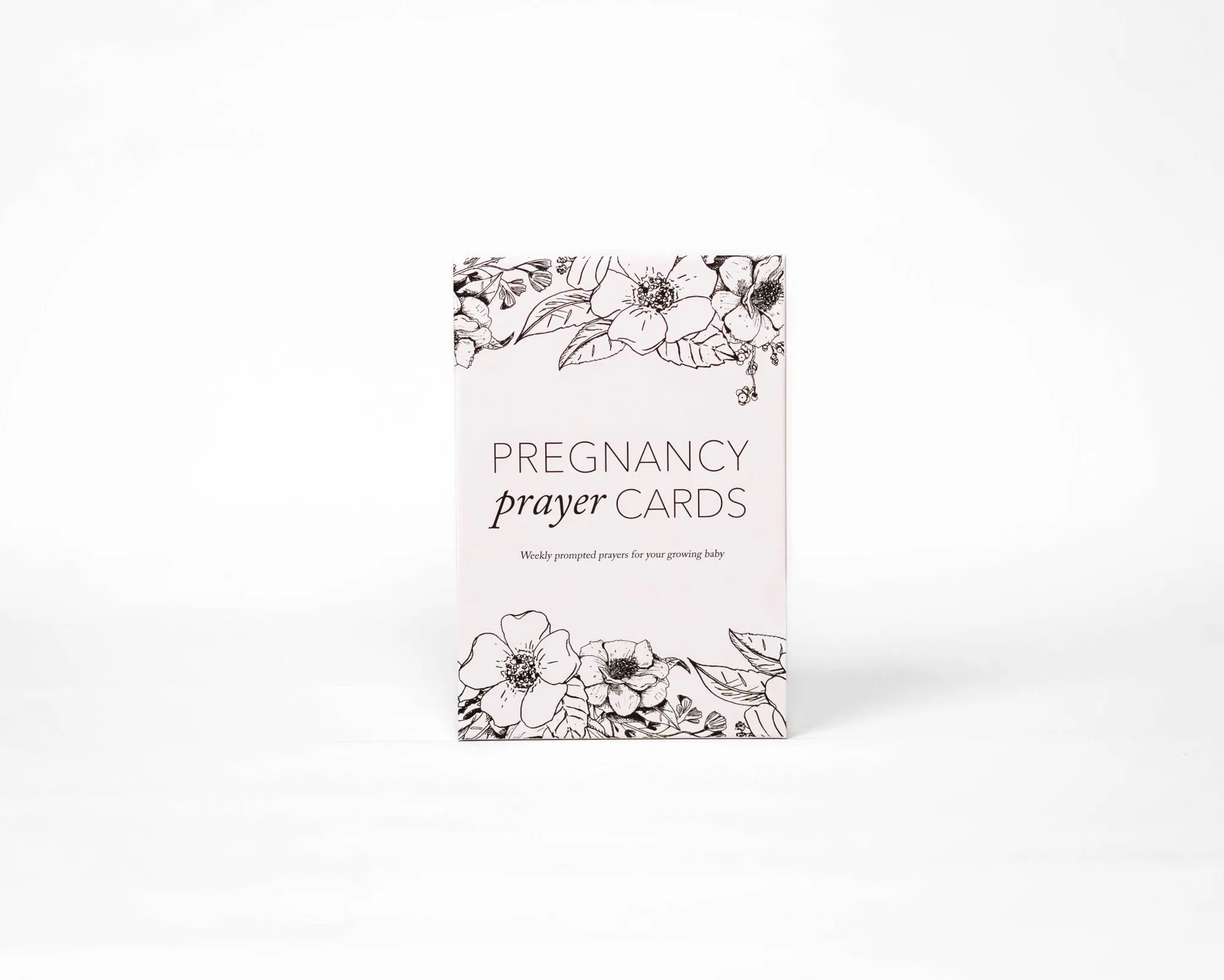
- Spanish Pregnancy Prayer Cards: Spanish https://duncanandstones.com/products/pregnancy-prayer-cards-261219https://duncanandstones.com/products/pregnancy-prayer-cards-261220https://duncanandstones.com/products/pregnancy-prayer-cards-261221Pregnancy Prayer Cards are a set of pregnancy prayer cards available in Spanish, with each week detailing the baby's development. A week-by-week pregnancy card set gives you a ready-made prompt for each stage before birth, so the habit of documenting starts early.
- School Photos Book: School Photos Book keeps school photos from Pre-K through high school graduation together in one place so you can flip back and see your child grow. It shows the long-term value of a single bound record: one book that spans years instead of loose photos in a drawer.
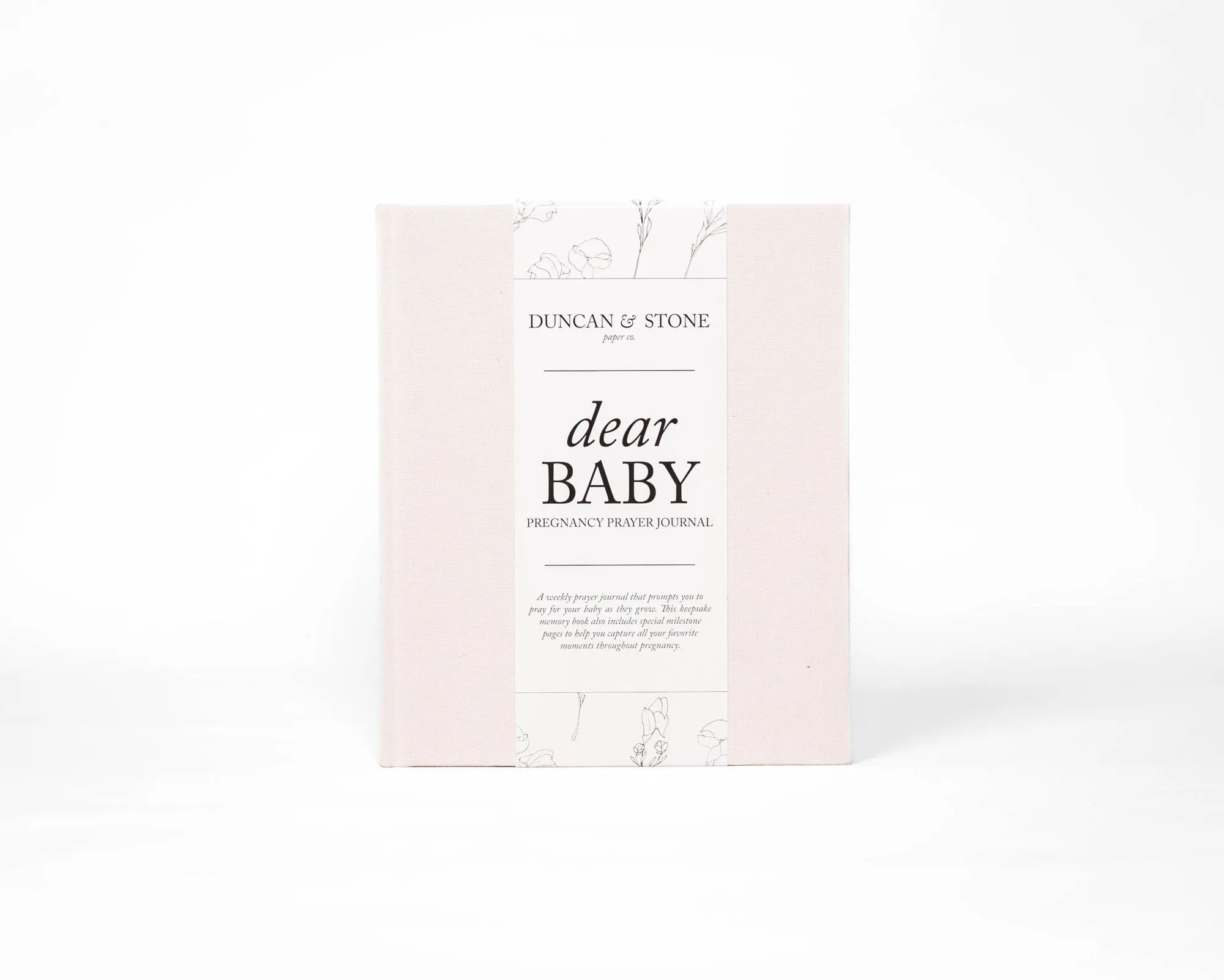
- Dear Baby: Pregnancy Prayer Journal: Dear Baby: Pregnancy Prayer Journal has a page for each week of pregnancy describing the baby's development, plus a prompt with scripture, and milestone pages for the season. If you want a written record rather than just photos, this is the format that captures the story behind each week.
- Dear Son: A Childhood Prayer Journal: Dear Son: A Childhood Prayer Journal uses guided prompts to capture memories each year and is designed to be displayed or passed down as a family heirloom. This is the memory-book side of the comparison: a guided, bound keepsake built for the long term rather than the quick photo.
Which should you buy?
Best for
- Parents who take lots of photos but rarely write
- Families who want a quick monthly update to share with relatives
- Gift-givers who want a low-cost, immediately usable baby shower present
Not for
- Anyone who wants a single bound keepsake to hand down
- Parents who want guided prompts and scripture to structure their writing
- Families documenting pregnancy week by week in writing rather than photos