Quick answer
Choose Milk Oolong for a creamy, honey-like mouthfeel and Eastern Beauty for a bright, melon-forward flavor with a smooth texture.
Flavor and texture differences
Milk Oolong delivers a rich, creamy flavor with honey notes and a thick mouthfeel, thanks to its Taiwanese mountain origin. Eastern Beauty, from Yunnan, offers a surprising bright aroma with melon-forward taste and a quiet vanilla-spice foundation, wrapped in a velvety texture.
Trade-offs at a glance
- Flavor profile: Milk Oolong: creamy, honey-like, rich. Eastern Beauty: bright, melon-forward, with vanilla-spice undertones.
- Texture: Milk Oolong: thick, mouth-coating. Eastern Beauty: velvety, smooth.
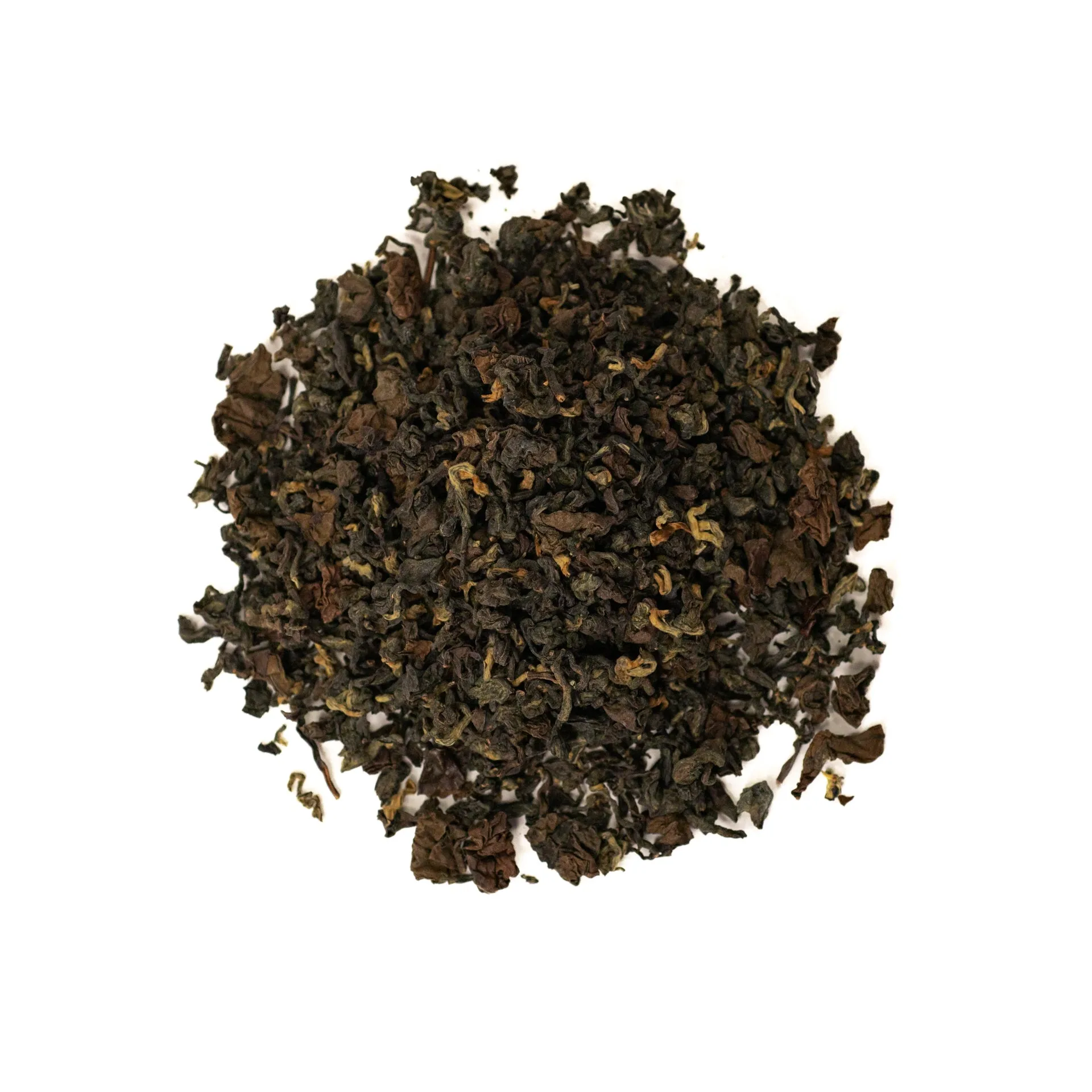
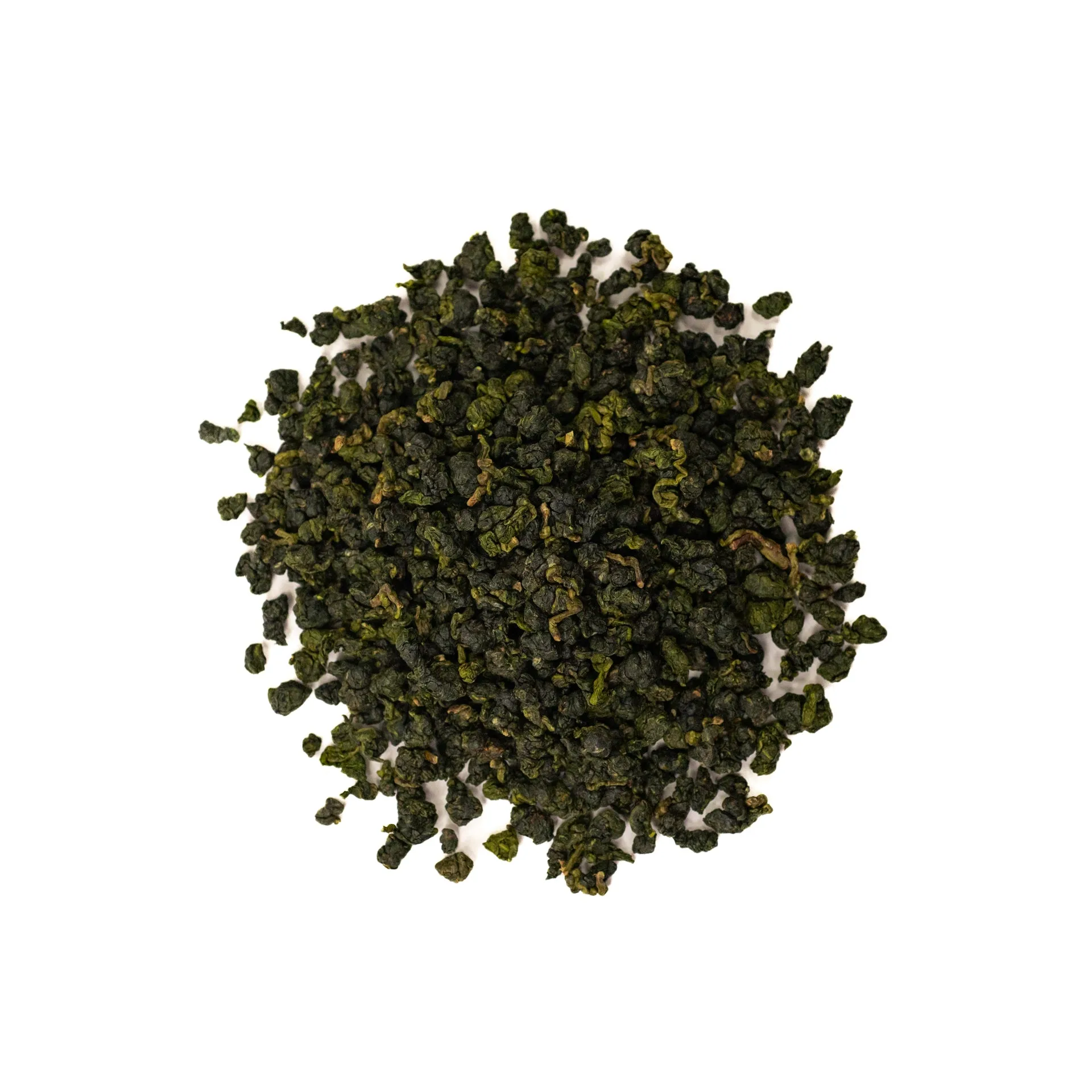
- Oxidation level: Eastern Beauty is higher-oxidized (dark brown leaves), while Milk Oolong is a classic rolled oolong with a more delicate oxidation. Higher oxidation in Eastern Beauty gives it a more pronounced, fruity character.
Product facts
-
Eastern Beauty: Eastern Beauty has dark brown leaves indicating higher oxidation, with a bright melon-forward aroma and a smooth, velvety texture. This creates a refreshing, spritely cup with a quiet vanilla-spice note, ideal for those who enjoy complex yet smooth oolongs.
Eastern Beauty
-
Milk Oolong: Milk Oolong is a rolled leaf Taiwanese tea with a creamy, rich flavor that tastes like honey and has a wonderful, thick mouthfeel. The thick mouthfeel and honey-like taste make it a comforting, indulgent choice for fans of creamy teas.
Milk Oolong
Which one fits you?
Best for
- Drinkers who love creamy, honey-like teas with a thick mouthfeel (Milk Oolong).
- Those who prefer bright, fruity oolongs with a smooth, velvety texture (Eastern Beauty).
Not for
- If you dislike creamy or honey flavors, Milk Oolong may not suit you.
- If you avoid bright, melon-forward notes, Eastern Beauty might not be your pick.