Start with what the blend actually contains
Milk's Up Lactation Tea is a warming herbal blend built around fenugreek, fennel, anise seed and nettle—traditional galactagogues that have been used for centuries to support nursing women and their milk supply. Lemon verbena and rosemary balance the flavor, so the cup tastes soothing rather than medicinal. Knowing the ingredients helps you decide whether the blend fits your routine before you brew your first pot.
The supplied product information describes the herbs and the intended support, but it does not include a brewing temperature, steeping time, or daily serving limit. Those details are not confirmed here, so treat any general herbal-tea method as a starting point and check the package label for the manufacturer's exact instructions.
A simple brewing method you can adjust
Because the exact steeping directions are not in the supplied record, use this as a conservative starting routine. Adjust strength and timing to your taste, and follow the package if it gives specific numbers.
- 1. Warm the cup and measure the tea: Use one tea bag or the amount your package suggests for a single cup. A warmed cup keeps the water temperature steadier while the herbs steep.
- 2. Add hot water and cover: Pour hot—but not vigorously boiling—water over the tea and cover the cup. Covering helps trap the aromatic oils from fennel, anise and lemon verbena.
- 3. Steep to your preferred strength: Start with a shorter steep for a lighter cup and lengthen it if you want a stronger herbal flavor. The package is the best guide if it lists a time.
- 4. Remove the tea and sip warm: Take the tea bag or leaves out when the cup reaches the strength you like. Milk's Up is described as deliciously warming and soothing, so it works well as a slow, warm drink rather than something to gulp.
What the label tells you—and what it doesn't
-
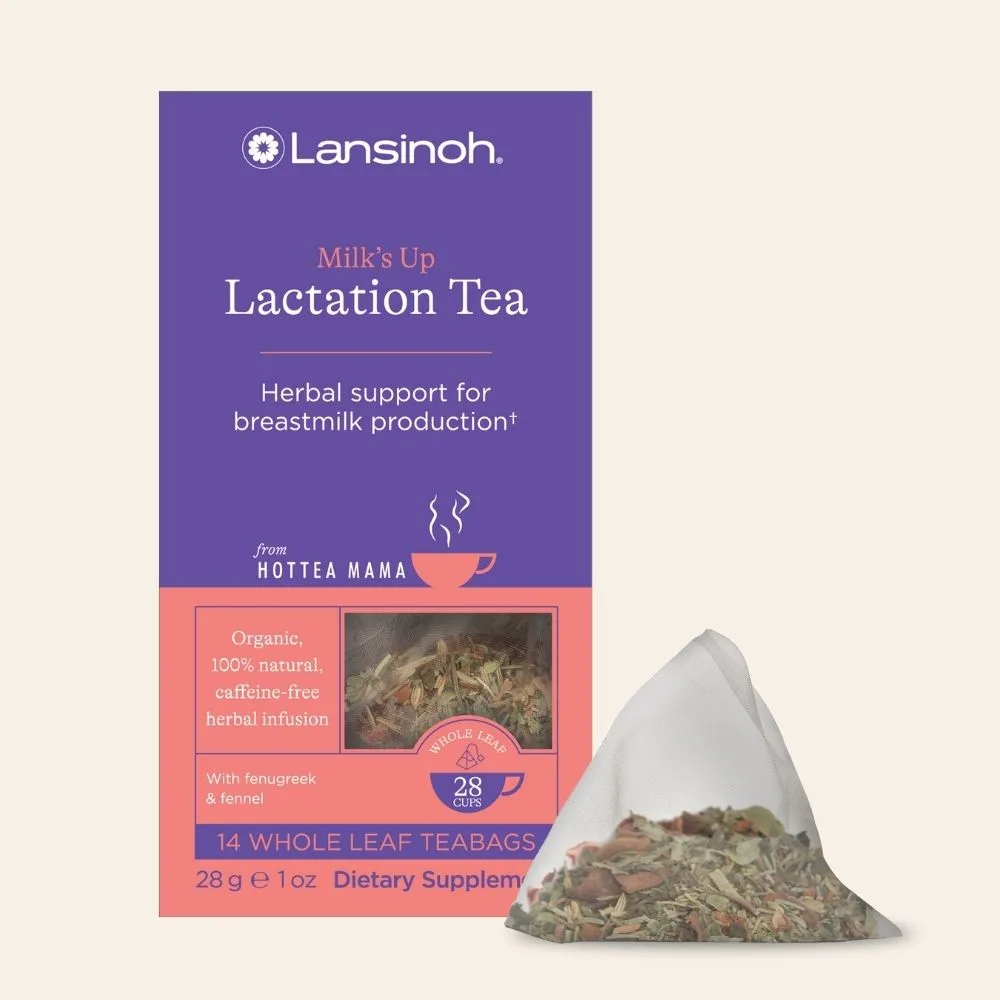
Milk’s Up Lactation Tea: Traditional herbs such as fenugreek, fennel, anise seed and nettle are blended in this warming tea to help support nursing moms. These are the active botanicals you are brewing, so knowing them helps you decide whether the blend matches the kind of herbal nursing tea you want.
Milk’s Up Lactation Tea
-
Milk’s Up Lactation Tea: Lemon verbena and rosemary delicately balance the flavors in this specially-blended tea. Flavor matters for a daily routine—this tells you the cup is designed to be pleasant enough to return to, not just functional.
When to drink lactation tea around nursing and pumping
There is no single clock time that suits every nursing parent, and the supplied information does not specify a best time of day. A practical approach is to anchor the cup to a routine you already have—for example, while you sit down to pump, or during a quiet moment after a feed. That makes it easier to remember and turns the tea into a pause rather than another task.
If you are pumping, brewing a cup before you start can give you a warm drink to sip during the session. Keep the tea within arm's reach and let it cool to a comfortable temperature. If you are nursing directly, a cup after the feed may fit better than trying to balance a hot drink during latch-on.
Building a herbal nursing tea routine that sticks
A routine works best when it is simple and tied to something you already do. These checkpoints help you decide how Milk's Up fits your day.
- Pick one anchor moment: Choose a feed or pumping session that happens at roughly the same time each day. Brew the tea as you set up, so the habit attaches to an existing cue.
- Keep the strength consistent: If you like a certain steep time, repeat it. Consistency makes the cup predictable and easier to judge against your own preferences.
- Check the package for serving guidance: The supplied record does not state a daily maximum or a recommended number of cups. Follow the package label rather than guessing, especially if you combine the tea with other herbal products.
- Note how you feel—not just supply: The product is described as supporting breastfeeding goals, but the supplied information makes no health or supply guarantees. Use your own observations and your healthcare provider's advice as your guide.
Allergens, storage and other label checks
The supplied product record does not list allergen information, storage instructions, or a shelf life. That is a gap in the available evidence, not a statement that the tea is free of allergens or that it keeps indefinitely. Before you buy or brew, read the package for the allergen statement and storage directions, and ask your healthcare provider if you have known sensitivities to fenugreek, fennel, anise, nettle, lemon verbena or rosemary.
The same caution applies to dietary suitability. The blend is described as an herbal tea for nursing moms, but the supplied information does not confirm whether it is certified organic, vegan, or suitable for every dietary pattern. Treat the label as the authority on those points.
Milk's Up Lactation Tea at a glance
- Milk’s Up Lactation Tea: Milk's Up Lactation Tea is a warming herbal blend with fenugreek, fennel, anise seed and nettle, balanced by lemon verbena and rosemary. This summarizes the blend in one line so you can compare it with other herbal nursing teas you may be considering.
- Milk’s Up Lactation Tea: The catalog lists a standard variant and a price of USD 7.50, with a comparison price of USD 14.99. Price and variant details help you decide whether to try a single pack before committing to a larger routine.