Start with the journal you have, not a perfect routine
A six-month journal can feel like a big commitment, but the LSW Mind Notes journal is designed to make the process manageable. It is an undated daily wellbeing journal with Monday to Friday prompts and weekly review pages, so you can start on any day of the year and pick up where you left off without guilt.
The goal is not to fill every page perfectly. The goal is to notice patterns in your thoughts and behavior, practice gratitude, and use the weekly exercises to build a clearer sense of what makes you feel fulfilled. That starts with a few minutes of honest writing, not a flawless streak.
What the Mind Notes journal provides
-
LSW London | Mind Notes - The Six Month Journal for Rediscovering You: LSW Mind Notes is a six-month undated daily wellbeing journal. Undated pages mean you can begin any time and skip days without wasting space or feeling behind.
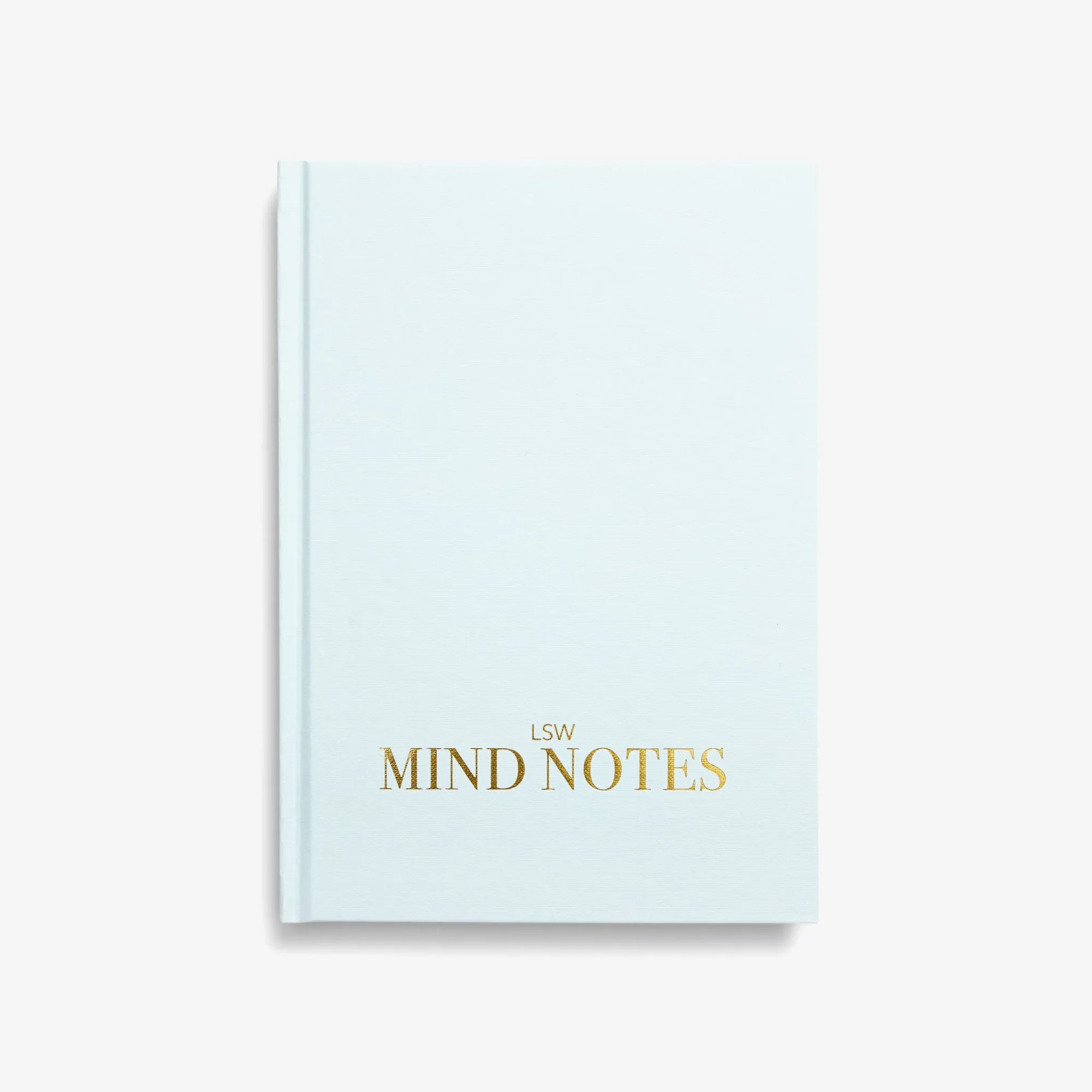
LSW London | Mind Notes - The Six Month Journal for Rediscovering You
-
LSW London | Mind Notes - The Six Month Journal for Rediscovering You: It contains Monday to Friday prompts with weekly review pages, motivational exercises, colouring pages, positive affirmations, mindfulness techniques, and breathing exercises. These built-in tools give you a structure to follow, so you are not staring at a blank page wondering what to write.
A simple way to begin your first week
- Pick a start date that feels low-pressure: Because the journal is undated, you can start on a Monday, a birthday, or any ordinary day. Choose a day when you can sit for five to ten minutes without rushing.
- Read the first prompt and answer in one or two sentences: The Monday to Friday prompts are there to guide you. Keep your first entries short; the habit matters more than the word count.
- Use the weekly review page to look back: At the end of the week, the review page helps you spot any thought or behavior patterns. A few bullet points are enough.
- Try one motivational exercise or breathing technique: The journal includes these tools alongside the prompts. Pick one that fits your week and note how it felt.
How often to write in a guided journal
The Mind Notes journal is built around daily prompts from Monday to Friday, with a weekly review. That structure suggests a five-day writing rhythm, but it is not a rule you have to follow rigidly. If you miss a weekday, you can still use the weekly review to capture the highlights, or simply continue with the next prompt.
The most useful frequency is the one you can sustain. For some people, that means writing every weekday morning; for others, it means three focused sessions and a longer weekly review. The undated format gives you permission to adapt without feeling like you have failed.
Making the habit stick when life gets busy
- Anchor it to an existing routine: Keep the journal where you already have a quiet moment—next to your morning coffee or on your bedside table. Pairing it with a habit you already have makes it easier to remember.
- Set a tiny minimum: On hectic days, aim for one sentence or one gratitude note. The journal’s weekly review can help you catch up on patterns later.
- Use the colouring or breathing pages as a reset: When writing feels heavy, the colouring pages and breathing exercises offer a different way to engage with the journal without forcing words.
- Review your week without judgment: The weekly review is for noticing, not scoring. Look for one thought or behavior you want to repeat and one you want to adjust.
What to do when you miss a week (or a month)
Missing days is normal. Because the journal is undated, you can simply turn to the next blank page and start again. There is no need to backfill or explain the gap. If you want to reconnect with your earlier reflections, read your last weekly review to remind yourself of the patterns you were noticing, then continue from today.
The six-month timeframe is a container, not a deadline. If you take longer than six months to finish, that is fine—the journal is still working for you as long as you return to it.
Using the journal for a new year reset
The start of a year is a popular time to begin a reflection practice, but the Mind Notes journal does not require a January start. Its undated pages make it suitable for a birthday, a seasonal change, or any moment when you want to rediscover what makes you tick. If you do start in the new year, you can use the first weekly review to set a gentle intention for the months ahead—no grand resolutions required.
What the journal can and cannot do
The Mind Notes journal is a self-reflection tool, not a substitute for professional mental health care. The supplied information describes its purpose as helping you pinpoint thought and behavior patterns, practice gratitude, and use weekly exercises to increase your sense of positive wellbeing. It does not claim to treat or diagnose any condition, and it should not replace advice from a qualified professional.
If you are going through a difficult time, consider using the journal alongside support from a healthcare provider rather than instead of it. The prompts and exercises are designed to be gentle, but you are always in charge of how much you share on the page.