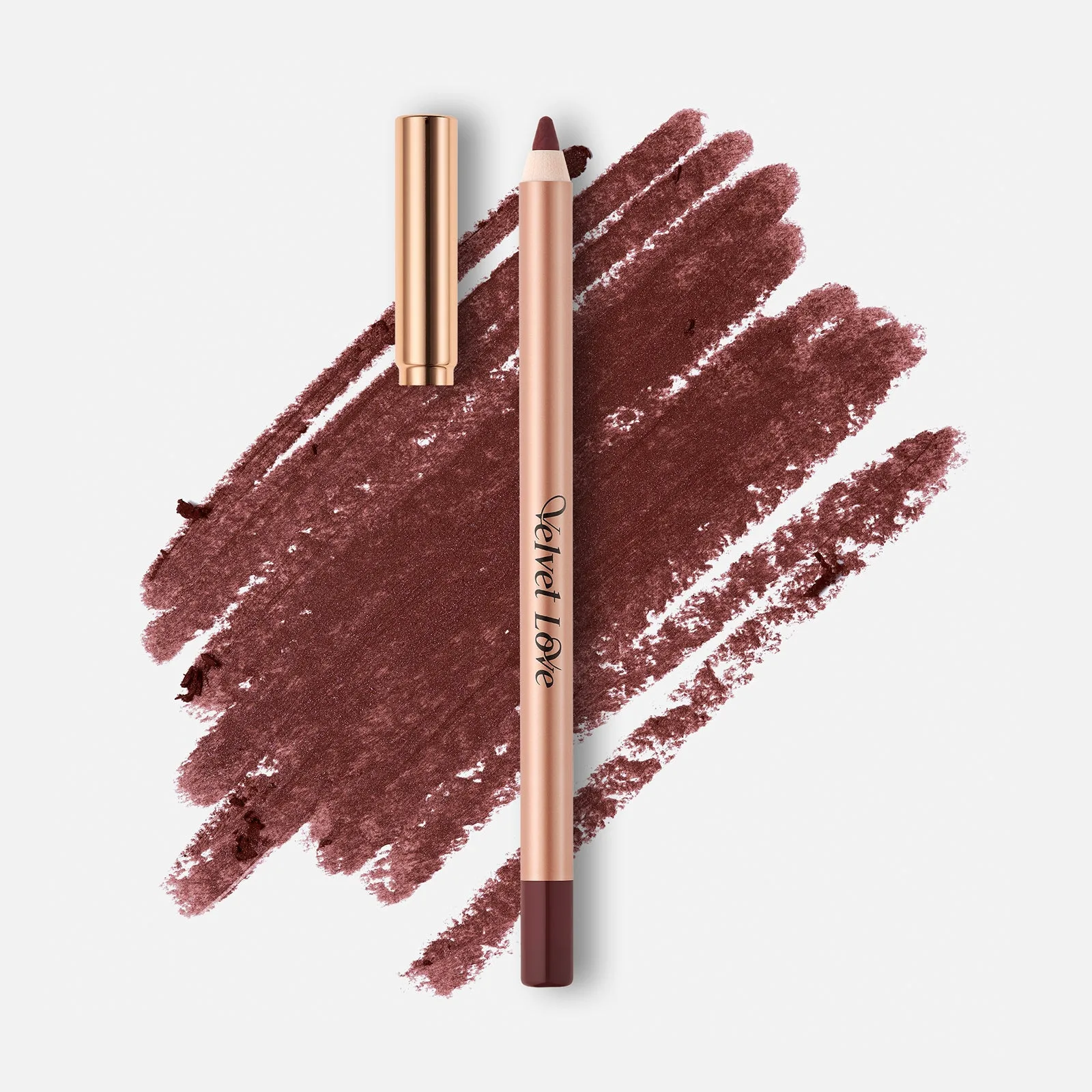
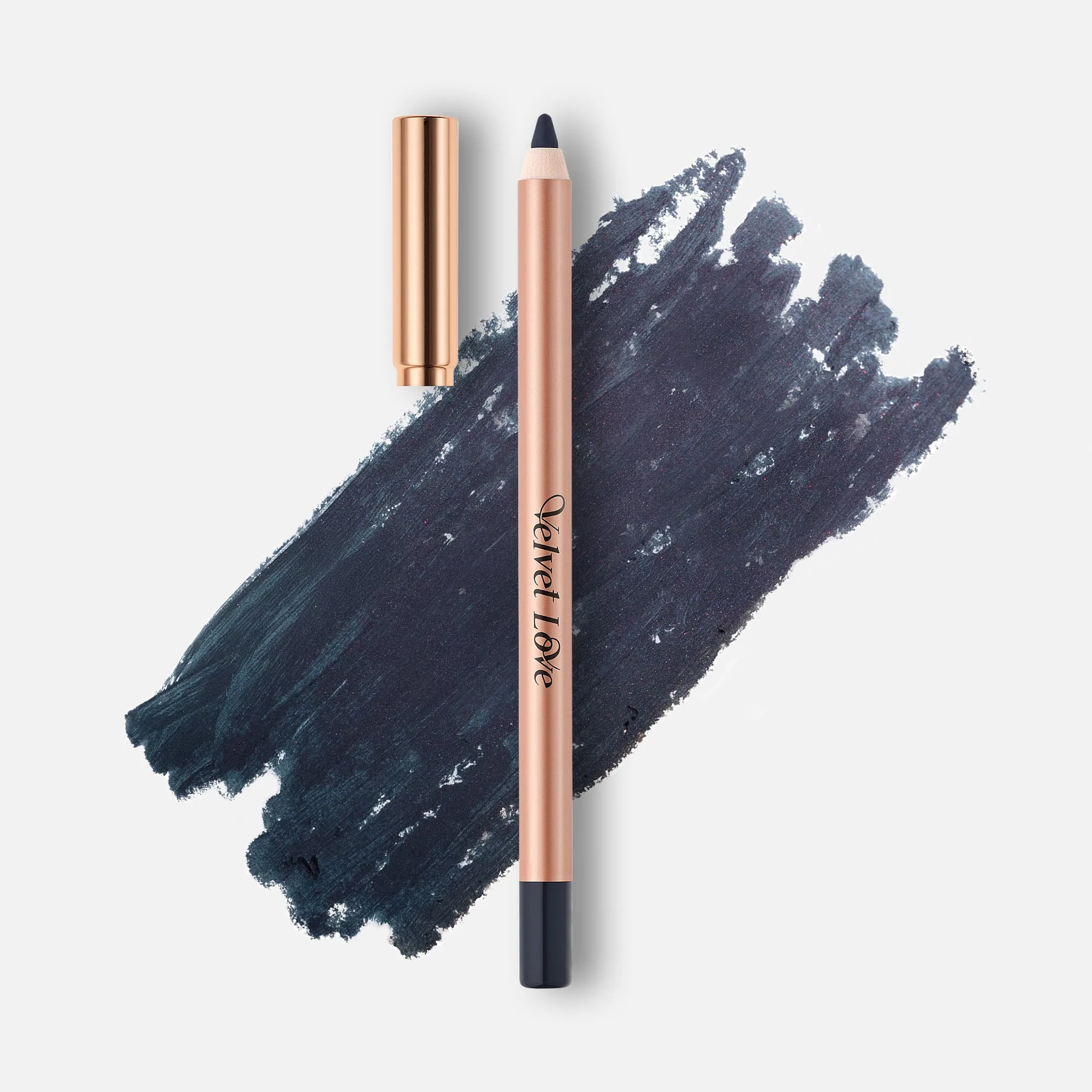
Why soft lines start with the pencil, not the smudge
A natural eyeliner look depends less on the product name and more on how you build the line. Mineral eyeliner pencils are designed for controlled placement, so the first pass should be light. If you press hard from the start, the line sets quickly and smudging can turn patchy instead of soft.
The Mineral Eyeliner Pencil is the product referenced in this guide. The supplied catalog record focuses on the product name and price; it does not list a shade range, finish, or wear time. That means the technique below is about line control and blending, not about claims the record does not confirm.
A soft eyeliner pencil technique for a natural look
Work in thin layers and keep a clean cotton swab nearby for adjustments. The goal is a line that looks like a shadow at the lash roots, not a hard stripe.
- Start with a clean, dry lid: Apply your usual base first if you use one, then let it settle. A dry surface helps the pencil glide without skipping.
- Draw short dashes at the lash line: Instead of one continuous stroke, place small dashes from the inner corner outward. Short strokes give you more control and make it easier to keep the line thin.
- Smudge while the line is fresh: Use a small brush or your fingertip to press and wiggle along the line. Work in one direction and check the result before adding more pencil.
- Build only where you need depth: Add a second thin pass at the outer third if you want more definition. Keep the inner corner light so the eye stays open.
- Set the soft edge with a matching shadow: If you want the smudged look to last, press a small amount of powder shadow over the line. The catalog record does not confirm a specific setting product, so use what you already have.
What the Mineral Eyeliner Pencil record confirms
-
Mineral Eyeliner Pencil: Mineral Eyeliner Pencil, catalog price USD 74.34 (comparison price USD 118.00). This is the product this guide refers to. The record does not list ingredients, finish, or wear claims, so treat the technique as application guidance rather than a product performance promise.
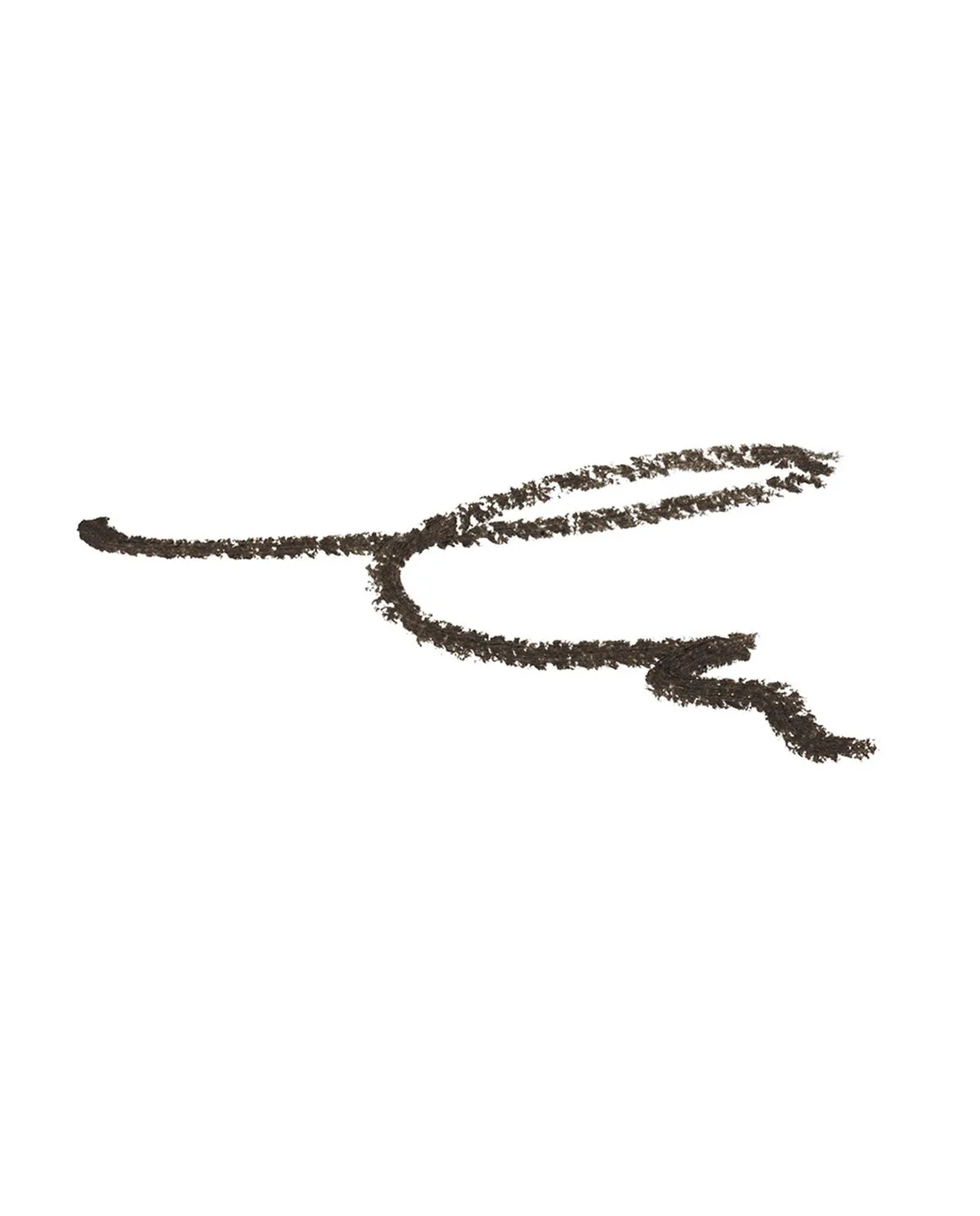
Mineral Eyeliner Pencil
Smudged eyeliner pencil: control the edge, not the whole line
Smudging is a technique, not a separate product. The trick is to smudge a thin line before it sets, then leave the outer edge slightly diffused.
- Smudge the upper lash line only: Keep the lower lash line clean if you want a natural eyeliner look. A soft upper line opens the eye; a heavy lower line can close it.
- Use a brush with a small head: A flat or angled detail brush gives you more precision than a large blending brush. Wipe the brush between eyes so the smudge stays even.
- Stop before the line looks gray: Over-smudging lifts the pigment and makes the line look faded. Press once or twice, then check in a mirror at arm's length.
Eyeliner pencil sharpening tips that protect the tip
A clean tip is the difference between a soft line and a scratchy one. Sharpen little and often rather than waiting for the point to flatten completely.
- Use a sharpener made for cosmetic pencils: A clean blade cuts smoothly. Wipe the blade after each use so product does not build up and drag on the pencil.
- Sharpen over a tissue: This catches shavings and keeps the tip from touching a surface. Turn the pencil slowly and apply light pressure.
- Wipe the tip before the first stroke: A quick wipe removes any loose pigment. If the tip feels dry, warm it briefly against the back of your hand before drawing.
- Do not over-sharpen: A very long, thin point breaks easily. A short, slightly rounded tip is more comfortable for the lash line.
What the catalog does not settle
The supplied record for the Mineral Eyeliner Pencil does not include ingredients, a shade list, waterproof claims, or care instructions. It also does not confirm whether the pencil is retractable or requires sharpening. The sharpening tips above are general pencil-care guidance, not a manufacturer instruction for this specific product.
If you need those details before buying, check the product page or the packaging when it arrives. For the application technique, the safest approach is to build thin layers and test the line on the back of your hand first.