Quick Answer
Mineral sprays typically provide lightweight hydration and a natural, refreshed look, ideal for fine hair or quick touch-ups. Texture sprays add grip, volume, and a matte, piecey finish, making them better for thick hair or styles that need hold. Choose based on your hair's needs and the style you want to achieve.
When you're styling your hair, the array of sprays can be overwhelming. Two popular options are mineral sprays and texture sprays. While they might seem similar, they serve different purposes and work best on different hair types. Understanding the difference can help you achieve the look you want without weighing your hair down or making it feel crunchy.
Mineral sprays often contain ingredients like zinc oxide or magnesium sulfate, which can add volume and a matte finish while also providing scalp benefits. Texture sprays, on the other hand, typically contain sea salt or other texturizing agents to create grip and separation. In this guide, we'll break down how each works, when to use them, and which might be best for your hair.
What Is a Mineral Spray?
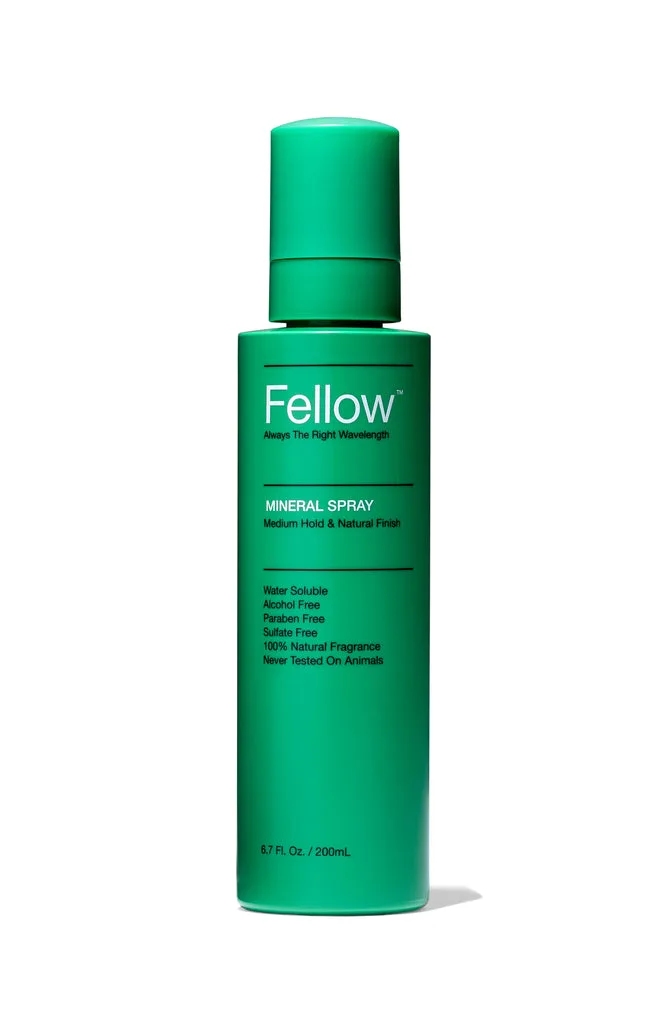
Mineral Spray
A mineral spray is a styling product that uses mineral-based ingredients to add texture and volume. Unlike traditional hairsprays that focus on hold, mineral sprays often provide a more natural, flexible finish. They can also deliver scalp benefits, as ingredients like zinc pyrithione help with dandruff and irritation, making them a dual-purpose product.
Mineral sprays are typically lightweight and water-based, so they won't weigh down fine hair. They can be used on damp or dry hair to refresh a style, reactivate products, or add a subtle matte texture. Because they often contain soothing ingredients, they can be a good choice for those with sensitive scalps.
- Great for fine or thinning hair that needs volume without heaviness.
- Can refresh a style on non-wash days.
- Often contains scalp-friendly ingredients like zinc pyrithione.
What Is a Texture Spray?
Texture sprays, often called sea salt sprays or texturizing sprays, are designed to add grip, separation, and a matte, beachy texture. They typically contain salt or sugar to create a gritty texture that helps hair hold its shape. They're excellent for creating undone, lived-in styles or adding volume at the roots.
However, texture sprays can be drying, especially those with high salt content. They may not be suitable for very dry or damaged hair. They work best on hair that has some natural oil or is styled with other products to prevent excessive dryness. For thick or coarse hair, texture sprays can help tame frizz and add definition.
- Ideal for creating beach waves or piecey, matte styles.
- Adds grip for updos or styles that need extra hold.
- Can be drying, so use sparingly on dry hair.
Key Differences and When to Use Each
The main difference lies in their primary function: mineral sprays focus on scalp health and lightweight volume, while texture sprays focus on creating texture and hold. Mineral sprays are often better for daily use, especially for fine hair that needs a boost without product buildup. Texture sprays are better for special occasions or when you want a specific textured look.
If you have fine hair and want to add volume without stiffness, a mineral spray is a better choice. If you have thick hair and want to enhance natural texture or create a messy, matte style, a texture spray will give you the grip you need. You can also combine them: use a mineral spray as a base for scalp health and then a texture spray for hold.
- Use a mineral spray for everyday volume and scalp care.
- Use a texture spray for styles that need grip and definition.
- Consider your hair type: fine hair benefits from mineral sprays, thick hair from texture sprays.
Trade-offs to Consider
- Hold vs. Flexibility: Texture sprays provide a stronger, matte hold that keeps styles in place, but can feel stiff or crunchy. Mineral sprays offer a lighter, more flexible finish that moves with your hair but may not hold intricate styles. If you need all-day hold for a defined style, choose texture spray. If you prefer a natural, touchable look, go with mineral spray.
- Scalp Health vs. Texture: Mineral sprays often include soothing ingredients that benefit the scalp, reducing dryness and irritation. Texture sprays, especially those with salt, can dry out the scalp and hair over time. If you have a sensitive or flaky scalp, prioritize mineral sprays. If texture is more important, use texture spray sparingly and condition well.
- Fine Hair vs. Thick Hair: Mineral sprays are lightweight and won't weigh down fine hair, adding volume without residue. Texture sprays can be too heavy or drying for fine hair, but they provide the grip thick hair needs to hold shape. For fine hair, choose mineral spray. For thick hair, texture spray will give you the control you need.
Product Facts and Considerations
- Rudy's Tonic Spray: Nourish your head from scalp to strand with an elixir that hydrates, calms, and invigorates. Add it to your daily routine to condition and protect hair from damage before styling, or revive your look by reactivating any styling products that have lost their life. Nettle extract works at the scalp to tone, prevent dry scalp, and soothe. Baobab seed protein repairs damage while Pro-Vitamin B5 gives longer, parched strands the moisture they need. This product functions more like a mineral spray, offering scalp benefits and lightweight hydration, making it suitable for daily use on fine hair or as a refreshing mist.
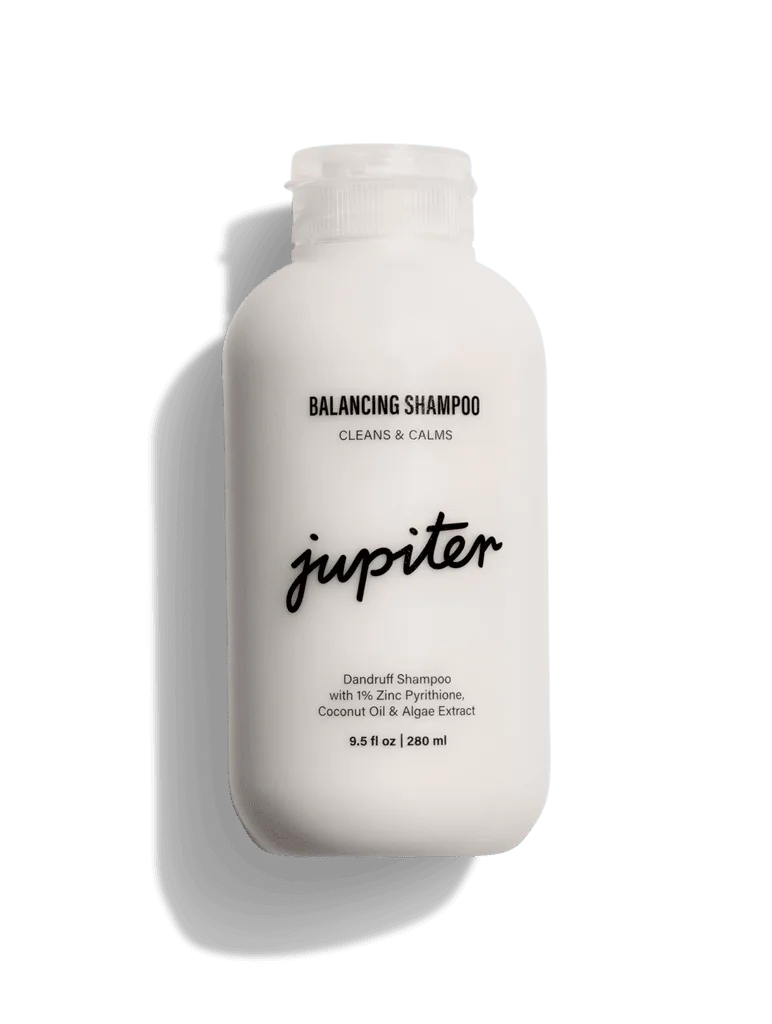
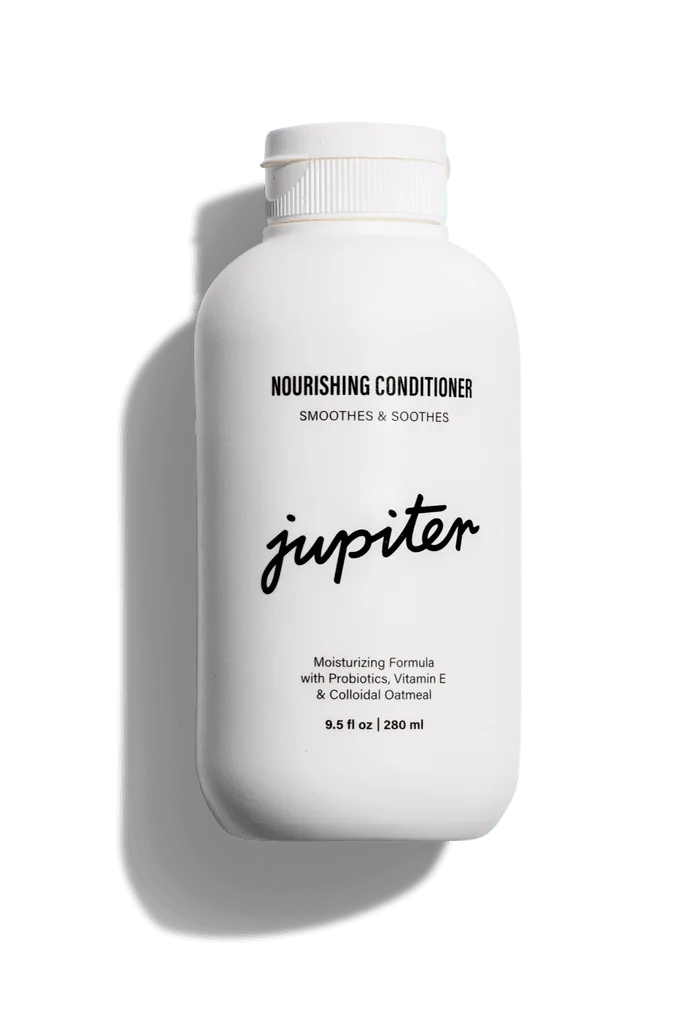
- Jupiter Balancing Shampoo: This soothing cleanser gets to the root of dandruff (flaking, irritation, dry scalp), thanks to our star active ingredient, Zinc Pyrithione. Proven to also reduce hair breakage by 30% - with a lush aroma of mint, vanilla, sage, and lavender - it’s bound to elevate your mood and your shower. Scientifically-formulated to work best with Jupiter Nourishing Conditioner for that one-two punch of control and care. While not a spray, this shampoo contains zinc pyrithione, a mineral that addresses scalp health, complementing the benefits of mineral sprays. Using it can prepare your scalp for styling products.
Which Should You Choose?
Best for
- Those with fine hair seeking lightweight volume and scalp care.
- Individuals who prefer a natural, flexible style without heavy product buildup.
Not for
- Those with thick, coarse hair needing strong hold and definition might find mineral sprays too subtle.
- People with dry or damaged hair should avoid texture sprays that can exacerbate dryness.
Ultimately, the choice between mineral spray and texture spray comes down to your hair type and the style you want to achieve. Mineral sprays are excellent for everyday volume and scalp health, especially for fine hair, while texture sprays provide the grip and matte finish needed for textured styles on thicker hair. Consider your priorities and experiment to find what works best for you.