The formats are not directly interchangeable
At first glance, a mineral sunscreen and a chemical sunscreen spray seem like two versions of the same product. In practice, they differ in how you apply them, how they feel on skin, and what the label can tell you. The Neutrogena lineup includes both a chemical spray and a mineral lotion, so this comparison sticks to what each product record actually states.
One important limitation: the supplied information does not include application instructions for the spray, such as how far to hold the can or how to spray the face. That absence is a gap in the available evidence, not a sign the product lacks a direction. Always read the label on the package you buy.
What each product is designed to do
-
Neutrogena Beach Defense Sunscreen Spray SPF 30, Hawaii Reef Act 104 Compliant, Octinoxate & Oxybenzone Free, Broad Spectrum, Fast Absorbing & Lightweight, Face and Body Sunscreen, 6.5 Oz: Neutrogena Beach Defense Sunscreen Spray SPF 30 is a broad-spectrum, water-resistant spray for face and body, described as fast-absorbing and lightweight. This is the chemical-spray option in the comparison, and its face-and-body labeling makes it relevant to readers who want one product for both areas.
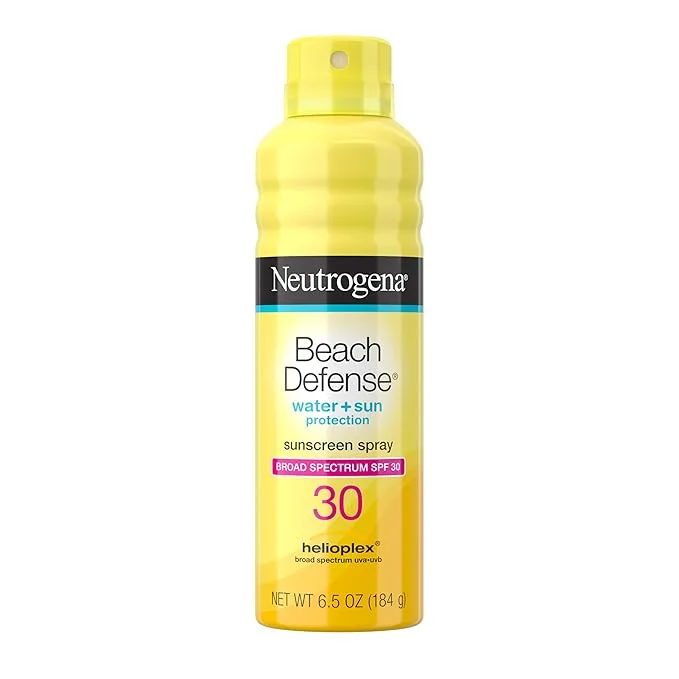
Neutrogena Beach Defense Sunscreen Spray SPF 30, Hawaii Reef Act 104 Compliant, Octinoxate & Oxybenzone Free, Broad Spectrum, Fast Absorbing & Lightweight, Face and Body Sunscreen, 6.5 Oz
-
Neutrogena Ultra Sheer Dry-Touch Mineral Sunscreen For Face & Body, SPF 30 Broad-Spectrum UVA/UVB Protection, Titanium Dioxide & Zinc Oxide Sunscreen, Oxybenzone-Free, 3.0 fl. oz: Neutrogena Ultra Sheer Dry-Touch Mineral Sunscreen SPF 30 is a lotion with titanium dioxide and zinc oxide, described as non-chalky and formulated with vitamin E. This is the mineral option, and its lotion format matters for readers who prefer a cream they can see and spread rather than a spray.
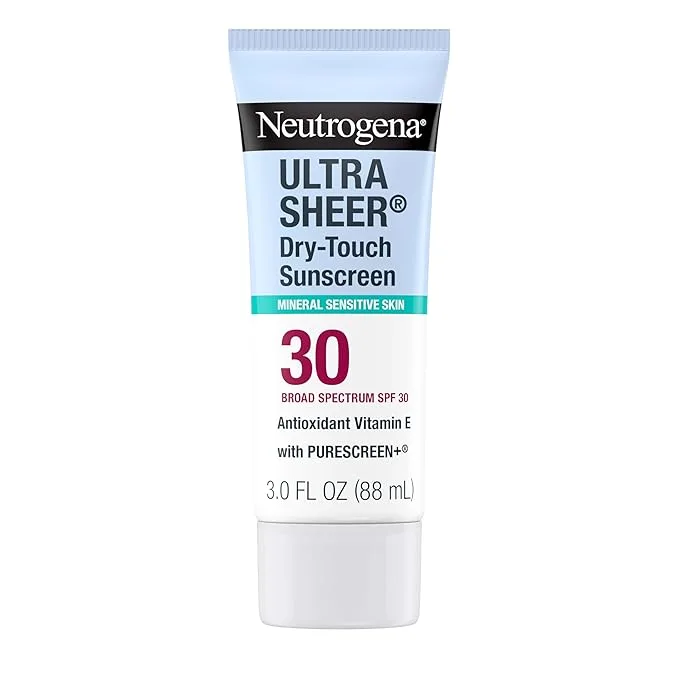
Neutrogena Ultra Sheer Dry-Touch Mineral Sunscreen For Face & Body, SPF 30 Broad-Spectrum UVA/UVB Protection, Titanium Dioxide & Zinc Oxide Sunscreen, Oxybenzone-Free, 3.0 fl. oz
SPF, water resistance, and Hawaii compliance
Both products carry Broad Spectrum SPF 30 and are water-resistant for up to 80 minutes. Both are also described as Hawaii Reef Act 104 compliant and oxybenzone-free. The difference is in the active ingredients: the mineral lotion uses titanium dioxide and zinc oxide, while the spray is a chemical formula. The spray record also states it is octinoxate-free.
- SPF and spectrum: Both are Broad Spectrum SPF 30. The spray record specifically mentions Helioplex Technology for UVA and UVB protection; the mineral lotion record names titanium dioxide and zinc oxide as its active ingredients.
- Water resistance: Both are water-resistant for up to 80 minutes, according to their product records. That is a stated limit, not a suggestion to skip reapplying after swimming or sweating.
- Hawaii compliance: Both are described as Hawaii Reef Act 104 compliant and oxybenzone-free. The spray is also octinoxate-free. The records note that “reef-safe” is not a standardized term, so the Hawaii Act 104 statement is the more specific claim.
Finish and skin feel: what the records support
The mineral lotion is described as non-chalky, dry-touch, shine-free, and fast-absorbing, with a lightweight, clean feel. The spray is described as fast-absorbing, lightweight, and mess-free. Those are marketing descriptions from the product records, not independent test results. If you dislike the feel of mineral lotions, the spray format may be more agreeable; if you prefer a lotion you can control in your hand, the mineral option fits that preference.
Practical trade-offs before you choose
- Application control: A lotion lets you see and spread the amount you use. A spray is quicker, but the supplied record does not include spray-distance or face-application instructions, so follow the package label.
- Face and body use: Both products are labeled for face and body. The spray record calls it a face and body sunscreen; the mineral lotion record also describes it as a body and face sunscreen.
- Sensitive-skin wording: The mineral lotion is described as ideal for sensitive skin. The spray record does not make that claim. Neither record includes patch-test results or a suitability guarantee.
- Kid-friendly claim: The spray record states it is also suitable as a kids sunscreen. The mineral lotion record does not include a kids claim in the supplied information.
Which format fits your routine?
Choose the mineral lotion if you want a titanium dioxide and zinc oxide formula, a dry-touch lotion finish, and a product described as ideal for sensitive skin. Choose the chemical spray if you want a fast, mess-free format for face and body, a formula that is octinoxate-free as well as oxybenzone-free, and a product the record describes as suitable for kids.
Neither choice removes the need to reapply after 80 minutes of water resistance, and neither record supplies a full application schedule. Use the directions on the product you buy.