The listed age is the clearest dividing line
The ezpz Mini Bowl and Tiny Bowl look similar, but the catalog gives them different jobs. The Mini Bowl is designed for toddlers 12m+, while the Tiny Bowl is described for first foods and baby-led weaning without a stated age in the supplied information. That difference matters more than color or price when you are choosing a first bowl.
If your child is already a toddler, the Mini Bowl is the one with a listed age that matches. If you are starting solids and want a bowl that fits small highchair trays, the Tiny Bowl is the intended starting point. Neither bowl is described for newborns, and the supplied information does not include feeding amounts or developmental claims.
What each bowl is designed to do
-
Mini Bowl: The Mini Bowl is designed for toddlers 12m+. This is the only supplied age guidance for the two bowls, so it is the clearest way to match a bowl to your child's stage.
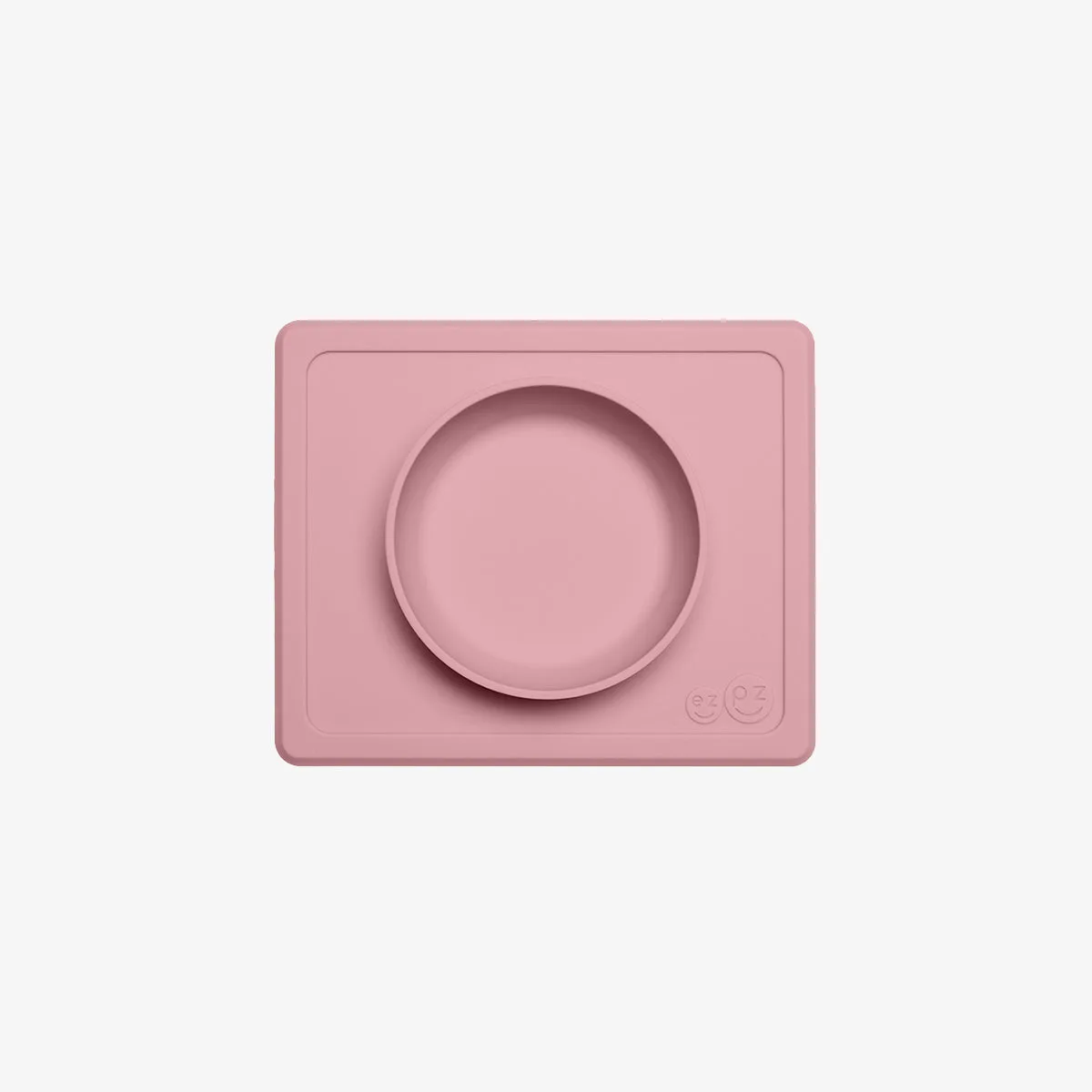
Mini Bowl
-
Mini Bowl: The suction feature helps little ones to eat independently and means less mess for parents. Suction is the shared feature that makes both bowls useful for self-feeding; the Mini Bowl's version is aimed at the toddler stage.
-
Tiny Bowl: The Tiny Bowl is designed to fit on the tiniest of highchair trays, including the Stokke Tripp Trapp. Tray fit is a practical reason to choose the Tiny Bowl first if your highchair has a small tray.
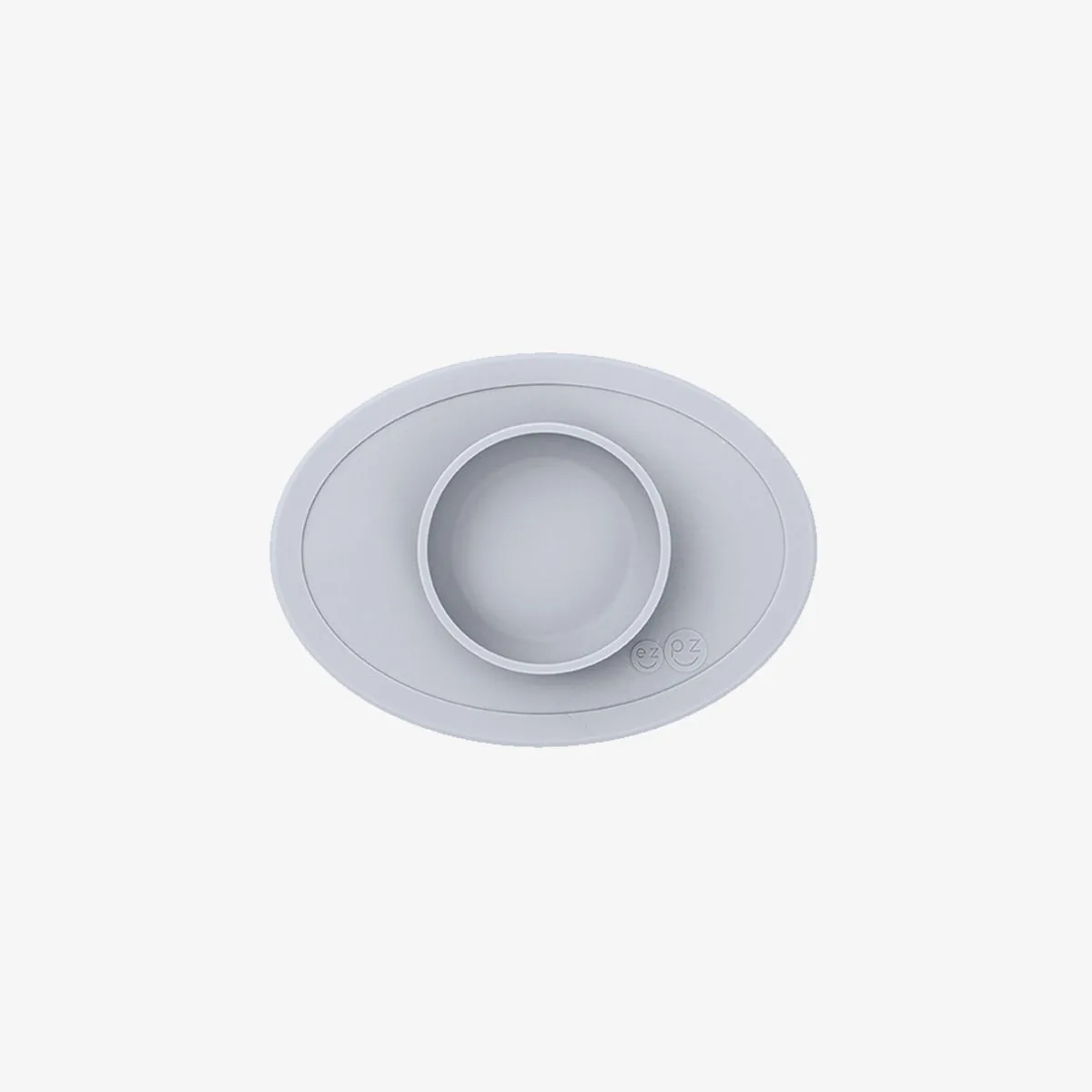
Tiny Bowl
-
Tiny Bowl: The bowl is perfect for first foods, such as purées, yogurt, and baby cereal, and also supports the baby-led weaning method of feeding. This describes the Tiny Bowl's intended use at the start of solids, before the toddler stage the Mini Bowl is listed for.
Mini Bowl vs Tiny Bowl at a glance
The comparison below uses only the supplied catalog facts. Where a detail is not listed, treat it as something to confirm before buying rather than assuming it.
- Listed age: Mini Bowl: designed for toddlers 12m+. Tiny Bowl: no age is stated in the supplied information; it is described for first foods and baby-led weaning.
- Intended use: Mini Bowl: toddler self-feeding with suction to reduce mess. Tiny Bowl: first foods such as purées, yogurt, and baby cereal, plus baby-led weaning.
- Tray fit: Tiny Bowl: designed to fit the tiniest highchair trays, including the Stokke Tripp Trapp. Mini Bowl: tray fit is not specified in the supplied information.
- Suction: Both bowls are described with suction. The Mini Bowl's suction is linked to independent eating and less mess; the Tiny Bowl's suction details are not separately described.
- Colors: Both are offered in Blush, Sage, Pewter, Indigo, Coral, and Blue.
- Catalog price: Mini Bowl: USD 14.99 (comparison price USD 19.99). Tiny Bowl: USD 11.38 (comparison price USD 16.99). Prices are catalog values and may change.
Why the Tiny Bowl is the better first bowl for many babies
The Tiny Bowl's design brief is narrow and useful: it fits small highchair trays, including the Stokke Tripp Trapp, and it is meant for the soft, scoopable foods that dominate early meals. If your baby is just beginning solids, a bowl that sits securely on a small tray and holds purées, yogurt, or cereal is doing exactly what the catalog says it should.
The Tiny Bowl also supports baby-led weaning, according to the supplied information. That does not mean it is the only bowl for BLW, but it does mean you do not need to buy a separate bowl to move from spoon-fed purées to self-fed pieces. The catalog does not state a starting age for the Tiny Bowl, so use your own feeding plan and your child's readiness rather than treating the bowl as an age marker.
When the Mini Bowl is the right step up
The Mini Bowl is listed for toddlers 12m+, and its suction feature is framed around independent eating with less mess for parents. If your child has moved past first foods and is feeding themselves with more confidence, the Mini Bowl's stated age range is the direct match.
The trade-off is that the supplied information does not describe the Mini Bowl's tray fit or its exact capacity, so if you have a very small highchair tray, check the dimensions before ordering. The Tiny Bowl's tray fit is the one explicitly documented here, including the Stokke Tripp Trapp.
What the supplied information does not settle
A fair comparison should be clear about gaps. These points are not confirmed by the supplied catalog records, so they are worth checking with the retailer or manufacturer before you buy.
- Exact dimensions and capacity: Neither bowl's measurements or volume are given in the supplied information, so you cannot compare them by size from these records alone.
- Tiny Bowl starting age: The Tiny Bowl is described for first foods and baby-led weaning, but no minimum age is stated in the supplied information.
- Care and safety instructions: No washing, heating, or safety instructions are included in the supplied records for either bowl. Follow the packaging or manufacturer guidance that comes with your bowl.
- Mini Bowl tray compatibility: The Mini Bowl's fit on specific highchair trays, including the Stokke Tripp Trapp, is not stated in the supplied information.
A simple way to choose
Choose the Tiny Bowl if you are starting solids, want a bowl that fits a small highchair tray such as the Stokke Tripp Trapp, and plan to serve purées, yogurt, cereal, or baby-led weaning foods. Choose the Mini Bowl if your child is a toddler 12m+ and you want a suction bowl listed for that stage.
If you are unsure, the age guidance is the safest tiebreaker: the Mini Bowl is the only one of the two with a stated age range. Both bowls come in the same six colors, so the decision comes down to stage and tray fit rather than appearance.