Why Mini Maze Games Build Fine Motor Skills
Mini maze games are small handheld puzzles that ask children to guide tiny beads through winding paths. This simple action works the small muscles in the fingers and hands, building the finger strength and control needed for writing, buttoning, and other daily tasks. Because the mazes are compact and self-contained, they offer a quiet, screen-free way to practice hand-eye coordination and patience during transitions or independent play.
What the Mini Maze Games Offer
-
Mini Maze Games for Kids – Fine Motor Skill Camp & Classroom Prizes: Each handheld maze challenges children to guide small beads through winding paths, building hand-eye coordination, finger strength, patience, and problem-solving skills. This direct fine motor workout helps prepare young hands for more precise tasks like drawing and using scissors.
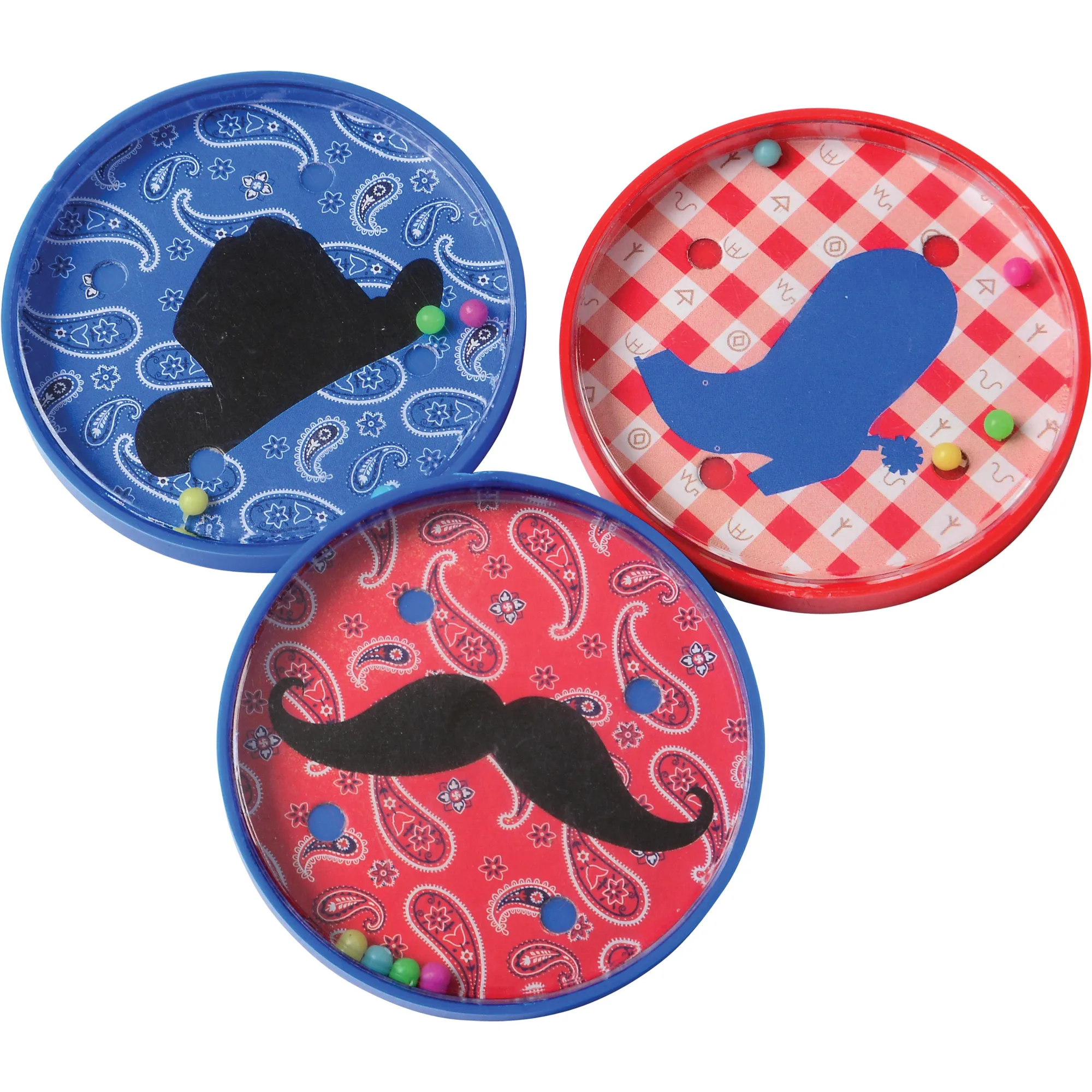
Mini Maze Games for Kids – Fine Motor Skill Camp & Classroom Prizes
-
Mini Maze Games for Kids – Fine Motor Skill Camp & Classroom Prizes: Compact size for easy travel and on-the-go play The small size means children can practice fine motor skills anywhere — in the car, at a restaurant, or during a classroom break.
-
Mini Maze Games for Kids – Fine Motor Skill Camp & Classroom Prizes: Perfect for preschool classrooms, summer camps, after-school programs, and reward bins Teachers and camp leaders can use these as affordable prizes or quiet-time tools that keep hands busy and minds focused without screens.
Using Mini Maze Games for Fine Motor Practice
These steps help you turn a simple maze game into a targeted fine motor activity for one child or a group.
- Introduce the maze one-on-one: Show the child how to hold the maze steady with one hand while using the other hand's thumb and index finger to push beads along the track. This bilateral coordination is a key fine motor skill.
- Encourage slow, guided movements: Ask the child to move one bead at a time from start to finish. Slower movements build finger control and patience more effectively than rushing.
- Add a simple challenge: Once the child can complete the maze, suggest trying it with eyes closed or using only the non-dominant hand — this increases the difficulty and further develops coordination.
- Use as a transition or reward activity: Place several mazes in a reward bin or use them during classroom transitions. The quiet, focused play helps children reset between tasks while still practicing fine motor skills.
Tips for Classroom and Camp Use
Because these mini maze games are small and affordable, they work well as prizes in classroom treasure chests or camp reward bins. Teachers and camp counselors can hand them out after a task is completed or use them as a calm-down tool during free play. The fun character designs add an extra layer of excitement that keeps children coming back to practice. For group activities, set a timer and see who can complete the maze fastest — this adds a playful competition while still building hand-eye coordination and focus.
What to Keep in Mind
The supplied information confirms that these mazes support fine motor development and portable play, but it does not include specific age recommendations or safety warnings. For very young children, adult supervision is advised to ensure small beads are not a choking hazard. The mazes are designed for individual quiet play, so they may not hold the attention of a large group for long periods without rotation or challenges. If you need a more structured fine motor program, consider pairing the mazes with other hands-on tools like lacing cards or building blocks.