Quick answer
For most armies, start with a wargaming backpack that has customizable foam trays and at least one hard-sided compartment for vehicles or awkward models. Add miniature pouches only for overflow or units you carry separately. If you regularly transport large monsters or lots of metal models, a rigid miniature case with pluck foam is worth the extra bulk.
Miniature storage is not just about carrying models. It is about controlling movement, dust, and the small impacts that break ankles, bend barrels, and snap resin. The right setup depends on what you play, how far you travel, and how much you enjoy repacking after every game.
This guide gives you concrete decision rules for choosing between a wargaming backpack, miniature pouches, and hard cases. You will also find fit guidance for common model sizes, including 28mm heroic and 30mm troops, so you can buy once and protect your collection.
Match the bag to your army's shape
Infantry-heavy armies do well with a backpack that uses vertical foam slots or channel foam. Tall models with banners, swords, or backpacks need deeper trays, often 3 to 4 inches of foam. Vehicles and monsters usually need a hard-sided compartment or a case with pluck foam so you can carve a custom cavity. Measure your tallest model from base to tip before you buy.
If you run a mix of infantry and larger pieces, look for a backpack with at least two foam tray sizes. A tray that is too shallow will press weapons into the foam and bend them over time. A tray that is too deep lets models slide, which is just as damaging. The goal is gentle contact without pressure.
- Measure your tallest model from base to tip and add 1/2 inch for safety.
- Choose foam depth that holds models snugly without compressing weapons.
- Keep heavy metal models in a rigid case; resin tolerates a padded backpack better.
Backpack vs. pouch vs. case: pick by trip type
A wargaming backpack is the best all-rounder for weekly games. It carries trays, dice, books, and a water bottle, and it leaves your hands free. Miniature pouches are best for small, single-unit carry, such as a kill team or a character you want to keep separate. They are light and cheap, but they offer less crush protection than a structured backpack.
Hard miniature cases win for long car trips, checked luggage, or armies with lots of metal. They are heavier and bulkier, but the rigid shell resists the kind of pressure that a soft bag cannot. If you fly to events, a hard case with foam is the safer choice, even if it costs more.
- Weekly local play: wargaming backpack with two or three foam trays.
- Small skirmish or display: miniature pouches for one or two units.
- Air travel or metal-heavy armies: rigid miniature case with pluck foam.
Fit guidance for 28mm heroic and 30mm models
Most 28mm heroic and 30mm infantry fit in 25mm to 32mm round slots, but the base is not the whole story. A model with a wide stance or a cape may need a 40mm slot. If you use conversion parts, such as resin torsos or backpacks, the added bulk can push a model into the next slot size. Always test-fit one model before committing a full tray.
For squads, choose trays with uniform slot sizes so you can swap units without re-cutting foam. For characters, use a tray with a few larger cavities. If you store models unassembled or partially painted, keep small parts like gun sights in a pouch or a compartmented box so they do not scratch finished figures.
- Test-fit one converted model before buying a full tray.
- Use uniform slots for squads and mixed cavities for characters.
- Store loose bits in a small pouch or compartmented box.
Materials and maintenance that extend protection
Foam is the standard for a reason: it is light, cheap, and easy to cut. Closed-cell foam resists moisture better than open-cell foam, which matters if you live in a humid area. Some players prefer magnetic sheets and metal-lined trays, but that requires gluing magnets to every base. That is a bigger upfront project and it adds height under the model.
No storage system replaces careful handling. Keep bags out of hot cars, because heat can soften resin and warp thin parts. Clean foam with a vacuum brush rather than washing it, and replace foam when it starts to crumble. A $5 foam tray is cheaper than a repaint.
- Closed-cell foam handles humidity better than open-cell foam.
- Magnetic trays are great if you are willing to magnetize every base.
- Replace crumbling foam before it leaves dust on your models.
Decision rules for buying miniature storage
- Rule 1: Count your tallest model first: Measure from base to tip and add 1/2 inch. If your tallest model is over 3 inches, prioritize a case or backpack with deep pluck foam over standard trays. No measurement, no purchase.
- Rule 2: Choose rigid for metal, padded for resin: Metal models are heavy and chip easily, so a hard case reduces impact. Resin is lighter but brittle, so a padded backpack with snug foam works well. Match shell stiffness to model material.
- Rule 3: Buy one tray size for squads, mixed for characters: Uniform slots let you swap whole units without re-cutting foam. Mixed cavities protect odd shapes like banners and axes. Standardize your infantry, customize your heroes.
- Rule 4: Keep small parts separate: Bits like gun sights and heads should live in a pouch or compartmented box, not loose in a foam tray where they can scratch paint. One small pouch saves hours of searching.
Products that fit common storage setups
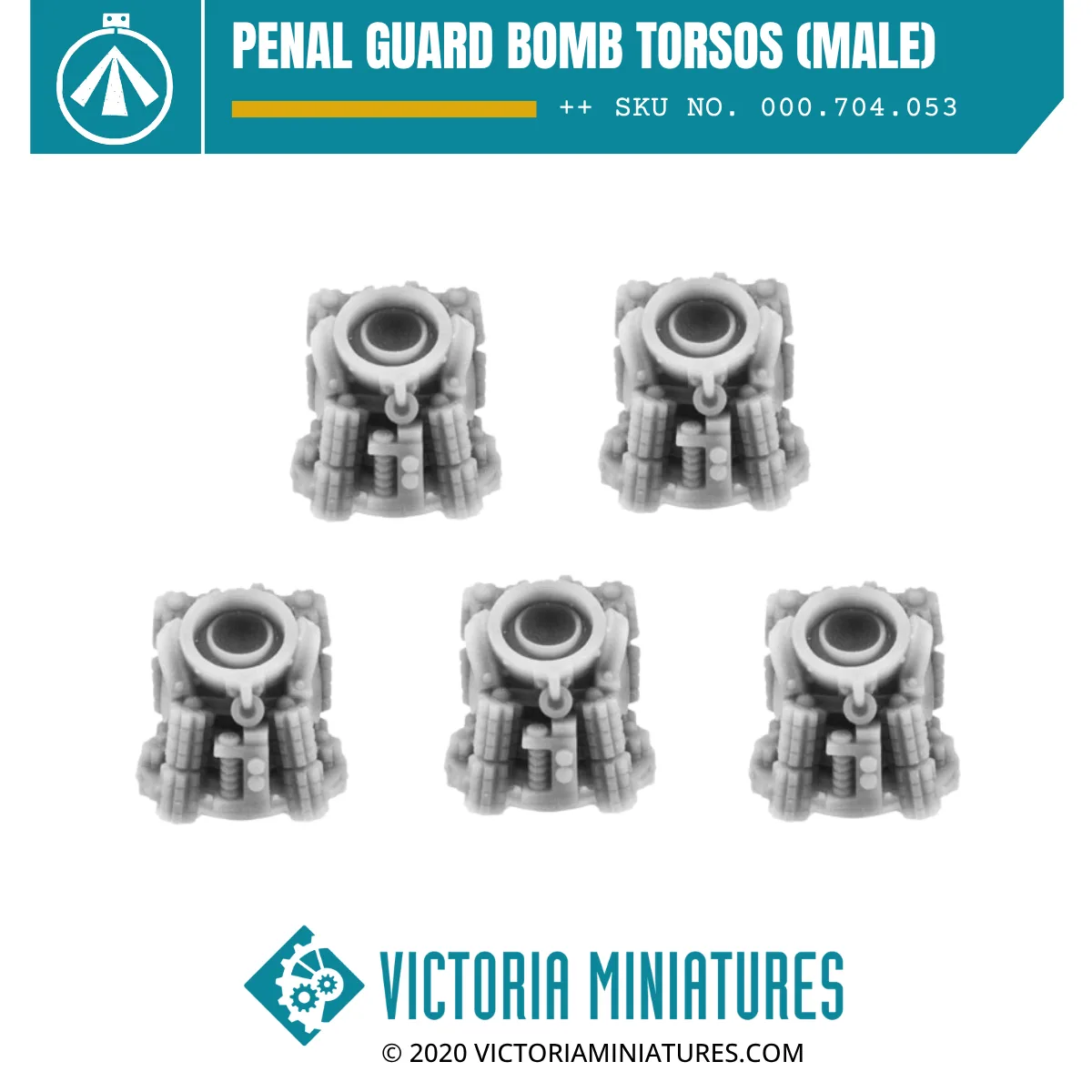
- Penal Guard Bomb Torsos (male): 5 resin penal guard torsos with collars and explosive vests. Suitable for 28mm heroic and 30mm troops. Compatible with the Victoria Miniatures range and popular plastic guard. These torsos add bulk to the chest and back, so test-fit them in your foam slots. A standard 25mm slot may be tight; a 32mm slot usually gives enough clearance.
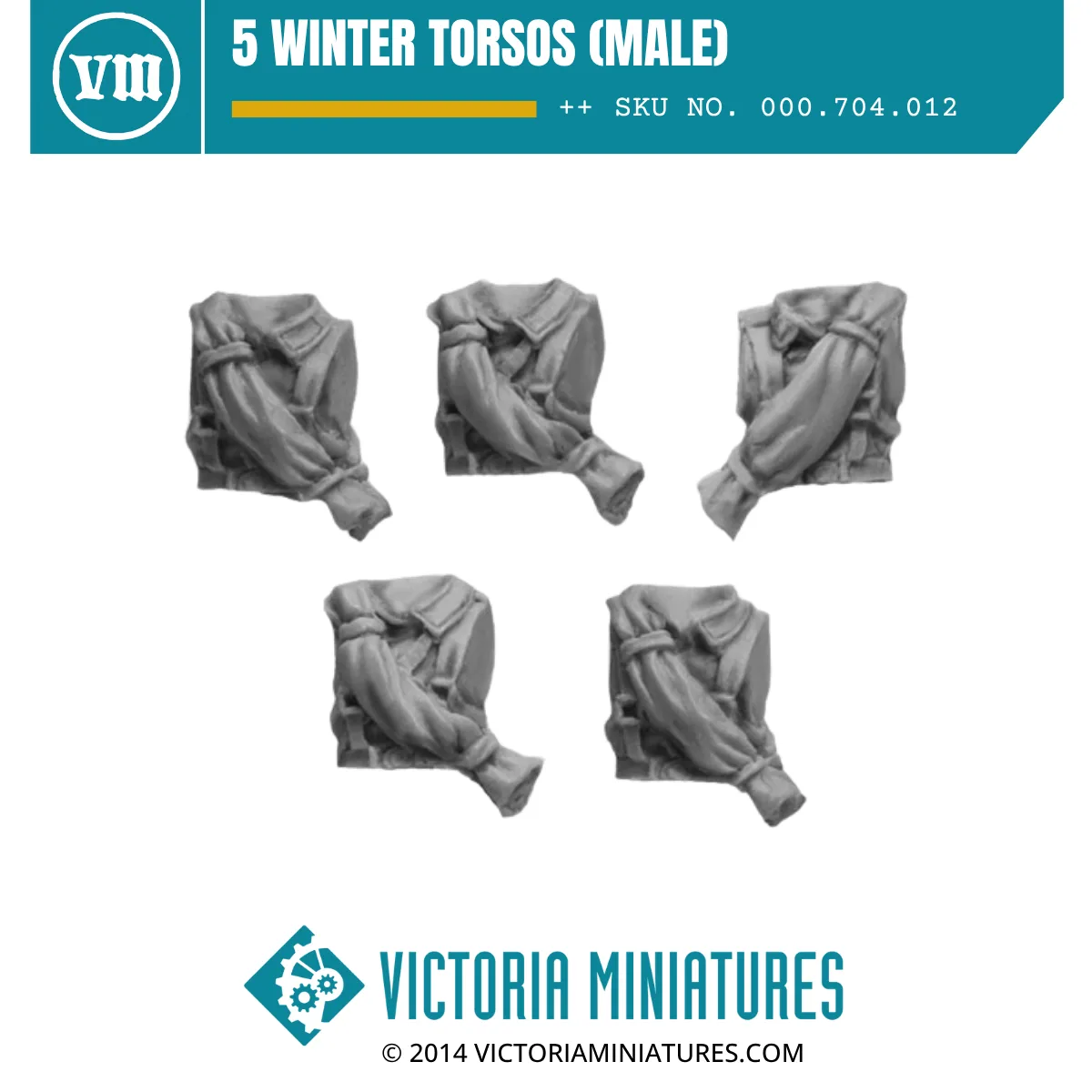
- 5 Winter Torsos (male): 5 Resin Winter Torsos (male). Conversion parts for creating your own custom Guard Squads. Compatible with Victoria Miniatures Guard and popular plastic kits. If you build a winter-themed squad, store the whole unit in one tray with uniform slots. That keeps converted parts together and reduces the chance of losing small pieces.
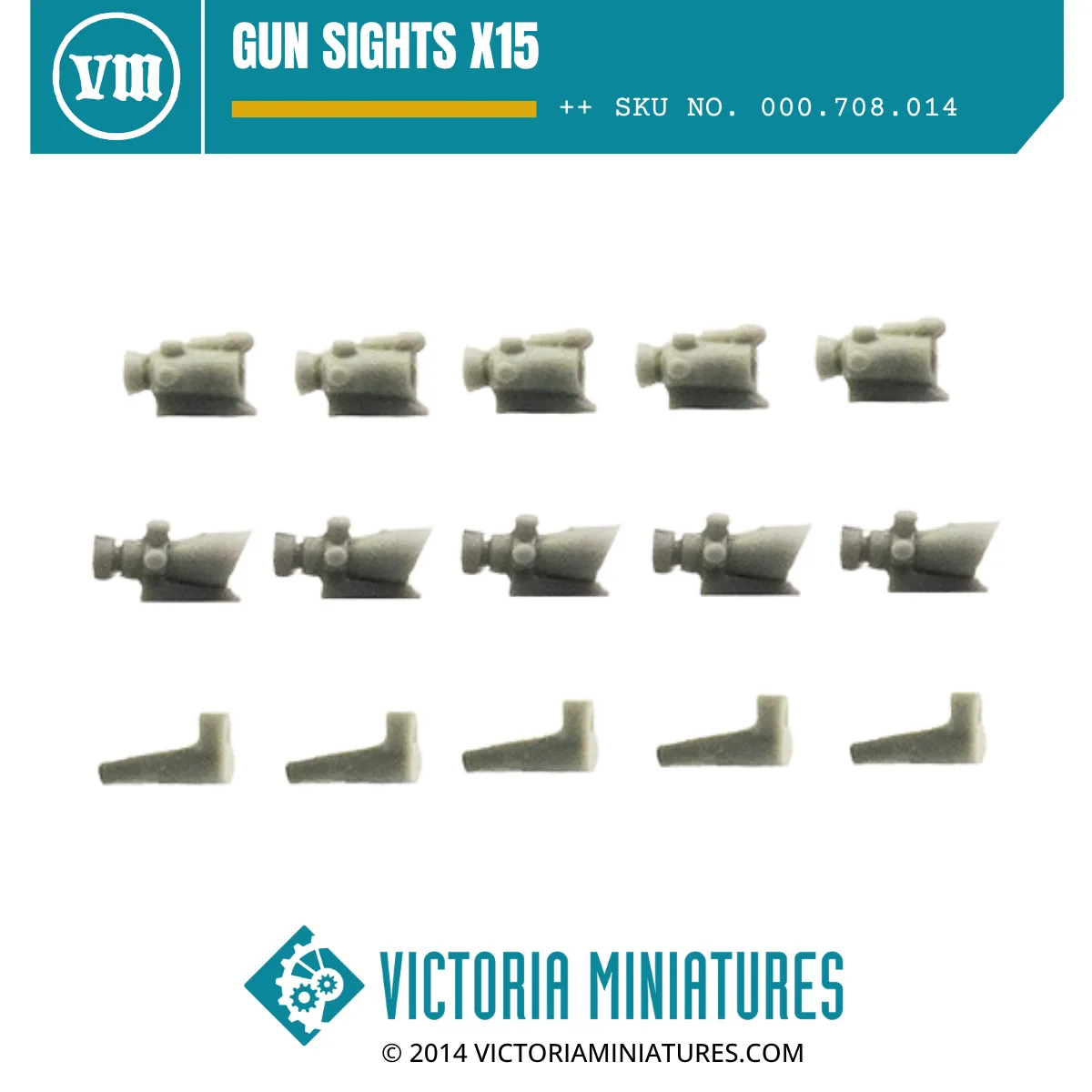
- Gun Sights x15: 15x Gun Sights to suit 28mm heroic scale weapons. Tiny parts like these are easy to lose. Keep them in a miniature pouch or a compartmented box until you are ready to glue them on.
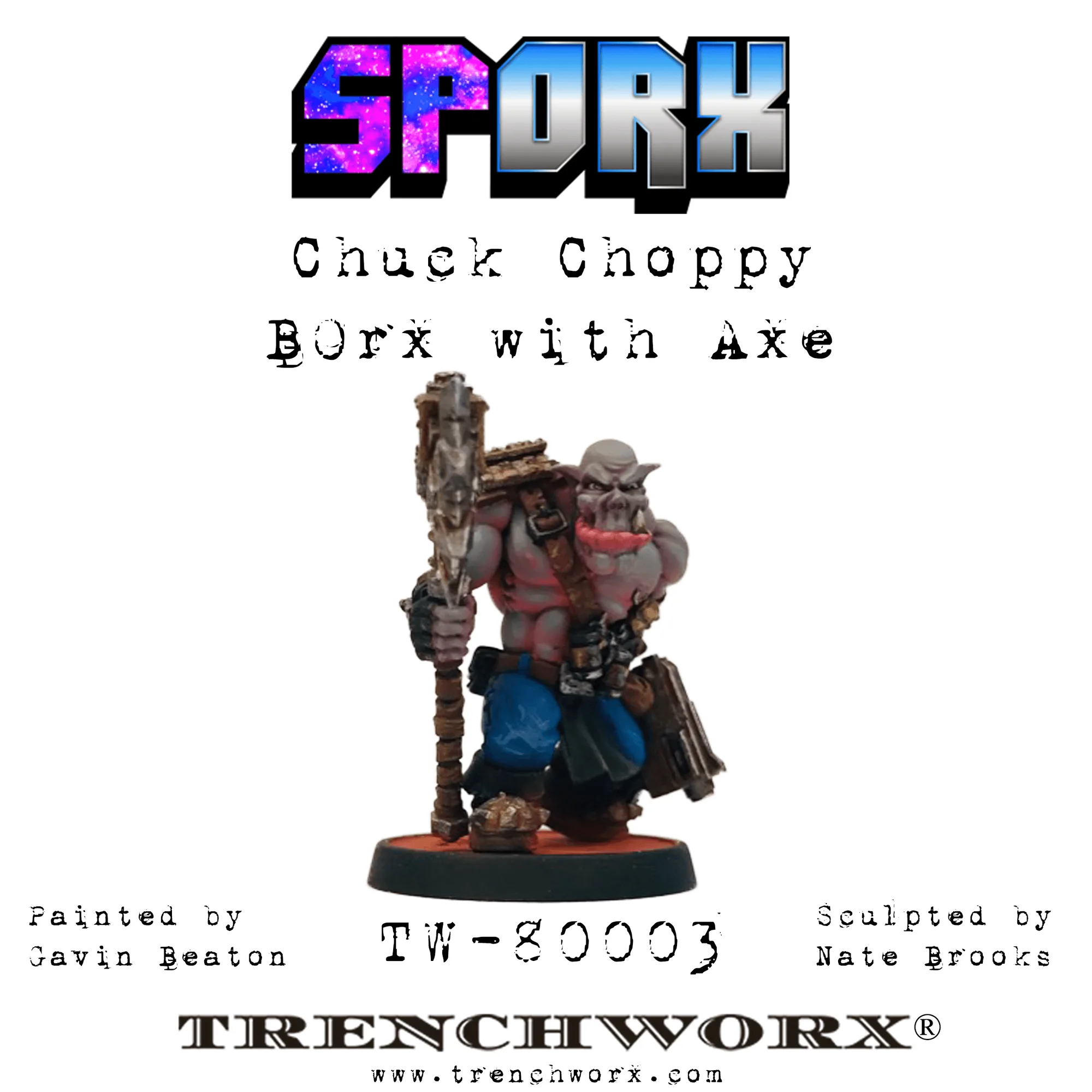
- Chuck Choppy Orc with Axe: Chuck Choppy is a 2 piece, 28mm resin cast model kit. He comes with a 3D printed Axe. It is supplied unassembled and unpainted. A 32mm base is included. The axe makes this model taller and wider than a standard infantry figure. Use a deeper tray or a custom cavity so the axe does not press against foam.
Who this storage advice is for
Best for
- Players who carry 28mm heroic or 30mm infantry to weekly games.
- Hobbyists with converted resin squads who need snug, customizable foam.
- Anyone who wants a single backpack that handles trays, books, and dice.
Not for
- Collectors who display models in a cabinet and rarely transport them.
- Players who only need to move one small unit and prefer a simple pouch.
- Anyone looking for a display case rather than a transport solution.
Pick storage that matches your tallest model and your usual trip. A wargaming backpack with two foam depths covers most armies, while a hard case is worth it for metal or air travel. Keep small parts in a pouch, test-fit converted models, and replace foam before it fails.