Quick answer
Mint and ginger tea is a soothing herbal tea for stomach discomfort, not a treatment for chronic digestive disease. It can help with occasional bloating, queasiness, and feeling too full, especially when the blend includes catnip, fennel, or licorice root. If you have persistent pain, reflux, or unexplained weight loss, see a doctor instead of self-treating with tea.
What mint and ginger tea actually does
Peppermint and ginger are the two workhorses in this blend. Peppermint is traditionally used to calm the stomach and freshen the breath, while ginger is a warming root that many people reach for when they feel queasy or chilled. When you add catnip, lavender, fennel, or licorice root, you are layering in more soothing, aromatic support rather than adding stimulants. That is why a cup after a heavy meal can feel like a reset button—it is comfort, not chemistry.
Myth: ginger tea for digestion works like a drug
Verdict: false. Ginger tea for digestion is a gentle, food-like tradition, not a pharmaceutical. It does not block acid, coat the stomach, or force digestion to speed up. If you are looking for a predictable, dose-controlled effect, a cup of tea is the wrong tool. What it can do is help you slow down, hydrate, and feel warmer, which often makes occasional discomfort easier to ride out.
Myth: any peppermint ginger blend is the same
Verdict: false. The supporting herbs change the job. A blend with senna, orange peel, and rose hips is aimed at regularity and movement, while a blend with elderberry, echinacea, and lemon thyme is aimed at cold-season comfort. If you want a simple after-dinner soother, look for peppermint, ginger, and gentle aromatics. If you want a gut-motility blend, look for senna and fennel. Match the blend to the moment instead of assuming all mint-ginger teas are interchangeable.
Myth: you need a strong, bitter cup to get results
Verdict: false. Bitterness is not a sign of potency. Oversteeping peppermint can turn a cup harsh and astringent, which is unpleasant and may make you less likely to drink it consistently. A moderate steep—typically a few minutes in hot, not boiling, water—keeps the mint sweet and the ginger warm. If the tea tastes sharp, you are probably steeping too long, not unlocking hidden power.
Myth: mint and ginger tea replaces medical care
Verdict: false, and this is the important one. Tea can be part of a comfortable routine, but it cannot diagnose or treat persistent bloating, reflux, pain, or changes in bowel habits. If symptoms last more than a couple of weeks, wake you at night, or come with fever or weight loss, book a medical visit. Use tea as a comfort measure alongside care, not instead of it.
How to choose and use a mint-ginger blend
Start with the ingredient list, not the front label. For everyday soothing, a blend built on organic peppermint, lavender, Jamaican ginger, and catnip is a sensible after-meal choice. For occasional constipation or feeling stopped up, a blend with senna, fennel, orange peel, and licorice root is more targeted—but senna is a stimulant laxative herb, so keep it occasional rather than a daily habit. For sniffles and chills, a cold-and-allergy sampler with elderberry, echinacea, and lemon thyme is a different tool entirely.
Brew one sachet or one teaspoon of loose leaf in hot water for a few minutes, then taste. If you want a second cup, resteep the same leaves—many blends give a softer second infusion. Drink it plain or with a little honey; milk can mute the mint. Keep a sampler on hand if you are not sure which blend suits you, so you can rotate instead of committing to a large bag.
Verdicts on common mint and ginger tea claims
- Ginger tea for digestion works like a drug: It is a gentle, food-like tradition, not a pharmaceutical. It will not block acid or force digestion to speed up. Verdict: false—expect comfort, not a clinical effect.
- Any peppermint ginger blend is the same: Supporting herbs change the job. Senna and fennel target movement; elderberry and echinacea target cold-season comfort; lavender and catnip target calm. Verdict: false—read the ingredient list before you buy.
- You need a strong, bitter cup to get results: Bitterness is not potency. Oversteeping makes peppermint harsh and may discourage you from drinking it regularly. Verdict: false—steep a few minutes in hot, not boiling, water.
- Mint and ginger tea replaces medical care: Persistent bloating, reflux, pain, or bowel changes need a doctor. Tea is a comfort measure, not a diagnosis. Verdict: false—use tea alongside care, not instead of it.
Products in this article
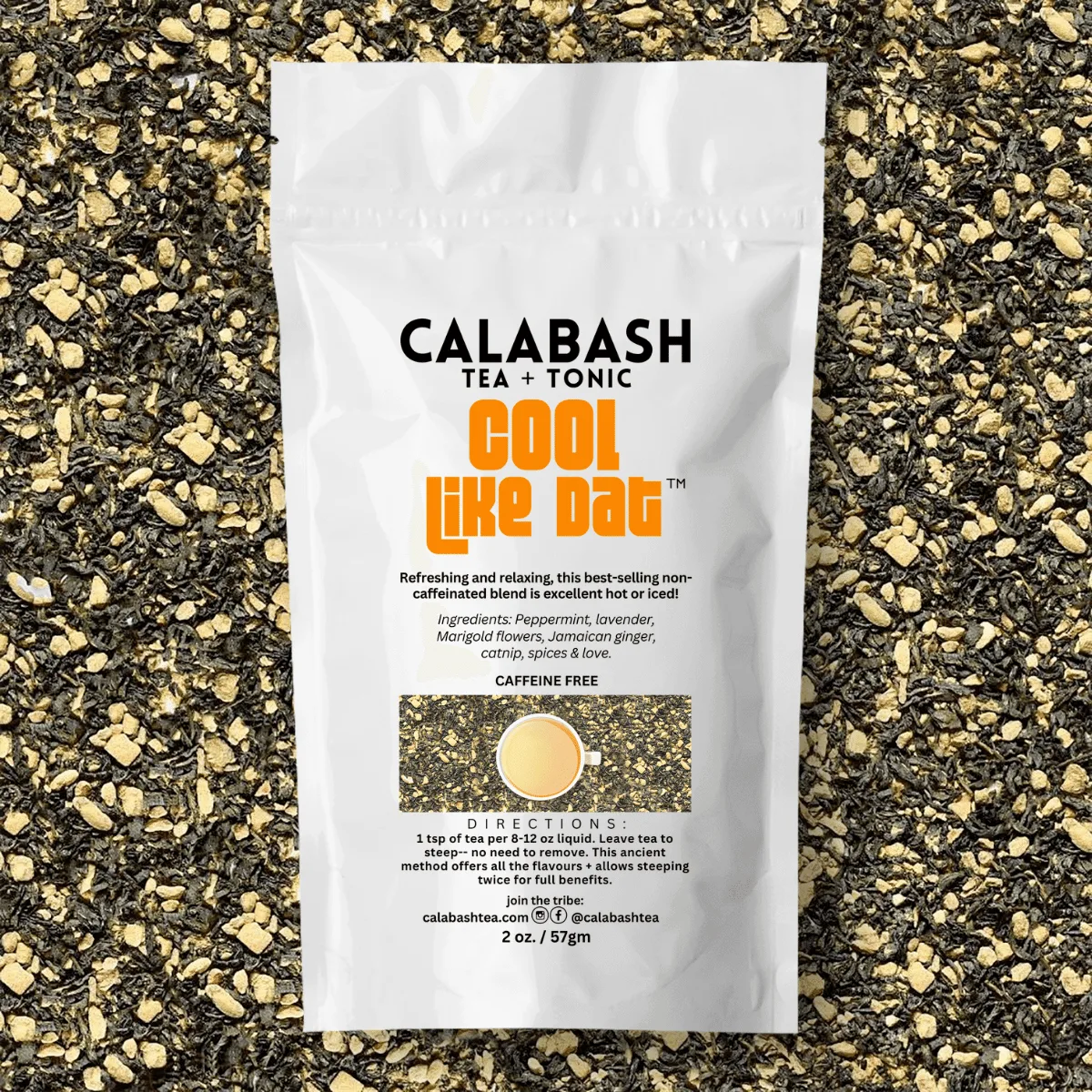
- COOL LIKE DAT: soothing mint + ginger: COOL LIKE DAT: soothing mint + ginger is made with organic peppermint, lavender, Jamaican ginger, and catnip. This is the straightforward after-meal soother: mint and ginger for comfort, with lavender and catnip adding a calm, aromatic finish rather than a laxative effect.
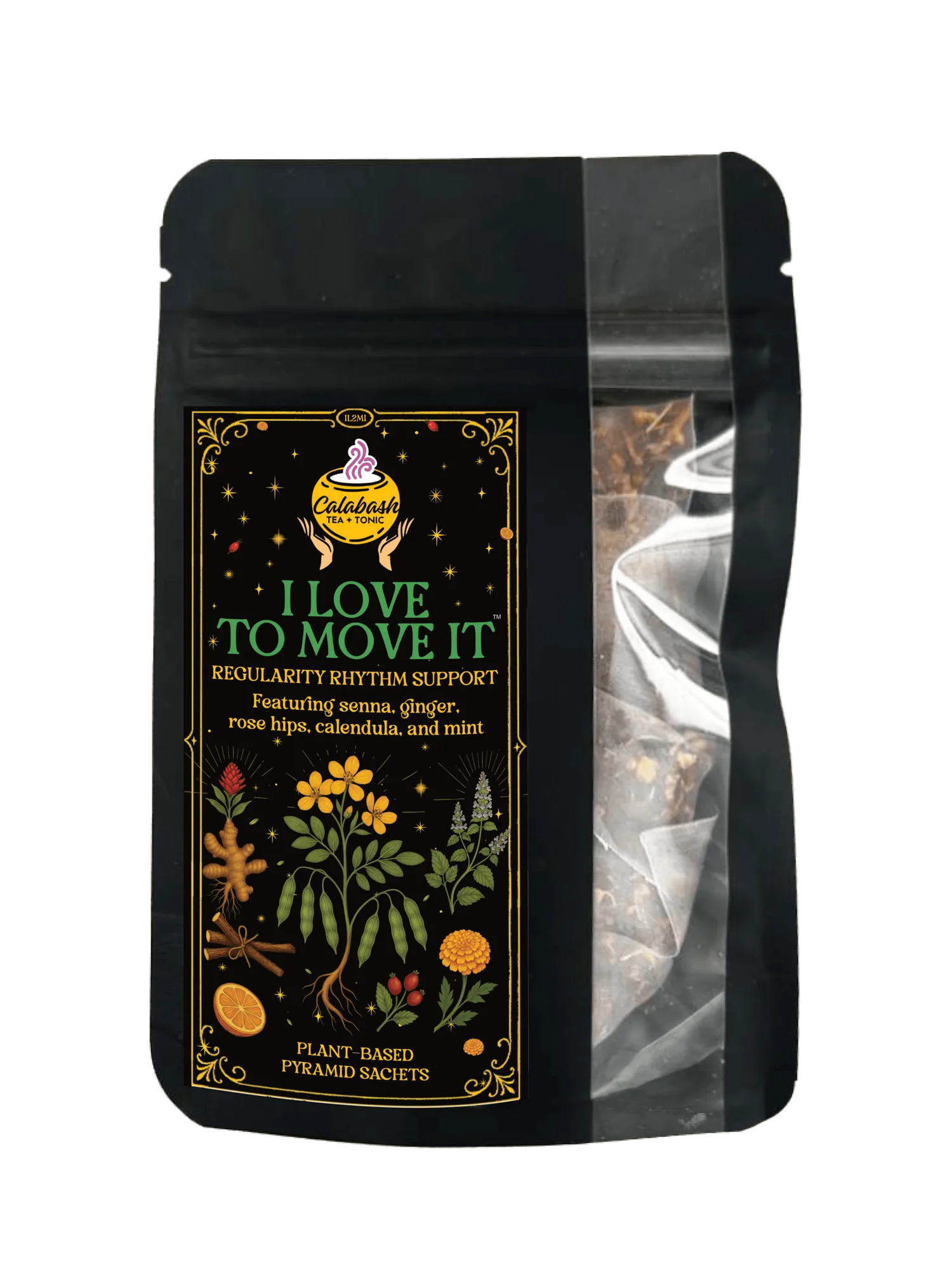
- I LOVE TO MOVE IT: GUT HARMONY BLEND SAMPLER: I LOVE TO MOVE IT: GUT HARMONY BLEND SAMPLER combines Egyptian peppermint, wild-crafted senna, orange peel, rose hips, Jamaican ginger, fennel, catnip, marigold, and licorice root. Choose this when the goal is movement and less bloating; the senna and fennel make it a more targeted gut blend than a simple mint-ginger cup.
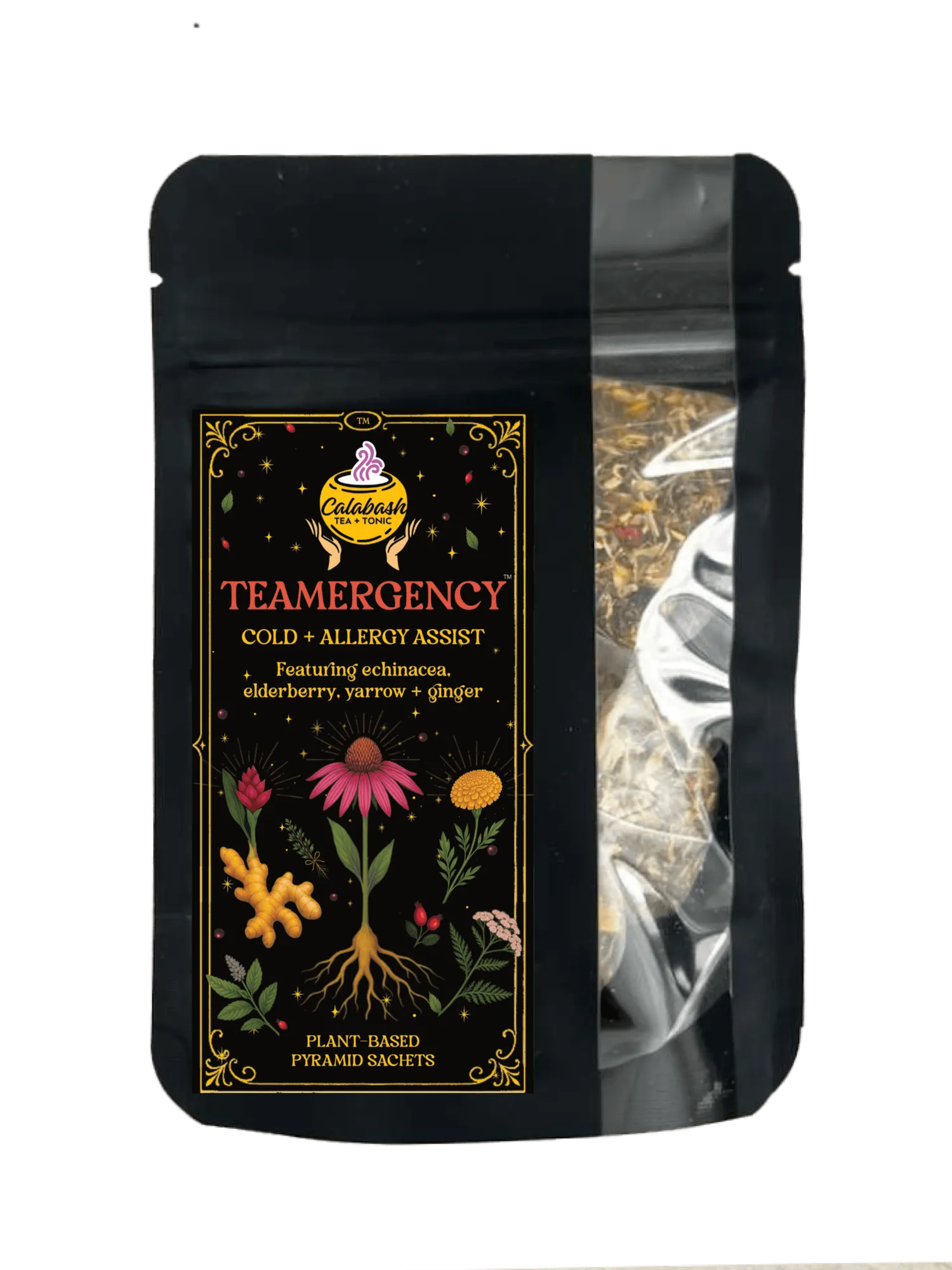
- TEAMERGENCY SAMPLER: COLD + ALLERGY: TEAMERGENCY SAMPLER: COLD + ALLERGY contains organic Egyptian mint, elderberries, echinacea, rose hips, ginger, fennel, anise, lemon thyme, yarrow, calendula, and spices, in four pyramid sachets. Reach for this when you feel worn down or sniffly; the mint and ginger are there for soothing, while elderberry and echinacea shift the blend toward cold-season support.