Gone are the days when every plate, bowl, and cup on your table had to come from the same matching set. Today's most memorable tablescapes embrace individuality and creativity, mixing patterns, colors, and textures to tell a story. Whether you're hosting a casual brunch or an elegant dinner party, learning how to mix and match dinnerware sets allows you to express your personal style while making every meal feel special.
The key to a successful eclectic table setting lies in balance and intention. You don't need a complete overhaul of your collection—just a few thoughtful pieces that complement each other. In this guide, we'll walk you through practical strategies for combining dinnerware, from choosing a unifying element to layering textures and incorporating accent pieces. By the end, you'll be ready to create a tablescape that feels both curated and effortless.
Start with a Unifying Element
When mixing patterns and colors, the most important rule is to have at least one common thread that ties everything together. This could be a shared color palette, a similar material, or a recurring motif. For example, if you choose a neutral base like white or cream plates, you can layer in bolder patterned bowls or salad plates without the table feeling chaotic. A unifying element creates visual harmony and prevents the arrangement from looking haphazard.
Another approach is to use a consistent shape or silhouette across different patterns. Round plates with a subtle rim, for instance, can be paired with square or organic-shaped bowls as long as the color story remains cohesive. Think of your dinnerware as a collection of friends at a party—each has its own personality, but they all get along because they share a common vibe.
- Choose a neutral base (white, cream, or soft gray) to anchor bold accent pieces.
- Pick a color palette of 2-3 hues and repeat them across plates, bowls, and serveware.
- Use a consistent material like stoneware or porcelain to maintain a cohesive feel.
Play with Texture and Finish
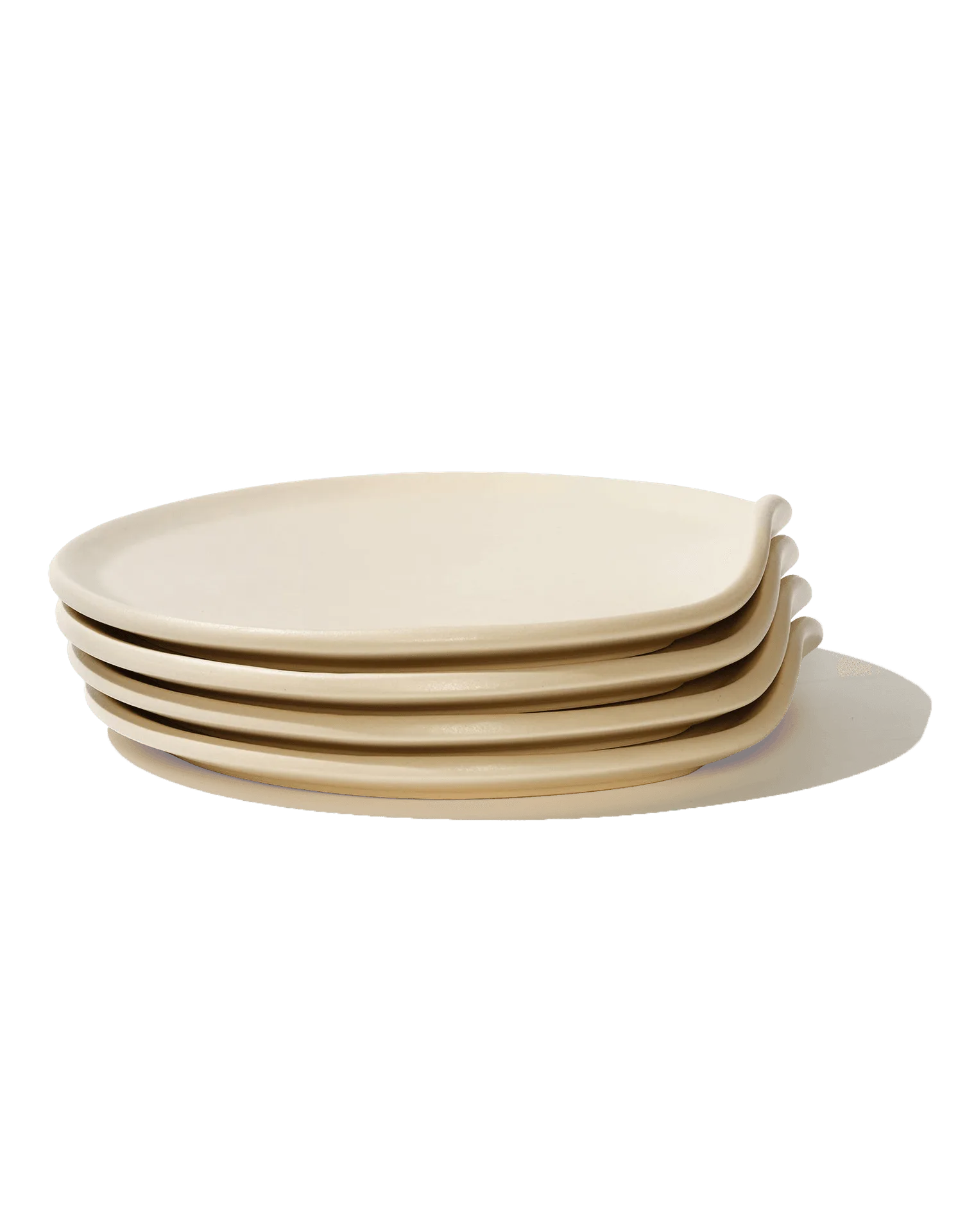
Texture is an underrated tool in tablescape design. Mixing smooth, glossy plates with matte, handcrafted bowls adds depth and tactile interest. For instance, you might pair a sleek, minimalist dinner plate with a textured, artisan-style salad plate. The contrast draws the eye and makes each piece stand out without clashing. The Goun Plate, with its subtle organic shape and matte finish, works beautifully alongside more refined pieces, bridging the gap between rustic and modern.
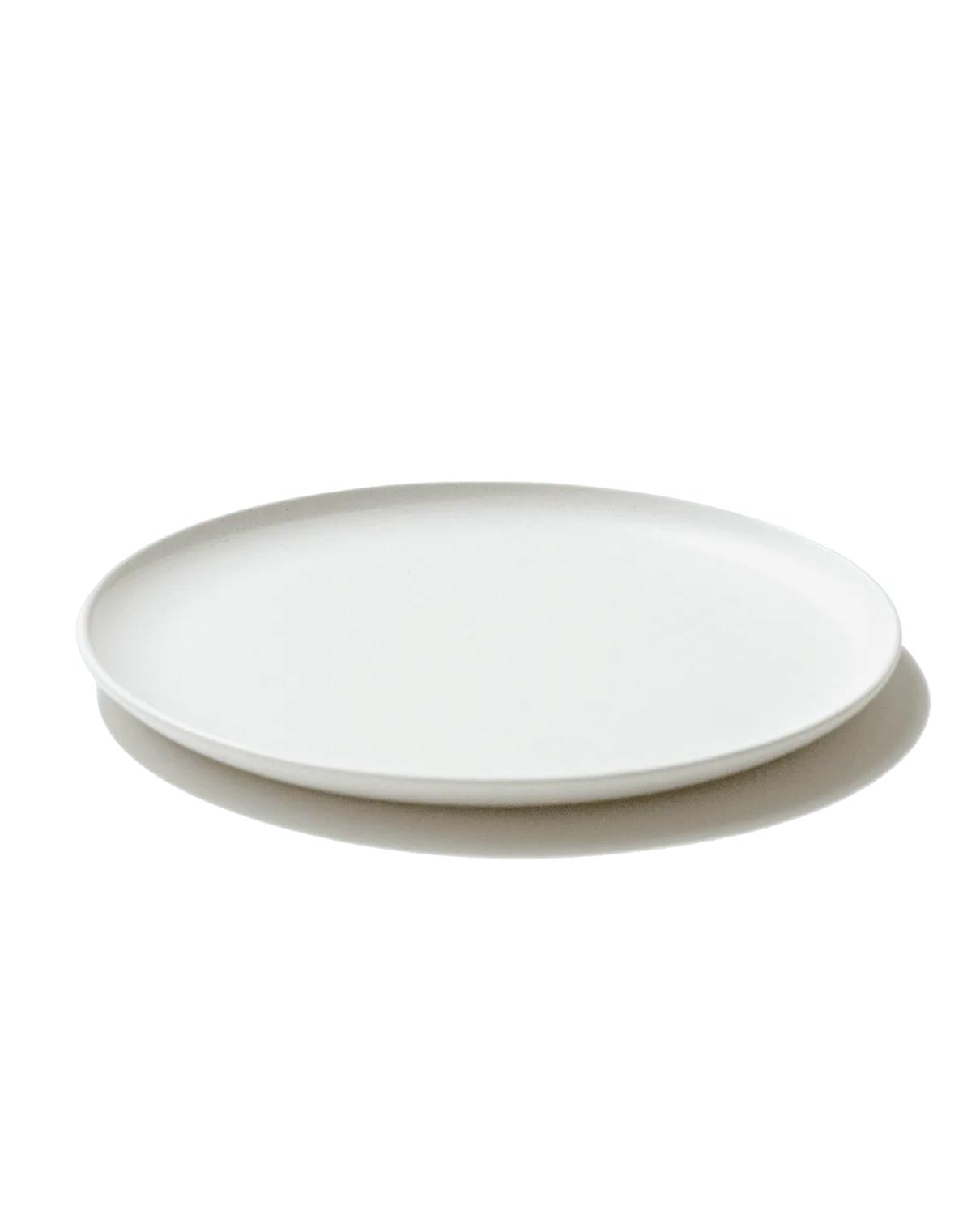
The Goun Plate
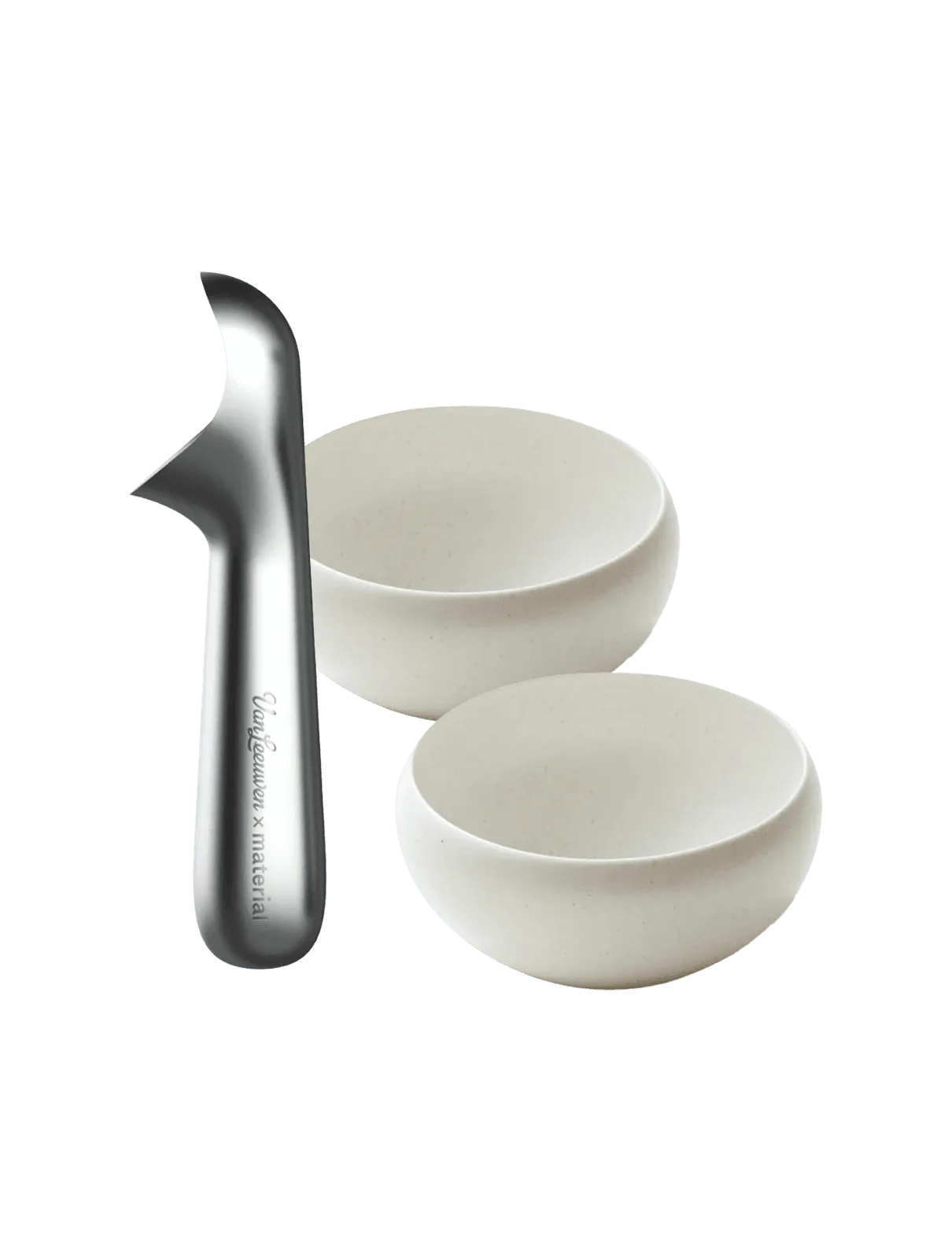
Don't forget about your flatware and linens—they contribute to the overall texture story as well. Brushed metal flatware, linen napkins, and a woven table runner can soften the look of glossy dinnerware. The Windsor Cutlery set, with its clean lines and brushed finish, complements both rustic and contemporary plates, making it a versatile choice for mixing and matching. Layering these textures creates a rich, inviting table that guests will want to linger over.
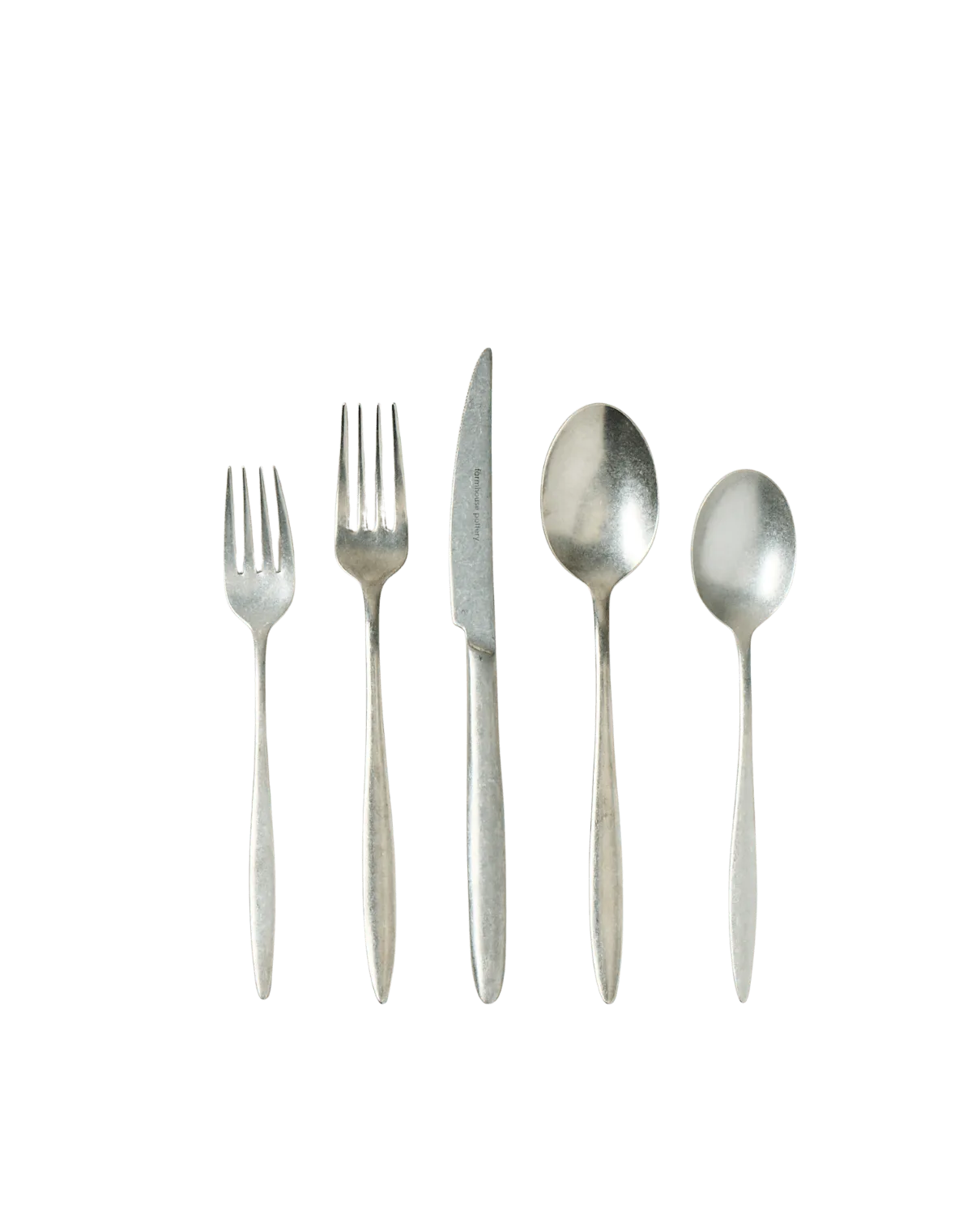
Windsor Cutlery
- Combine glossy and matte finishes for visual contrast.
- Incorporate textured linens and wooden accents to soften hard surfaces.
- Use handcrafted or irregular pieces to add character and warmth.
Layer Your Place Settings
Layering is the secret to a professional-looking tablescape. Start with a charger or a large dinner plate as the base, then add a salad or pasta plate, and finally a bowl or a small plate for bread or dessert. Each layer should introduce a new color, pattern, or texture, but all should relate back to your unifying element. For example, a solid-colored dinner plate can be topped with a patterned salad plate, then a small bowl in a complementary hue.
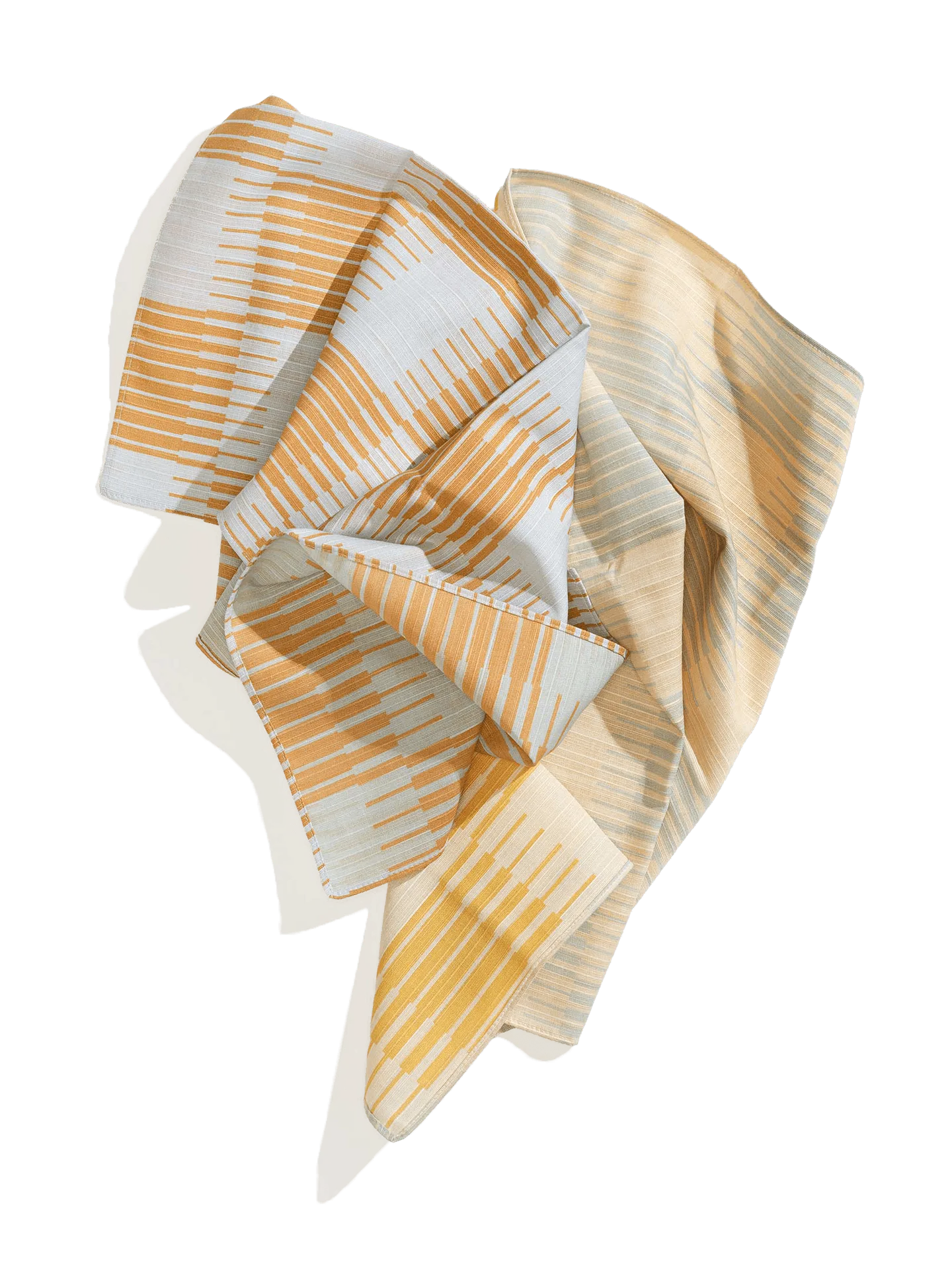
Consider the visual weight of each layer. Heavier patterns or darker colors should go on the bottom, while lighter, more delicate pieces sit on top. This creates a sense of depth and prevents the table from feeling top-heavy. You can also use napkins, flatware, and glassware as additional layers. A folded dinner napkin placed on the plate or to the side adds another opportunity to introduce color or pattern. The Dinner Napkins Double Sided Drift - Quiet Season offer a subtle, artistic pattern that can tie together disparate plate designs without overwhelming them.
- Start with a neutral base plate, then add patterned or colored layers.
- Use napkins and flatware as additional layers to introduce texture.
- Keep the top layer simple to avoid visual clutter.
Incorporate Accent Pieces and Serveware
Your tablescape shouldn't stop at the place setting. Accent pieces like serving bowls, platters, and even a centerpiece can reinforce your mix-and-match theme. Choose serveware that echoes the colors or shapes you've used on the plates. For instance, a large salad bowl in a contrasting glaze can become a focal point, while smaller bowls for dips or sides can coordinate with the salad plates.
Don't be afraid to mix metals in your flatware and candle holders—brass, silver, and matte black can coexist beautifully when balanced with the right dinnerware. The Goun Noodle Bowl, with its generous size and organic form, works wonderfully as a serving piece for noodles, salads, or fruit, and its earthy tone bridges different plate patterns. By extending your mix-and-match philosophy to every element on the table, you create a cohesive, lived-in look that feels both intentional and inviting.
- Use serving bowls and platters to echo the colors of your dinnerware.
- Mix metal finishes for flatware and decor, but keep them balanced.
- Add a centerpiece (flowers, candles, or fruit) that ties the palette together.
Ready to create your own unique tablescape? Start with a few key pieces that speak to your style, and don't be afraid to experiment. The Goun Set offers a beautifully coordinated foundation that pairs effortlessly with other dinnerware, making it an ideal starting point for your mix-and-match journey. Explore the collection and let your table tell your story.