Quick answer
Start with a dusty pink hexagonal plate as the base, add a pastel green bowl on top, and repeat the two colours in alternating place settings. This keeps the palette balanced and lets the compostable materials do the talking.
Why pastel green and dusty pink work together
Pastel green and dusty pink are both muted, low-saturation colours, so they sit comfortably side by side without one overpowering the other. The soft contrast feels fresh but not childish, which makes the pairing suitable for baby showers, spring birthdays, and garden parties.
Because both colours are gentle, the table can look washed out if you use them in equal amounts everywhere. The trick is to give one colour a clear role—usually the larger plate—and let the other appear in smaller doses.
When to break the two-colour rule
If your tablecloth or background is already busy, limit yourself to just these two pastels and add texture through the hexagonal shape rather than extra colours. If the setting is very plain, you can introduce a third neutral tone such as white or natural wood to keep the pastels from floating.
Remember that compostable paper tableware has a matte finish, so it reflects less light than plastic or glazed ceramic. In dim rooms, place the table near a window or add a few candles to bring out the pastel tones.
Step-by-step: build a pastel green and dusty pink table
- Choose your base colour: Decide whether the main meal plate will be dusty pink or pastel green. For most tables, dusty pink as the base feels warmer and more grounded; pastel green as the base looks fresher and more modern. Pick one and stick to it for all place settings. Checkpoint: if you cannot decide, hold one plate of each colour against your tablecloth in daylight.
- Layer the bowl on top: Place the smaller pastel green bowl (or dusty pink, if you reversed the base) slightly off-centre on the plate. This creates a casual, layered look and shows both colours at once. Avoid centring the bowl perfectly—it can look stiff. Checkpoint: the bowl should sit stable; if it wobbles, place a napkin underneath.
- Repeat the palette in thREEs: Use the two colours in a 2:1 ratio across the table—for example, two pink plates for every green bowl, or vice versa. This prevents the table from looking like a checkerboard and keeps the pastels from competing. Checkpoint: step back and squint; if one colour jumps out too much, adjust the ratio.
- Add texture, not more colour: Bring in natural elements like wooden cutlery, linen napkins, or a simple white runner. These add warmth and contrast without introducing a third pastel that could muddy the scheme. Checkpoint: keep all other tableware neutral so the plates and bowls remain the focus.
Product facts
-
Pastel Green Compostable Hexagonal Vert Decor Paper Bowls 16cm – Pack of 6: Pastel green compostable hexagonal bowls, 16 cm, pack of 6, made from 77% sugar cane and 9% bamboo. The smaller bowl size suits side dishes or desserts, and the plant-based material means you can compost them after the party.
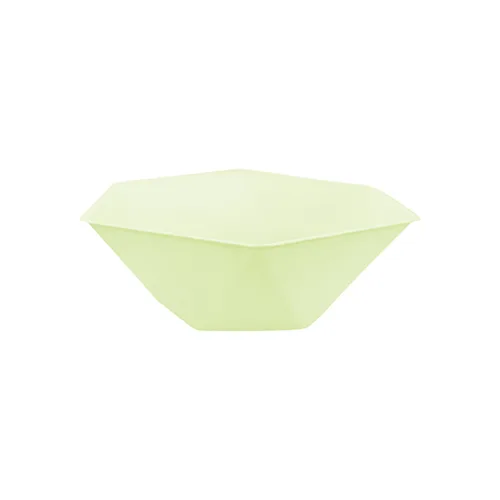
Pastel Green Compostable Hexagonal Vert Decor Paper Bowls 16cm – Pack of 6
-
Dusty Pink Compostable Hexagonal Vert Decor Paper Plates 26cm – Pack of 6: Dusty pink compostable hexagonal plates, 26 cm, pack of 6, made from 77% sugar cane and 9% bamboo. The larger plate works as a dinner base, and the hexagonal shape adds visual interest without needing patterned designs.
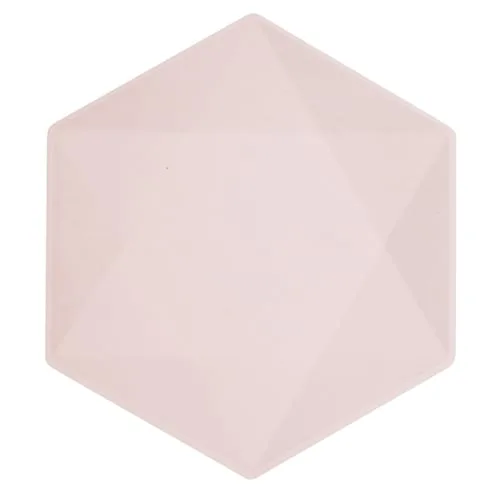
Dusty Pink Compostable Hexagonal Vert Decor Paper Plates 26cm – Pack of 6