When you live in a small apartment or a cozy home, every square inch of kitchen space counts. The eternal debate between modular kitchen systems and traditional cabinets becomes especially critical when you're trying to squeeze maximum functionality out of a tiny footprint. Modular kitchens—with their customizable, prefabricated components—have surged in popularity among urban dwellers, while classic built-in cabinets remain a staple for their timeless look and sturdy construction. But which one truly wins for small spaces? In this article, we'll break down the key differences, storage efficiency, design flexibility, cost, and installation factors to help you make an informed decision.
Whether you're a ramen enthusiast who needs organized storage for your noodle collection or a home cook who values quick access to tools and ingredients, your kitchen layout can make or break your daily routine. We'll also explore how products like the Naked Noods Pro+ and the Eclipse Tea Steeper Cup can complement your chosen system, and we'll share practical tips to optimize your small kitchen without sacrificing style.
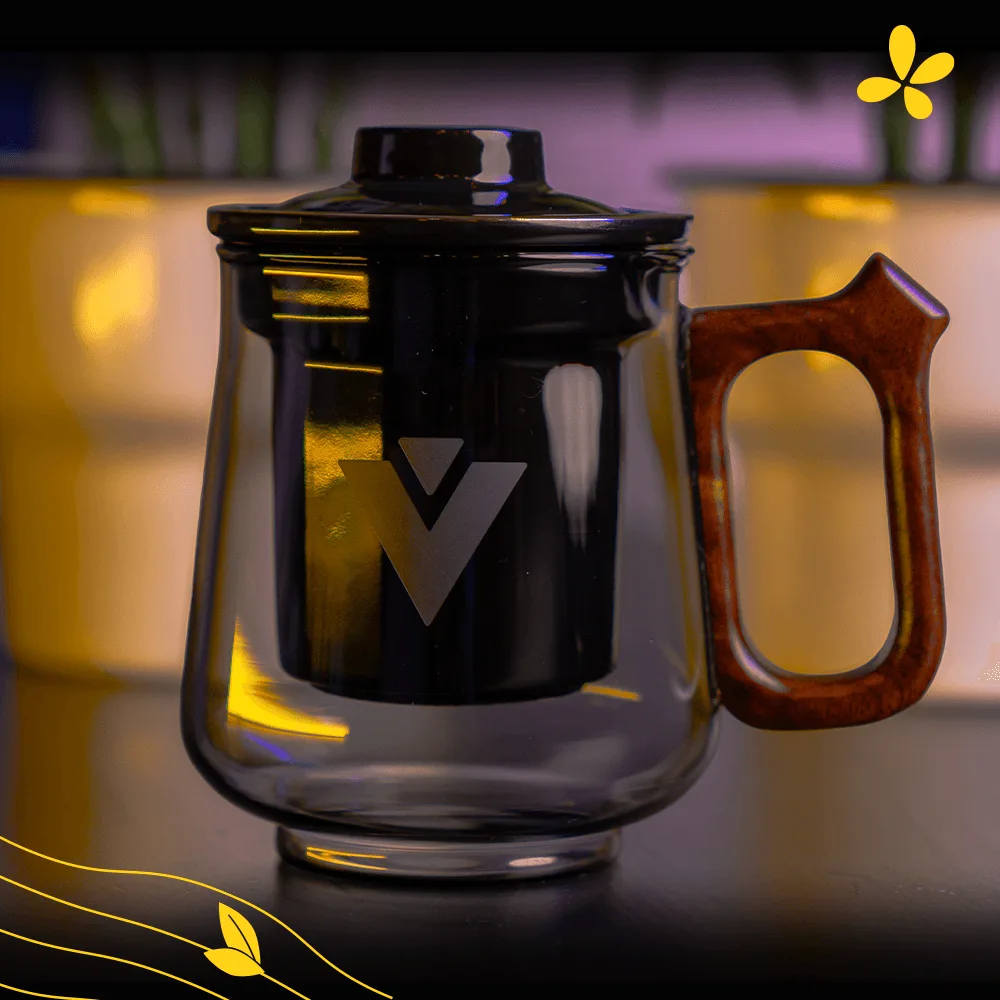
Eclipse Tea Steeper Cup
What Is a Modular Kitchen System?
A modular kitchen system consists of pre-manufactured cabinets, drawers, and countertops that can be arranged in various configurations to fit your space. These units are typically made from engineered wood, MDF, or stainless steel and come in standard sizes, allowing for quick assembly and installation. The key advantage is flexibility: you can mix and match modules—such as corner carousels, pull-out pantries, and overhead cabinets—to create a layout that suits your cooking habits. For small spaces, modular systems often include clever space-saving features like built-in spice racks, cutlery organizers, and fold-down work surfaces.
Because modular kitchens are factory-produced, they often offer consistent quality and a wide range of finishes, from glossy laminates to matte wood textures. Many brands now incorporate smart storage solutions like soft-close hinges, LED lighting, and integrated handles to maximize every inch. For ramen lovers, a modular system can easily accommodate a dedicated noodle storage drawer or a pull-out shelf for your favorite bowls and toppings. This adaptability makes modular kitchens a popular choice for renters and homeowners alike who want a modern, efficient kitchen without a full renovation.
- Pre-manufactured units that can be arranged in multiple layouts
- Includes space-saving features like corner pull-outs and tall pantry cabinets
- Quick installation (often 1-2 days) with minimal disruption
Traditional Cabinets: The Classic Choice
Traditional cabinets are custom-built or semi-custom units that are typically constructed on-site from plywood, solid wood, or particleboard. They offer a built-in, seamless look that many homeowners find aesthetically pleasing and durable. Because they are tailor-made to your kitchen's exact dimensions, traditional cabinets can fill odd nooks and crannies that modular units might leave unused. This custom fit can be a major advantage in small spaces with irregular walls or low ceilings, where standard modular sizes may not work.
However, traditional cabinets come with drawbacks for small kitchens. They are generally more expensive due to the labor and materials involved, and installation can take weeks. Storage options are often limited to basic shelves and drawers unless you invest in expensive add-ons. Additionally, if you move, you cannot take them with you—they are permanently fixed. For someone who loves to cook ramen and needs quick access to a variety of ingredients, a traditional cabinet system might lack the organizational flexibility that modular systems provide. Still, for those who prioritize a custom look and have a larger budget, traditional cabinets remain a solid option.
- Custom-built to fit exact dimensions, ideal for irregular spaces
- Higher cost and longer installation time (1-4 weeks)
- Permanent fixture; not portable if you move
Storage Efficiency: Modular vs Traditional
When it comes to maximizing storage in a small kitchen, modular systems often have the edge. They are designed with modern living in mind, incorporating pull-out pantries, deep drawers with dividers, and corner carousels that make every cubic inch accessible. For example, a modular base cabinet with a pull-out trash bin and a cutlery tray can keep your countertops clutter-free. You can also add specialty modules like a spice drawer or a knife block insert, which are harder to retrofit into traditional cabinets. This is especially useful if you own products like the Naked Noods Pro+, a versatile kitchen tool that benefits from dedicated drawer space.
Traditional cabinets, on the other hand, often rely on fixed shelves that can waste vertical space and make it hard to reach items at the back. While you can add aftermarket organizers, they rarely integrate as seamlessly as modular components. For a small kitchen, every inch matters, and modular systems typically offer more efficient use of space. However, if your kitchen has an unusual layout, a custom traditional cabinet might be the only way to use that awkward corner. Ultimately, the best choice depends on your specific space and storage needs.
- Modular: pull-out shelves, corner carousels, and drawer dividers maximize accessibility
- Traditional: fixed shelves can waste space but can be customized for odd layouts
- Tip: Use vertical space with tall pantry modules in modular systems
Design Flexibility and Aesthetics
Modular kitchens offer a wide range of design options, from minimalist Scandinavian to industrial chic. You can mix door styles, colors, and materials to create a unique look without the cost of full customization. Many modular brands also provide online design tools that let you visualize your kitchen before purchasing. For small spaces, lighter colors and glossy finishes can make the room feel larger, while open shelving modules add an airy feel. The Eclipse Tea Steeper Cup, for instance, can be displayed on an open shelf as both a functional item and a decorative piece.
Traditional cabinets give you complete control over every detail—from wood species to molding profiles—but this level of customization comes at a premium. If you have a specific vintage or period style in mind, traditional cabinets may be the only way to achieve it. However, for most small kitchens, the modular approach provides plenty of aesthetic variety at a lower cost. Plus, you can easily swap out modules or add new ones later if your needs change, something that's nearly impossible with traditional cabinetry.
- Modular: many finishes, easy to update, and often includes design tools
- Traditional: full customization but higher cost and less future flexibility
- Consider open shelving modules to display your favorite kitchenware
Cost and Installation Comparison
Budget is often a deciding factor for small-space dwellers. Modular kitchen systems are generally more affordable, with prices ranging from $2,000 to $8,000 for a complete small kitchen, depending on materials and features. Installation is quick—often a day or two—since the units are pre-assembled. This makes modular systems ideal for renters or homeowners who want a fast upgrade. Traditional cabinets, by contrast, can cost $5,000 to $15,000 or more for a similar size, and installation can take weeks due to custom fabrication and on-site adjustments.
However, traditional cabinets may add more value to your home if you plan to sell, as they are perceived as higher quality. For a small kitchen that you'll use for years, the investment might be worth it. But if you're on a tight budget or plan to move soon, modular is the clear winner. You can always upgrade later with add-ons like the Naked Noods Pro+ to enhance your kitchen's functionality without a full renovation.
- Modular: $2,000–$8,000, install in 1-2 days
- Traditional: $5,000–$15,000+, install in 1-4 weeks
- Modular is more budget-friendly and portable for renters
Choosing between modular kitchen systems and traditional cabinets for your small space comes down to your priorities: flexibility, budget, and future plans. Modular systems excel in storage efficiency, quick installation, and adaptability—perfect for ramen lovers who want organized access to their Naked Noods Pro+ and other essentials. Traditional cabinets offer a custom look and durability but at a higher cost and longer timeline. For most small kitchens, modular is the smarter, more practical choice. Ready to transform your kitchen? Explore our selection of space-saving kitchen tools and accessories to complement your new setup.