Who gets the most from this shampoo
Moisturizing Coconut Oil Shampoo is built around coconut oil, which is known to provide a hydration boost and leave hair easier to manage. If your hair feels dry, rough, or hard to detangle, or if you want to encourage soft, shiny curls, this is the profile the formula is aimed at.
It is not a protein treatment. The product’s own guidance explains that hair needs a balance of moisture and protein: moisturizing products keep strands soft and flexible, while protein-rich products reinforce structure and help reduce breakage. That distinction matters when you decide whether this shampoo belongs in your routine.
What the formula is designed to do
-
Moisturizing Coconut Oil Shampoo: Formulated with coconut oil, known to provide a hydration boost, and leaves hair easier to manage. This is the core reason to choose it over a shampoo without a moisturizing focus.
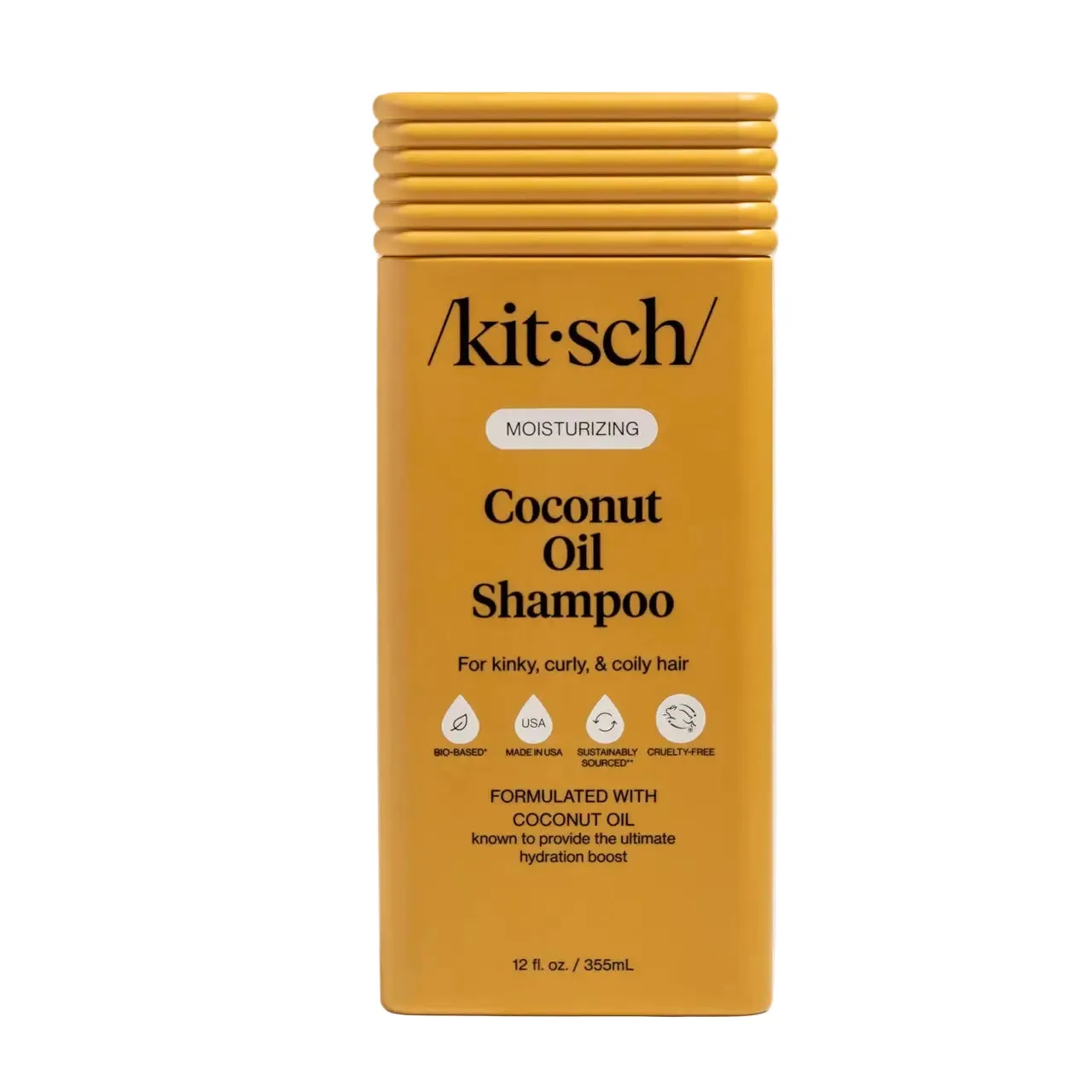
Moisturizing Coconut Oil Shampoo
-
Moisturizing Coconut Oil Shampoo: Helps hydrate and revive dry hair to promote soft, shiny curls. Useful if your main complaint is dryness or dullness rather than breakage from lack of protein.
How to use it for dry hair and frizz
Apply the shampoo to wet hair, massage it through, and rinse. The supplied information does not specify an amount, contact time, or frequency, so follow the directions on the bottle and adjust based on how your hair feels rather than a fixed schedule.
For frizz-prone hair, the goal is to cleanse without leaving strands rough. Because the formula is moisturizing, it may help make hair easier to manage, but the evidence does not promise frizz elimination. If your hair still feels dry after washing, the issue may be your conditioner or styling step rather than the shampoo alone.
A simple routine using this shampoo
- Start with wet hair: Apply the shampoo to wet hair and work it through. The supplied record does not give a specific amount, so use what feels sufficient for your hair length and lather.
- Rinse thoroughly: Rinse as directed on the bottle. No contact time is specified in the supplied information.
- Watch for signs of protein overload: The product guidance notes that hair feeling stiff, brittle, or dry can be a sign of protein overload. If that happens, alternating with Kitsch Moisturizing Coconut Oil Shampoo is described as a way to help restore moisture-protein balance.
- Alternate with protein-rich products when needed: The brand suggests using both moisturizing and protein-rich products in the right ratio for your hair type. That means this shampoo can be one part of a rotation, not necessarily your only wash-day product.
What the product says about balance
- Moisturizing Coconut Oil Shampoo: Hair needs a balance of moisture and protein—moisturizing products keep strands soft and flexible, while protein-rich products reinforce structure and help reduce breakage. This explains why a moisturizing shampoo alone may not solve every hair problem.
- Moisturizing Coconut Oil Shampoo: If you’re experiencing signs of protein overload (hair feeling stiff, brittle, or dry), alternating with Kitsch Moisturizing Coconut Oil Shampoo is a great way to restore your moisture-protein balance. Gives a concrete checkpoint for when to switch or alternate products.
The trade-off: moisture without protein
This shampoo focuses on moisture. If your hair is brittle from damage or lacks structure, a moisturizing shampoo alone may not be enough. The brand’s own guidance points to protein-rich products to reinforce structure and help reduce breakage. So the honest trade-off is that this is a moisture-first product, not a repair treatment.
If you are unsure whether your hair needs moisture or protein, look at how it behaves: stiff, brittle, or dry hair can signal protein overload according to the product information, while dry, rough hair that is hard to manage is the target for this moisturizing shampoo. The supplied record does not include a diagnostic test beyond those descriptions.
What is not specified
The supplied information does not include a sulfate-free claim, a full ingredient list, a patch test recommendation, or a usage frequency. If those details matter to you, check the product label or the full product page before buying. This article only covers what the supplied record supports.