If you're new to tactical gear, the term 'MOLLE' might sound like a foreign language. But once you understand what it is and how to use it, you'll wonder how you ever managed without it. MOLLE stands for Modular Lightweight Load-carrying Equipment, and it's a system of webbing straps and pouches that lets you customize your gear to fit your exact needs. In this guide, we'll focus on molle belts—specifically how to attach pouches and other accessories to them, so you can build a setup that works for you.
Whether you're a law enforcement officer, a military service member, or an outdoor enthusiast, a molle belt is a versatile platform for carrying everything from spare magazines to medical kits. The key is knowing how to properly attach and secure your gear, so it stays put when you need it most. Let's dive into the world of molle belts and get you set up like a pro.
What is a MOLLE Belt?
A MOLLE belt is a tactical belt that features rows of webbing, typically made from heavy-duty nylon, which allows you to attach compatible pouches and accessories. The webbing is arranged in horizontal and vertical strips, creating a grid pattern. This grid is what makes the system so modular—you can place pouches exactly where you want them, and move them around as your needs change.
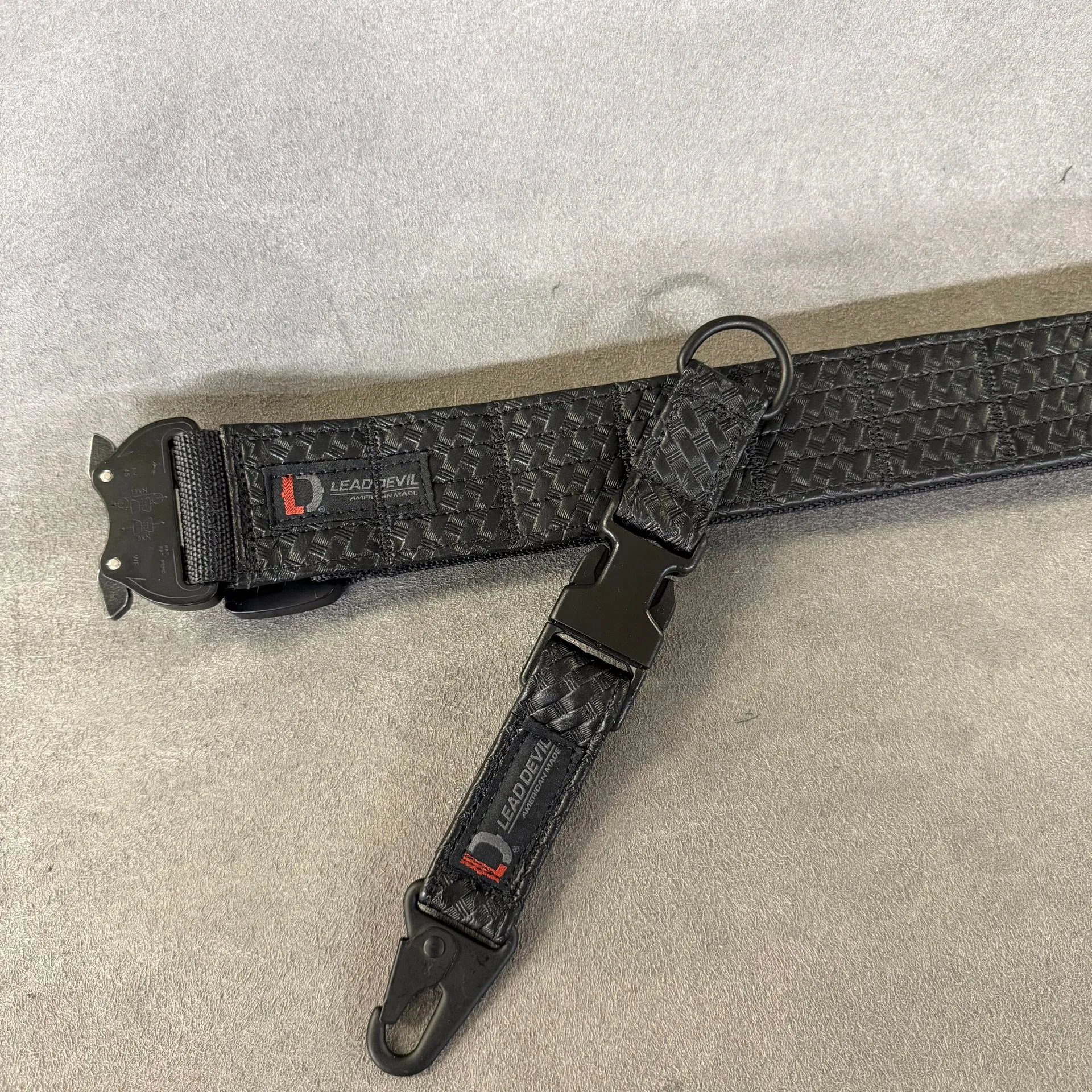
MOLLE belts come in various widths, but the most common for tactical use are 1.5 inches and 1.75 inches. The wider belts often offer more attachment points and are popular for duty use. For example, the 1.75" LOW VIZ MOLLE BELTS from Lead Devil USA are designed to be low-profile while still providing the versatility of a full MOLLE platform. Similarly, the 1.75" POLYMER BUCKLE MOLLE BELTS offer a lightweight yet durable option for those who prefer a polymer buckle over traditional metal.
- MOLLE stands for Modular Lightweight Load-carrying Equipment.
- The webbing grid allows for endless customization.
- Belts come in different widths; 1.75 inches is common for duty use.
Understanding MOLLE Webbing and Attachment Methods
MOLLE webbing is not just a simple strap; it's a system designed for secure attachment. The webbing is typically 1 inch wide with slots that allow you to weave straps through. Most MOLLE pouches come with straps or clips that you thread through the webbing channels. The most common methods are the 'weave' method, where you thread the pouch straps over and under the belt webbing, and the 'clip' method, which uses plastic or metal clips that snap onto the webbing.
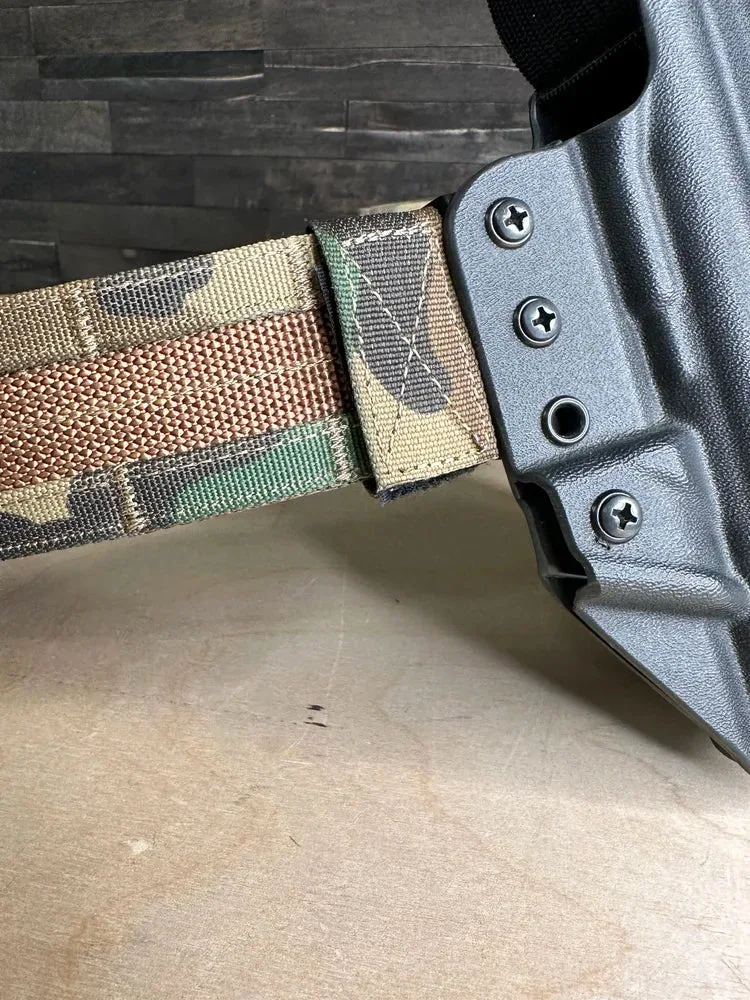
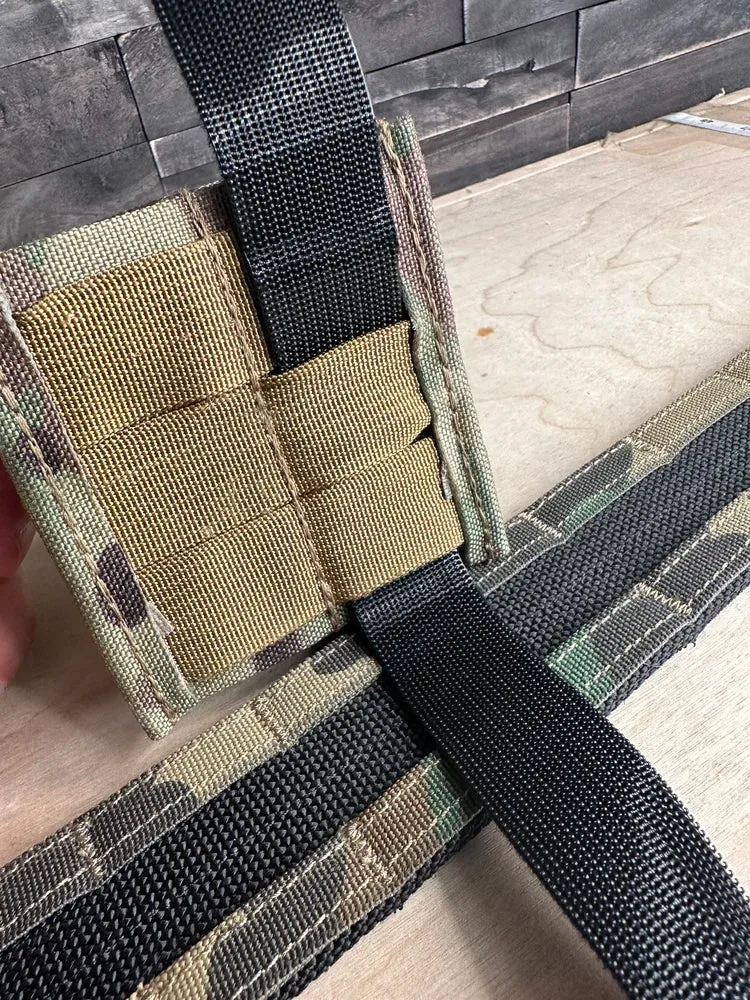
For a molle belt, the attachment process is slightly different than for a vest or pack. On a belt, the webbing is usually oriented vertically, so you'll thread your pouch straps horizontally through the vertical loops. This creates a strong, secure hold that prevents the pouch from sliding. It's important to use pouches with straps that are long enough to weave through at least two rows of webbing for maximum stability.
- The weave method is the most secure and traditional way to attach MOLLE gear.
- Clip attachment is quicker but may be less secure for heavy items.
- Always ensure your pouch straps are long enough for a proper weave.
Step-by-Step: How to Attach a MOLLE Pouch to Your Belt
Attaching a MOLLE pouch to your belt is a straightforward process, but it requires a bit of patience to get it right. Here's a step-by-step guide to help you with your molle belt setup.
First, position the pouch where you want it on the belt. It's usually best to place it at the front or side for easy access. Next, take the strap on the back of the pouch and thread it through the top horizontal slot of the belt webbing. Pull it through until the strap comes out the other side. Then, thread the strap under the next vertical webbing strip and through the next horizontal slot. Repeat this process for the remaining straps, weaving them over and under to create a secure hold. Finally, tighten all straps and secure the ends with the hook-and-loop fasteners or buckles provided.
- Start by positioning the pouch and threading the top strap first.
- Weave the strap over and under the belt webbing for a secure hold.
- Tighten all straps evenly to prevent wobbling.
Tips for a Secure Molle Belt Setup
A secure molle belt setup is crucial for comfort and functionality. Here are some tips to ensure your gear stays in place. First, always use pouches that are specifically designed for MOLLE systems. They have the right strap lengths and materials to work with your belt. Second, don't overload your belt with too many pouches. This can cause discomfort and make it difficult to access your gear. Stick to the essentials and distribute weight evenly.
Another tip is to use an inner belt for added stability. An inner belt is a thinner belt that goes through your belt loops and attaches to the outer molle belt via hook-and-loop. This prevents the outer belt from sliding or twisting. The HYBRID PREDATOR INNER BELT - LOOP FASTENER (VELCRO) LINED is a great option that pairs well with any molle belt. It keeps your setup secure and comfortable, even during intense activities.
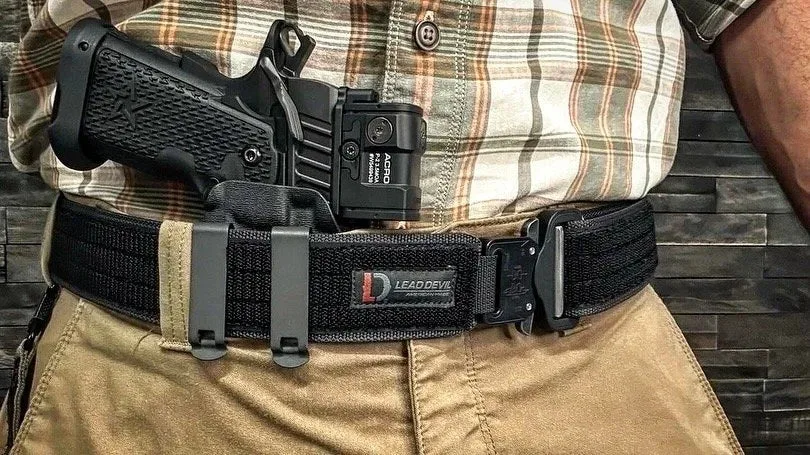
HYBRID PREDATOR INNER BELT - LOOP FASTENER (VELCRO) LINED
- Use MOLLE-specific pouches for best compatibility.
- Distribute weight evenly to avoid discomfort.
- Consider an inner belt for added stability.
Common Mistakes to Avoid When Using a Molle Belt
Even experienced users can make mistakes when setting up their molle belt. One common error is attaching pouches too tightly, which can damage the webbing or make it difficult to remove the pouch later. Another mistake is placing heavy items on the side or back of the belt, which can cause it to twist or sag. Always balance your load and keep heavier items closer to your body.
Also, avoid mixing different brands of MOLLE gear without checking compatibility. While most MOLLE products are standardized, there can be slight variations in strap width and material. Stick to reputable brands like Lead Devil USA to ensure a perfect fit. Their 1.75" (NO MOLLE) BELTS are a good example of high-quality belts that work seamlessly with a variety of pouches.
- Don't overtighten straps; leave a little room for adjustment.
- Keep heavy items close to your body for balance.
- Check compatibility before mixing brands.
Mastering your molle belt setup is all about understanding the system and practicing your technique. With the right belt and pouches, you can create a customized carry solution that meets your exact needs. If you're ready to upgrade your gear, explore our selection of molle belts and accessories to find the perfect fit for your tactical or everyday carry needs.